
Top 20 Animals With Sharp Teeth: Names, Scientific Class, Diet & Fun Facts
A sharp tooth can mean the difference between holding onto prey and losing a meal or fending off a threat. From land predators to aquatic hunters, animals use their teeth to grip, pierce, tear, and defend themselves. Explore 20 animals with sharp teeth, including their names, scientific classes, diets, and the adaptations that help them survive in very different habitats.
List of Animals With Sharp Teeth
| No. | Animal Name | Scientific Name | Class | Diet |
| 1 | Lion | Panthera leo | Mammalia | Carnivore |
| 2 | Great White Shark | Carcharodon carcharias | Chondrichthyes | Carnivore |
| 3 | Crocodile | Crocodylus niloticus | Reptilia | Carnivore |
| 4 | Wolf | Canis lupus | Mammalia | Carnivore |
| 5 | Tiger | Panthera tigris | Mammalia | Carnivore |
| 6 | Hyena | Crocuta crocuta | Mammalia | Carnivore |
| 7 | Polar Bear | Ursus maritimus | Mammalia | Carnivore |
| 8 | Snake | Ophiophagus hannah | Reptilia | Carnivore |
| 9 | Leopard | Panthera pardus | Mammalia | Carnivore |
| 10 | Alligator | Alligator mississippiensis | Reptilia | Carnivore |
| 11 | Jaguar | Panthera onca | Mammalia | Carnivore |
| 12 | Komodo Dragon | Varanus komodoensis | Reptilia | Carnivore |
| 13 | Orca | Orcinus orca | Mammalia | Carnivore |
| 14 | Tasmanian Devil | Sarcophilus harrisii | Mammalia | Carnivore |
| 15 | Barracuda | Sphyraena barracuda | Actinopterygii | Carnivore |
| 16 | Piranha | Pygocentrus nattereri | Actinopterygii | Carnivore |
| 17 | African Wild Dog | Lycaon pictus | Mammalia | Carnivore |
| 18 | Wolverine | Gulo gulo | Mammalia | Carnivore |
| 19 | Moray Eel | Muraenidae | Actinopterygii | Carnivore |
| 20 | Saber-Toothed Cat | Smilodon fatalis | Mammalia | Carnivore |
Detailed Look At Animals With Sharp Teeth
Lion
Scientific Name: Panthera leo
Class: Mammalia
Diet: Carnivore
A lion’s long, sharp canine teeth are essential tools for survival. Backed by powerful jaws, they help a lion seize and hold prey, then tear meat into manageable pieces. These teeth also play a role in defense, helping lions confront rivals and protect their territory.
Lions often hunt in groups, with members working together to approach and capture prey. Once a hunt succeeds, their teeth help them feed, while their strength and social cooperation support survival in the wild.
Fun fact: A lion’s canine teeth can grow up to three inches long.
Great White Shark
Scientific Name: Carcharodon carcharias
Class: Chondrichthyes
Diet: Carnivore
Great white sharks rely on rows of sharp, replaceable teeth to catch and eat prey. Their jagged edges help slice through flesh, while powerful jaws grip prey such as fish and seals. As teeth wear down or fall out, others can move forward to take their place. These features make the great white an effective hunter and an important ocean predator. By catching prey with speed and force, it helps maintain its place in the marine food web.
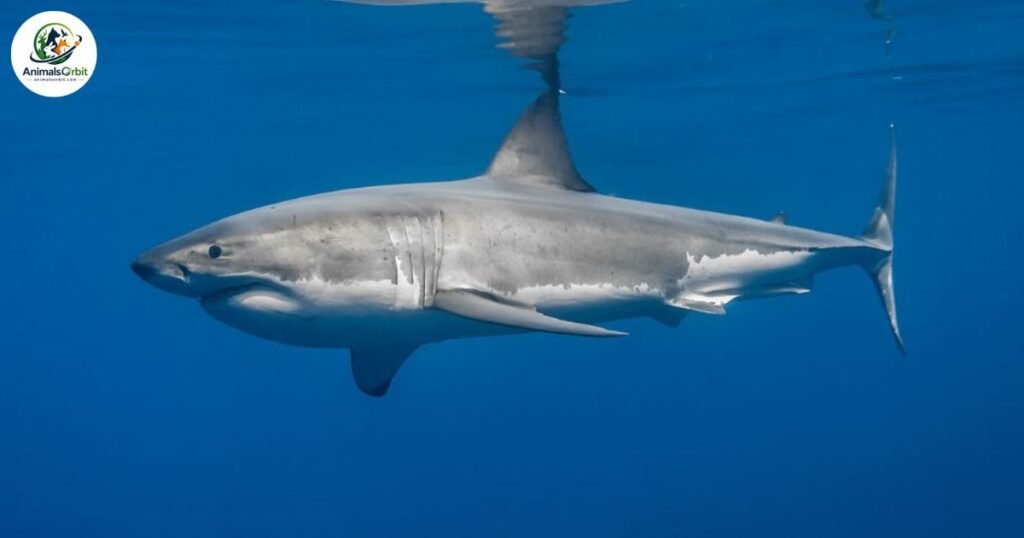
Fun fact: A great white shark can have over three hundred teeth at one time.
Crocodile
Scientific Name: Crocodylus niloticus
Class: Reptilia
Diet: Carnivore
Crocodiles rely on a combination of sharp, cone-shaped teeth and a powerful bite to catch prey. The teeth are suited to gripping slippery animals, making it harder for prey to slip free as the crocodile pulls it toward the water.
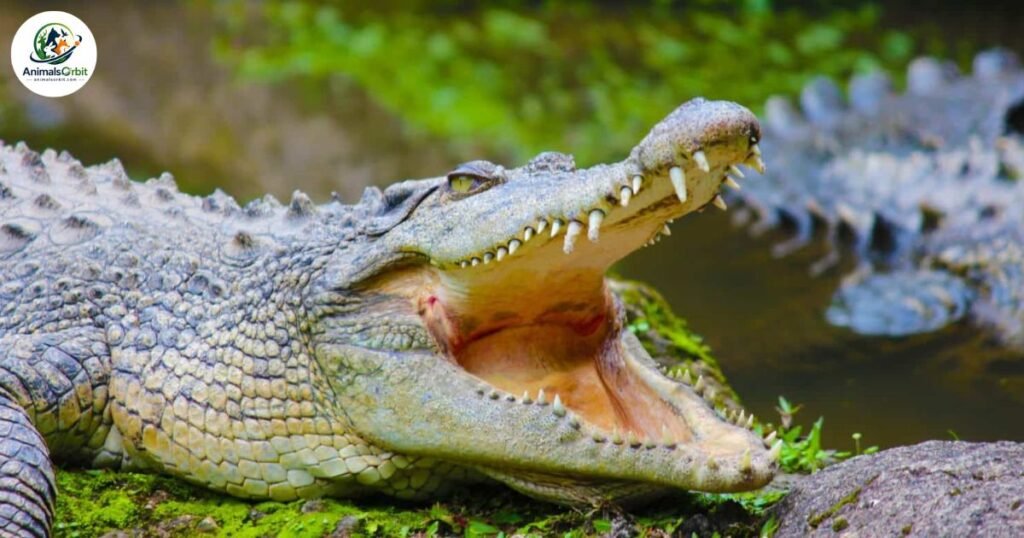
Crocodile teeth are continually replaced, and their role extends beyond hunting: they help tear food and can be used to defend territory. Together, the teeth and jaws make a crocodile well equipped to seize and hold its prey.
Fun fact: A crocodile can have over sixty teeth in its mouth at once.
Wolf
Scientific Name: Canis lupus
Class: Mammalia
Diet: Carnivore
A wolf’s teeth are specialized tools for finding and handling food. Its sharp canine teeth help grip and capture prey, while the broad molars behind them cut and tear meat. Strong jaws power each bite, helping a wolf work through tough food and crush bones to reach the nutrients inside.
Hunting as a pack lets wolves work together to pursue and bring down prey, after which their teeth help them feed and carry food back to pups. They also serve in defense, warning or biting when a wolf must protect itself or the pack. In less hostile encounters, tooth displays and gentle mouthing can play a role in social communication, so the same equipment that helps a wolf eat also shapes how it lives with others.
Fun fact: A wolf’s bite force is strong enough to crack large bones.
Tiger
Scientific Name: Panthera tigris
Class: Mammalia
Diet: Carnivore
A tiger’s long, sharp canine teeth help it seize and hold prey, while its powerful jaws deliver a forceful bite. Once the animal has brought down its meal, its teeth help tear meat into manageable pieces and break through bones to reach what is inside. The same strong bite can help a tiger carry food to a quieter place to eat.
Tigers generally hunt alone, relying on stealth and strength rather than a group. Their teeth are useful beyond the hunt, too: a threatening bite can help defend them when danger arises. Together, these traits help tigers capture food, handle it, and survive in the wild.
Fun fact: A tiger’s canine teeth can be over four inches long.
Hyena
Scientific Name: Crocuta crocuta
Class: Mammalia
Diet: Carnivore
Hyenas have powerful jaws and sharp teeth adapted for making the most of a meal. Their front teeth tear meat from a carcass, while broad, sturdy teeth farther back can crush bones and reach the nutritious material inside. This combination lets hyenas feed efficiently as both hunters and scavengers, using food that many other animals leave behind.

Their teeth also help them defend a meal from rivals and break meat into manageable pieces as young hyenas begin eating solid food. By hunting prey and scavenging carcasses, hyenas play an important role in their ecosystems and their specialized jaws help them do both.
Fun fact: A hyena can crush large bones that lions often leave behind.
Polar Bear
Scientific Name: Ursus maritimus
Class: Mammalia
Diet: Carnivore
A polar bear’s sharp canines and strong jaws help it handle the challenges of hunting seals. Seals are slippery, so the canines help the bear secure its prey. Once it has a firm hold, the bear can use its teeth and jaws to tear into the seal’s flesh and fat.
The teeth are useful beyond feeding: they can also help a polar bear defend itself. These abilities support the bear’s survival in the Arctic, where seals are an important food source and effective hunting matters.
Fun fact: Polar bears have black skin under white fur which helps absorb heat.
Snake
Scientific Name: Ophiophagus hannah
Class: Reptilia
Diet: Carnivore
A snake’s teeth are typically sharp and curve backward, helping it hold onto prey that might otherwise slip free. Unlike animals that chew, snakes generally swallow their prey whole, using flexible jaws and repeated movements to guide it down. Their teeth help secure food, while also serving as a means of defense when a snake feels threatened.
Venomous snakes have specialized fangs that deliver venom through a bite. Depending on the species, the fangs may be hollow or grooved, channeling venom into the bite wound. Nonvenomous snakes do not inject venom; instead, they rely on their teeth to grip prey before swallowing it whole. These different adaptations show how snake teeth support both feeding and survival.
Fun fact: Some snakes can swallow prey larger than their own head.
Leopard
Scientific Name: Panthera pardus
Class: Mammalia
Diet: Carnivore
A leopard’s sharp canine teeth and powerful jaws are central to its solitary hunting style. Without a pack to help restrain prey, it must seize and hold an animal with precision. The canines grip during the attack, while a targeted bite can quickly subdue prey; afterward, the jaws help tear flesh and crush smaller bones.

The same combination of grip and strength helps a leopard carry food up into a tree, keeping a meal away from many ground-level competitors. Its teeth are also a means of defense, useful when it faces rivals or protects a carcass. In each case, the leopard’s bite supports both the hunt and the challenge of living alone.
Fun fact: Leopards can carry prey heavier than their own body up trees.
Alligator
Scientific Name: Alligator mississippiensis
Class: Reptilia
Diet: Carnivore
Alligators rely on a combination of sharp, cone-shaped teeth and powerful jaws to catch and handle prey. The teeth are designed to grip, while their continual replacement helps ensure that worn or lost teeth do not leave the animal without a working set. Alligators do not chew like humans; they use their bite to hold prey and tear food into manageable pieces.

Their ambush skills make that bite especially effective. An alligator can remain still in freshwater before striking suddenly, using its jaws and teeth to secure its catch. The same strong grip can help defend the animal, while the ability to seize and tear food supports survival in its freshwater habitat.
Fun fact: An alligator can have up to eighty teeth and replace them throughout life.
Jaguar
Scientific Name: Panthera onca
Class: Mammalia
Diet: Carnivore
A jaguar’s broad head and powerful jaws deliver an exceptionally strong bite, while its long, sharp canine teeth help it seize and hold prey. Those teeth can pierce tough coverings, including the shells of some prey, and help the jaguar tear meat into manageable pieces. Its bite can also crush bones, giving the cat access to food that many other predators may leave behind.
This strength is useful beyond the moment of capture: jaguars can use their teeth to grip and carry food. As solitary predators, they generally hunt and feed alone, so the ability to subdue prey and make the most of a meal supports a self-reliant way of life.
Fun fact: Jaguars have the strongest bite force of any big cat.
Komodo Dragon
Scientific Name: Varanus komodoensis
Class: Reptilia
Diet: Carnivore
A Komodo dragon’s teeth are sharp, curved, and edged with small serrations, giving them a firm hold on struggling prey and helping cut through flesh. Its jaws clamp down while powerful neck muscles pull and twist the head, tearing off pieces that the dragon can swallow with little chewing. Large pieces can pass down its flexible throat, allowing it to feed efficiently on substantial meals.
These adaptations suit the dragon’s varied diet, which can include different kinds of animals and carrion. At a carcass, they also help a Komodo dragon secure and pull away food while competing with other dragons.
Fun fact: Komodo dragons can eat up to eighty percent of their body weight in one meal.
Orca
Scientific Name: Orcinus orca
Class: Mammalia
Diet: Carnivore
Orcas have strong, cone-shaped teeth set in powerful jaws. Rather than chewing food into small pieces, they use their teeth to grip slippery prey, tear off manageable pieces, and break apart tough food, including bones. This design serves a varied diet: depending on the orca, prey may include fish, squid, or marine mammal with sharp teeth, each requiring a different approach to capture and handling.

Hunting often involves a pod working together. Orcas can coordinate to locate, surround, or herd prey, while their teeth and jaws help secure and process the catch. Over time, teeth may become worn or damaged, so an older orca’s ability to grip and tear food can differ from that of a younger animal.
Fun fact: Orcas are actually the largest members of the dolphin family.
Tasmanian Devil
Scientific Name: Sarcophilus harrisii
Class: Mammalia
Diet: Carnivore
Tasmanian devils have powerful jaws and sharp teeth suited to making the most of a carcass. Their teeth tear through meat and can crush bones, allowing them to consume parts of an animal that many other scavengers leave behind. This ability helps the devils use a wide range of food from a carcass, including tough tissues and bones.
At a feeding site, those jaws and teeth also matter when devils compete with one another for food. A threatening bite can help a devil defend itself, while its feeding ability supports its role as a natural scavenger that helps clear carcasses from the environment.
Fun fact: Tasmanian devils can open their jaws extremely wide compared to their head size.
Read May Also: Top 20 Christmas Animals: Animals Associated With Christmas
Barracuda
Scientific Name: Sphyraena barracuda
Class: Actinopterygii
Diet: Carnivore
Barracudas are recognizable by their long, powerful jaws and rows of sharp, dagger-like teeth. Their teeth help them seize and hold slippery fish, while their quick, forceful bites can cut through prey before it has much chance to escape. Combined with a streamlined body and impressive bursts of speed, this equipment makes the barracuda an effective ambush hunter.
Many barracudas hunt alone, relying on stealth and a sudden rush rather than coordinated pursuit. By catching fish and other prey, they take part in the food webs of coastal and open-water habitats, where predator and prey populations are linked.
Fun fact: Barracudas can swim up to thirty five miles per hour.
Read May Also: Top 20 Animals Like Raccoons With Pictures and Hidden Facts
Piranha
Scientific Name: Pygocentrus nattereri
Class: Actinopterygii
Diet: Carnivore
Piranhas are known for sharp, triangular teeth that interlock when their mouths close. This close fit helps them grip and cut food efficiently, while strong jaws deliver powerful bites. Their teeth can also break down harder materials, allowing piranhas to feed on more than soft prey.

These traits support a varied diet that may include fish, other small animals with sharp teeth, plant matter, and carrion. By helping piranhas find and consume different food sources, their teeth contribute to their role in South American river ecosystems, where they participate in the movement of energy through aquatic food webs.
Fun fact: Piranha teeth are so sharp they are sometimes used as tools by local people.
Read May Also: Top 15 Animals like Weasels With Pictures & Hidden Facts
African Wild Dog
Scientific Name: Lycaon pictus
Class: Mammalia
Diet: Carnivore
The African wild dog’s sharp canine teeth are well suited to gripping prey, and its strong jaws help tear meat and crush bones. These traits matter during cooperative hunts: after the pack brings down prey, its members can feed quickly, using their teeth to secure and break apart food.
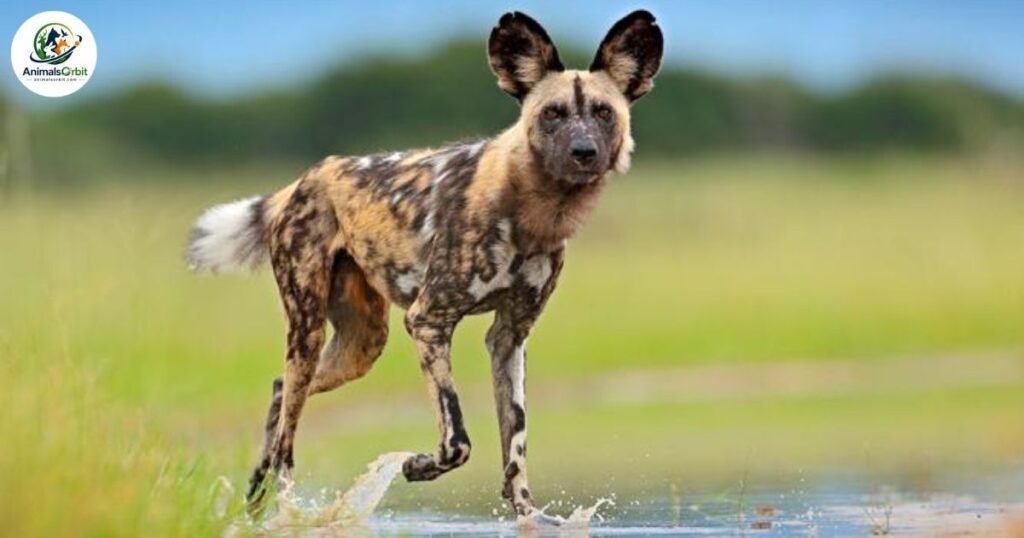
Teeth also have a social and defensive role. African wild dogs may use gentle biting to communicate with one another, while their jaws and teeth can help protect them from threats. Their bite is therefore useful not only for feeding, but also for interactions within the pack and self-defense.
Fun fact: African wild dogs have a hunting success rate higher than lions.
Read May Also: Top 19 Animals with no legs (Pictures Included)
Wolverine
Scientific Name: Gulo gulo
Class: Mammalia
Diet: Carnivore
A wolverine’s powerful jaws and sharp teeth help it make use of food that other animals may struggle to eat. Its strong bite can tear through tough flesh and crack into frozen carcasses, while its teeth help break bones to reach the nutrient-rich marrow inside. This ability to process hard, frozen remains is especially useful in winter, when fresh food can be scarce.
The same teeth also help a wolverine grip and carry food, and defend itself when threatened. As a solitary hunter and scavenger, it must often handle meals on its own, including prey and carcasses that are difficult to open. Its jaws and teeth are well suited to that demanding way of life.
Fun fact: Wolverines can take down prey much larger than themselves.
Read May Also: Top 22 Chubby Animals in The World (With Pictures)
Moray Eel
Scientific Name: Muraenidae
Class: Actinopterygii
Diet: Carnivore
Moray eels are equipped to catch prey that might otherwise slip free. Their sharp, backward-pointing teeth help hold slippery fish and other prey once seized, while a second set of jaws the pharyngeal jaws waits in the throat. These inner jaws also carry teeth and can move forward to grip food in the mouth, then pull it inward.
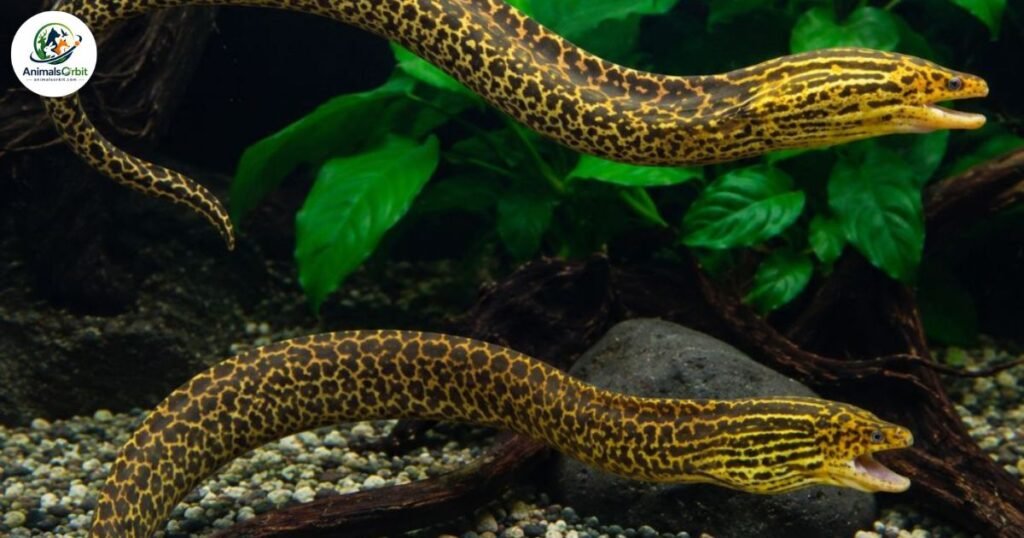
The two sets of jaws let a moray secure prey and draw it toward the throat for swallowing, often whole. This unusual feeding system suits an ambush hunter: concealed among coral reef crevices, a moray can lunge at passing prey and rely on its teeth and pharyngeal jaws to keep the catch from escaping.
Fun fact: Moray eels use a second jaw like a creature from science fiction.
Read May Also: Top 15 Weakest Animals In The World (With Images)
Saber-Toothed Cat
Scientific Name: Smilodon fatalis
Class: Mammalia
Diet: Carnivore
The saber-toothed cat’s most striking feature was its pair of exceptionally long canine teeth. These blade-like teeth could pierce the thick hide of large animals, while powerful neck muscles helped the cat position and drive its head during a bite. The canines were suited to a precise strike, not simply to crushing prey with jaw strength.
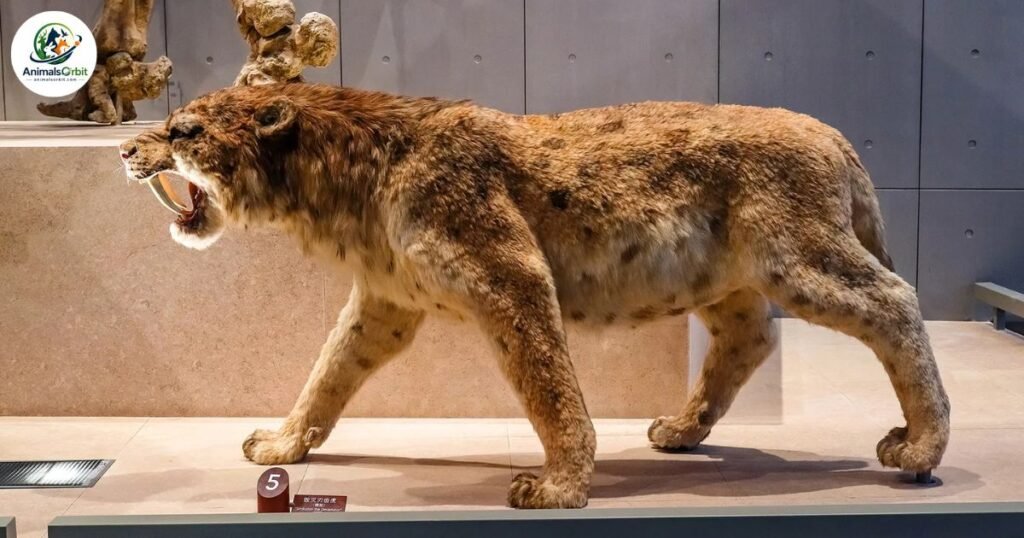
In combination with a strong body and grasping forelimbs, this dental adaptation helped saber-toothed cats capture and restrain large prey. It made them highly specialized Ice Age predators, equipped to tackle animals that required more than speed alone. Their hunting approach reflects a close match between tooth shape, muscle power, and prey.
Fun fact: Saber-toothed cats are not closely related to modern tigers.
Read May Also: Top 18 Animals With Sharp Claws (With Images)
Conclusion
Animals with sharp teeth are more than weapons: they are specialized tools shaped by what an animal eats, how it hunts, and how it protects itself. From living predators to extinct hunters, different tooth designs reveal how animals fit into food webs and help keep ecosystems functioning. Protecting wildlife means protecting the habitats and prey these species depend on, too. A practical first step is to learn which predators live in your region and support local habitat-conservation efforts.
FAQs
What are Animals with Sharp Teeth?
They are animals whose pointed, curved, or serrated teeth help them grip prey, tear food, crush bones, or defend themselves. The brief does not define a scientific category or list every animal that fits it.
What is the reason that there are Sharp-Teeted Animals?
Sharp teeth can help animals catch prey, grip food, tear meat, crush bones, and defend themselves. Which function matters depends on the animal’s diet and natural environment.
Do Animals change their Sharp Teeth?
Some do. Sharks continuously replace lost teeth, and crocodilians grow new teeth throughout life. Mammals such as lions and tigers generally keep their adult teeth, which may wear down with age.
Which Animals have Sharp Teeth and Claws?
Many predators have both. Big cats like lions, tigers, leopards, and jaguars are the best-known examples. Bears, wolves, hyenas, crocodiles, Komodo dragons, and eagles (talons instead of claws) also have sharp teeth and claws for hunting and defense.