Top 22 Chubby Animals in The World (With Pictures)
A round body can be more than a cute chubby animals feature; it can help an animal meet the demands of its habitat. Penguins and seals, for example, carry insulating fat that helps limit heat loss in cold environments, while other animals have stocky shapes suited to their own ways of life. Explore 22 chubby animals in the world, see what makes each one distinctive, and learn how their builds support survival.
List of Chubby Animals in The World
Below is the list of chubbiest animals in the world:
| Number of Animals | Names of Chubby Animals in The World |
| 1 | Hippopotamus |
| 2 | Manatee |
| 3 | Seals |
| 4 | Guinea Pig |
| 5 | Whales |
| 6 | Giant panda |
| 7 | Dolphin |
| 8 | Pallas’s Cat |
| 9 | Rhinoceros |
| 10 | Fat-tailed Lemur |
| 11 | Hedgehog |
| 12 | Elephants |
| 13 | Persian Cat |
| 14 | Gaur |
| 15 | Sea Lions |
| 16 | Capybara |
| 17 | Polar Bears |
| 18 | Red Panda |
| 19 | Wombat |
| 20 | Sea Otter |
| 21 | Hamster |
| 22 | Penguin |
Hippopotamus
Scientific Name: Hippopotamus amphibius
Class: Mammalia
Diet: Herbivore
The hippopotamus is a striking example of how a chubby-looking body can suit a demanding lifestyle. Its broad, heavy shape and thick skin are well suited to a semi-aquatic life: water supports its weight and helps prevent overheating, while time on land gives it access to grass for grazing.
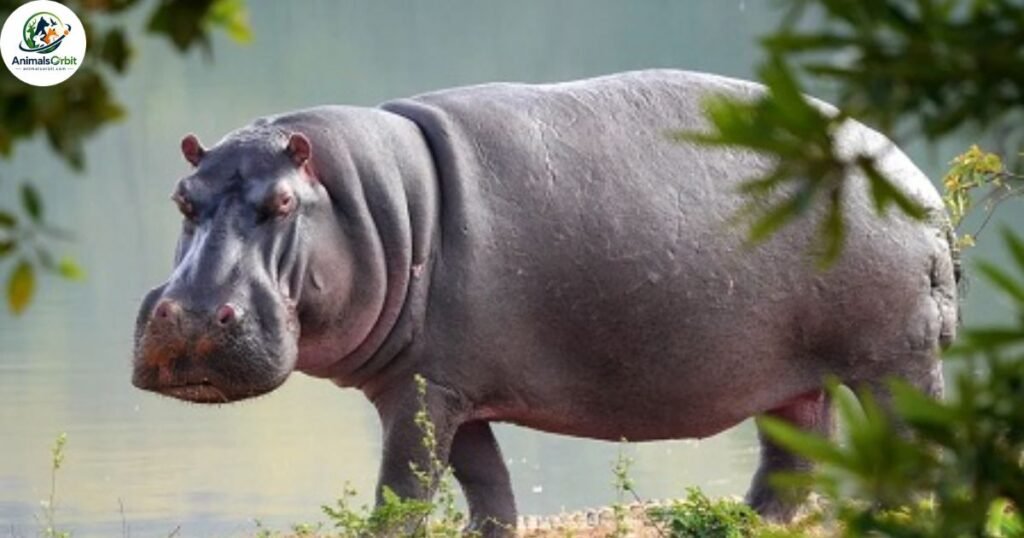
Hippos are strong underwater movers, using powerful limbs to push along the riverbed rather than swimming continuously at the surface. They can surface to breathe and then submerge again, and they commonly gather in groups in rivers and lakes. These water habits, combined with their substantial bodies, help hippos rest and stay cool by day before grazing on land at night.
Manatee
Scientific Name: Trichechus
Class: Mammalia
Diet: Herbivore
Manatees are large, rounded aquatic mammals with a famously gentle nature and a slow-moving lifestyle. These herbivores spend much of their time grazing on seagrass and other aquatic plants, using their broad, flexible lips to gather vegetation from the water.
As manatees feed, they help shape aquatic habitats and support the balance of seagrass ecosystems. Protecting the coastal and freshwater environments they rely on is essential to preserving both manatees and the habitats they share with other wildlife.
Seals
Scientific Name: Pinnipedia
Class: Mammalia
Diet: Carnivore
Seals are chubby marine animals with rounded bodies and a thick layer of blubber beneath the skin. This insulating layer helps them retain body heat in cold water, while also serving as stored energy when food is less available.
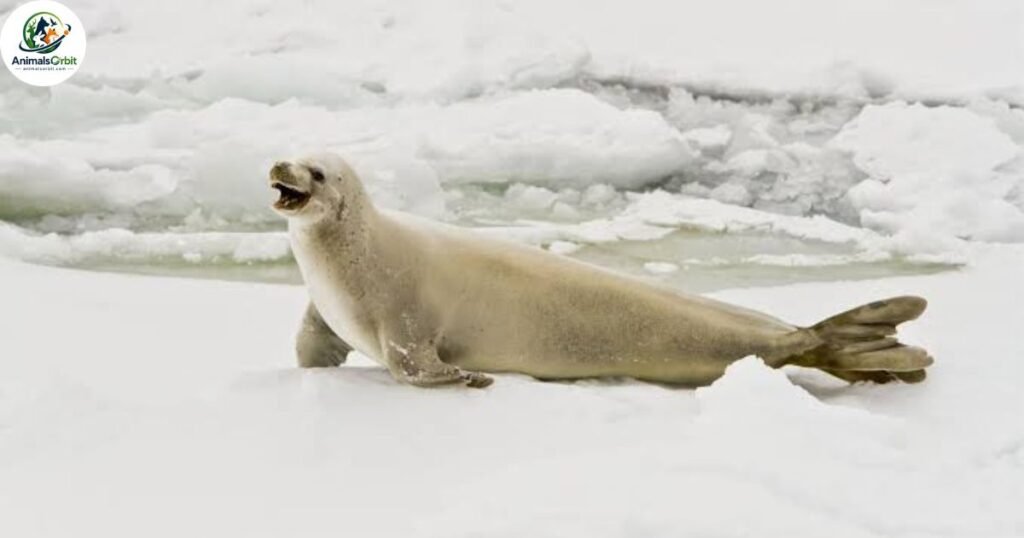
Many seals gather on shore or ice to rest, sometimes lying close together in groups. Their social behavior varies by species and setting, and they use vocal sounds such as calls and barks to communicate with one another. These adaptations help seals thrive in chilly marine environments.
Guinea Pig
Scientific Name: Cavia porcellus
Class: Mammalia
Diet: Herbivore
Guinea pigs are naturally round-bodied little companions, with soft fur and expressive faces that make their chubby shape especially endearing. They communicate through distinctive sounds, from excited wheels to gentle purrs, and often show their playful side by exploring, scampering, or hopping about.
These social animals generally do best with companionship, so plan for regular interaction and, where suitable, the company of another guinea pig. A healthy guinea pig diet depends on plenty of hay, along with fresh vegetables. Together, companionship, a nourishing diet, and room to play help support their everyday well-being.
Whales
Class: Mammalia
Diet: Mostly carnivore
Whales are massive marine mammals, and their rounded bodies are wrapped in a thick layer of blubber. This fatty tissue helps insulate them in cold water and stores energy that can sustain them during long migrations, when feeding opportunities may be limited. Their size and shape are part of what makes whales so well adapted to life in the ocean.
Whales also use vocalizations to communicate, and many show social behaviors such as traveling in groups or cooperating while hunting. Some species coordinate their movements to help gather prey, while others leap, splash, or roll at the surface. These playful-looking movements add another dimension to the lives of these remarkable ocean animals.
Giant panda
Scientific Name: Ailuropoda melanoleuca
Class: Mammalia
Diet: Herbivore
Giant pandas are famously chubby, with rounded bodies, thick limbs, and dense black-and-white fur. Their sturdy build and strong jaws help them chew bamboo, which makes up most of their diet. Because bamboo provides relatively little energy, pandas spend much of the day eating and consume large quantities to meet their needs.
Pandas also have natural adaptations for handling their food: an enlarged wrist bone works like a thumb to help grip bamboo stalks, while powerful teeth break them down. Though they look bulky, giant pandas are capable climbers and may climb trees for rest or refuge. Protecting pandas and their forest habitat matters because conservation helps safeguard this distinctive species and the ecosystems it depends on.
Dolphin
Class: Mammalia
Diet: Carnivore
A dolphin’s rounded body is streamlined for life in the ocean, while its blubber provides insulation against cold water. This layer helps dolphins retain body heat and supports their survival in chilly marine environments.
Dolphins are also known for playful behavior and intelligence. Their powerful, flexible bodies let them leap and turn in acrobatic movements, making their time at the surface a striking display of life in the water.
Pallas’s Cat
Scientific Name: Otocolobus manul
Class: Mammalia
Diet: Carnivore
With a stocky body, short legs, and an exceptionally thick coat, the Pallas’s cat is adapted to the cold habitats of Central Asia. Its fur gives it a round, chubby appearance while insulating it against harsh conditions. Muted coat colors help the cat blend into rocky slopes and dry grasslands, making it harder to spot against the landscape.
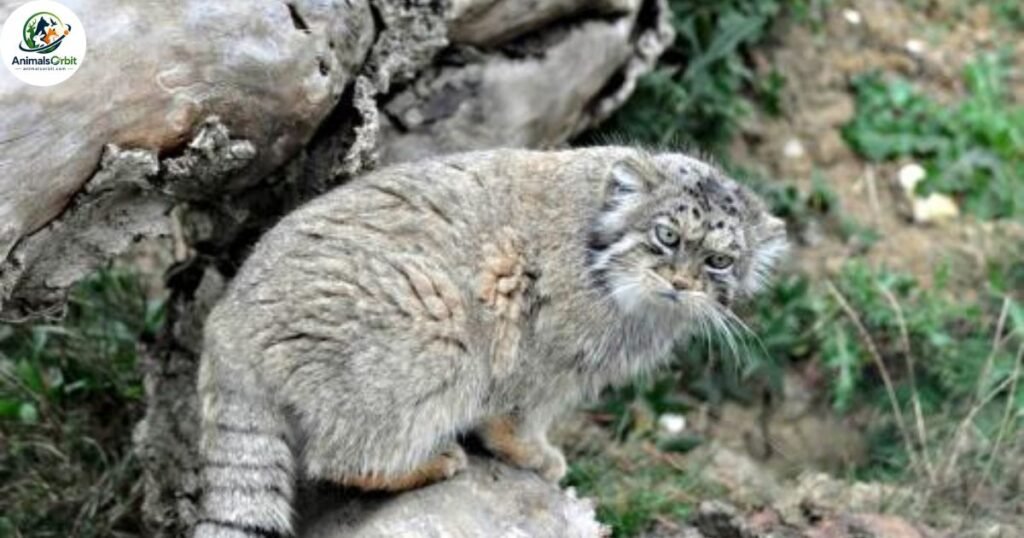
Pallas’s cats generally live and hunt alone. Rather than chase prey over long distances, they rely on stealth: staying concealed, approaching low to the ground, and pouncing when a small animal comes within reach. This combination of camouflage and ambush hunting suits a solitary cat living across exposed terrain.
Rhinoceros
Class: Mammalia
Diet: Herbivore
Rhinoceroses are among the largest, most powerfully built wild animals, with broad, stocky bodies that can look almost chubby. Their thick skin offers protection, though it is sensitive and can be vulnerable to sun and insects. Many rhinos graze on grasses, using their size and feeding habits to help shape grasslands and maintain a mix of vegetation that supports other wildlife.
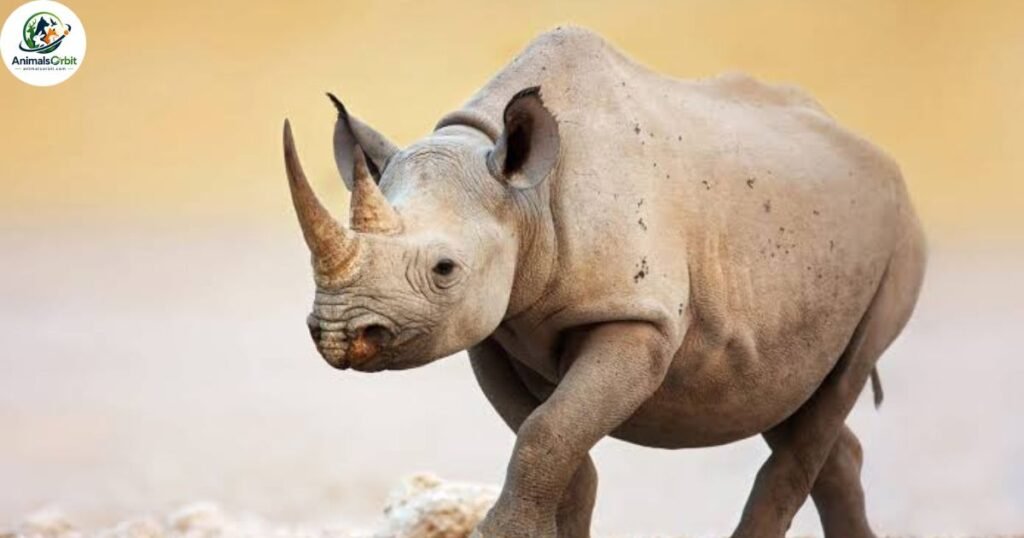
Rhinos are adapted to the habitats they live in, from open grasslands and savannas to wooded areas. Their grazing needs make healthy habitat essential, while poaching threatens them directly. Protecting rhinos means safeguarding them from illegal hunting and preserving the landscapes they depend on.
Fat-tailed Lemur
Scientific Name: Cheirogaleus medius
Class: Mammalia
Diet: Omnivore
The fat-tailed lemur is a chubby animal with an unusual survival strategy: it stores fat in its thick tail. Native to Madagascar’s dry forests, this small, nocturnal primate can draw on those reserves during the dry season, when food is scarce, and may spend extended periods dormant. Its tail is more than a distinctive feature; it helps the lemur endure seasonal shortages.
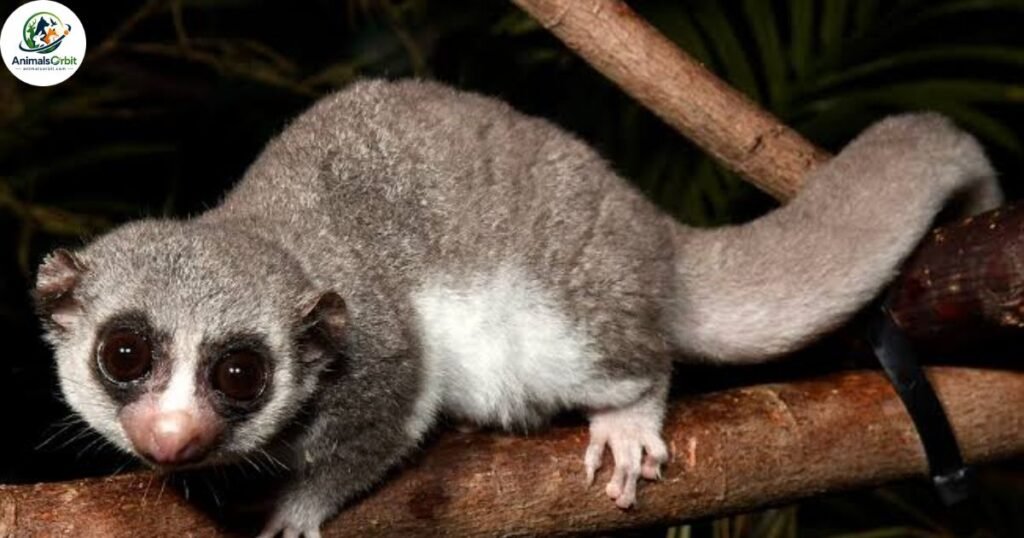
Despite its rounded shape, the fat-tailed lemur is an agile climber, moving through trees to find fruit, flowers, nectar, and insects. It generally forages alone, though individuals may share sleeping sites, making its social life a mix of solitary activity and close quarters at rest.
Hedgehog
Class: Mammalia
Diet: Omnivore
A hedgehog’s rounded body gives it a famously chubby appearance, while its sharp-looking spines make it easy to recognize. Those spines are part of a practical defense: when danger approaches, the hedgehog can curl tightly into a ball, covering its softer underside and face.
By turning its exposed surface into a prickly shield, a hedgehog may deter predators and reduce its risk in the wild. This protective behavior helps explain how a small, slow-moving animal can defend itself when it cannot simply outrun a threat.
Elephants
Class: Mammalia
Diet: Herbivore
An elephant’s enormous, rounded body requires careful ways to manage both energy and heat. Body big fat animals stores energy that can help sustain the animal when food is limited, while its broad, muscular frame supports its great size. Its large ears play a different role: blood flowing close to the skin can lose heat, and ear-flapping helps move warm air away from the body.
Elephants are also highly social. Female relatives and their young often form matriarchal herds, guided by an older female, and close family bonds help keep the group together. These social ties, alongside their physical adaptations, shape how elephants live and care for the next generation.
Persian Cat
Scientific Name: Felis catus
Class: Mammalia
Diet: Carnivore/Omnivore
A Persian cat’s signature appearance comes from more than its long, fluffy coat: this breed is naturally chubby animals round-bodied, with a round face and a compact, stocky build. Persians are often calm and affectionate, enjoying gentle companionship and a relaxed home environment.
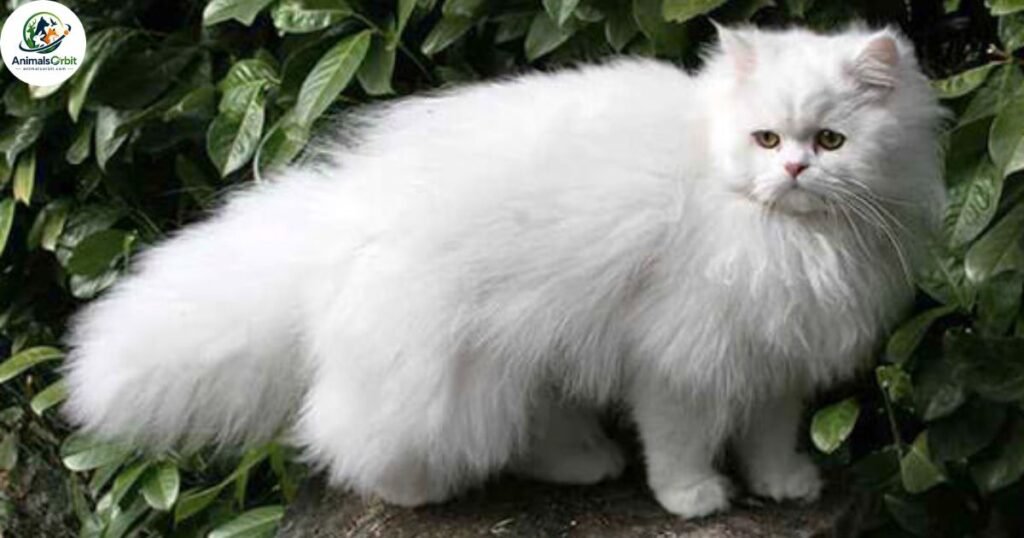
Routine grooming is important for keeping the coat in good condition. Pair it with a balanced diet and regular play to support overall health and encourage movement. These simple parts of daily care help meet a Persian cat’s needs while preserving the plush, well-kept appearance the breed is known for.
Gaur
Scientific Name: Bos gaurus
Class: Mammalia
Diet: Herbivore
The gaur is one of the world’s largest wild cattle, with a massive, muscular body and a high shoulder hump that gives its back a distinctive sloping profile. Adults typically have a dark brown to nearly black coat, while the lower legs are often lighter. Its sturdy frame, strong limbs, and thick neck help it move through dense forest and across open grassland while feeding on a varied diet of grasses, leaves, and shoots.
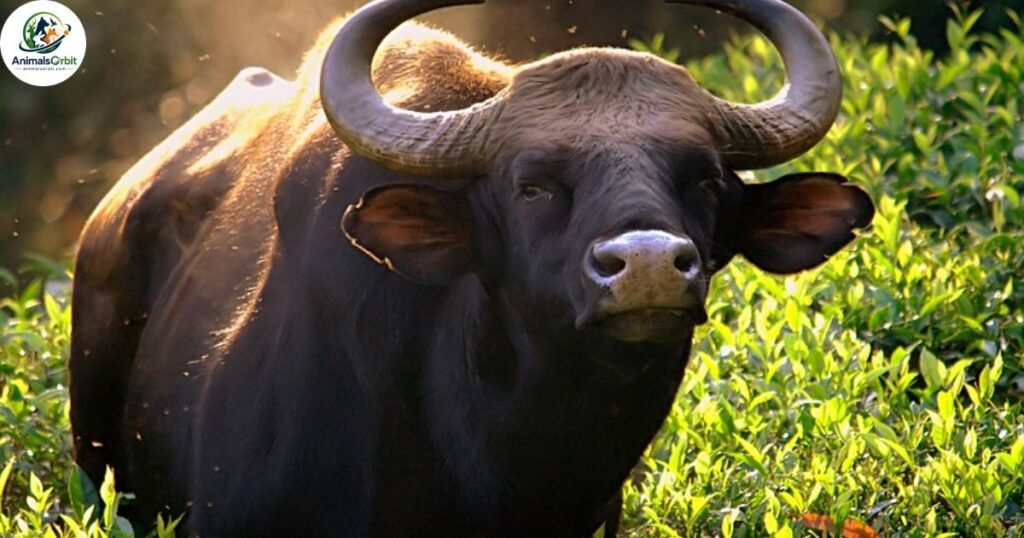
Gaurs generally live in herds, often made up of females and their young and led by an experienced female. Adult males may join these groups or spend time alone or in smaller bachelor groups. This flexible social structure helps gaurs use different habitats and stay together as they travel between feeding areas.
Sea Lions
Class: Mammalia
Diet: Carnivore
Sea lions are chubby marine animals with rounded bodies and a layer of blubber that helps insulate them in cold water. Their streamlined shape and powerful front flippers make them strong swimmers, while their ability to dive lets them pursue food beneath the surface. When they come ashore, flexible flippers help them prop themselves up and move across land, an ability that distinguishes sea lions from many other seals.
Sea lions are also intelligent and social, often gathering in groups and interacting through a range of vocalizations. Their rounded build may look ungainly on land, but their powerful flippers and diving skills reveal how well adapted they are to life in and out of the water.
Capybara
Scientific Name: Hydrochoerus hydrochaeris
Class: Mammalia
Diet: Herbivore
Capybaras are chubby-looking rodents with large, rounded bodies and short legs, built for life in the wetlands of South America. They are semi-aquatic: partially webbed feet help them paddle, and they are strong swimmers that can slip into the water to escape danger or stay cool.
These herbivores feed mainly on grasses and aquatic plants, linking wetland vegetation to the animals that eat capybaras. They are also highly social, living in groups that gather to graze, rest, and keep watch. Their feeding and presence make them a familiar part of South American wetland ecosystems.
Polar Bears
Scientific Name: Ursus maritimus
Class: Mammalia
Diet: Carnivore
Polar bears are massive, bulky Arctic animals, and their thick fur and deep layer of blubber help them withstand freezing conditions. Fur traps insulating air close to the body, while blubber helps conserve heat and provides an energy reserve when food is scarce. Their powerful build also supports long swims and life on the sea ice.
Polar bears mainly hunt seals, often waiting near breathing holes or searching for prey on the ice. Mothers give birth to cubs in sheltered snow dens and care for them through their vulnerable early months; as the cubs grow, they develop the strength and skills needed to travel and hunt. Climate change is reducing and reshaping sea ice, the bears’ essential habitat and hunting platform, making access to prey more difficult.
Red Panda
Scientific Name: Ailurus fulgens
Class: Mammalia
Diet: Herbivore
With round faces, reddish fur, and thick, bushy tails, red pandas have a distinctive, plush look. Their rounded bodies may seem chubby, while their strong climbing skills reveal how well suited they are to forest life: red pandas use their claws to climb trees, where they can rest and move among branches. They inhabit cool mountain forests in parts of the Himalayas and southwestern China, often where bamboo grows beneath the trees.
Red pandas eat primarily bamboo and usually live alone, meeting others mainly during breeding periods. They communicate with scent cues and a variety of vocalizations, including short whistles and squeaks. Habitat loss reduces the forest cover and food sources they need, while climate change can alter the conditions of their mountain habitat. These pressures make conservation of red panda forests especially important.
Read May Also: Top 25 Skinny Animals in the World: Complete Guide
Wombat
Scientific Name: Vombatus ursinus
Class: Mammalia
Diet: Herbivore
Wombats are stocky, chubby Australian marsupials built for life close to the ground. Their powerful shoulders and sturdy claws help them dig deep burrows in habitats such as forests, grasslands, and heathlands. These underground homes offer shelter from heat and predators, while wombats’ mostly nocturnal habits help them avoid the hottest parts of the day. They may also forage in daylight when conditions are cool.
A wombat’s distinctive cube-shaped droppings play a role in territory marking: the shape helps the droppings stay put on rocks and logs, where their scent can signal a wombat’s presence. Wombat burrows can also provide shelter for other animals, making these diggers important members of their ecosystems. Protecting wombats and their habitat matters for Australia’s native wildlife and the ecological roles these animals perform.
Read May Also: Top 20 Cleanest Animals in The World (With Pictures)
Sea Otter
Scientific Name: Enhydra lutris
Class: Mammalia
Diet: Carnivore
With rounded bodies and exceptionally dense fur, sea otters are well adapted to chilly coastal waters. They keep warm by grooming their coat, which traps insulating air, and often rest at the surface while floating on their backs. Their chubby appearance belies a lively routine of diving, feeding, and caring for their fur.
Sea otters eat a varied diet of marine invertebrates, including shellfish and sea urchins. To reach the food inside a hard shell, an otter may balance a rock on its chest and use it to crack the shell open. By feeding on sea urchins, sea otters can help limit grazing pressure on kelp, supporting the growth of kelp forest habitat and the many animals that depend on it.
Read May Also: Top 20 Christmas Animals: Animals Associated With Christmas
Hamster
Class: Mammalia
Diet: Omnivore
Hamsters are small, round-bodied animals whose naturally stocky shape gives them a chubby appearance. Their most distinctive foraging tool is a pair of expandable cheek pouches: they can fill these pockets with food and carry it back to a nest or burrow, where they store supplies for later. This habit helps hamsters make the most of food they find while foraging, rather than needing to eat it all in one place.
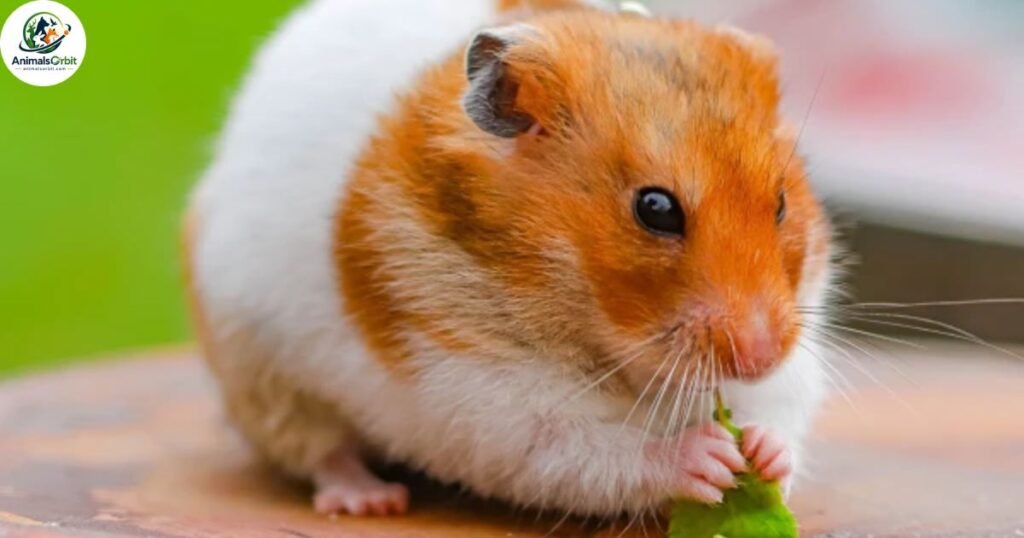
Many hamsters also dig or use burrows for shelter and nesting. Underground spaces offer a place to rest and keep food stores, while playful activities such as exploring and running let them investigate their surroundings. Together, carrying food, storing it, and retreating to a burrow help these small animals meet everyday needs and stay sheltered.
Read May Also: Rainforest Animals List: Guide About Tropical Rainforest Animals
Penguin
Class: Aves
Diet: Carnivore
A penguin’s chubby appearance reflects a body built for insulation, not simply a thick coat. Blubber helps reduce heat loss, and dense, waterproof feathers trap insulating air while shielding the bird from cold water. Rounded bodies and streamlined shapes help penguins balance warmth on land with efficient movement at sea, where their flipper-like wings power their swimming.
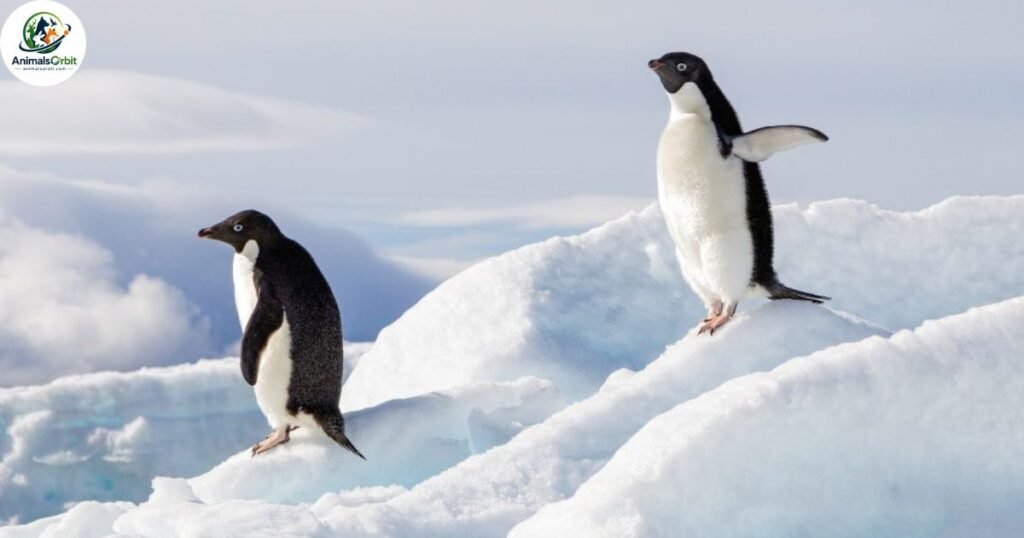
For emperor penguins, survival also depends on cooperation and careful parenting. They live in large colonies, and males keep eggs warm on their feet under a skin fold while females travel to feed. Climate-related changes to Antarctic sea ice can disrupt breeding areas and affect access to prey, making habitat change an important conservation concern for these distinctive birds.
Read May Also: Explore Top 27 Most Shy Animals (With Pictures)
Conclusion
The 22 chubby animals in the world show that a rounded body can serve many purposes from storing energy and staying warm to supporting life in water or harsh climates. Each species also plays a part in its ecosystem, so protecting these animals means protecting the habitats and natural relationships they depend on. Start by supporting a reputable conservation group or learning how habitat loss and climate change affect wildlife near you.
FAQs
What is the Chubbiest Animal in the World?
The brief doesn’t identify the chubbiest animal. It says the blue whale is considered one of the world’s largest and heaviest animals.
What Animals are naturally Chubby?
Pandas, walruses, hippos, and puffins are often discussed in connection with naturally rounded bodies. Rounded shapes, fat reserves, insulation, and other natural adaptations can help animals survive.
What is the Fluffiest Animal ever?
The Angora rabbit is considered one of the fluffiest animals. Its exceptionally long, soft wool gives it a notably fluffy appearance. That wool is a defining feature of the Angora rabbit’s fluffy look. Angora rabbits need grooming, though specific grooming instructions aren’t provided.