
Explore Top 11 Animals With Quills (With Images)
A quill-covered animal can deter a predator without chasing it or fighting back. From porcupines to hedgehogs, these spines are part of a remarkable range of defenses shaped by each animal’s behavior and environment. Meet 11 fascinating animals with quills, and discover where they live, how they protect themselves, and what roles they play in their ecosystems.
List of Animals With Quills
Below is the animals with quills list
| Number of Animals | Types of Animals with Quills |
| 1 | Indian Crested Porcupine |
| 2 | Echnida |
| 3 | Old World Porcupine |
| 4 | Hedgehogs |
| 5 | North American Porcupine |
| 6 | Thorny Devil Lizard |
| 7 | Sea Urchin |
| 8 | Pufferfish |
| 9 | African Brush‑tailed Porcupine |
| 10 | Lowland Streaked Tenrec |
| 11 | Spiny rats |
Indian Crested Porcupine
Scientific name: Hystrix indica
Class: Mammalia
The Indian crested porcupine is a large, mostly nocturnal rodent whose most striking adaptation is its coat of sharp, detachable quills modified hairs that grow back after they are lost. When threatened, it raises its quills, rattles them, stamps its feet, and may back toward an attacker. The display warns predators away; the porcupine does not shoot its quills.
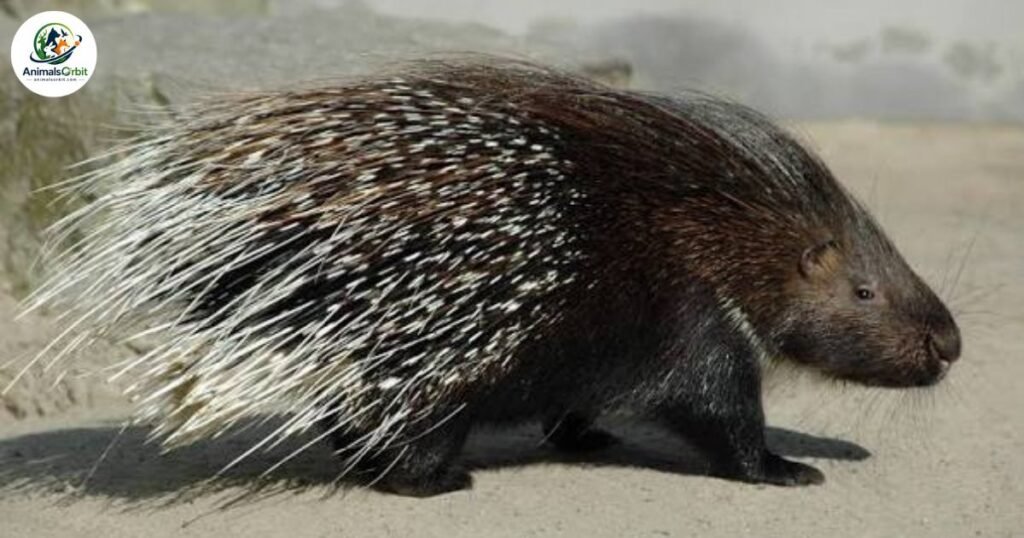
After dark, it searches for roots, tubers, bulbs, fallen fruit, seeds, and other plant material, sometimes including crops. It shelters in burrows and may forage alone or with a mate. By moving and eating fruits and seeds, it may help carry seeds through its habitat, though the extent of its seed-dispersal role needs local evidence.
Echnida
Scientific name: Tachyglossus aculeatus
Class: Mammalia
The echidna is a distinctive egg-laying mammal, protected by sharp quills and equipped with a long snout and an exceptional sense of smell. It uses that snout to search for ants and termites, then extends a long, sticky tongue lined with tiny spines to capture its prey.

Echidnas live in a range of habitats, from forests and woodlands to open, dry country. Their digging and insect-eating help shape the environments they occupy, making them more than just unusual residents of the landscape.
Old World Porcupine
Scientific Hystricidae
Class: Mammalia
From forests and scrublands to rocky ground and other dry habitats, Old World porcupines occupy a broad range across Europe, Asia, and Africa. They are robust rodents with short legs, strong claws, and dense coats bearing protective quills. When danger approaches, they may lift or rattle these quills and face the threat with their spiny backs; the quills are a close-range defense, not projectiles.

A powerful body and digging claws help many Old World porcupines make or use burrows, offering shelter from threats and harsh conditions. Their plant-based diet includes foods such as roots, bark, leaves, and fruit, with the mix varying according to what is available. By feeding on vegetation and disturbing the ground as they dig, porcupines play a part in their local ecosystems. Their defenses and sheltering habits are adaptations that support life in habitats with very different conditions.
Hedgehogs
Scientific name: Erinaceus europaeus
Class: Mammalia
Hedgehogs are small mammals whose backs are covered in stiff, protective spines. When threatened, they draw in their head and limbs and curl into a tight ball, presenting their spines as a barrier to predators.
Most hedgehogs are nocturnal, resting during the day and searching for food at night. They eat insects and other small invertebrates, and live in habitats that provide places to shelter and forage. By feeding on these small animals with quills, hedgehogs play a part in maintaining ecosystem balance.
North American Porcupine
Scientific name: Erethizon dorsatum
Class: Mammalia
The North American porcupine is best known for its quills, which are modified hairs with tiny backward-facing barbs. The quills detach readily when they meet a threat, making them an effective defense; despite a common misconception, porcupines do not shoot them. A porcupine may also use its teeth and strong claws to discourage an attacker, then retreat into a tree or sheltered spot.

Mostly nocturnal and generally solitary, this slow-moving rodent inhabits forests and wooded areas across North America. It is an herbivore, eating leaves, twigs, and other plant material, and it often feeds on tree bark, especially when other foods are less available. By browsing on woody plants, porcupines influence forest vegetation and contribute to woodland food webs.
Thorny Devil Lizard
Scientific name: Moloch horridus
Class: Reptilia
In Australia’s dry interior, the thorny devil’s spiny, mottled body serves more than one purpose. Its coloring helps it disappear into the desert landscape, while its spikes provide a protective barrier and can make it difficult for a predator to swallow. A raised, false head on its neck offers another defensive distraction.

The lizard’s scales form a network of narrow channels that can gather rainwater and dew and carry it toward its mouth. This unusual way of collecting moisture helps the thorny devil make use of water wherever it can find it. Alongside its camouflage and defenses, the channels are part of how this distinctive lizard survives in a harsh, water-scarce environment.
Read May Also: Top 13 Animals With No Tails: Tailless Species, Facts, Habitats & Behavior
Sea Urchin
Scientific name: Strongylocentrotus purpuratus
Class: Echinoidea
Sea urchins are spiny marine animals found in habitats ranging from rocky shorelines and kelp forests to coral reefs and the deep sea. Their hard, rounded bodies are covered with movable spines that help deter predators. By shifting and pivoting these spines, an urchin can also brace against surfaces and make its way across the seafloor.
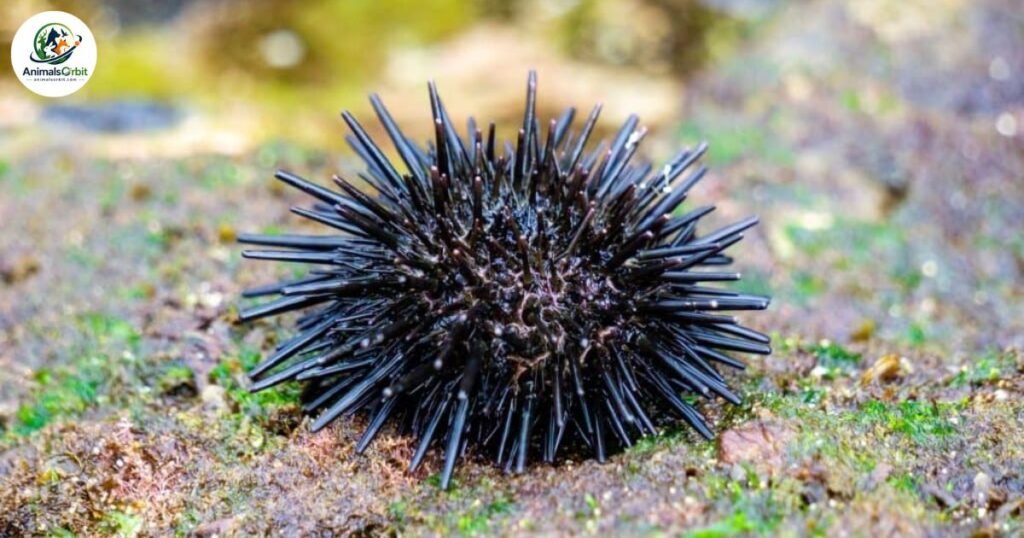
Many sea urchins graze on algae, using a specialized mouthpart to scrape food from rocks. Their feeding can shape the growth of underwater vegetation, making them important participants in marine ecosystems. Their spines, feeding structures, and ability to live in varied habitats help them meet the challenges of life on the ocean floor.
Read May Also: Explore Top 25 Most Energetic Animals (With Pictures)
Pufferfish
Scientific name: Tetraodon nigroviridis
Class: Actinopterygii
Pufferfish are known for their ability to inflate when threatened, taking in water or air to make themselves harder to swallow. In many species, spiny skin adds a physical barrier, especially when the fish is expanded. These defenses can discourage predators without making pufferfish invulnerable.

Some pufferfish also contain tetrodotoxin, a potent chemical defense, but toxicity differs among species and can vary with the tissues examined. The toxin is not present at the same level in every pufferfish, so the group should not be treated as uniformly poisonous. Pufferfish contribute to marine ecosystems through their feeding, and they also serve as prey for predators able to catch or tolerate them, linking their defenses to a broader role in the food web.
Read May Also: Top 18 Mischievous Animals In The World (With Images)
African Brush‑tailed Porcupine
Scientific name: Atherurus africanus
Class: Mammalia
The African brush-tailed porcupine is a nocturnal rodent of African forests, where it forages after dark for fruits, roots, and bark. Its sharp quills help protect it from predators, while a distinctive tail-thumping or rattling sound can serve as a warning when it feels threatened.
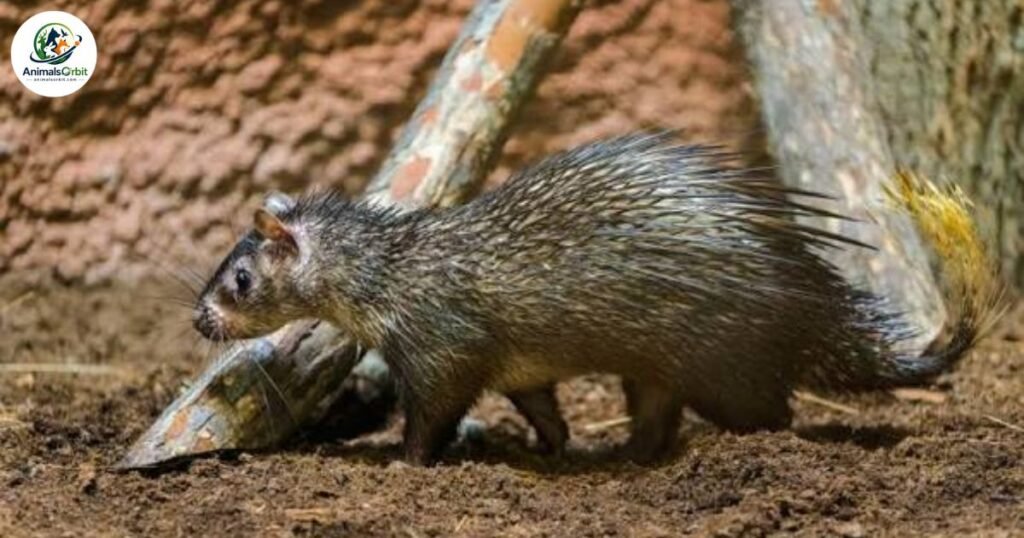
By feeding on forest plants and fruits, the porcupine plays a part in the woodland food web and may help move seeds through its habitat. Its nighttime activity and defensive quills are useful adaptations to forest life, but habitat loss and poaching put pressure on the species. Protecting forest habitat is central to its future.
Read May Also: Top 10 Animals Like Mongoose (Pictures Included)
Lowland Streaked Tenrec
Scientific name: Hemicentetes semispinosus
Class: Mammalia
Among Madagascar’s rainforest-floor animals, the lowland streaked tenrec stands out for its yellow-and-black, spiny coat. As it searches through the undergrowth, it feeds on insects and other small invertebrates, using the forest floor as both feeding ground and sheltering habitat.

The tenrec’s quills are also tools. It can raise them for defense, and specialized animals with quills or spines pictures produce sounds that help the animal communicate. This combination of defensive and signaling adaptations makes its coat more than camouflage: it is part of how the tenrec responds to life in the rainforest.
Read May Also: Facts About Kangaroos: How Strong is a Kangaroo?
Spiny rats
Class: Mammalia
Spiny rats are a diverse group of rodents found in forests and other habitats across Central and South America. Their coats are threaded with stiff, spine-like hairs that can break away when grabbed, making a predator’s attack less straightforward. These animals with quills or spines work alongside other defenses, including hiding in dense cover and retreating through narrow spaces.

Many spiny rats feed on fruits and seeds, sometimes gathering food on the forest floor or among vegetation. By carrying or eating fruit and moving on, they may help disperse seeds, although the role can differ among species. Their feeding, sheltering, and movements make them part of the everyday processes that sustain forest ecosystems.
Read May Also: Top 20 Animals With Flippers (With Pictures)
Conclusion
Animals with quills and spines are more than striking features: they’re survival tools shaped to help different animals avoid predators and thrive in diverse environments. Porcupines, hedgehogs, and other spiny species also contribute to the ecosystems they inhabit, making their well-being part of a larger conservation picture. A practical first step is to support habitat protection in your region and learn which native wildlife depends on it.
FAQs
What is a small mammal with quills?
Hedgehogs are well-known small mammals with quills. Their protective spiny coats help defend them. When threatened, they curl into a tight ball. These adaptations help protect them from predators.
What animal is also known as a quill pig?
A porcupine is a small mammal known as a quill pig. Its distinctive quills are protective. Porcupines are nocturnal, meaning they are active at night. They are herbivores and eat plants. They live in diverse habitats; specific habitat examples aren’t provided.
What animal has a lot of quills?
The porcupine is known for having many protective quills. Its body is spiny, and the quills are a defensive adaptation. They help protect it from predators. More detail about the quills is not provided.