Top 18 Mischievous Animals In The World (With Images)
Meet 18 mischievous animals in the world and explore the clever behaviors behind their antics, with images to help bring each one to life. Their playful curiosity can also reveal how animals adapt to their surroundings and use intelligence and instinct to meet everyday challenges.
List of Mischievous Animals In The World
Below is the list of mischievous animals:
| Number of Animals | Names of Animals that are Mischievous |
| 1 | Capuchins |
| 2 | Raccoons |
| 3 | Seagulls |
| 4 | Pigs |
| 5 | Elephants |
| 6 | Chimpanzees |
| 7 | Ravens |
| 8 | Macaques |
| 9 | Dogs |
| 10 | Goats |
| 11 | Squirrels |
| 12 | Bears |
| 13 | Ferrets |
| 14 | Dolphins |
| 15 | Otters |
| 16 | Coyotes |
| 17 | Crows |
| 18 | Cats |
Capuchins
Class: Mammalia
Diet: Omnivore
A capuchin’s playful side can show up in food-stealing and tricks, but these behaviors are part of a broader picture: an alert, curious primate that pays close attention to its surroundings and companions. Capuchins use tools, including stones to crack nuts, demonstrating how they can turn objects into solutions.
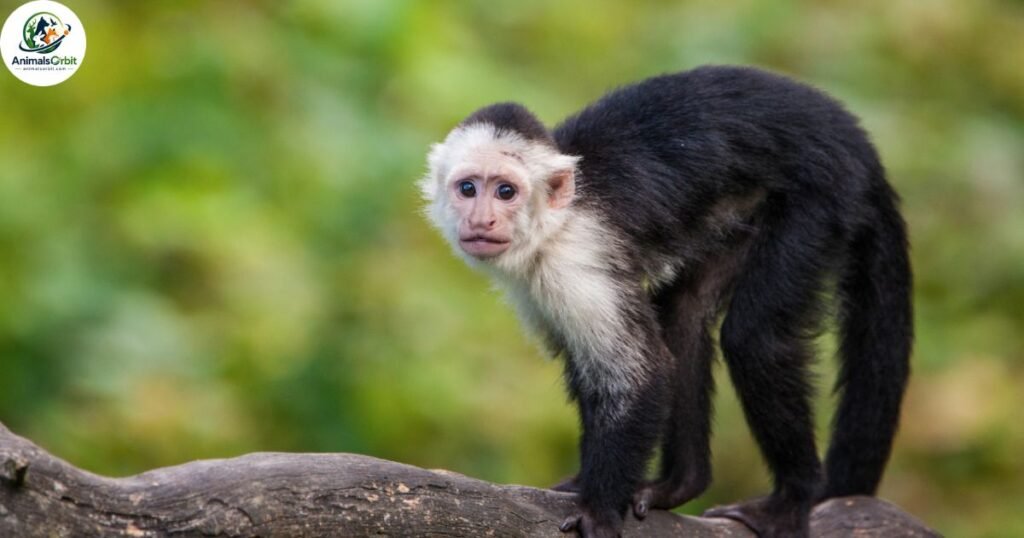
That same problem-solving spirit plays out socially. Capuchins interact in clever ways, and their curiosity encourages them to observe and engage with others. In this way, exploration and play are not just individual pursuits, they can help build stronger social bonds.
Raccoons
Scientific Name: Procyon lotor
Class: Mammalia
Diet: Omnivore
Raccoons are nocturnal animals known for curious, mischievous behavior, including rummaging through trash and trying to open containers. Their dexterous paws help them investigate objects and solve simple problems, while their adaptability allows them to explore a variety of surroundings.
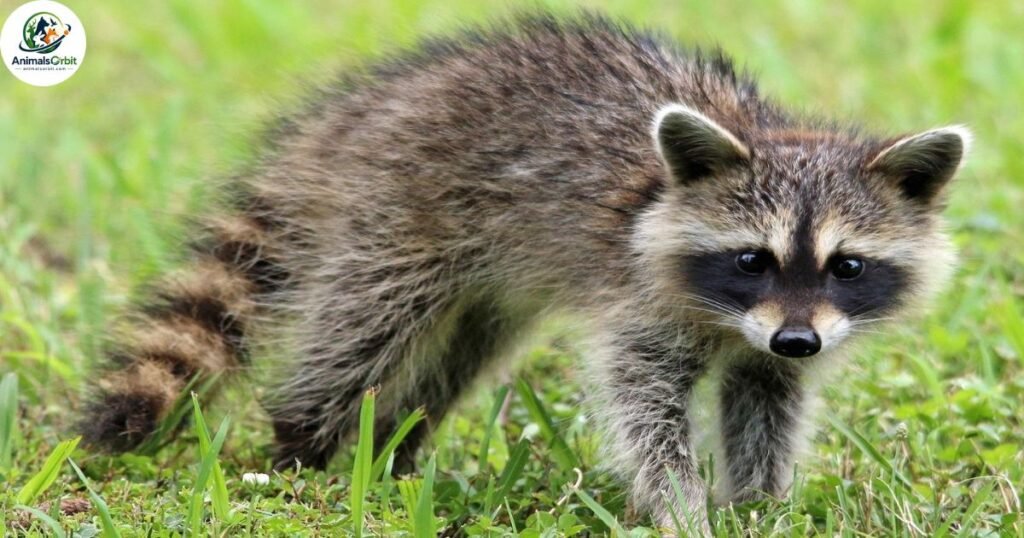
Raccoons also communicate vocally and engage in playful social behaviors. They may chase one another or mock-fight, turning an encounter into a lively exchange rather than a serious confrontation. These interactions offer another glimpse of their inquisitive, active nature.
Seagulls
Class: Aves
Diet: Omnivore
Seagulls are often mischievous neighbors, especially when they spot food left within reach. Their willingness to investigate picnic areas, beaches, and other busy places reflects an adaptable way of finding meals rather than reliance on a single feeding ground.
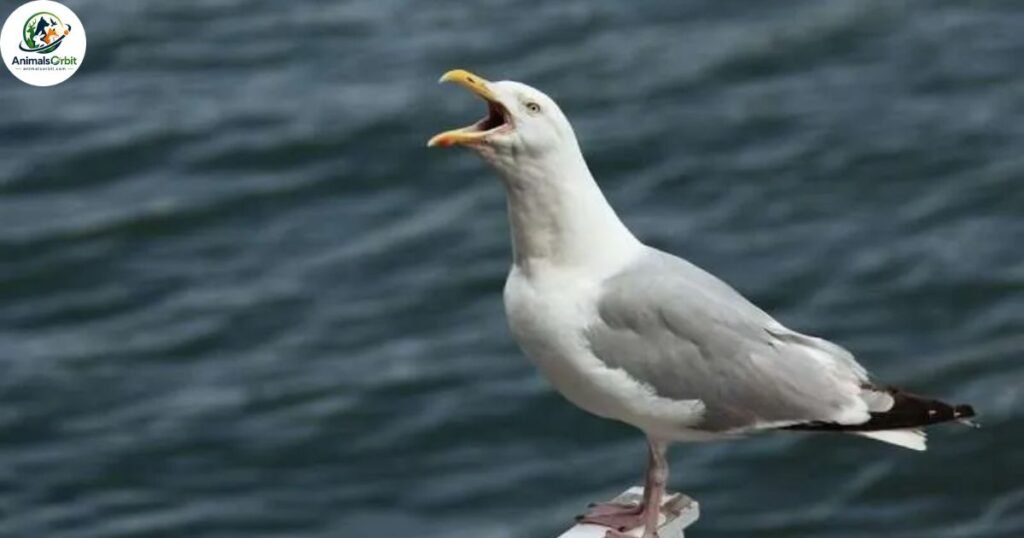
They also forage in social settings, where one bird’s discovery can draw the attention of others. When food is scarce or a familiar tactic fails, seagulls can shift where and how they search. Their changing strategies and close attention to their surroundings reveal the practical intelligence behind their survival instincts.
Pigs
Scientific Name: Sus scrofa domesticus
Class: Mammalia
Diet: Omnivore
Pigs are known for their playful, mischievous personalities. They may roll in mud, explore their surroundings, and root for hidden food, turning ordinary activities into lively discoveries.
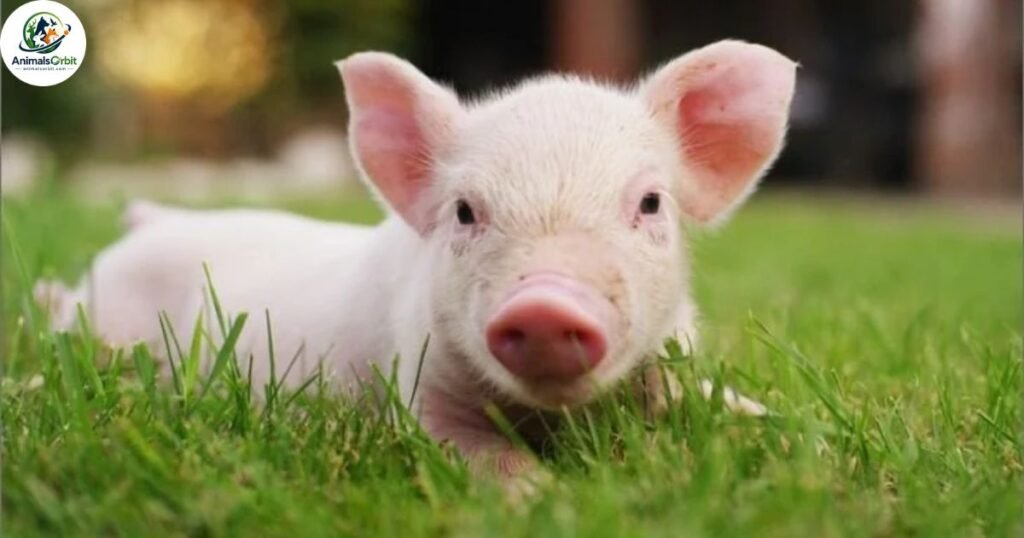
Their interactions are part of the fun: pigs can play with one another while also investigating what is nearby. They are capable of learning tasks such as opening gates, too, revealing a clever side alongside their curiosity and appetite for exploration.
Elephants
Scientific Name for African elephant: Loxodonta africana
Scientific Name for Asian elephant: Elephas maximus
Class: Mammalia
Diet: Herbivore
Elephants are intelligent, curious animals whose play can turn ordinary moments into shared activities. During mud baths, they may splash water, while a branch can become a toy to carry, toss, or explore. They also tease one another, showing how playful behavior is woven into life with the herd.
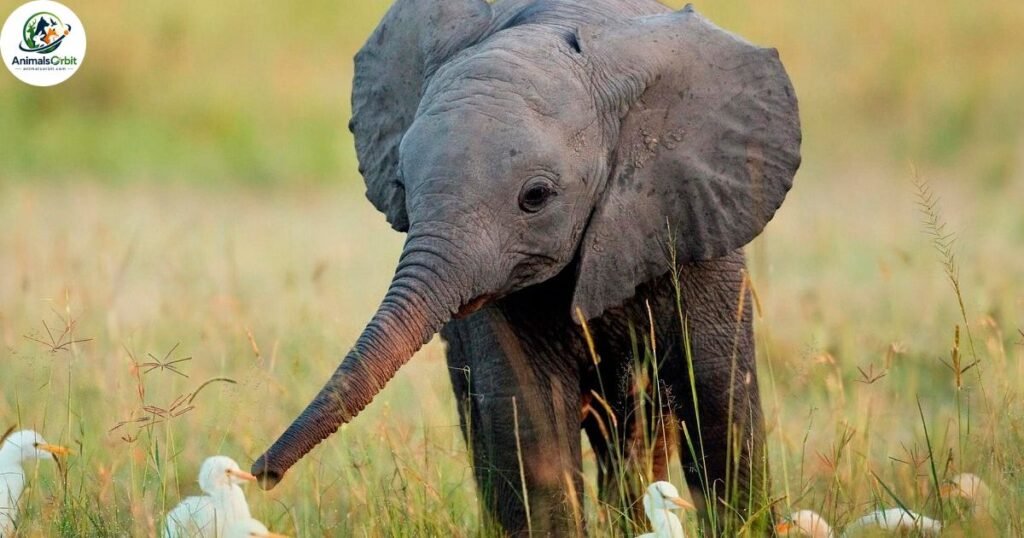
For young elephants, these antics offer chances to interact with herd members and develop relationships. A splash or a playful nudge can invite a response, giving calves opportunities to engage with others. Through these exchanges, play helps strengthen the social bonds that connect the herd.
Chimpanzees
Scientific Name: Pan troglodytes
Class: Mammalia
Diet: Omnivore
Chimpanzees are highly intelligent, curious primates whose play can look mischievous: they may steal tools, stash food, or turn an everyday object into part of a game. Their curiosity often goes hand in hand with problem-solving as they explore objects and learn how they work.
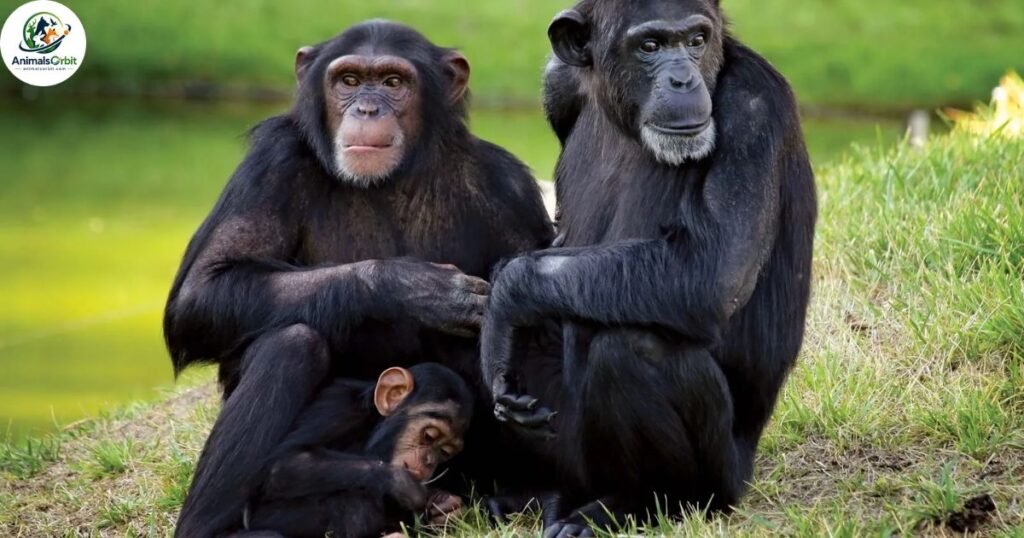
Play also helps chimpanzees build and maintain social bonds. Mock fights, games, and cooperative activities give them opportunities to interact, practice social behaviors, and learn from one another. These playful exchanges are part of the complex relationships that shape life in a chimpanzee community.
Ravens
Scientific Name: Corvus corax
Class: Aves
Diet: Omnivore
Ravens are remarkably curious birds, often investigating unfamiliar objects and testing what they can do. They can solve problems and use tools, adapting their approach when a task calls for a different strategy. This resourcefulness reflects more than quick reactions: ravens explore, learn, and find creative ways to meet challenges.
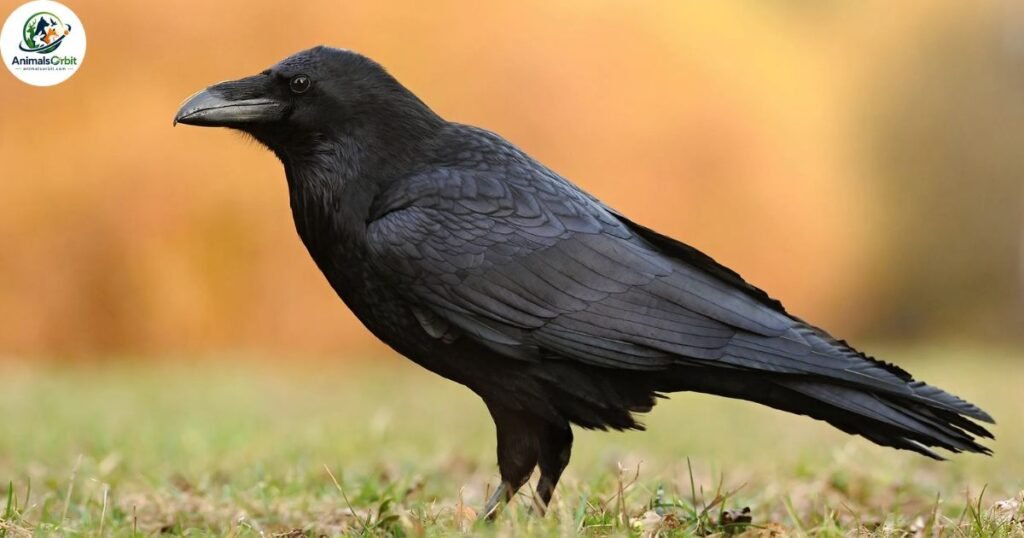
Their curiosity can also take a mischievous turn. Ravens may steal interesting objects or play with other animals, turning their surroundings into a source of amusement and discovery. These playful antics, alongside their ability to learn and adapt, offer a glimpse of the clever minds behind their reputation.
Macaques
Scientific Name: Macaca
Class: Mammalia
Diet: Omnivore
Macaques are clever, adaptable primates, often quick to find food in places shaped by people. Their reputation for stealing snacks reflects their ability to notice opportunities and adjust to human environments. In a group, that resourcefulness plays out alongside a lively network of social relationships.
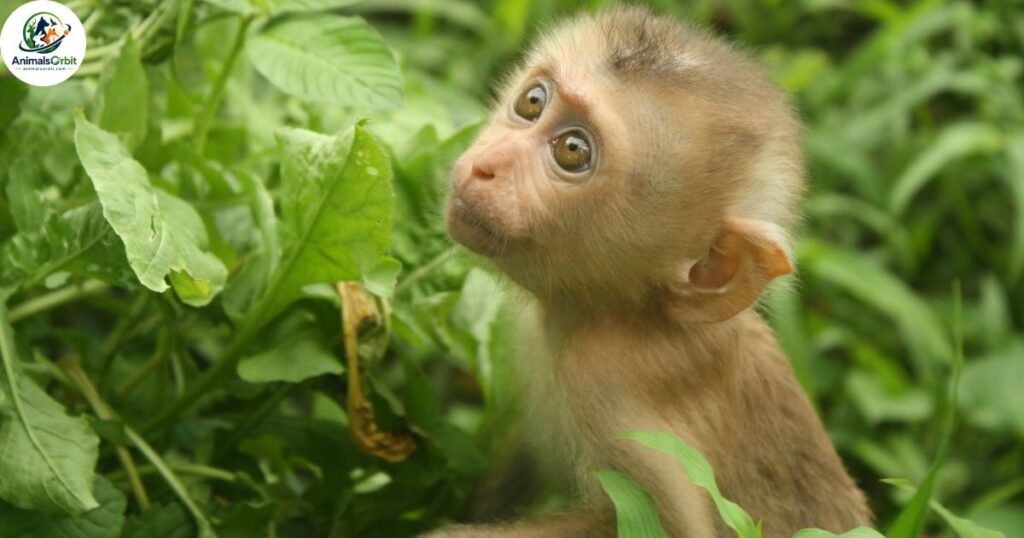
Playful chases, mock scuffles, and other conflicts can help macaques test boundaries and establish social hierarchies. These interactions also give group members chances to engage with one another and strengthen relationships. What looks like mischief may be part of the ongoing social work that holds a macaque group together.
Dogs
Scientific Name: Canis lupus familiaris
Class: Mammalia
Diet: Omnivore / Carnivore-leaning
A dog’s playful mischief can look familiar: socks disappear, treats are sneaked away, objects become chew toys, and toys turn up in unexpected hiding places. These behaviors make daily life entertaining, but they also show how curious and resourceful dogs can be as they investigate their environment and engage with the people and things around them.
Many playful activities draw on abilities associated with dogs’ ancestral hunting instincts. Sneaking toward a toy, chasing it, and coordinating a quick grab can help develop stealth, agility, and coordination. When people join in, play offers more than a chance to burn off energy; it creates a shared activity that supports the companionship dogs are known for.
Goats
Scientific Name: Capra aegagrus hircus
Class: Mammalia
Diet: Herbivore
Goats are naturally curious and remarkably agile, often turning a fence, tree, or rooftop into an opportunity to explore. Their sure-footed climbing and ability to squeeze into unusual places make even ordinary surroundings feel like an adventure. A goat investigating a ledge or testing a narrow opening is putting both its balance and curiosity to work.
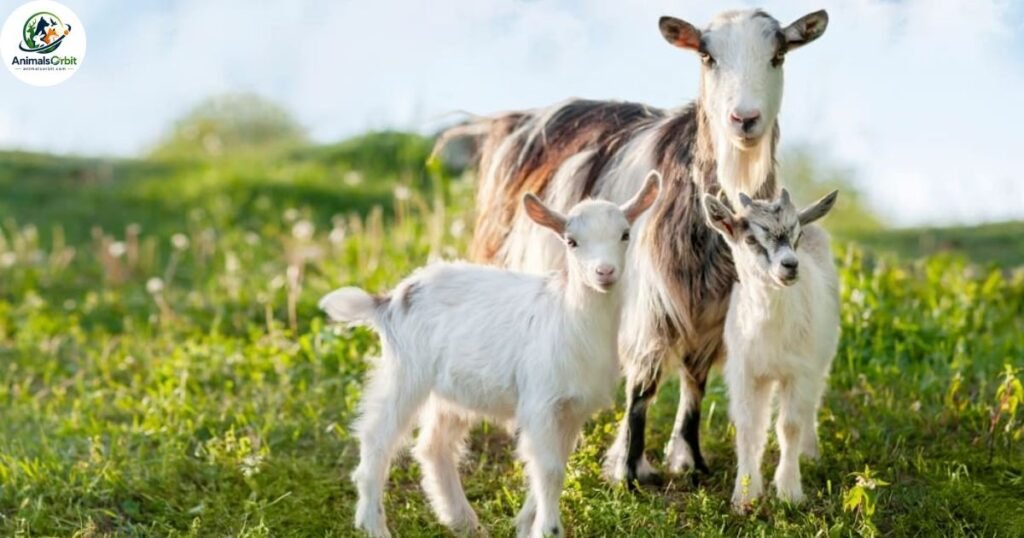
That sense of exploration often becomes a group activity. Goats play, follow one another, and respond to what their companions are doing, making their behavior lively to watch. Their mix of individual boldness and social interaction helps explain why goats are such entertaining animals.
Squirrels
Scientific Name: Sciuridae
Class: Mammalia
Diet: Omnivore
A squirrel’s mischievous reputation comes from more than its antics. When caching food, it may conceal supplies in separate locations or use a decoy burial to mislead a watching rival. Such tactics make its food stores harder to find and help the squirrel keep resources close at hand.

Squirrels are also skilled climbers, darting up trunks and bounding across branches with nimble, playful movements. Their speed and agility can help them evade predators, while their ability to hide and recover food supports them in changing surroundings. Together, these behaviors reveal an adaptable animal that pairs quick reflexes with strategic thinking.
Bears
Scientific Name: Ursidae
Class: Mammalia
Diet: Omnivore
A bear’s curiosity can turn ordinary surroundings into an opportunity to explore. Bears may investigate food containers, roll in dirt or snow, and engage in playful wrestling. Their varied behavior reflects their adaptability, as they interact with what their environment offers.
Play is especially important for cubs, who learn through active exploration and interaction. Wrestling can help them practice movement and responses, while investigating their surroundings encourages discovery. In this way, playful behavior helps young bears develop essential survival skills.
Ferret
Scientific Name: Mustela putorius furo
Class: Mammalia
Diet: Carnivore
A ferret’s play often looks like an investigation: chasing, searching, and slipping into small spaces to see what is there. Hide-and-seek games and the hunt for hidden snacks tap into their curiosity and hunting instincts, while figuring out how to reach a toy or treat calls on their problem-solving abilities.
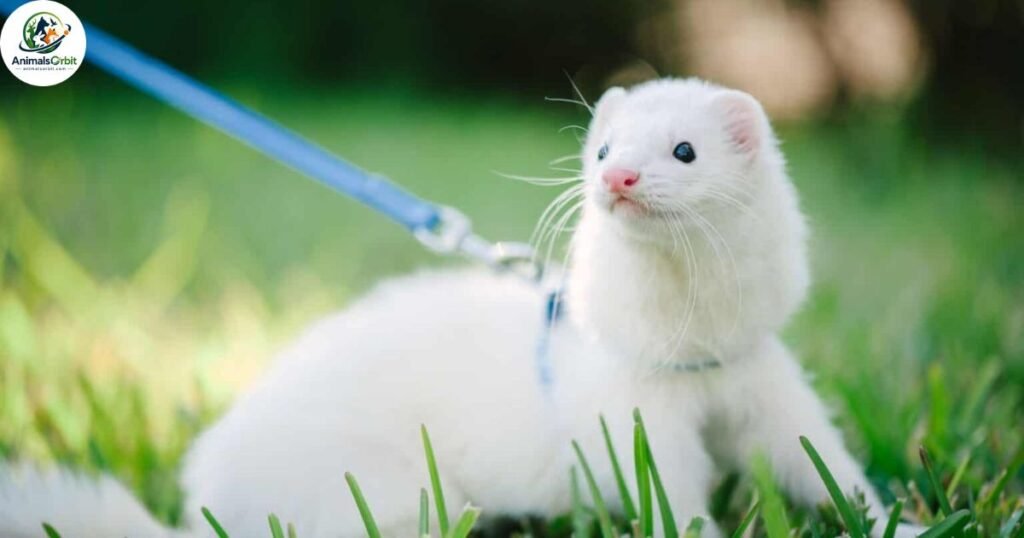
Ferrets are also socially intelligent, so interaction is an important part of their play. Regular opportunities for engaging games and safe exploration provide mental stimulation and give their mischievous energy a constructive outlet. Their natural drive to explore makes variety in play especially useful.
Dolphins
Scientific Name: Delphinidae
Class: Mammalia
Diet: Carnivore
Dolphins are intelligent, playful marine mammals whose antics often involve more than simple movement. They ride waves, tumble through the water, and play with seaweed, showing curiosity about their surroundings and a taste for exploration. Their acrobatic leaps and turns make that play especially visible.
Play also takes place in a social world. Dolphins communicate with one another, form social bonds, and sometimes interact with other animals. These exchanges suggest that playful behavior can be part of how dolphins engage with companions and explore their environment, an everyday glimpse of their complex social and cognitive abilities.
Otters
Scientific Name: Lutrinae
Class: Mammalia
Diet: Carnivore
Otters are playful, intelligent aquatic mammals whose behavior often blends recreation with useful practice. They may slide down muddy or snowy slopes, tumble and chase one another in the water, and use rocks to crack open shellfish. Their dexterity and hunting skills help them find and handle food, while social interactions from close contact to coordinated activity are part of life for many otter species.

For young otters, play can help build the coordination and confidence needed for swimming, handling prey, and responding to others. Shared games also give them opportunities to interact and strengthen social bonds. A slide or a splash may look like simple fun, but it can be part of learning how to thrive in an aquatic environment.
Read May Also: Top 15 Animals That Sleep the Most: Hours of Sleep Revealed
Coyotes
Scientific Name: Canis latrans
Class: Mammalia
Diet: Omnivore
Coyotes are clever, adaptable wild canines with a knack for making use of what their surroundings offer. They can change hunting strategies as conditions shift, pursue different kinds of food, and explore urban areas where human activity has reshaped the landscape. Their resourcefulness helps them find opportunities in environments that may be unfamiliar or constantly changing.
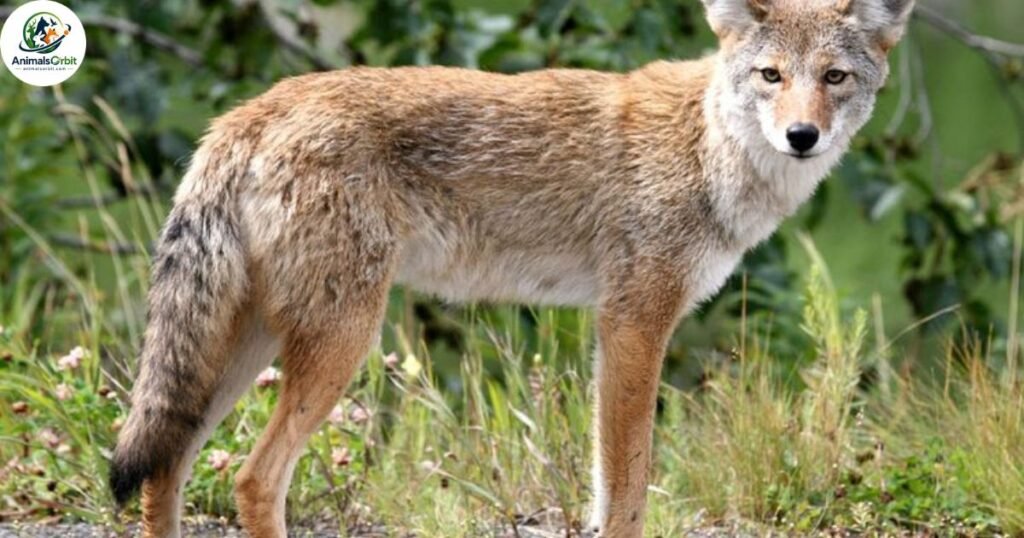
Coyotes also communicate vocally and can cooperate socially, especially when coordinating within a family group. Their intelligence, flexibility, and ability to adjust how they search for food all support survival across varied habitats. That combination of independence and cooperation makes coyotes especially effective at adapting to change.
Read May Also: Top 15 Adorable Animals Like Hamsters From Around the World
Crows
Scientific Name: Corvus
Class: Aves
Diet: Omnivore
Crows are intelligent, adaptable mischievous birds with a reputation for mischief. They may pick up shiny objects, tease other animals, and remember human faces behaviors that reflect both curiosity and an ability to learn from experience. Their problem-solving skills also help them respond to challenges and make the most of their surroundings.
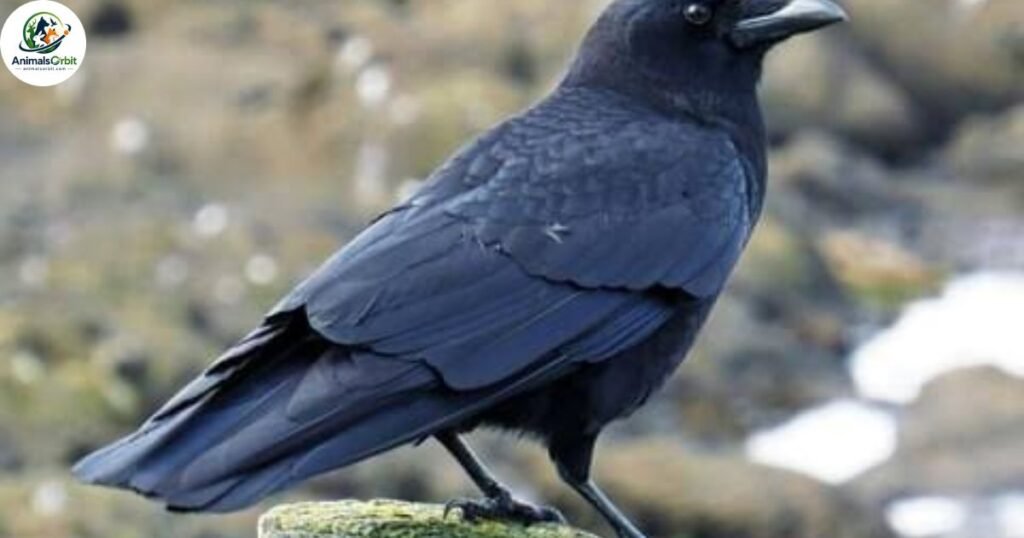
Crows communicate socially and may search for food cooperatively, sharing information as they move through an area. They also perform aerial acrobatics and engage in playful games. Together, these behaviors show that crowd intelligence is not limited to solving practical problems; it also helps them navigate complex social lives.
Read May Also: Top 13 Animals With No Tails: Tailless Species, Facts, Habitats & Behavior
Cats
Scientific Name: Felis catus
Class: Mammalia
Diet: Obligate Carnivore
Cats are curious, playful animals that often investigate cupboards, climb into unexpected spaces, and knock objects off surfaces. These mischievous antics are part of how they explore their surroundings and engage with the sights, sounds, and movement around the home.
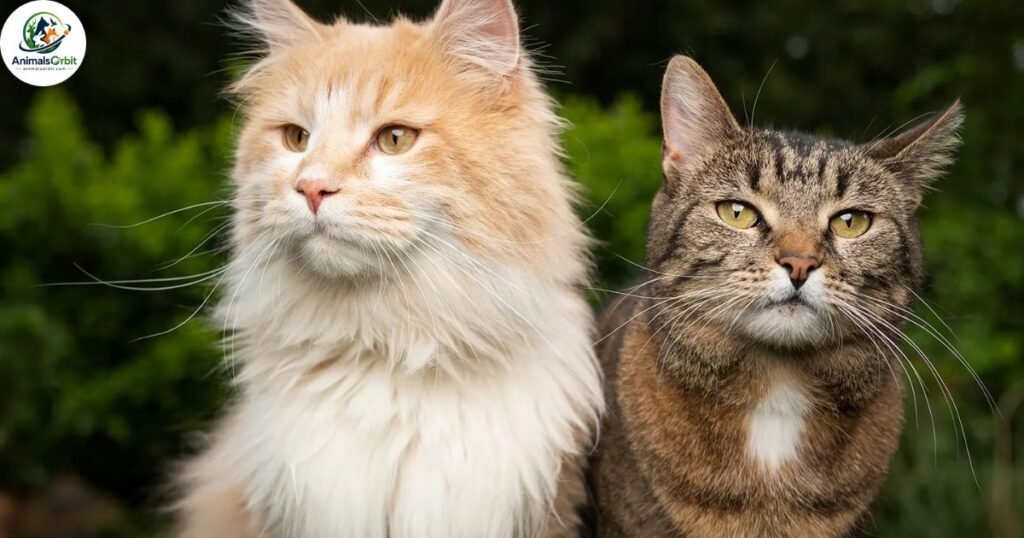
Their natural hunting instincts also create a strong urge to stalk, chase, and pounce. Toys that mimic moving prey, along with interactive play such as a supervised wand-toy session, can give cats a healthy outlet for that energy. Rotating toys and offering new ways to explore can help keep play engaging.
Read May Also: Top 20 Animals That Gallop (With Pictures)
Conclusion
The mischievous animals in the world show how curiosity, intelligence, and play can help wildlife adapt to changing surroundings. Appreciating their clever behavior is a reminder to protect the habitats that make their lives possible. Start by learning about the wildlife in your area and choosing one practical way to support local conservation.
FAQs
What Animals are Mischievous?
Raccoons, capuchin monkeys, otters, foxes, crows, cats, and dogs are examples. Their antics can include playful behavior, food-stealing, curiosity, and clever problem-solving.
What Animal is known for Mischief?
Raccoons are often described as clever and mischievous.
Which Animal is very Playful?
Dolphins are very playful: they leap out of the water, ride waves, and play with seaweed. They’re social and interact with other dolphins.
What is the Most Mischievous Animal in the World?
The kea, a parrot from New Zealand, is often named the most mischievous animal. It is known for pulling rubber parts off cars, unzipping backpacks, and stealing small items from tourists. Monkeys, raccoons, and goats are also strong contenders.
What Animal is Mischievous?
Many animals are called mischievous, including monkeys, kea parrots, raccoons, goats, otters, ferrets, and crows. They are curious, clever, and love exploring things, which often leads to naughty behavior.