Top 13 Animals With No Tails: Tailless Species, Facts, Habitats & Behavior
While most creatures use this appendage for balance and communication, a variety of tailless species have adapted to their environments in remarkable ways. Let explore the top 13 animals with no tails, uncovering fascinating facts about their habitats, movement, and survival strategies. By understanding how these unique species navigate life in forests and grasslands, you’ll gain a deeper appreciation for the diversity of the animal kingdom.
List Of Animals With No Tails
| Rank. | Animal Name | Scientific Name |
| 1 | Gorilla | Gorilla gorilla |
| 2 | Barbary Macaques | Pan troglodytes |
| 3 | Orangutan | Pongo pygmaeus |
| 4 | Human | Homo sapiens |
| 5 | Guinea Pig | Cavia porcellus |
| 6 | Koala | Phascolarctos cinereus |
| 7 | Frog | Anura spp. |
| 8 | Manx Cats | Felis catus |
| 9 | Sloth | Bradypus spp. |
| 10 | Bear | Ursidae spp. |
| 11 | Capybara | Hydrochoerus hydrochaeris |
| 12 | Wombat | Vombatus ursinus |
| 13 | Hedgehog | Erinaceus europaeus |
Detailed Look At The Animals With No Tails
Gorilla
Scientific name: Gorilla gorilla
Class: Mammalia
Diet: Herbivore
Gorillas are remarkable tailless primates characterized by their powerful, robust bodies and distinctive features such as pronounced brow ridges and deep chests. These magnificent animals are adapted for knuckle-walking, a mode of locomotion that allows them to support their substantial weight while moving efficiently on land.
Socially, gorillas live in groups led by a dominant silverback male, who plays a crucial role in protecting and guiding the family unit, which typically consists of several females and their offspring.
Habitually found in the dense forests and mountainous regions of Central Africa, do gorillas have tails thrive on a varied diet primarily composed of leaves, stems, and fruits. Their daily behavior involves foraging and resting, with the silverback often signaling movements through a variety of vocalizations and body language.
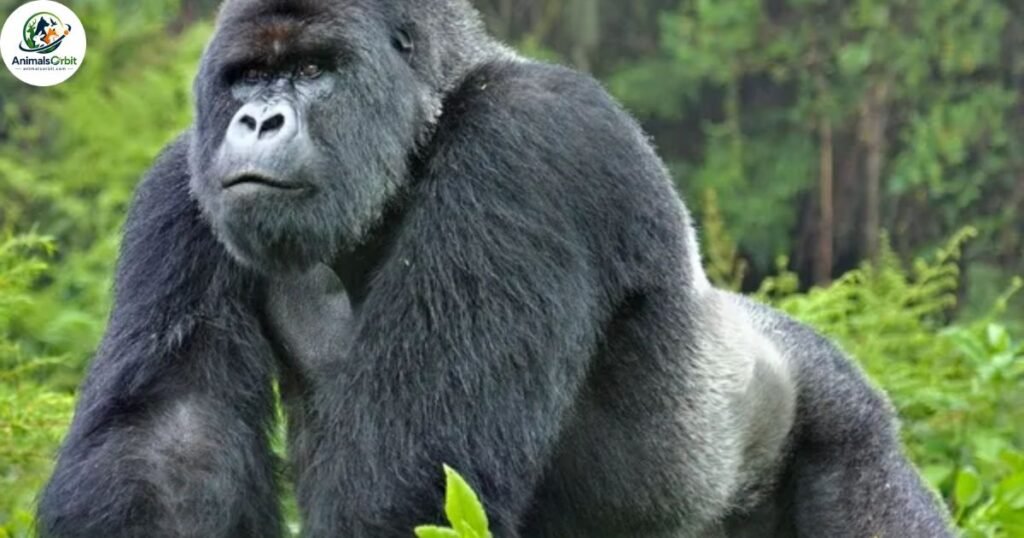
Interestingly, gorilla DNA shares approximately 98% similarity with human DNA, underscoring not only their evolutionary connection to us but also highlighting the importance of conserving their habitats to ensure that these gentle giants continue to roam the earth.
Their strong limbs and muscular build not only support their knuckle-walking gait but also play a pivotal role in their ability to climb trees and forage, embodying the perfect blend of strength and agility in a tailless form.
Fun fact: Gorillas share about ninety eight percent of their DNA with humans.
Barbary Macaques
Scientific name: Macaca sylvanus
Class: Mammalia
Diet: Omnivore
Barbary macaques, recognized for their distinctively tailless bodies, are fascinating examples of adaptation among primates. These monkeys possess robust limbs that enable agile movement through their mountainous habitats in Morocco and Algeria.
Their climbing skills are particularly remarkable, allowing them to navigate rugged terrains and find food among tree branches. Typically foraging for fruits, leaves, and insects, Barbary macaques exhibit an omnivorous diet that contributes to their social dynamics and group behavior.
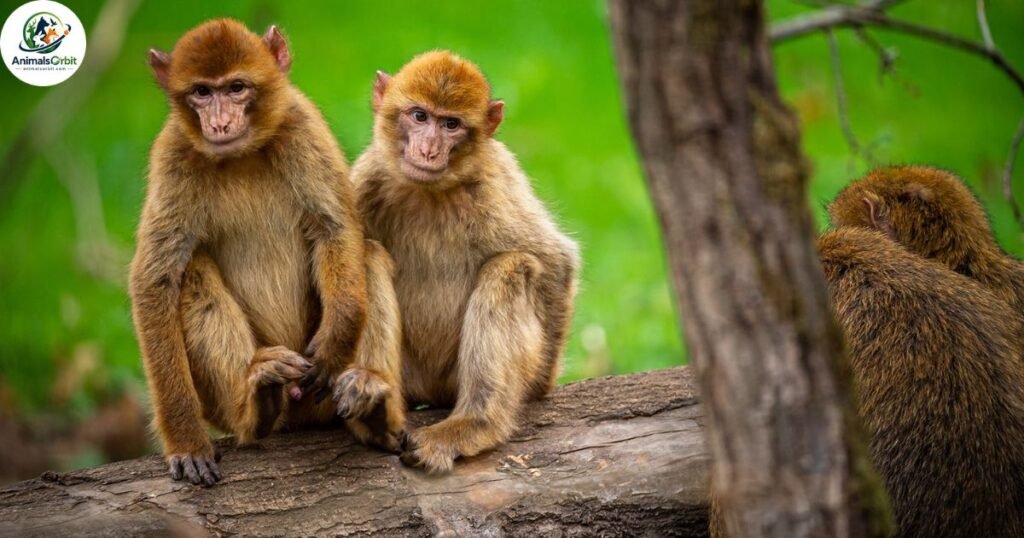
Living in cohesive troops, these macaques engage in extensive grooming rituals, strengthening social bonds and maintaining harmony within the group. Communication among Barbary macaques is rich and varied, encompassing vocalizations, facial expressions, and body language.
Young macaques learn essential survival skills through observation and imitation, often seen playing and experimenting under the watchful eyes of their mothers. Interestingly, despite their native range being limited to the Atlas Mountains, the Barbary macaque is the only species of monkey found in Europe, specifically in Gibraltar, leading to intriguing discussions on conservation and the impact of human encroachment.
Fun fact: Barbary macaques are the only wild monkey species living outside Asia and are the closest relatives to humans among African primates.
Orangutan
Scientific name: Pongo pygmaeus
Class: Mammalia
Diet: Omnivore
Orangutans, the large tailless apes native to the rainforests of Borneo and Sumatra, are remarkable not just for their striking appearance but for their sophisticated adaptations. With their long arms and strong grip, they navigate the treetops with agility and grace, showcasing an evolutionary design that emphasizes life in the canopy.
Their tree-dwelling lifestyle is complemented by their impressive ability to build nests for sleeping, using leaves and branches to create cozy havens high above the forest floor. This nest-building behavior reflects their intelligence and resourcefulness, traits that enhance their survival in the diverse and competitive rainforest environment.
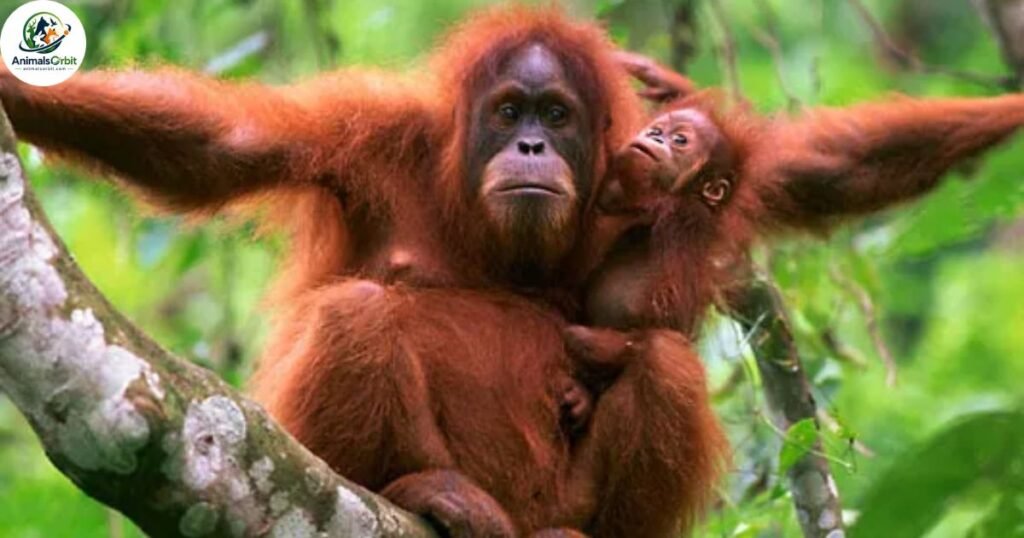
Primarily frugivorous, orangutans thrive on a diet rich in fruits such as durians and figs, which are abundant in their tropical habitats. Their foraging skills are enhanced by the use of tools, whether it’s a stick to extract insects or a leaf to drink water.
Orangutans have a prolonged childhood, with young ones staying with their mothers for up to eight years, a period critical for learning essential survival skills. This extended maternal care not only nurtures the young but also strengthens social bonds, fostering a deep connection within family units, which is vital for their social development and survival in the wild.
Fun fact: Orangutans have the longest childhood of any primate.
Human
Scientific name: Homo sapiens
Class: Mammalia
Diet: Omnivore
Humans, as tailless mammals, epitomize a fascinating evolutionary path that emphasizes adaptability and intelligence. The coccyx, or tailbone, is a remnant of our ancestral lineage, serving as an anchor point for muscles and ligaments, yet it provides no external tail.
This anatomical development coincided with our upright walking, which enhances balance and allows for efficient bipedal locomotion. Freed from the need for an external tail, our hands evolved to perform intricate tasks and manipulate tools, a trait that has propelled human innovation and creativity.
Globally, humans inhabit diverse environments, from dense forests to arid deserts. Our omnivorous diet, rich in both plant and animal sources, reflects this adaptability, enabling survival in various ecosystems. Communication, be it verbal or non-verbal, plays a crucial role in our social structures, fostering cooperation and community.
The studies highlight our ability to learn and transmit knowledge across generations, with the coccyx serving as a subtle reminder of our evolutionary journey; this small, unassuming bone embodies the transition from primitive ancestors to modern beings equipped for complex existence.
Fun fact: Human tailbones can still move slightly when sitting.
Guinea Pig
Scientific name: Cavia porcellus
Class: Mammalia
Diet: Herbivore
Guinea pigs, scientifically classified as tailless rodents, possess small, compact bodies and short legs that enable them to navigate their environment with surprising agility. Native to the grasslands of South America, these adorable creatures thrive in cluttered burrows which provide shelter and refuge.
Despite their lack of visible tails, guinea pigs have adapted remarkably well; their bodies are designed for stability and speed, allowing them to evade predators with quick, nimble movements. Their diet primarily consists of hay, fresh vegetables, and pellets, but a critical aspect of their nutrition is their daily requirement for vitamin C, essential for preventing scurvy and maintaining overall health.
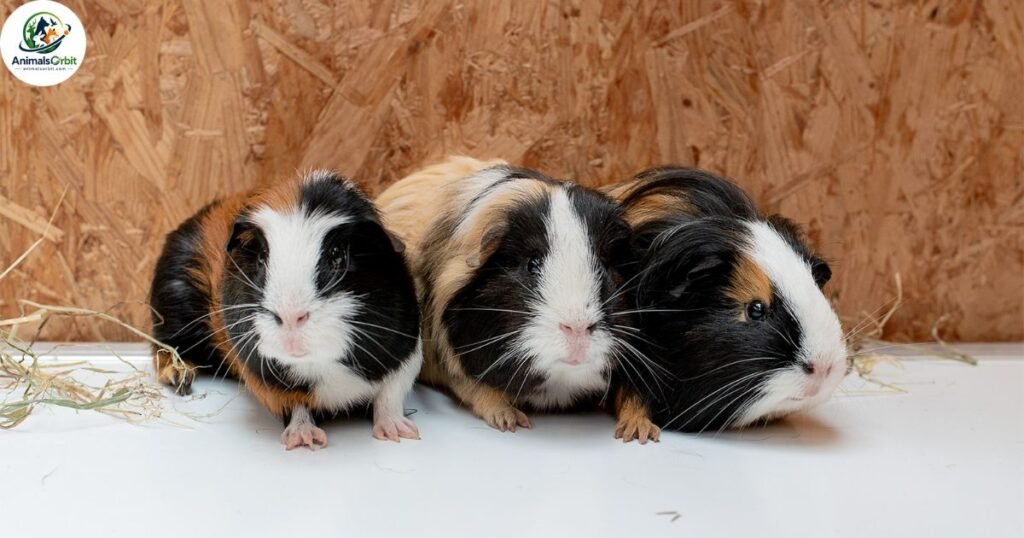
Social behavior is fascinating in guinea pigs; they are highly social animals that thrive in the company of their kind. Communication among them includes a range of vocalizations, from soft wheels to low purrs, each signaling different emotions or needs.
Some guinea pigs even have a unique sound referred to as “popcorning,” a joyful hopping behavior often seen when they are excited or happy. Their instinct to hide is vital for their well-being, as it offers them security and reduces stress in their environment. This natural behavior reinforces their resilience, ensuring they flourish even without a visible tail, showcasing just how well these charming rodents adapt to the challenges of their habitat.
Fun fact: Guinea pigs can make over ten different sounds.
Koala
Scientific name: Phascolarctos cinereus
Class: Mammalia
Diet: Herbivore
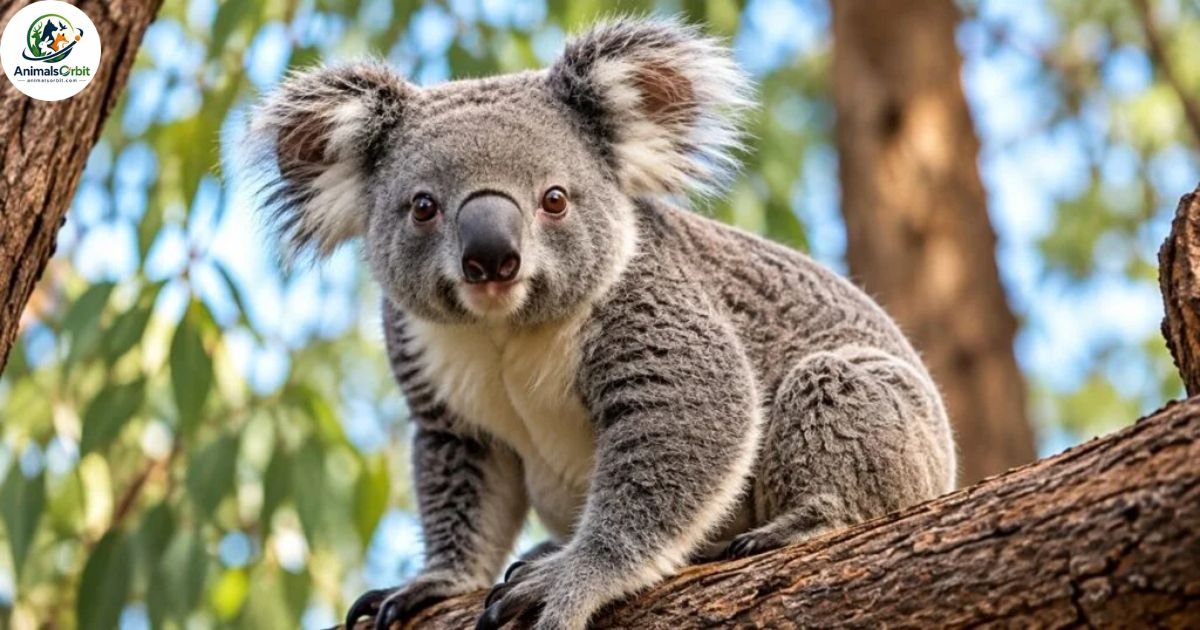
Koalas, fascinating marsupials native to the forests of eastern and southern Australia, are unique among mammals for their lack of visible tails. This absence may seem unconventional, but it has little impact on their remarkable tree-climbing abilities.
With strong limbs and specially adapted claws, koalas are equipped to easily grip tree trunks and navigate the branches of eucalyptus trees, their primary food source. These adaptations are essential for their survival, as their diet consists almost exclusively of eucalyptus leaves, which are low in nutrients and require substantial energy to forage and digest.
Living predominantly solitary lives, koalas communicate through a series of vocalizations, especially during mating seasons. Their distinctive calls serve both a social function and a means to establish territory among individuals.

Sleep is another essential aspect of their lifestyle; koalas can snooze for up to 20 hours a day, conserving energy due to their nutrient-poor diet. Maternal care is a vital component of their development, as mothers nurture their young, known as joeys, in their pouches until they are old enough to explore the world outside.
Remarkably, koalas grip the trees using their powerful forelimbs and opposable digits, effectively compensating for their lack of tails to maintain their arboreal lifestyle.
Fun fact: Koalas have fingerprints similar to humans.
Frog
Scientific name: Anura spp.
Class: Amphibia
Diet: Carnivore
Adult frogs are fascinating tailless amphibians that exhibit remarkable adaptations for life both in and out of water. During metamorphosis, tadpoles undergo significant changes, including the absorption of their tails, which may initially seem like a loss but is vital for a more agile lifestyle.
This transformation also involves the development of strong hind legs, enabling frogs to jump great distances as a means to escape predators. Their robust legs not only aid in evasion but also enhance their ability to navigate diverse habitats, ranging from lush wetlands to arid forests.
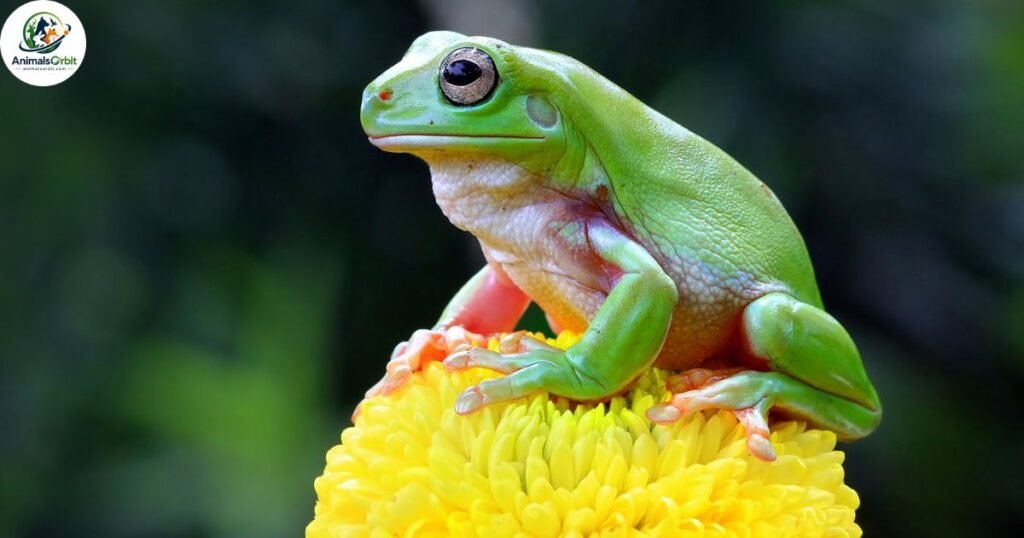
Feeding primarily on insects and small invertebrates, frogs employ their sticky tongues to catch prey with remarkable precision. Their moist skin serves as a critical component of respiration and hydration, making them highly susceptible to environmental changes.
Frogs are also known for their distinctive calls, which play a crucial role in attracting mates during the breeding season.Their reproductive success is increasingly threatened by habitat loss, pollution, and climate change, making conservation efforts essential for maintaining their populations and the ecological balance they help support.
Fun fact: Some frogs can jump over twenty times their body length.
Manx Cats
Scientific name: Felis catus
Class: Mammalia
Diet: Carnivore
Manx cats, originating from the Isle of Man, are a breed renowned for their unique tail characteristics, which range from completely absent to short due to a specific genetic mutation. This distinct feature not only sets them apart visually but also affects their physical dynamics.
Their strong hindquarters lend them exceptional jumping ability, making them agile hunters and playful companions. Unlike many cats, Manx display a notable level of body awareness; they often rely on their keen sense of balance, a trait honed by their evolution on the rugged terrain of their homeland.

With a personality that balances independence and affection, Manx cats are known for their playful demeanor and adaptability to family life. They communicate through a combination of vocal sounds and expressive body language, easily conveying their emotions and needs.
As with any breed, potential health concerns exist; Manx cats can be prone to spinal issues due to their unique tail variation. A well-balanced diet rich in essential nutrients supports their overall well-being, ensuring they remain the lively and charming companions they’ve always been.
Fun fact: Manx cats were once believed to bring good luck to sailors.
Sloth
Scientific name: Bradypus spp.
Class: Mammalia
Diet: Herbivore
Sloths are fascinating tailless mammals that thrive in the lush canopies of tropical rainforests. Adapted to their unique environment, these creatures possess curved claws that aid in their upward movement, allowing them to hang effortlessly from branches.
Their strong grip is essential for a life spent slowly navigating the treetops, where their leaf-based diet is meticulously consumed. This herbivorous diet not only nourishes them but also supports a symbiotic relationship with algae, which grows in their fur, providing extra camouflage among the leaves.
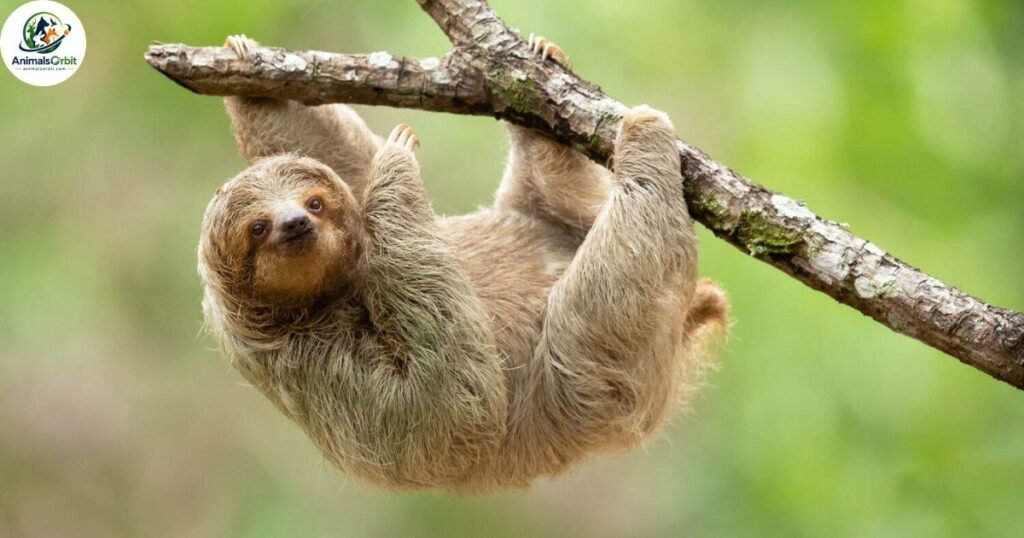
With a lifestyle characterized by deliberate sluggishness, sloths typically sleep up to 20 hours a day, conserving energy to digest their tough, fibrous food. Their solitary nature means these creatures spend most of their time alone, only coming together to mate.
Maternal care is evident as mothers nurture their young, often carrying them for several months. This deep-rooted adaptation allows sloths to thrive in their specific niches, showcasing their unique survival strategies in a rapidly changing world.
Fun fact: Sloths can turn their heads nearly three hundred degrees.
Bear
Scientific name: Ursidae spp.
Class: Mammalia
Diet: Omnivore
Bears are fascinating creatures, often recognized for their robust physiques and distinctive short tails. Found predominantly in forests, mountains, and tundra regions around the world, these large mammals exhibit flat-footed walking, which aids in stealth while foraging.
Their strong sense of smell is one of the most acute in the animal kingdom, enabling them to detect food from miles away. This remarkable olfactory ability is particularly beneficial given their omnivorous diet, which includes everything from berries and nuts to fish and small mammals.
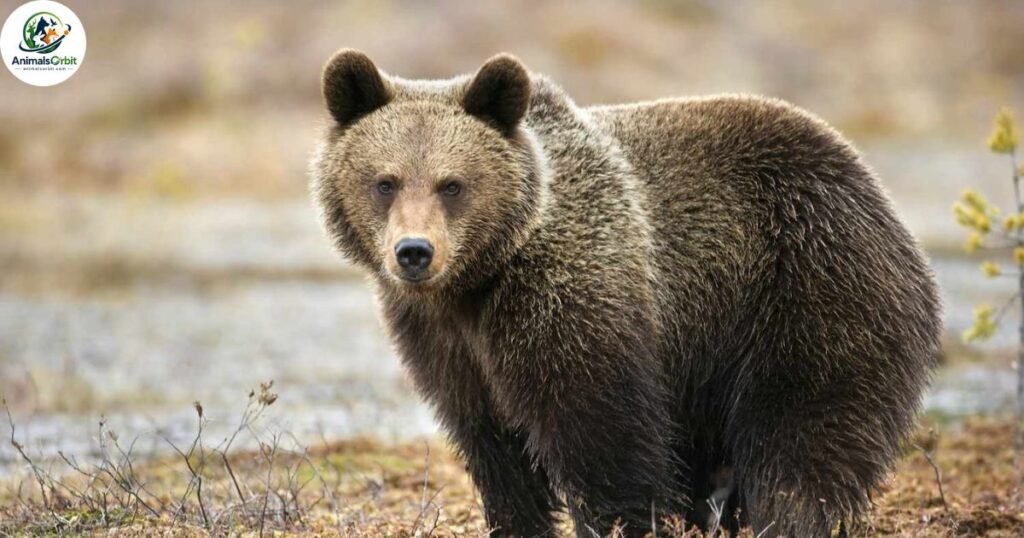
Solitary by nature, bears communicate through body language, using gestures and postures to express dominance or submission. During the colder months, they enter a state of hibernation, a survival strategy that allows them to conserve energy when food is scarce.
Maternal care is a significant aspect of their lives, with mother bears fiercely protective of their cubs. Notably, some species exhibit surprising agility, seamlessly climbing trees or sprinting at impressive speeds when necessary, showcasing their adaptability in diverse habitats. These behaviors illuminate the complex lives of bears and their vital roles in ecosystems.
Fun fact: Bears can smell food from miles away.
Capybara
Scientific name: Hydrochoerus hydrochaeris
Class: Mammalia
Diet: Herbivore
Capybaras, the world’s largest rodents and notable for their tailless bodies, thrive in the lush wetland habitats of South America. These social creatures are often found near rivers, lakes, and marshes, where their webbed feet enhance their swimming skills, allowing them to navigate through water with ease.
This adaptation not only aids in escaping predators but also supports their dietary habits, which primarily consist of grasses and aquatic plants. Their continuously growing teeth, specially designed for grinding fibrous plants, highlight their evolutionary fit for their herbivorous lifestyle.
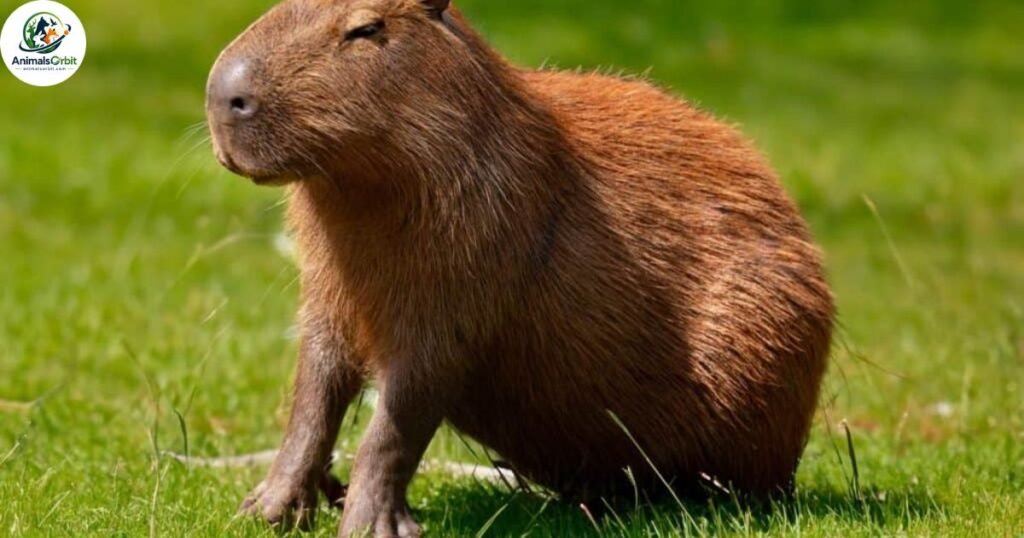
Living in cohesive social groups, capybaras maintain a complex communication system that includes a range of vocalizations and body language. These interactions foster strong bonds within the group, which can comprise 10 to 20 individuals, helping them to remain vigilant against threats.
Self-grooming is an essential part of their daily routine; it not only keeps their fur clean but also strengthens social connections as they bond while grooming one another. The remarkable adaptability of capybaras to their environment ensures their survival, making them a fascinating subject for wildlife enthusiasts and researchers alike.
Fun fact: Capybaras are the largest rodents in the world.
Read May Also: Top 15 Animals Like Ferrets You Should Know With Images
Wombat
Scientific name: Vombatus ursinus
Class: Mammalia
Diet: Herbivore
Wombats, short-tailed mammals native to Australia, are fascinating creatures known for their robust build and remarkable digging capabilities. With powerful limbs designed for burrowing, wombats create extensive underground homes that provide refuge from the harsh Australian climate.
These burrows not only serve as shelters but also play a crucial role in their social structure, as wombats are largely solitary animals, preferring to mark their territory with scent to communicate with others.

Feeding primarily on grass, wombats have developed continuously growing teeth that are perfectly adapted for their herbivorous diet. Their nocturnal habits keep them active during the cooler night hours, reducing the risk of overheating under the scorching sun.
Thick-skinned and sturdy, wombats have evolved a unique defense mechanism against predators, allowing them to withstand threats effectively. Maternal care among wombats is another interesting aspect, as mothers nurture their young in a protective pouch, ensuring that the next generation of these resilient marsupials thrives in their rugged landscapes.
Fun fact: Wombat droppings are cube-shaped.
Read May Also: Top 15 Animals That Sleep the Most: Hours of Sleep Revealed
Hedgehog
Scientific name: Erinaceus europaeus
Class: Mammalia
Diet: Omnivore
Hedgehogs are fascinating creatures, best known for their spiny bodies and unique defense mechanism of curling into a ball when threatened. These small mammals thrive in various habitats, from woodlands and grasslands to gardens and suburban areas.
Their short, inconspicuous tails often go unnoticed, yet they serve a practical purpose, aiding in balance as these nocturnal animals navigate their environments under the cover of darkness. With a strong sense of smell, hedgehogs rely on their olfactory capabilities to locate food, primarily consisting of insects, worms, and small invertebrates.
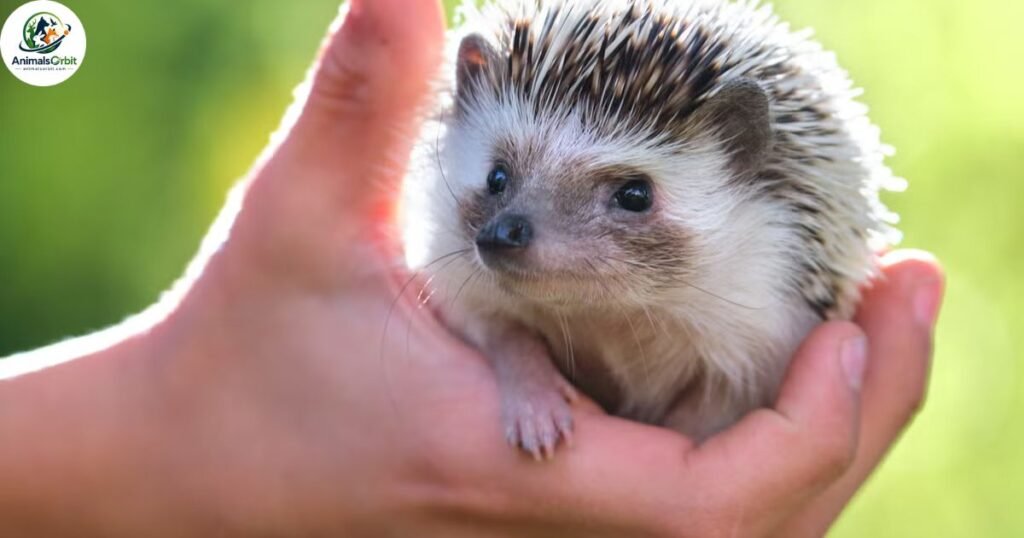
Solitary by nature, hedgehogs prefer to roam alone, only coming together during mating season. As winter approaches, many species enter hibernation, curling tightly into their spiny armor to conserve energy in response to colder temperatures.
Female hedgehogs are attentive mothers, nurturing their young in cozy nests until they are ready to venture out into the world. This blending of solitary habits with dedicated parental care highlights the intriguing complexity of hedgehog behavior, making them not just adorable but also remarkably adaptive creatures.
Fun fact: Hedgehogs can eat thousands of insects each year.
Read May Also: Top 15 Adorable Animals Like Hamsters From Around the World
Conclusions
The fascinating adaptations of the 13 Animals with no tails highlight the incredible diversity found within the animal kingdom. From the unique locomotion of the Manx cat to the survival strategies of the Tailless tenrec, these creatures exemplify how species can thrive despite the absence of a tail. Their distinctive habitats and impressive capabilities remind us that nature often finds innovative solutions to challenges. As we admire these remarkable adaptations, consider celebrating wildlife with custom animal-themed lapel pins that pay tribute to these extraordinary species.
FAQs
What Are Animals With No Tails?
Animals with no tails can be categorized into two main groups: those that naturally lack external tails and those that lose their tails during development. Some species, like certain breeds of cats such as the Manx are genetically predisposed to be tailless due to a mutation. Other examples include various species of frogs, like the American Bullfrog, and certain fish, like some types of balloon mollies, which are known for their lack of external tails.
Why Do Some Animals Have No Tails?
The absence of a tail in some animals is primarily a result of evolutionary adaptations to their environments. Over millions of years, species have evolved traits that enhance their survival rates based on their specific ecological niches. For animals that live in dense forests, for example, a tail may not provide significant advantages for balance or movement, leading to a gradual reduction or loss over generations.
Do Animals With No Tails Have Balance Problems?
Animals without tails utilize a combination of legs, muscles, posture, and their inner ear to maintain balance. The positioning and strength of their legs play a crucial role; animals often have well-developed limb muscles that enable them to shift their center of gravity and maintain stability. For example, many quadrupedal animals compensate for the lack of a tail by using their limbs to create a stable base. Their posture can adjust dynamically to keep them upright, especially during movement.
What Animals don’t have Tails?
Animals without tails include apes (gorillas, chimpanzees, orangutans, bonobos, and gibbons), guinea pigs, capybaras, koalas, adult frogs and toads, and tailless cat breeds like the Manx. Humans are also tailless.
What Animal doesn’t have a Tail?
Many animals have no tail, including gorillas, chimpanzees, orangutans, gibbons, koalas, guinea pigs, capybaras, and adult frogs. Humans are tailless too.