List of Dinosaur Names From A to Z With Pictures
Dinosaurs are among the most fascinating creatures to have ever lived on Earth. These prehistoric animals came in many different shapes and sizes, from giant plant-eaters with long necks to fast and powerful hunters with sharp teeth and claws. Today, fossils help scientists learn more about dinosaurs, their habitats, diets, and behavior.
You will discover a collection of List of Dinosaur Names, along with interesting facts about each one. This easy-to-read guide is also helpful for anyone searching for types of dinosaurs for kids or learning about list of dinosaur names with pictures.
List of Dinosaur Names (and meanings) From A to Z
List of dinosaur names a-z covers a fascinating variety of prehistoric creatures, from famous giants like Allosaurus and Brachiosaurus to lesser-known species such as Xiaosaurus and Zuniceratops. Each dinosaur had unique features, diets, and adaptations that helped it survive in the ancient world.
Here is a quick list of reptiles and dinosaur names covered in this guide:
- Allosaurus
- Brachiosaurus
- Carnotaurus
- Diplodocus
- Edmontosaurus
- Gallimimus
- Hadrosaurus
- Iguanodon
- Juratyrant
- Kentrosaurus
- Lambeosaurus
- Maiasaura
- Nodosaurus
- Oviraptor
- Parasaurolophus
- Qianzhousaurus
- Raptor
- Stegosaurus
- Triceratops
- Tyrannosaurus Rex
- Utahraptor
- Velociraptor
- Wuerhosaurus
- Xiaosaurus
- Yangchuanosaurus
- Zuniceratops
Allosaurus
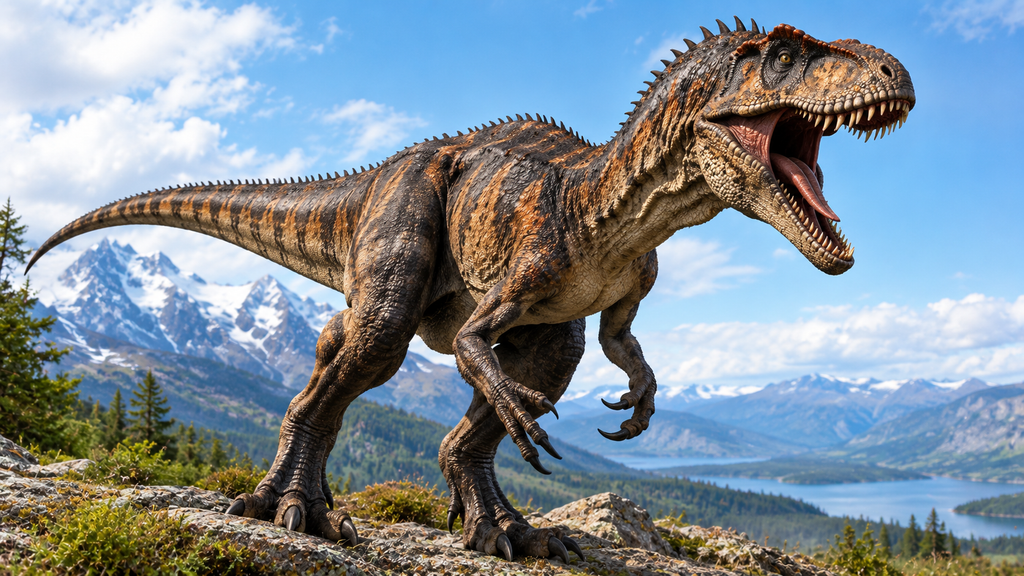
Allosaurus was a large meat-eating dinosaur that lived during the Late Jurassic period. It had sharp teeth, strong legs, and powerful claws that helped it hunt prey. Its name means different lizard because of the unique structure of its vertebrae.
Allosaurus was smaller than Tyrannosaurus rex but was still one of the top predators of its time. It likely hunted other dinosaurs and may sometimes have worked in groups. Fossils of Allosaurus have mainly been found in North America.
Brachiosaurus
Brachiosaurus was one of the most famous long-necked dinosaurs. Its front legs were longer than its back legs, giving its body a unique shape. This enormous dinosaur used its long neck to reach leaves high in trees.
Brachiosaurus was a herbivore and spent much of its time feeding on plants. It lived during the Late Jurassic period. Its huge size made it one of the most impressive dinosaurs of its era.
Carnotaurus
Carnotaurus was a meat-eating dinosaur known for the two horn-like structures above its eyes. It had a deep skull, small arms, and long powerful legs. Scientists believe Carnotaurus may have been a fast runner. It lived in South America during the Late Cretaceous period.
Its name means meat-eating bull because of its unusual horns. Carnotaurus is one of the most recognizable horned predators among dinosaurs.
Diplodocus
Diplodocus was a giant plant-eating dinosaur with an extremely long neck and tail. Its body was large, but its head was relatively small. It used its long neck to reach plants and vegetation. Diplodocus lived during the Late Jurassic period in North America.
Its long tail may have helped with balance and communication. It remains one of the most well-known long-necked dinosaurs.
Edmontosaurus
Edmontosaurus was a large herbivorous dinosaur that belonged to the duck-billed dinosaur group. It had a broad, flat mouth that helped it eat many kinds of plants. This dinosaur lived in North America during the Late Cretaceous period.
Edmontosaurus could walk on both two and four legs depending on the situation. It was one of the larger duck-billed dinosaurs. Fossils show that it lived during the same general period as Tyrannosaurus rex.
Gallimimus
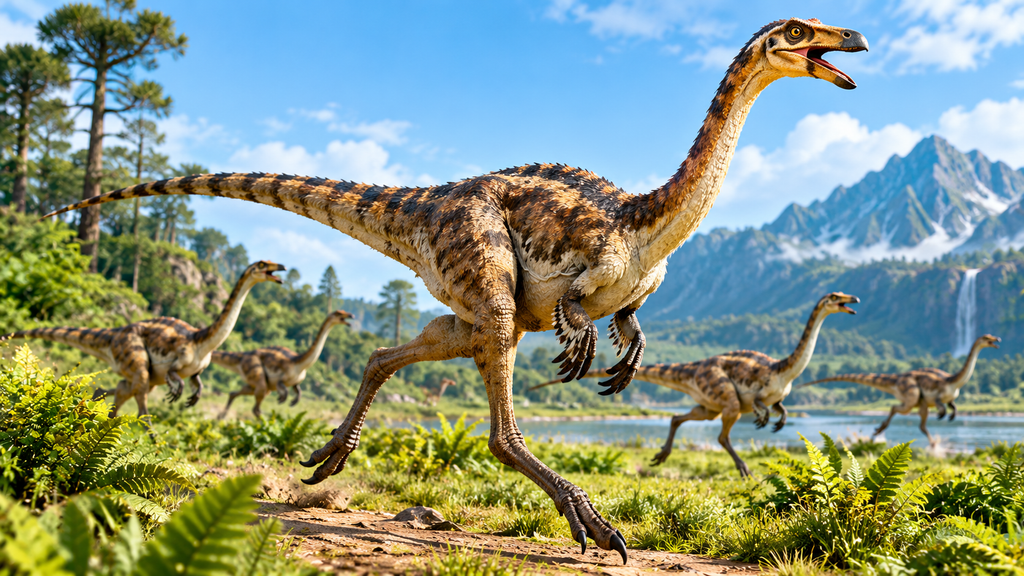
Gallimimus was a fast and lightly built list of long dinosaur names legs and a long neck. Its body shape was similar to that of a modern ostrich. Gallimimus lived during the Late Cretaceous period in what is now Mongolia.
Scientists believe it may have eaten plants, insects, and small animals. Its speed likely helped it escape predators. Gallimimus is one of the most interesting examples of fast-running dinosaurs.
Hadrosaurus
Hadrosaurus was a duck-billed dinosaur that lived during the Late Cretaceous period. It was a herbivore that fed mainly on plants and vegetation. Hadrosaurus had strong hind legs and could probably move on two or four legs. Its name means bulky lizard.
This dinosaur became especially important because it helped scientists understand the duck-billed dinosaur group. It was discovered in North America.
Iguanodon
Iguanodon was a large plant-eating dinosaur famous for the spike on each thumb. It lived during the Early Cretaceous period and was one of the first dinosaurs scientifically studied. Iguanodon had strong legs and could move using both two and four limbs.
Its teeth were designed for chewing tough plants. This dinosaur was much larger than a modern iguana despite its name. Iguanodon fossils have been discovered in several parts of Europe.
Jurassic-Era Jurassic Dinosaur: Juratyrant
Juratyrant was a meat-eating dinosaur that lived during the Late list of dinosaur names in jurassic world period. It belonged to a group of dinosaurs related to tyrannosaurs. Although it was not as large as Tyrannosaurus rex, it was still an important predator in its ecosystem.
Juratyrant lived in what is now England. Its discovery helped scientists understand the early evolution of tyrannosaur dinosaurs. It is one of the lesser-known dinosaur names beginning with J.
Kentrosaurus
Kentrosaurus was a plant-eating dinosaur covered with plates and spikes. It was closely related to Stegosaurus but had its own unique body structure. Kentrosaurus had spikes along its body and tail that likely helped protect it from predators.
It lived during the Late Jurassic period in Africa. Its small head and large body were typical features of many plant-eating dinosaurs. The spikes made Kentrosaurus one of the most recognizable armored dinosaurs.
Lambeosaurus
Lambeosaurus was a large duck-billed dinosaur with a hollow crest on its head. Scientists believe the crest may have been used for communication or making sounds. It was a herbivore that lived during the Late Cretaceous period.
Lambeosaurus used its specialized teeth to chew tough plants. It lived in herds and may have traveled with other members of its species. Fossils have mainly been found in North America.
Maiasaura
Maiasaura was a duck-billed dinosaur famous for evidence suggesting that it cared for its young. Its name means good mother lizard. Fossil discoveries showed nests, eggs, and young dinosaurs living near adults. Maiasaura was a plant-eater that lived during the Late Cretaceous period.
It probably lived in large groups for protection. This dinosaur is especially interesting when teaching types of dinosaurs for kids because of its family behavior.
Nodosaurus
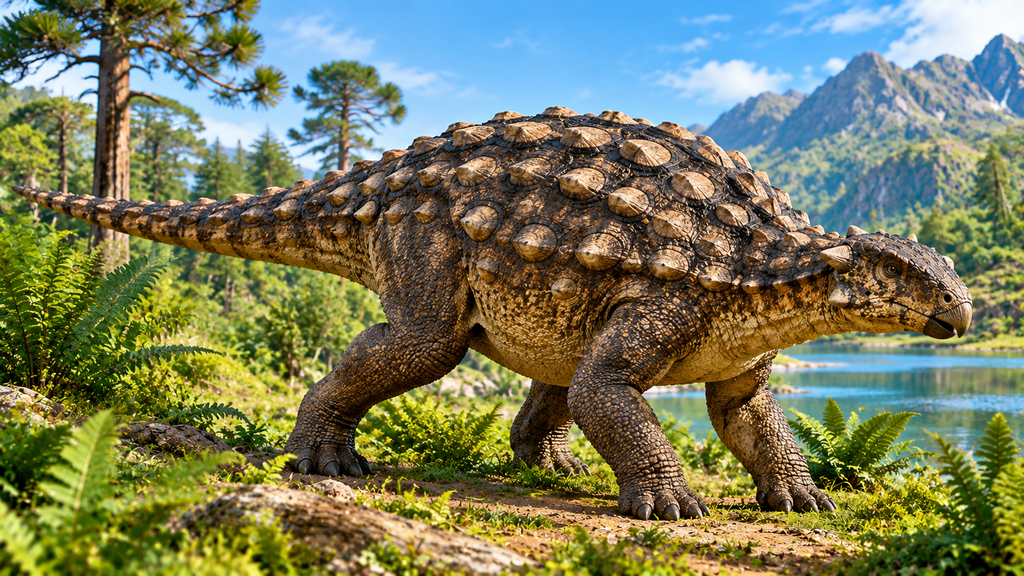
Nodosaurus was a heavily armored dinosaur that ate plants. Its body was protected by thick bony plates and spikes. Unlike some other armored dinosaurs, it did not have a large tail club. Nodosaurus lived during the Early Cretaceous period in North America.
Its armor helped protect it from large predators. This dinosaur is an excellent example of how prehistoric animals developed physical defenses.
Oviraptor
Oviraptor was a small dinosaur with a bird-like body and a toothless beak. Its name means egg thief because early fossils were discovered near eggs. However, scientists later found evidence suggesting that Oviraptor may actually have been protecting its own nest.
It lived during the Late Cretaceous period in Asia. Oviraptor probably ate a variety of foods, including small animals and plants. Its discovery changed the way scientists understood dinosaur behavior.
Parasaurolophus
Parasaurolophus was a duck-billed dinosaur with a long curved crest extending from its skull. The hollow crest may have helped it produce loud sounds for communication. It was a large herbivore that lived during the Late Cretaceous period.
Parasaurolophus likely lived in groups and fed on different types of plants. Its unusual head shape makes it easy to recognize. It remains one of the most popular dinosaurs in museums and books.
Qianzhousaurus
Qianzhousaurus was a tyrannosaur dinosaur with a long, narrow snout. Because of its unusual appearance, it became popularly known as Pinocchio rex. It lived during the Late Cretaceous period in Asia.
Qianzhousaurus was smaller and more lightly built than Tyrannosaurus rex. Its long snout suggests that it may have hunted different types of prey. This dinosaur is one of the interesting examples in an A to Z list of dinosaur names.
Raptor
The word raptor is commonly used for a group of small to medium-sized predatory dinosaurs. Many raptors had sharp claws, long tails, and strong legs. Velociraptor is one of the most famous examples of this group. Raptors were active hunters and used their claws to capture prey.
They were covered with feathers or feather-like structures in many cases. Their intelligence and speed make them especially fascinating among meat-eating dinosaurs.
Stegosaurus
Stegosaurus was a large plant-eating dinosaur famous for the plates along its back and spikes on its tail. It lived during the Late Jurassic period in North America and Europe. The large plates may have helped with display, temperature control, or communication.
Its spiked tail was probably used for defense against predators. Despite its huge body, Stegosaurus had a relatively small head. It is one of the most recognizable dinosaurs in the world.
Triceratops
Triceratops was a large herbivorous dinosaur with three horns and a huge bony frill around its head. It lived during the Late Cretaceous period. Triceratops used its strong beak and teeth to eat tough plants. Its horns may have been used for defense, competition, and display.
This dinosaur lived alongside Tyrannosaurus rex in North America. Triceratops is one of the most famous examples of horned dinosaurs.
Tyrannosaurus Rex
Tyrannosaurus rex, often called T. rex, was one of the largest and most powerful meat-eating dinosaurs. It had a massive head, sharp teeth, and an extremely strong bite. T. rex lived during the Late Cretaceous period in North America.
Although its arms were small, its legs were powerful and supported its huge body. It was one of the top predators of its environment. T. rex is often the first dinosaur people think of when discussing dinosaurs and their names.
Utahraptor
Utahraptor was a large member of the raptor group. It had powerful legs and a large curved claw on each foot. Utahraptor was much bigger than the famous Velociraptor. It lived during the Early Cretaceous period in North America.
Scientists believe it was an active predator capable of hunting relatively large prey. Its size and sharp claws made it a dangerous hunter.
Velociraptor
Velociraptor was a small but fast predatory dinosaur that lived during the Late Cretaceous period. It had a long tail, sharp teeth, and a large curved claw on each foot. Velociraptor was covered with feathers, making it different from many older movie portrayals.
It lived in Asia and hunted small animals. Despite its small size, it was an efficient predator. Velociraptor is one of the most famous 100 dinosaur names in popular culture.
Wuerhosaurus
Wuerhosaurus was a plant-eating dinosaur related to Stegosaurus. It lived during the Early Cretaceous period in Asia. Like other stegosaurs, it had plates along its back and spikes for protection. Wuerhosaurus had a large body and relatively short legs.
It likely spent much of its time eating low-growing plants. This lesser-known dinosaur adds more variety to a complete dinosaur list.
Xiaosaurus
Xiaosaurus was a small herbivorous dinosaur that lived during the Late Jurassic period. Fossils of this dinosaur have been discovered in China. It was much smaller than famous giants such as Brachiosaurus or Diplodocus.
Xiaosaurus likely moved quickly through its environment while searching for plants. Its small size helped it survive in a world filled with larger dinosaurs. It is one of the a list of dinosaur names that represents the letter X.
Yangchuanosaurus
Yangchuanosaurus was a large meat-eating dinosaur that lived during the Late Jurassic period in China. It had sharp teeth, powerful legs, and a long tail for balance. Yangchuanosaurus was one of the major predators in its environment.
It was similar in some ways to Allosaurus. Its strong jaws helped it capture and eat other animals. This dinosaur shows that large predators lived in many different parts of the ancient world.
Zuniceratops
Zuniceratops was an early horned dinosaur that lived during the Late Cretaceous period. It had horns above its eyes and a developing neck frill. Zuniceratops was a herbivore that fed on plants.
Scientists consider it important because it helps show how later horned dinosaurs, such as Triceratops, may have evolved. Fossils have been found in North America. It is a great dinosaur to complete an A to Z collection.
Read May Also: 15 Types of Reptiles: Amazing Reptiles You Should Know
Conclusion
Dinosaurs were incredibly diverse animals that lived on Earth for millions of years. Some were giant plant-eaters, while others were fast and powerful predators. This A to Z guide introduces a variety of fascinating dinosaurs, including famous species such as Tyrannosaurus rex and lesser-known dinosaurs such as Qianzhousaurus and Xiaosaurus.
Learning dinosaur names is a fun way to explore prehistoric life and understand how different animals adapted to their environments. Whether you are looking for names of dinosaurs with pictures, interesting facts, or types of dinosaurs for kids, these amazing prehistoric creatures continue to capture the imagination of people around the world.
FAQs
What Are Some Types of Dinosaurs for Kids to Learn About?
Kids can start by learning about popular dinosaurs such as T. rex, Triceratops, Stegosaurus, Velociraptor, Brachiosaurus, and Iguanodon.
Were All Dinosaurs Meat-Eaters?
No. Many dinosaurs were herbivores that ate plants, leaves, fruits, and other vegetation. Dinosaurs such as Brachiosaurus, Triceratops, and Stegosaurus were plant-eaters.
What Is the Largest Dinosaur?
Several giant sauropods were among the largest dinosaurs ever discovered. Scientists continue to study fossils to better understand which species reached the greatest size.
What Are the Most Famous Dinosaurs?
Some of the most famous dinosaurs include Tyrannosaurus rex, Triceratops, Stegosaurus, Velociraptor, Brachiosaurus, and Diplodocus.
What are some of the Most Common Dinosaur Names?
Some of the best-known dinosaurs are Tyrannosaurus rex, Triceratops, Velociraptor, Stegosaurus, Brachiosaurus, Diplodocus, Spinosaurus, Allosaurus, Ankylosaurus, and Iguanodon.