Top 50+A to Z Animals List : Animal Names From Every Letter
The animal kingdom is full of fascinating creatures with different shapes, sizes, habitats, and behaviors. From tiny insects to giant mammals, animals live in almost every part of the planet, including forests, oceans, deserts, mountains, rivers, and grasslands.
This guide takes you through an exciting journey from A to Z. If you are searching for a to z animals name or a simple list of animals with pictures, this article can help you discover interesting species from every letter of the alphabet a to z animals. While it is impossible to include all the animals in the world in one article, these examples show just how diverse the animal kingdom truly is.
A to Z Animals List
- A – African Elephant, Arctic Fox
- B – Bengal Tiger, Blue Whale
- C – Cheetah, Chameleon
- D – Dolphin, Dingo
- E – Eagle, Emu
- F – Flamingo, Fennec Fox
- G – Giraffe, Gorilla
- H – Hippopotamus, Hyena
- I – Iguana, Impala
- J – Jaguar, Jellyfish
- K – Kangaroo, Koala
- L – Lion, Leopard
- M – Meerkat, Moose
- N – Narwhal, Newt
- O – Octopus, Orangutan
- P – Panda, Penguin
- Q – Quokka, Quail
- R – Raccoon, Red Panda
- S – Sloth, Snow Leopard
- T – Tiger, Toucan
- U – Uakari, Umbrellabird
- V – Vulture, Vampire Bat
- W – Walrus, Wolf
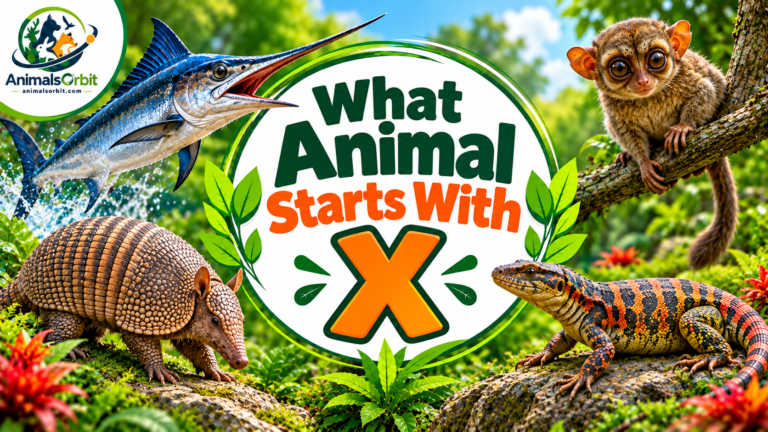
- X – X-Ray Tetra, Xenops
- Y – Yak, Yellowfin Tuna
- Z – Zebra, Zorilla
African Elephant
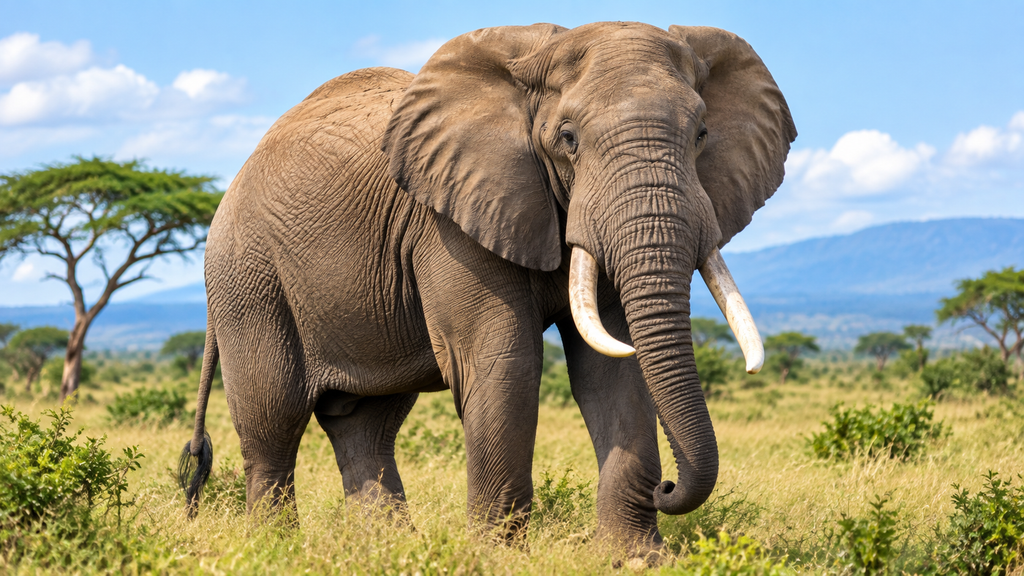
The African elephant is the largest land animal in the world. It is known for its huge ears, long trunk, curved tusks, and massive body. African elephants live in grasslands, forests, and savannas across Africa.
They use their trunks for breathing, drinking, smelling, and picking up food. These intelligent animals usually live in family groups led by females. Elephants mainly eat grasses, leaves, bark, fruits, and roots.
Arctic Fox
The Arctic fox is a small mammal that lives in cold Arctic regions. It has thick fur that protects it from freezing temperatures. During winter, its fur is often white, helping it blend into snowy surroundings.
In summer, its coat may become darker to match rocks and vegetation. Arctic foxes eat small mammals, birds, eggs, fish, and other available food. Their furry paws and compact bodies also help them survive harsh climates.
Bengal Tiger
The Bengal tiger is a powerful big cat found mainly in India and nearby parts of South Asia. It has an orange coat covered with dark stripes, which helps it blend into forests and grasslands. Bengal tigers are carnivores and hunt animals such as deer and wild boar.
They are solitary animals that usually prefer living and hunting alone. Tigers are strong swimmers and can travel through rivers when necessary. Their powerful bodies and sharp senses make them highly effective predators.
Blue Whale
The blue whale is the largest animal known to have ever lived on Earth. Despite its enormous size, it feeds mainly on tiny animals called krill. Blue whales live in oceans around the world and can travel long distances during migration.
They use baleen plates in their mouths to filter food from seawater. Their powerful tails help them move through the ocean. Blue whales are also known for producing extremely low and powerful sounds.
Cheetah
The cheetah is famous for being the fastest land animal. It has a slim body, long legs, a flexible spine, and a long tail that helps it maintain balance while running. Cheetahs mainly hunt small and medium-sized mammals.
They rely on speed rather than strength to catch their prey. Unlike many other big cats, cheetahs are most active during the day. Their spotted coats also provide camouflage in grassy environments.
Chameleon
The chameleon is a unique lizard known for its ability to change color. It has independently moving eyes that can look in different directions at the same time. Chameleons use their long, sticky tongues to catch insects quickly.
Many species live in trees and have special feet for gripping branches. Their color changes can help with communication, temperature regulation, and camouflage. Chameleons are found mainly in warm regions of Africa, Asia, and Europe.
Dolphin
Dolphins are intelligent marine mammals that live in water of some rivers. They breathe air through a blowhole located on top of their heads. Dolphins communicate using sounds and body movements.
Many species live in groups called pods and cooperate while hunting. Their streamlined bodies allow them to swim quickly through the water. Dolphins mainly eat fish, squid, and other marine animals.
Dingo
The dingo is a wild canine strongly associated with Australia. It has a lean body, pointed ears, and a bushy tail. Dingoes can live in deserts, grasslands, forests, and other habitats. They are carnivores but may also eat a variety of available foods.
Dingoes can hunt alone or in small groups depending on the situation. Their adaptability has helped them survive in many different Australian environments.
Eagle
Eagles are large birds of prey known for their powerful beaks, sharp talons, and excellent eyesight. They can spot potential prey from great distances while flying high above the ground. Different eagle species live in forests, mountains, wetlands, and coastal areas.
Their diet may include fish, mammals, birds, and reptiles. Eagles use their strong talons to capture prey. They are often considered symbols of strength and freedom.
Emu
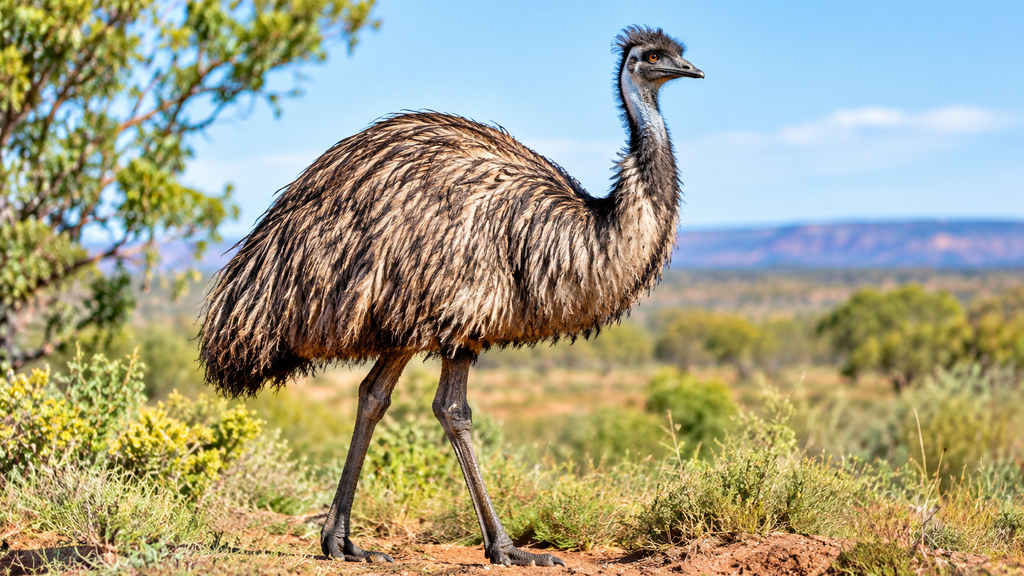
The emu is a large flightless bird native to Australia. It has long legs that allow it to run quickly across open land. Emus have soft brown feathers and can survive in a variety of habitats. They eat plants, seeds, fruits, insects, and other available foods.
Despite being unable to fly, emus are excellent runners and swimmers. They are also the second-largest living birds by height.
Flamingo
Flamingos are well known bird for their long legs, curved necks, and pink feathers. They usually live around lakes, lagoons, wetlands, and coastal areas. Flamingos feed by filtering tiny organisms and plant material from water.
Their pink or reddish color comes largely from pigments found in their food. These birds often live in large groups. Their unusual appearance makes them some of the most recognizable birds in the world.
Fennec Fox
The fennec fox is a small fox that lives in the deserts of North Africa. It is easily recognized by its extremely large ears. These ears help release heat and allow the fox to detect sounds made by prey underground.
Fennec foxes are mostly active at night when temperatures are cooler. They eat insects, small animals, fruits, and plants. Their furry feet also help protect them from hot desert sand.
Giraffe
The giraffe is the tallest land animal in the world. It has an extremely long neck that helps it reach leaves high in trees. Giraffes mainly eat leaves, especially from acacia trees. Their spotted coats provide camouflage in their natural habitat.
They live in African grasslands and savannas. Giraffes with their long legs and necks can run surprisingly fast when escaping danger.
Gorilla
Gorillas are the largest living primates and are known for their great strength. They live in forests in central Africa and usually move around on all fours. Gorillas mainly eat leaves, shoots, fruits, and other plant material.
They live in family groups led by an adult male called a silverback. Gorillas are intelligent and social animals that communicate through sounds, facial expressions, and body movements. Their close family bonds are an important part of their lives.
Hippopotamus
The hippopotamus is a large semi-aquatic mammal found in Africa. It spends much of the day in rivers and lakes to stay cool. Hippos have massive bodies, short legs, and extremely powerful jaws.
They usually leave the water at night to feed on grasses. Although they may appear slow, hippos can move quickly when necessary. They are also highly territorial and protective in certain situations.
Hyena
Hyenas are mammals known for their strong jaws and distinctive calls. Although they are often thought of only as scavengers, many species are skilled hunters. Spotted hyenas, for example, live in social groups and work together to hunt prey.
They can live in grasslands, savannas, and other habitats in Africa. Hyenas have powerful teeth that allow them to crush bones. Their intelligence and social behavior make them highly successful predators.
Iguana
The iguana is a large lizard commonly found in warm regions of Central and South America. It has a long tail, strong claws, and a row of spines along its back. Many iguanas spend much of their time climbing trees.
Green iguanas mainly eat leaves, fruits, and flowers. Their tails can also be used as a defense against threats. Iguanas are excellent examples of reptiles adapted to life in warm environments.
Impala
The impala is a graceful antelope found in African grasslands and savannas. It has long legs and can jump impressive distances when escaping predators. Impalas usually live in groups and feed mainly on grasses, leaves, and shoots.
Their speed and agility help them avoid danger. Male impalas have curved horns that they use during competition with other males. They are an important prey species for many African predators.
Jaguar
The jaguar is a powerful big cat found mainly in Central and South America. It has a beautiful coat covered with large rosette-shaped markings. Jaguars are strong swimmers and often live near rivers, wetlands, and forests.
They hunt a variety of animals, including mammals, birds, reptiles, and fish. Their powerful bite allows them to capture difficult prey. Jaguars are usually solitary and highly territorial animals.
Jellyfish
Jellyfish are marine animals with soft, gelatinous bodies. They move through water using gentle pulsing movements. Many jellyfish have tentacles containing specialized cells that can sting prey or protect them from predators.
Different species live in oceans around the world. Jellyfish feed mainly on plankton, small fish, and other tiny marine creatures. Despite their simple body structure, they have survived in oceans for millions of years.
Kangaroo
Kangaroos are large marsupials native to Australia. They are famous for moving by hopping using their powerful hind legs. Female kangaroos carry their young in a pouch until they are developed enough to survive outside.
Kangaroos mainly eat grasses, leaves, and other vegetation. Their strong tails help them maintain balance while moving. They can travel quickly across open landscapes when necessary.
Koala
Koalas are tree-dwelling marsupials native to Australia. They are known for their round ears, large noses, and fluffy appearance. Koalas mainly eat eucalyptus leaves, which provide limited energy.
Because of their low-energy diet, they spend many hours resting or sleeping. Their strong claws help them climb and hold onto tree branches. Koalas are specially adapted to life in eucalyptus forests.
Lion
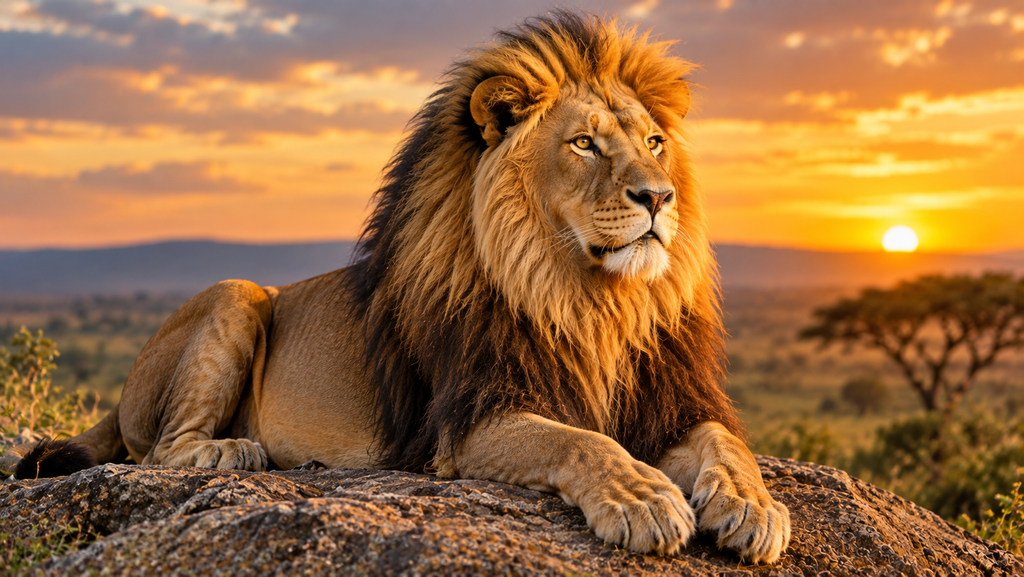
The lion is one of the most famous big cats in the world. It mainly lives in African grasslands and open woodlands, although a small population also survives in India. Lions are unusual among big cats because they often live in social groups called prides.
They hunt animals such as zebras, antelope, and other mammals. Male lions are recognized by their thick manes. Lions are powerful predators and important members of their ecosystems.
Leopard
Leopards are adaptable big cats found in parts of Africa and Asia. Their spotted coats help them blend into forests, grasslands, and rocky environments. Leopards are excellent climbers and often carry prey into trees to protect it from other predators.
They hunt a wide variety of animals depending on their habitat. Leopards are usually solitary and active during the evening or night. Their adaptability allows them to survive in many different environments.
Meerkat
Meerkats are small mammals that live in groups in southern Africa. They are known for standing upright while watching for predators. Meerkats live in underground burrows and work together as a family group.
Their diet includes insects, spiders, small reptiles, eggs, and other small animals. One meerkat may act as a lookout while others search for food. Their strong social behavior helps protect the group from danger.
Moose
The moose is the largest member of the deer family. It is found in forests and wetlands across northern parts of North America, Europe, and Asia. Male moose grow large antlers that are used during competition and displays.
Moose mainly eat leaves, twigs, aquatic plants, and other vegetation. Their long legs help them move through deep snow and wet areas. Despite their large size, moose are capable swimmers.
Narwhal
The narwhal is a whale that lives in Arctic waters. It is famous for the long spiral tusk that grows from the head of many males. Narwhals spend much of their lives in cold ocean environments covered by sea ice.
They feed on fish, squid, and other marine animals. Their thick layer of body fat helps keep them warm. Narwhals are often called the unicorns of the sea because of their unusual tusks.
Newt
Newts are small amphibians that are related to salamanders. Many species spend part of their lives in water and part on land. They have long bodies, tails, and moist skin. Newts feed on insects, worms, small aquatic animals, and other invertebrates.
Some species can regenerate lost body parts, including limbs. Their ability to live in both aquatic and land environments makes them fascinating animals.
Octopus
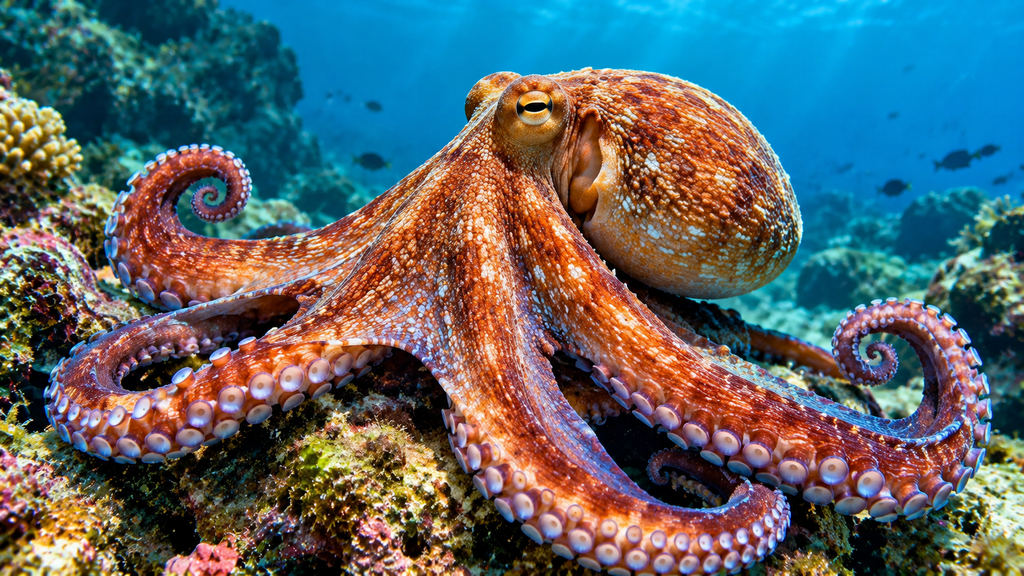
The octopus is a highly intelligent marine animal with eight arms. It can change its color and texture to blend into its surroundings. Octopuses use their arms and suckers to explore and capture prey. They mainly eat crabs, shellfish, fish, and other marine animals.
Many species can release ink when threatened. Their flexible bodies also allow them to squeeze through very small spaces.
Orangutan
Orangutans are large apes that live in the rainforests of Borneo and Sumatra. They have long arms that help them move through trees. Orangutans mainly eat fruits but also consume leaves, insects, and other foods.
They are highly intelligent and can use tools to help find or process food. Most of their lives are spent in trees. Habitat loss is one of the biggest threats to wild orangutans.
Panda
The giant panda is a bear native to China. It is famous for its black-and-white fur and strong connection with bamboo forests. Pandas mainly eat bamboo and spend much of their day feeding. Their powerful jaws help them crush tough plant material.
Giant pandas are usually solitary animals. Their distinctive appearance has made them one of the most recognizable animals in the world.
Penguin
Penguins are flightless birds that are specially adapted for life in water. Their wings act like flippers, allowing them to swim and dive efficiently. Different penguin species live in a variety of climates, from Antarctica to warmer coastal regions.
Penguins mainly eat fish, krill, and squid. Their dense feathers help protect them from cold water. Many species live and breed in large colonies.
Quokka
The quokka is a small marsupial native to parts of Western Australia. It has a round face and a friendly appearance that has made it popular around the world. Quokkas mainly eat leaves, grasses, and other plant material.
They are mostly active during the evening and night. These animals are adapted to surviving in dry environments. The quokka is often considered one of Australia’s most unusual marsupials.
Quail
Quails are small ground-dwelling birds found in many parts of the world. They usually have rounded bodies and short wings. Quails often prefer grasslands, farmland, forests, and areas with dense vegetation.
They eat seeds, grains, insects, and plant material. Many species rely on camouflage to avoid predators. When threatened, quails may suddenly fly a short distance to escape danger.
Raccoon
Raccoons are intelligent mammals known for their distinctive black markings around the eyes. They are highly adaptable and can live in forests, wetlands, and urban areas. Raccoons eat fruits, insects, eggs, fish, and small animals.
Their sensitive front paws help them explore and handle objects. Raccoons are usually active at night. Their ability to adapt has allowed them to live successfully near human settlements.
Red Panda
The red panda is a small tree-dwelling mammal found in the forests of the Himalayas and nearby regions. It has reddish-brown fur, a bushy tail, and a face marked with lighter fur. Red pandas mainly eat bamboo but may also consume fruits, insects, and eggs.
Their long tails help them maintain balance while climbing. Thick fur protects them from cold mountain temperatures. Despite their name, they are not closely related to giant pandas.
Sloth
Sloths are slow-moving mammals that spend most of their lives in trees. They are mainly found in Central and South American forests. Sloths have long claws that help them hang from branches. Their diet mainly consists of leaves, fruits, and other plant material.
Because their food provides little energy, sloths move slowly to conserve energy. Their slow movement can also help them remain unnoticed by predators.
Snow Leopard
The snow leopard is a big cat that lives in the high mountains of Central and South Asia. It has thick fur and a long, bushy tail that helps it stay warm and maintain balance. Its pale spotted coat provides camouflage among rocks and snow.
Snow leopards hunt animals such as wild sheep, goats, and smaller mammals. They are solitary and difficult to spot in the wild. Their mountain adaptations allow them to survive in extremely cold environments.
Tiger
The tiger is the largest living cat species and is known for its orange coat covered with dark stripes. Tigers live in forests, grasslands, mangroves, and other habitats across Asia. They are powerful carnivores that hunt animals such as deer and wild boar.
Tigers usually live alone and maintain large territories. Their striped patterns help them blend into vegetation. Different tiger populations face threats from habitat loss and illegal hunting.
Toucan
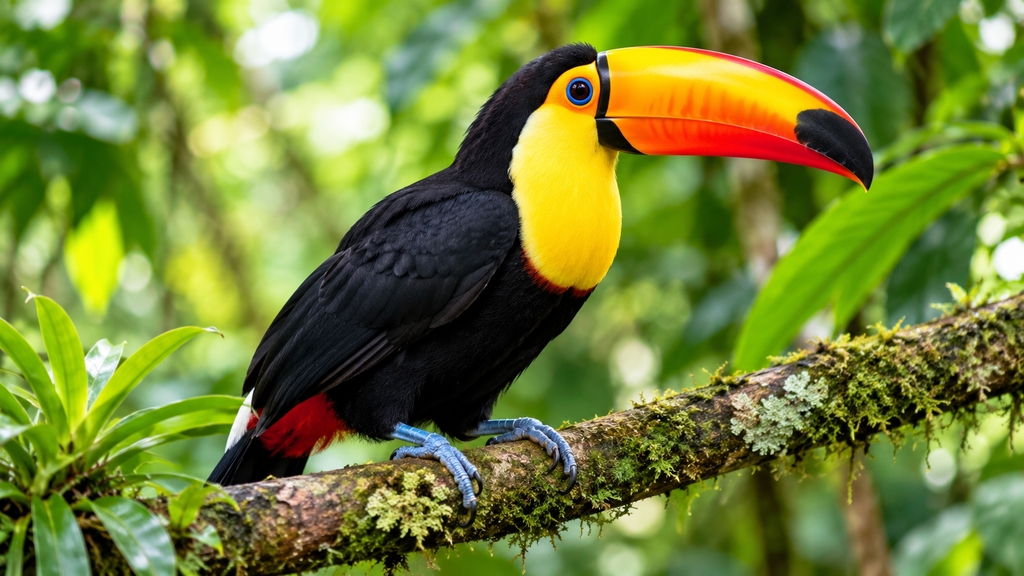
Toucans are tropical birds famous for their large and colorful bills. They live mainly in forests of Central and South America. Their bills may look heavy, but they are relatively lightweight. Toucans eat fruits, insects, eggs, and small animals.
They play an important role in forests by helping spread seeds. Their bright appearance makes them some of the most recognizable tropical birds.
Uakari
The uakari is a type of monkey found in the Amazon rainforest. It is especially known for the bright red faces seen in some species. Uakaris usually live in groups and spend much of their time in trees.
Their diet includes fruits, seeds, and other plant material. They have short tails compared with many other monkeys. These unusual primates are closely associated with tropical rainforest habitats.
Umbrellabird
The umbrellabird is a large tropical bird found in Central and South American forests. It gets its name from the unusual crest on its head, which can resemble an umbrella. Male umbrellabirds also have a long throat structure used during displays.
They eat fruits, insects, and small animals. These birds usually live in dense forests. Habitat destruction can threaten some umbrellabird populations.
Vulture
Vultures are large birds that feed mainly on the remains of dead animals. They play an important role in ecosystems by helping remove animal carcasses. Vultures have strong beaks and excellent eyesight for locating food.
Many species can soar high in the sky using rising air currents. Their bald or lightly feathered heads help them feed more easily. Although they may seem unpleasant to some people, vultures are extremely important for maintaining healthy ecosystems.
Vampire Bat
Vampire bats are unusual mammals that feed on blood. They are found mainly in parts of Central and South America. These bats usually feed on animals such as livestock or birds without causing major blood loss.
They have specialized teeth and saliva that helps keep blood flowing. Vampire bats are nocturnal and use their senses to locate prey. They are one of the few groups of mammals with this feeding behavior.
Walrus
The walrus is a large marine mammal that lives in Arctic and sub-Arctic waters. It is easily recognized by its long tusks and thick whiskers. Walruses use their tusks for defense, social displays, and helping pull themselves onto ice.
They mainly eat clams and other animals found on the ocean floor. Their thick layer of body fat helps protect them from cold water. Walruses often gather together in large groups.
Wolf
Wolves are social members of the dog family that often live and hunt in family groups. They can be found in forests, mountains, grasslands, and Arctic regions. Wolves mainly eat large mammals, although their diet can vary depending on location.
Their teamwork helps them hunt animals larger than themselves. Wolves communicate using howls, body language, and scent marking. They play an important role in maintaining balance within many ecosystems.
X-Ray Tetra
The X-ray tetra is a small freshwater fish known for its nearly transparent body. Its translucent appearance allows some of its internal bones to be visible, giving it its unusual name. X-ray tetras are found in freshwater environments in South America.
They usually live in groups and feed on small aquatic organisms. Their small size makes them vulnerable to larger predators. These fish are popular examples of unusual freshwater animals.
Xenops
The xenops is a small bird found mainly in forests of Central and South America. It has a distinctive bill that it uses to search for insects in bark and wood. Xenops birds often climb and move along tree trunks while looking for food.
Their diet mainly includes insects and other small invertebrates. They are usually found in forest habitats. Their unusual name makes them a helpful example for the letter X in an a to z animals for kids guide.
Yak
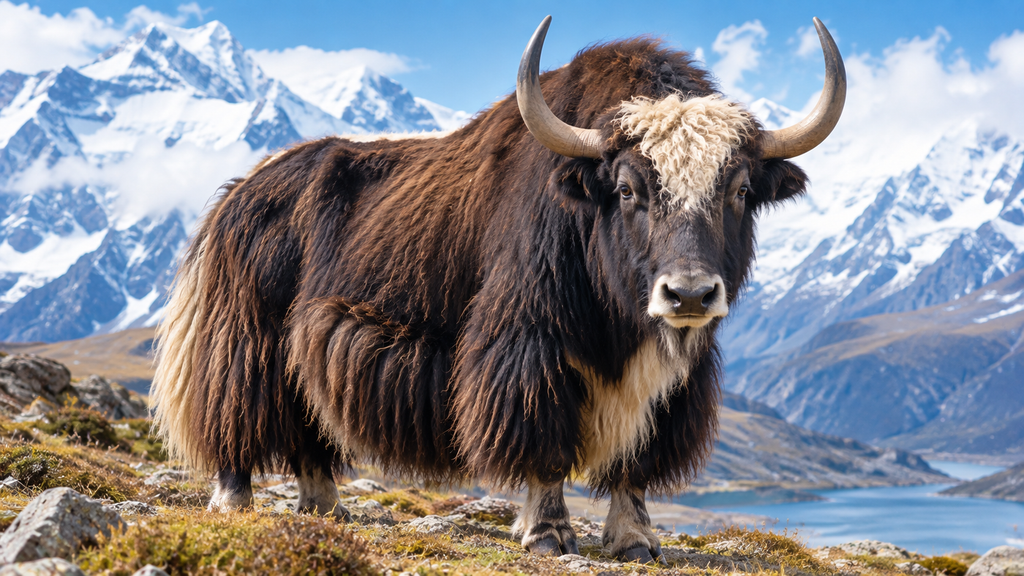
The yak is a large, shaggy-haired mammal that lives in high mountain regions of Central Asia. Its thick coat protects it from extremely cold temperatures. Yaks are herbivores and mainly eat grasses and other vegetation.
They are well adapted to living at high altitudes where oxygen levels are lower. Domestic yaks are important working animals in some mountain communities. Wild yaks are generally larger and more heavily built than domestic ones.
Yellowfin Tuna
The yellowfin tuna is a fast-swimming fish found in warm ocean waters around the world. It gets its name from the yellow coloring on its fins. Yellowfin tuna have streamlined bodies designed for fast and efficient swimming.
They are predators that feed on fish, squid, and other marine animals. These fish can travel long distances through the ocean. Their speed and strength make them important predators in marine ecosystems.
Zebra
Zebras are African mammals known for their striking black-and-white striped coats. Each zebra has a unique stripe pattern. Zebras usually live in grasslands, savannas, and open woodlands. They mainly eat grasses and other vegetation.
Many zebras live in social groups for protection. Their stripes may help confuse predators when a group of zebras moves together.
Zorilla
The zorilla, also known as the striped polecat, is a small mammal found in parts of Africa. It has a dark body with light stripes running along its back. Zorillas are mainly active at night and feed on insects, rodents, birds, eggs, and other small animals.
They are famous for their strong-smelling defensive spray, which they release when threatened. Their warning colors and defensive abilities help protect them from predators. Despite their skunk-like appearance, zorillas belong to a different family.
Read May Also: Top 25 Freshwater Animals: Animals That Live in Freshwater
Conclusion
The animal kingdom is incredibly diverse, and this A to Z animals guide shows just a small part of that diversity. From the massive blue whale and African elephant to the tiny quail and unusual Christmas tree-like animals found in nature, every species has its own adaptations and role in the environment.
These 52 animals represent mammals, birds, reptiles, amphibians, fish, and marine creatures from different parts of the world. Some are famous and easy to recognize, while others, such as the xenops and uakari, are less familiar but equally fascinating.
FAQs
Which Animals Are the Biggest in This List?
The blue whale is the largest animal in this list and is also the largest known animal on Earth. The African elephant is the largest land animal included in the guide.
Are All These Animals Found in the Same Habitat?
No. These animals live in many different habitats, including oceans, forests, deserts, mountains, grasslands, wetlands, and Arctic regions.
Which Animal in the List Is the Fastest?
The cheetah is the fastest land animal included in this list. It is specially adapted for short bursts of extremely high speed while hunting.
Why Are Some A to Z Animals Less Well Known?
Some animals are less familiar because they live in remote regions, have limited geographic ranges, or are not commonly featured in media and educational materials.
What are the A to Z animals names in English?
Here is a simple list of animals from A to Z:
A: Alligator, Ant, Antelope
B: Bear, Buffalo, Butterfly
C: Cat, Camel, Cheetah
D: Dog, Deer, Dolphin
E: Elephant, Eagle, Eel
F: Fox, Frog, Flamingo
G: Giraffe, Goat, Gorilla
H: Horse, Hippopotamus, Hyena
I: Iguana, Impala, Ibis
J: Jaguar, Jellyfish, Jackal
K: Kangaroo, Koala, Kingfisher
L: Lion, Leopard, Lizard
M: Monkey, Mouse, Mongoose
N: Newt, Nightingale, Narwhal
O: Owl, Ostrich, Otter
P: Penguin, Peacock, Panda
Q: Quail, Quokka, Queen bee
R: Rabbit, Rhinoceros, Raccoon
S: Snake, Sheep, Squirrel
T: Tiger, Turtle, Turkey
U: Urial, Uakari, Umbrellabird
V: Vulture, Viper, Vicuña
W: Wolf, Whale, Walrus
X: X-ray tetra, Xerus, Xenops
Y: Yak, Yellowjacket, Yabby
Z: Zebra, Zebu, Zorilla
What are the A to Z Birds Names?
Here is a simple list of birds from A to Z:
A: Albatross, B: Brahminy Kite, C: Crow, D: Duck, E: Eagle
F: Flamingo, G: Goose, H: Hummingbird, I: Ibis, J: Jay
K: Kingfisher, L: Lark, M: Myna, N: Nightingale, O: Owl
P: Peacock, Q: Quail, R: Robin, S: Sparrow, T: Toucan
U: Umbrellabird, V: Vulture, W: Woodpecker, X: Xenops, Y: Yellowhammer, Z: Zebra Finch
Why does aardvark come first in A to Z animals lists?
Aardvark begins with a double “a” (aa), so it comes first alphabetically, even before words like ant, antelope, and alligator. That is why it is often used for the letter A in animal dictionaries and alphabet charts.