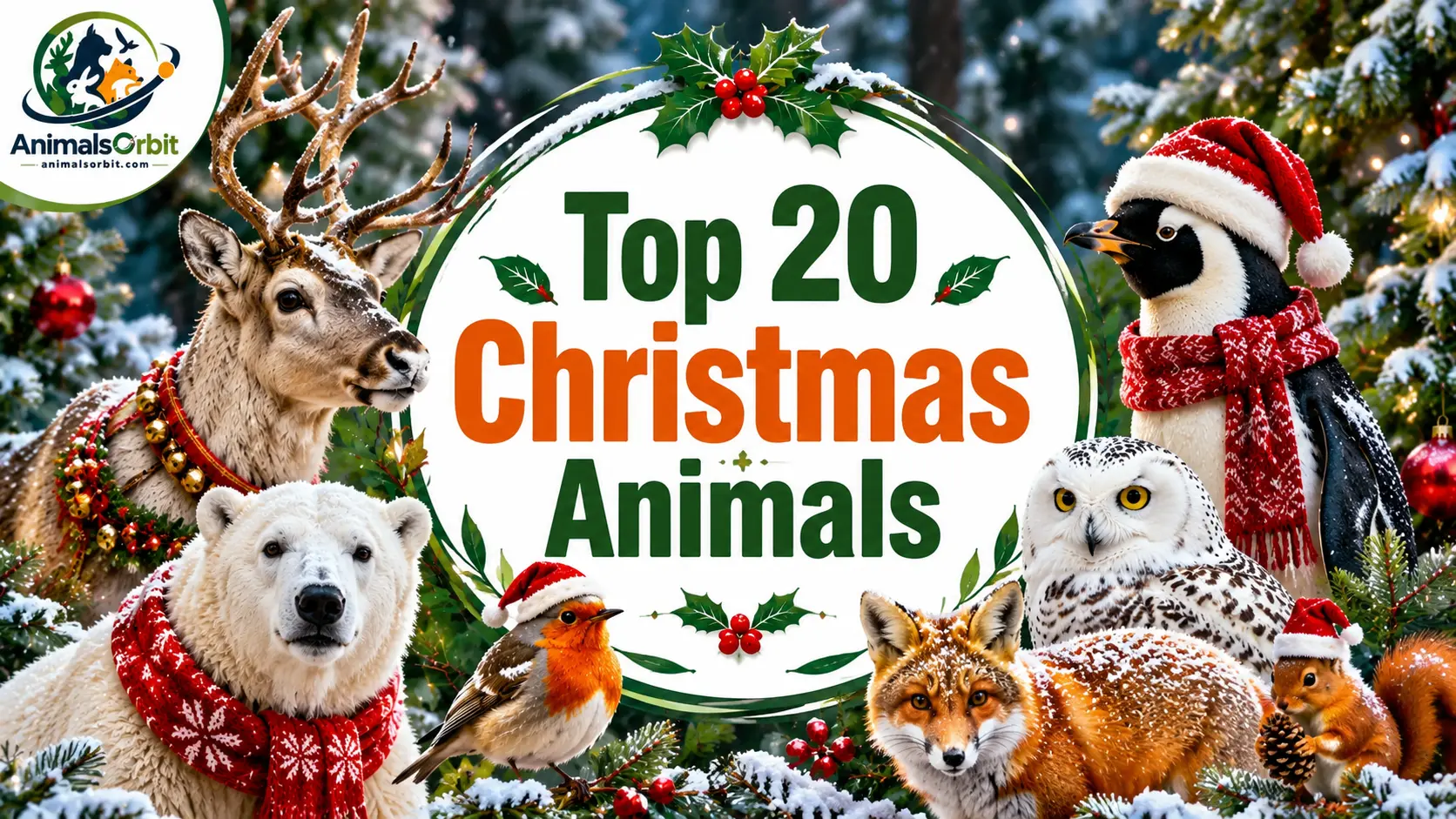
Top 20 Christmas Animals: Animals Associated With Christmas
Christmas is one of the most celebrated holidays of the year, and many animals have become part of its traditions, stories, songs, decorations, and winter imagery. From Santa’s famous reindeer to robins appearing on Christmas cards, animals can be found throughout the holiday season.
Some Christmas animals have a direct connection to Christmas traditions, while others became popular because they are associated with winter, snow, Christmas stories, or holiday decorations. This guide explores 20 fascinating animals associated with Christmas, including familiar holiday symbols and lesser-known animals that have interesting connections with the season.
Christmas Animals List
Here is a complete list of Christmas animals covered in this guide:
- Reindeer
- Robin
- Turkey
- Partridge
- Dove
- Sheep
- Donkey
- Camel
- Ox
- Goat
- Polar Bear
- Penguin
- Arctic Fox
- Snowy Owl
- Red Fox
- Cardinal
- Wren
- Squirrel
- Goose
- Christmas Tree Worm
Reindeer
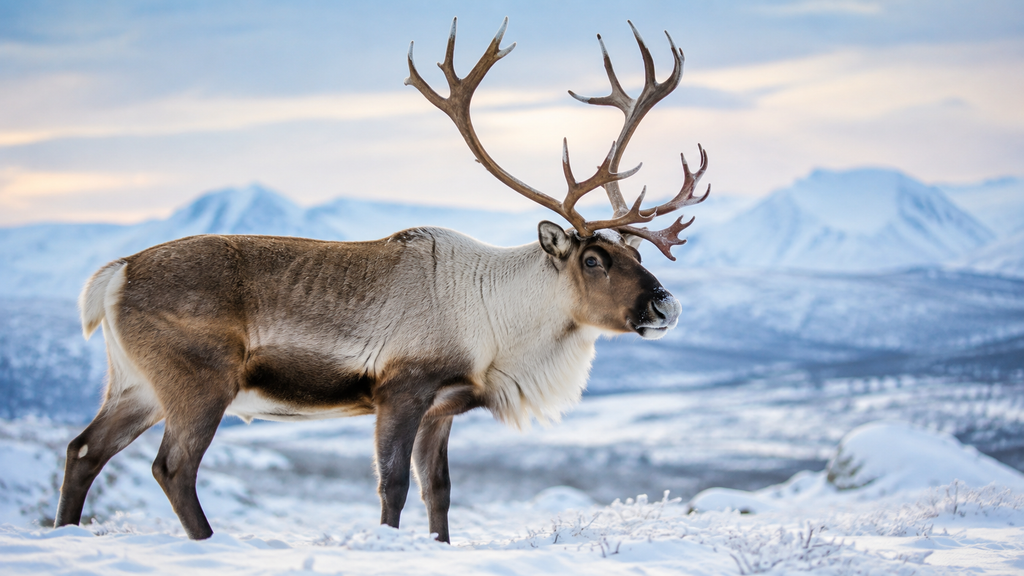
Reindeer are probably the most famous animals connected with Christmas. They are strongly associated with Santa Claus and his magical sleigh, especially through the story of Rudolph the Red-Nosed Reindeer. Real reindeer are adapted to extremely cold Arctic and subarctic environments, where they survive snowy winters and limited food.
They have thick fur, broad hooves, and antlers that help them cope with their environment. Reindeer can also travel long distances in search of food. Their snowy habitat and famous place in Christmas stories make them the most recognizable christmas animal.
Robin
The European robin is a small bird with a bright orange-red breast and brown back. It has become a familiar Christmas symbol, especially in the United Kingdom and parts of Europe. Robins frequently appear on Christmas cards, wrapping paper, ornaments, and holiday decorations.
Their connection with Christmas became particularly strong during the Victorian period when postmen wore red uniforms and robins became associated with Christmas mail. Their bright breast also fits naturally with the traditional red-and-green colors of Christmas. Today, the robin remains one of the most recognizable animals associated with Christmas.
Turkey
The turkey is strongly connected with Christmas dinner in several countries, particularly the United Kingdom, United States, Canada, and other Western countries. Turkeys are large ground-dwelling birds with powerful legs and distinctive fan-shaped tails. Wild turkeys naturally live in forests, woodlands, and open areas across North America.
They mainly eat seeds, nuts, fruits, insects, and other available foods. Although the turkey is not a christmas animals cute because of a wild winter tradition, its place on holiday dinner tables has made it an important part of modern Christmas culture. It is therefore one of the most familiar Christmas animals in food-related traditions.
Partridge
The partridge is famous because of the traditional Christmas song The Twelve Days of Christmas, which begins with a partridge in a pear tree. Partridges are ground-dwelling birds that generally have rounded bodies, short wings, and strong legs. Different species live in grasslands, farmland, scrubland, and other open habitats.
They feed on seeds, grains, plants, and small invertebrates. The bird’s connection with Christmas comes mainly from the song rather than from its natural behavior. Its appearance in Christmas decorations and holiday music has made the partridge a classic merry Christmas animals.
Dove
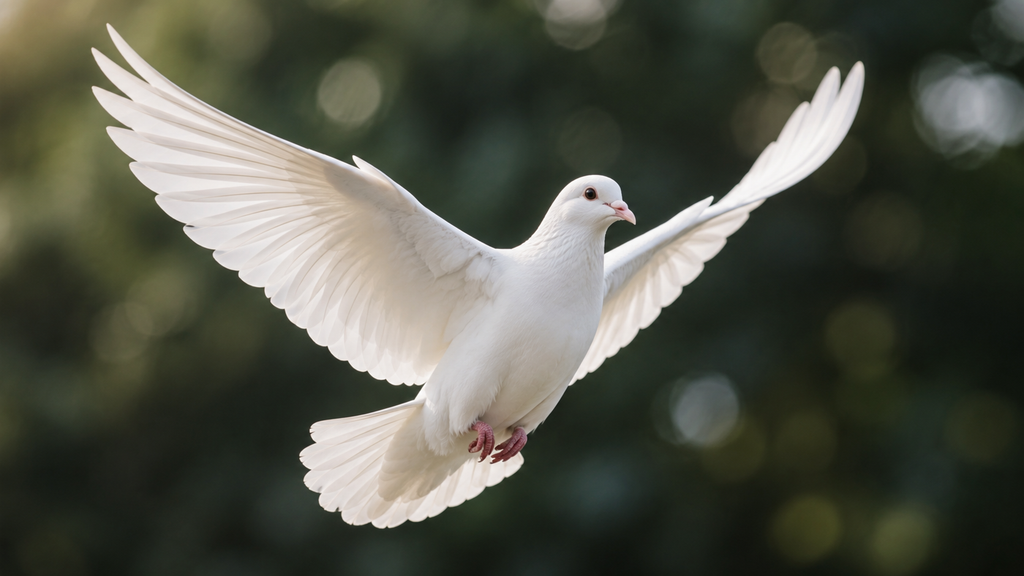
Doves and related birds are often associated with peace, love, hope, and spiritual symbolism during Christmas. Their gentle appearance and white plumage make them especially common in Christmas artwork and religious decorations. Doves belong to the pigeon family and can be found in many habitats around the world.
They mainly eat seeds, grains, fruits, and other plant material. In Christian symbolism, the dove is strongly connected with peace and the Holy Spirit. Because of these associations, doves are often included among animals associated with Christmas, particularly in religious Christmas imagery.
Sheep
Sheep have an important connection with the Christmas story because shepherds are described as visiting the newborn Jesus in Bethlehem. As a result, sheep and lambs frequently appear in Nativity scenes, Christmas decorations, and religious artwork. Sheep are social herbivorous mammals that usually live in groups and feed mainly on grasses and other vegetation.
Their thick wool helps protect them from cold temperatures. Young sheep, called lambs, are especially common in Nativity imagery. This connection with shepherds makes sheep an important traditional christmas animals images.
Donkey
Donkeys are another animal strongly connected with traditional Nativity imagery. They are commonly shown carrying Mary during her journey to Bethlehem, although this detail is based more on later tradition and artwork than on an explicit description in the biblical Nativity accounts.
Donkeys are hardy animals that have been used by humans for transportation and carrying loads for thousands of years. They are well adapted to dry environments and can survive on relatively tough vegetation.
Their calm nature and historical importance as working animals helped make them a familiar part of Christmas scenes. Today, the donkey remains one of the classic animals associated with Christmas.
Camel
Camels are traditionally associated with the Wise Men who traveled from the East to visit Jesus. Although the biblical account does not specifically state that the visitors traveled on camels, later Christmas traditions and Nativity scenes commonly portray them this way. Camels are remarkably adapted to dry environments and can travel long distances while conserving water.
Their broad feet help them move across sand, while their body adaptations allow them to tolerate extreme heat. The camel therefore became a memorable part of traditional Christmas artwork. It is particularly common in Nativity scenes representing the journey of the Magi.
Ox
The ox is frequently seen in traditional Nativity scenes alongside sheep, donkeys, and other animals. Oxen are domesticated cattle that have historically been used for pulling carts, plows, and other heavy loads. They are powerful herbivores that mainly eat grasses and other plant material.
Their large bodies and calm behavior made them useful working animals for humans. The presence of an ox near the manger became an important part of later Christmas artwork and tradition. Although the biblical Nativity accounts do not explicitly name an ox at the manger, it remains a familiar christmas animals in traditional scenes.
Goat
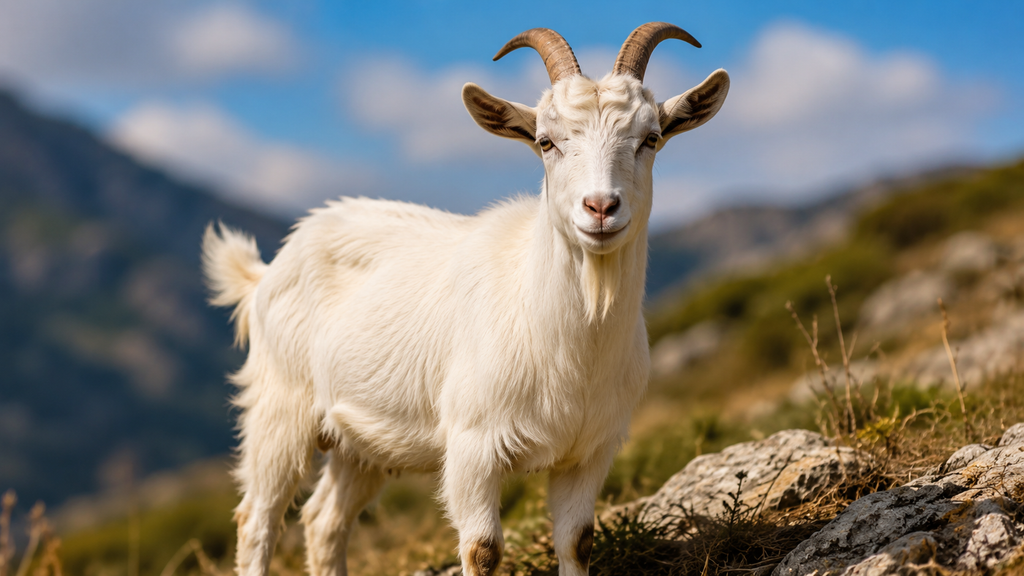
Goats are often included in traditional Nativity scenes and winter farm imagery, although their connection to Christmas is less direct than that of reindeer or sheep. They are hardy herbivorous mammals capable of living in a wide variety of environments. Goats can eat grasses, leaves, shrubs, and many other types of vegetation.
Their ability to climb and navigate rocky terrain makes them particularly adaptable animals. In historical farming communities, goats were also important sources of milk, meat, and fiber. Their presence in Christmas artwork helps represent the domestic animals that were familiar around ancient settlements.
Polar Bear
Polar bears are not part of traditional Christmas stories, but they have become strongly associated with modern Christmas and winter imagery. Their white fur, snowy habitat, and association with the Arctic make them a natural fit for Christmas decorations. Polar bears are powerful marine mammals that spend much of their lives around Arctic sea ice.
Their primary food is seals, which they often hunt near openings in the ice. Thick fur and a layer of body fat help protect them from freezing temperatures. Because Christmas imagery often features snow and ice, polar bears have become popular christmas animals in modern advertising and decorations.
Penguin
Penguins are another popular winter-themed animal frequently used in Christmas decorations, cards, children’s books, and holiday designs. Their black-and-white bodies and association with cold regions make them visually suited to snowy Christmas scenes. Penguins are flightless birds that spend much of their time in or around the ocean.
They use their wings as flippers to swim and catch fish, squid, and other marine prey. Not all penguins live in Antarctica, and several species inhabit relatively mild climates. Their connection with snow and winter has made penguins popular cute christmas animals even though they have no direct historical connection to the holiday.
Arctic Fox
The Arctic fox is a small mammal perfectly adapted to life in extremely cold northern environments. During winter, many Arctic foxes develop thick white fur that helps them blend into snowy landscapes. Their compact bodies, furry feet, and thick coats help reduce heat loss.
They eat rodents, birds, eggs, fish, and other available food and can survive when conditions are harsh. Their snowy habitat makes them a natural addition to modern winter and Christmas imagery. The Arctic fox is therefore a popular funny christmas animals pictures in snowy holiday artwork and decorations.
Snowy Owl
The snowy owl is a large white owl native to Arctic regions and is particularly famous for its striking appearance. Its white plumage provides excellent camouflage in snowy environments, especially during winter. Snowy owls mainly hunt small mammals such as lemmings, although they can also take birds and other prey.
Unlike many owl species, they are often active during the day, particularly in the Arctic summer. Their white feathers and northern habitat make them look naturally suited to winter scenes. For this reason, snowy owls sometimes appear in Christmas cards and seasonal decorations.
Red Fox
The red fox is a familiar winter animal found across much of the Northern Hemisphere. Its reddish-orange coat, white chest, and bushy tail give it a distinctive appearance that works well with traditional Christmas colors. Red foxes are highly adaptable and these foxes live in forests, grasslands, mountains, farmland, and even urban areas.
They are omnivores and eat rodents, birds, insects, fruits, and other available foods. Their thick winter coat helps them survive cold conditions. While the red fox is not a traditional Christmas symbol, its winter appearance makes it a popular animal in seasonal artwork and stories.
Cardinal
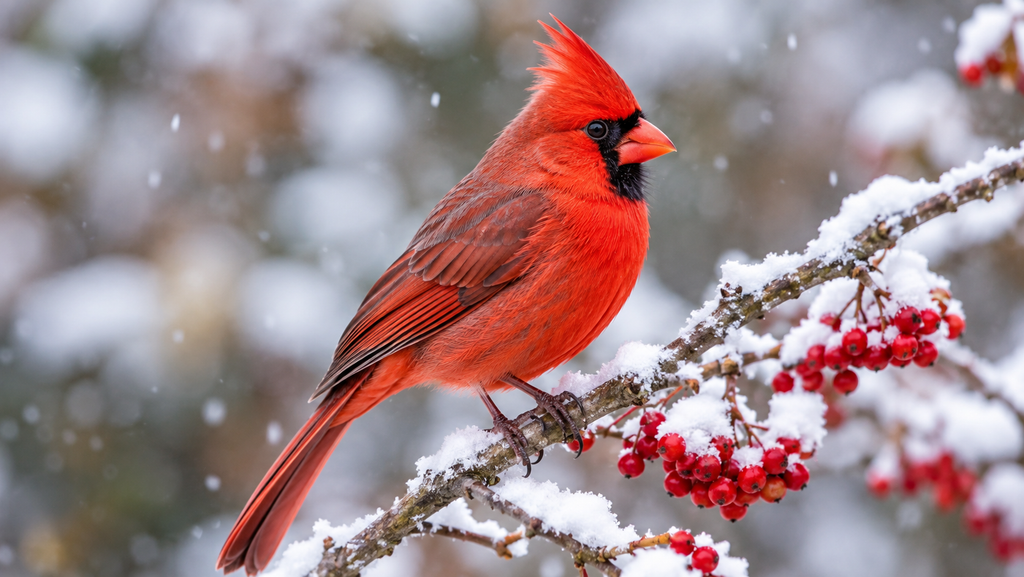
The northern cardinal is a bright red songbird that has become a popular Christmas symbol, particularly in North America. Male cardinals have brilliant red plumage, while females are more muted brown with reddish highlights. Their red color stands out beautifully against snowy winter landscapes, making them especially popular on Christmas cards and decorations.
Cardinals remain in their territories throughout winter rather than migrating long distances. They feed mainly on seeds, fruits, and insects. Their bright red color and snowy surroundings have made them one of the most recognizable modern stuffed christmas animals.
Wren
The wren is a tiny bird that has an interesting connection with winter traditions and Christmas folklore. In parts of Europe, especially Celtic traditions, the wren has been associated with winter and seasonal celebrations. Wrens are small, active birds that often have upright tails and surprisingly loud songs for their size.
They eat insects, spiders, and other small invertebrates. Their small size allows them to move through dense vegetation while searching for food. Although less famous than the robin, the wren is an interesting addition to the list of animated christmas animals because of its historical seasonal symbolism.
Squirrel
Squirrels are not traditional Christmas animals, but they frequently appear in modern winter scenes, holiday illustrations, ornaments, and children’s Christmas stories. Their bushy tails and active behavior make them easy to recognize. Many squirrels collect and store nuts and seeds before winter, creating food reserves for colder months.
Their winter survival behavior makes them naturally connected with snowy woodland imagery. Some squirrels remain active throughout winter, although they may reduce their activity during very cold weather. Their woodland appearance makes squirrels a charming winter christmas animals in modern holiday artwork.
Goose
Geese have appeared in winter and holiday traditions for centuries, especially in European food and seasonal celebrations. They are large waterfowl with strong bodies, long necks, and powerful wings. Wild geese can be found around lakes, rivers, wetlands, grasslands, and coastal areas depending on the species.
They mainly eat grasses, seeds, aquatic vegetation, and other plant material. Historically, goose was an important festive meal in some European cultures before turkey became more common. This cultural history gives the goose a place among animals associated with Christmas.
Christmas Tree Worm
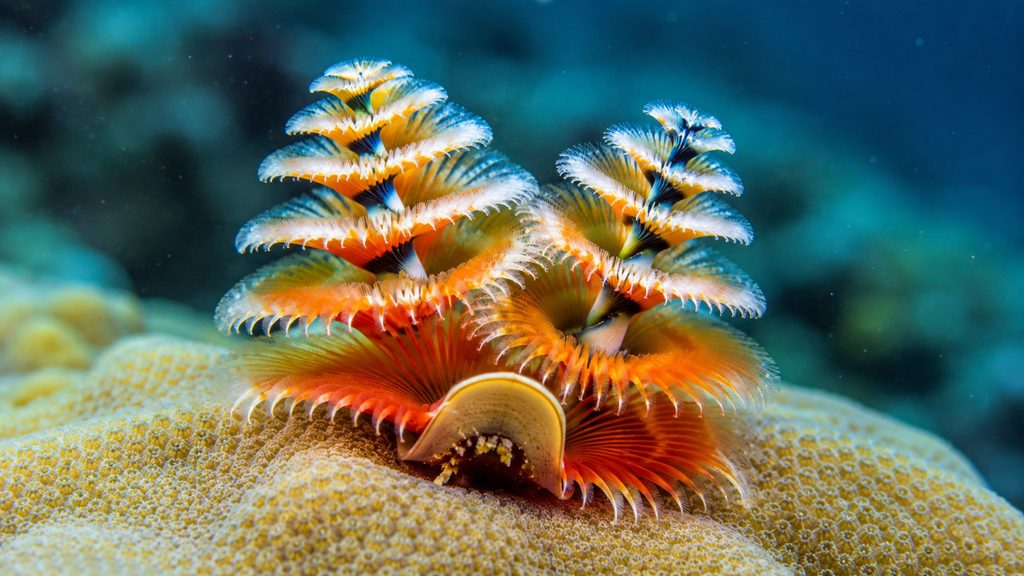
The Christmas tree worm is one of the most unusual animals connected with Christmas because its name comes directly from its appearance. This marine worm lives in tropical oceans and has two colorful spiral structures that resemble miniature Christmas trees.
When threatened, it can quickly retract its feathery structures into its protective tube. Unlike most animals on this list, it has no traditional Christmas symbolism. Its Christmas connection comes from its remarkable Christmas-tree-like appearance.
Why Are Animals Associated With Christmas?
Animals became connected with Christmas for many different reasons. Some are linked to religious stories and Nativity traditions, while others became popular through songs, literature, winter folklore, greeting cards, decorations, and modern media.
Reindeer are connected with Santa Claus, while the partridge became famous through The Twelve Days of Christmas. Sheep, donkeys, oxen, and camels became familiar through Nativity scenes. Birds such as robins and cardinals became popular because their colors and winter appearances work well with Christmas imagery.
Christmas Animals vs Winter Animals
Not every animal associated with Christmas has a direct connection to the holiday itself. It is useful to separate traditional Christmas symbols from animals that are mainly connected with winter.
Traditional Christmas animals include reindeer, partridges, sheep, donkeys, camels, and oxen because they appear in Christmas stories, songs, or Nativity traditions.
Winter-themed animals include polar bears, penguins, Arctic foxes, snowy owls, and red foxes. These animals are often used in Christmas imagery because they are associated with snow, cold weather, forests, or the Arctic.
Read May Also: Rainforest Animals List: Guide About Tropical Rainforest Animals
Conclusion
Some Christmas animals have religious or historical connections, while others are popular because they represent winter, snow, forests, or festive colors. The partridge, sheep, donkey, camel, and ox are closely connected with traditional Christmas stories, while polar bears, penguins, Arctic foxes, and cardinals are more common in modern seasonal imagery.
Whether you are looking for a christmas animal for a school project, holiday decoration, article, or simply want to learn more about animals associated with Christmas, these 20 animals show just how diverse Christmas symbolism can be.
FAQs
Why Are Reindeer Associated With Christmas?
Reindeer are associated with Christmas mainly because of the Santa Claus tradition. Their natural Arctic habitat also fits the snowy winter setting commonly used in Christmas stories and illustrations.
Is a Penguin a Christmas Animal?
Penguins are not traditionally connected with Christmas, but they are popular in modern Christmas decorations and artwork because they are associated with cold, snow, and winter landscapes.
What Bird Is Associated With Christmas?
The robin is one of the best-known Christmas birds, especially in Britain. Cardinals are also strongly associated with Christmas in North America because their bright red feathers stand out against snowy winter backgrounds.
Why Is the Partridge a Christmas Animal?
The partridge became associated with Christmas because it appears in the famous song The Twelve Days of Christmas. The song’s opening image is a partridge in a pear tree, making the bird a long-standing Christmas symbol.
Are Christmas Animals Real Animals?
Yes. The animals used in Christmas traditions are real species, although some of their holiday connections come from folklore, songs, stories, artwork, and cultural traditions rather than from the animals’ natural behavior.
What Animals are associated with Christmas?
The animals most commonly linked with Christmas are reindeer, donkeys, sheep, camels, oxen, doves, robins, and polar bears. Some come from the Nativity story, while others come from winter folklore and holiday traditions.
What are Christmas Animals Coloring Pages?
Christmas animals coloring pages are printable sheets with outlines of animals in festive settings, such as reindeer with Santa hats, penguins in scarves, or polar bears beside a Christmas tree. Children color them in with crayons, markers, or colored pencils.