
Top 15 Animals Like Groundhogs With Pictures and Facts
Groundhogs are often the stars of springtime, but they’re not the only burrowing animals worth knowing! With playful personalities and vital ecological roles, numerous animals like groundhogs inhabit our planet. Lets highlight the Top 15 Animals Like Groundhogs, revealing their behaviors and habitats.
By the end, you’ll not only appreciate these animals but also understand their importance in nature, all while enjoying captivating images.
Top 15 Animals Like Groundhogs List
Groundhogs are well known for their burrowing habits, strong claws, and herbivorous diets. Many other animals share similar physical features, behaviors, and habitats. From prairie dogs and marmots to chipmunks and squirrels, these fascinating creatures have adapted to life both above and below the ground.
Many animals that look like groundhogs, including badgers and muskrats, are most active at night. Explore our nocturnal animals guide to learn more about these fascinating nighttime creatures.
List of top 15 animals that look like groundhogs is given below:
- Prairie Dog
- Beaver
- Capybara
- Marmot
- Chipmunk
- Vole
- Rabbit
- Pika
- Badger
- Rock Hyrax
- Muskrat
- Gopher
- Squirrel
- Nutria
- Degu
Prairie Dog
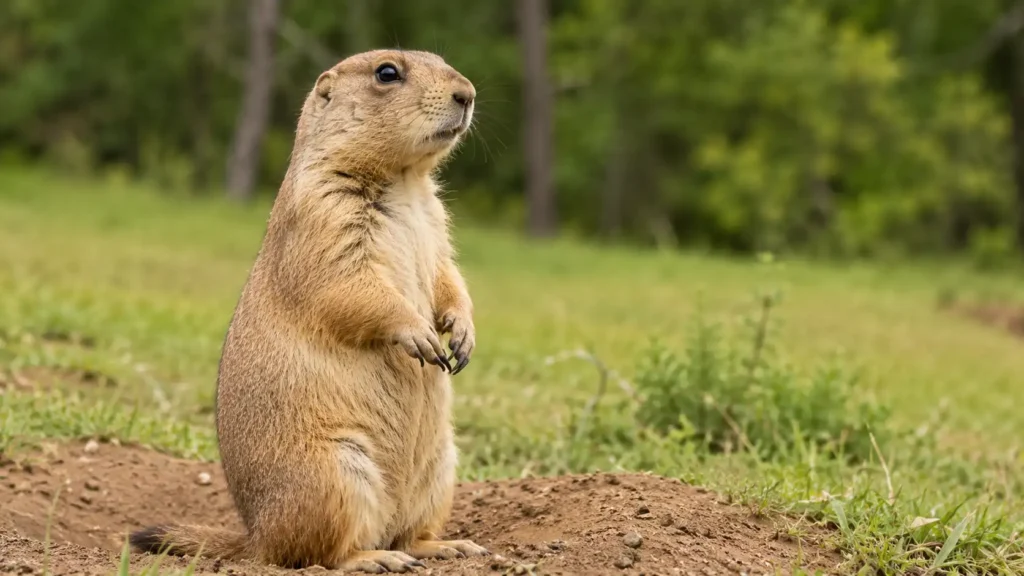
Groundhogs and prairie dogs may seem quite different at first glance, but they share fascinating adaptations that help them thrive in their respective environments. Prairie dogs have evolved to be social creatures, using complex burrow systems to keep safe from predators.
Unlike the solitary groundhog, these little rodents live in colonies, communicating through a series of chirps and barks that convey various messages. Their strong, flexible wrists allow them to dig effectively, creating extensive underground homes that provide protection from harsh weather and enemies.
These underground dwellers have a specialized diet primarily consisting of grasses and herbs. With their cheek teeth designed for grinding, they can efficiently consume their plant-based meals, which serve as essential fuel for their active lifestyle.
While they can’t climb like some other rodents, their impressive burrowing skills more than make up for it. In the extreme weather of their habitats, prairie dogs enter a state of hibernation during the colder months, ensuring their survival until spring arrives.
Fun Facts:
- Prairie dogs can communicate with over 20 different sounds, each indicating specific threats.
- A single colony can house up to several hundred prairie dogs, all working together for safety.
- They are known as “ecosystem engineers” because their burrowing creates habitats for other wildlife.
- Prairie dogs have a unique form of social behavior where they groom each other, strengthening their bonds.
- Their average lifespan in the wild is typically around three to five years, though some can live longer in protected areas.
- These creatures have vision adapted to detect movement quickly, helping them spot predators from afar.
Beaver
Groundhogs and beavers, although different, share fascinating adaptations that help them thrive in their environments. Beavers, known for their impressive skills in building dams, have strong, flexible wrists that allow them to maneuver easily through water and on land.
Their unique adaptations don’t stop there; these semi-aquatic mammals have powerful teeth specifically designed to fell trees and gnaw through tough bark, supporting their bamboo-based diet while providing materials for their intricate structures.
When it comes to survival strategies, beavers are masters of teamwork. They work in family units, constructing elaborate lodges where they can raise their young and find refuge from predators.
Fun Facts:
- Beavers can hold their breath underwater for up to 15 minutes while swimming.
- They have webbed feet that make them strong swimmers, perfect for aquatic life.
- A single beaver can gnaw through a tree trunk with remarkable speed, often taking down large trees in a matter of hours.
- Their fur is waterproof, allowing them to stay warm and dry in chilly waters.
- A beaver’s lodge can be as high as five feet and contain multiple chambers for different purposes.
- Beavers are often referred to as “ecosystem engineers” due to their ability to transform environments for many other species.
Capybara
When we think about animals similar to groundhogs, the capybara often comes to mind. These fascinating creatures are the largest rodents in the world and are native to South America.
Unlike groundhogs, which dig extensive burrow systems, capybaras are semi-aquatic and thrive near water sources, employing their webbed feet for quick swimming. Their unique adaptations, including a flexible, herbivorous diet that primarily consists of grasses and aquatic plants, help them survive in diverse environments.
Capybaras also possess remarkable social skills, often living in groups of 10 to 20 members. This social structure not only enhances their safety from predators but also aids in foraging, as they can watch out for each other while feeding.
Some animals that resemble groundhogs, such as voles, chipmunks, and squirrels, are known for their small and slender bodies. You can discover more fascinating species in our guide to skinny animals from around the world.
Fun Facts:
- Capybaras can hold their breath for up to five minutes underwater.
- They are known to be friendly and often bond with other animal species, including dogs and cats.
- A group of capybaras is often called a “herd,” but they can also be referred to as a “skulk” or “plump.”
- Their large, expressive eyes and ears are positioned high on their heads to stay above water while swimming.
- Capybaras are adept at sunbathing and can often be found lounging by the water’s edge.
- Their flexible wrists allow them to navigate through dense vegetation easily while foraging for food.
Marmot
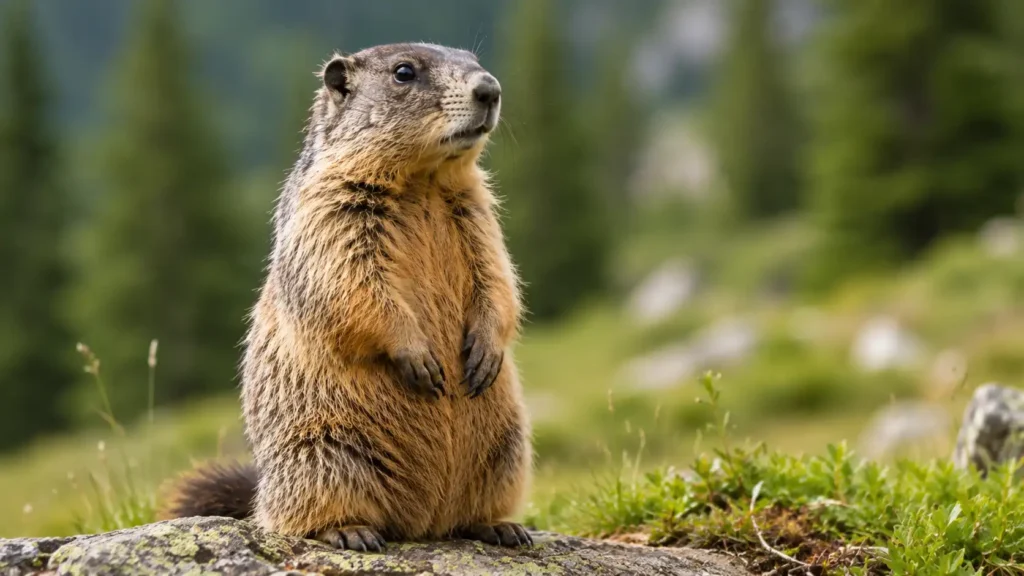
Marmots, often likened to groundhogs, possess remarkable adaptations that help them thrive in their environments. Their robust bodies are built for climbing, enabling them to navigate rocky terrains with ease. With flexible wrists, these furry creatures have an innate ability to dig snug burrows, offering safety from predators and harsh weather.
Their diet mainly consists of plant material, often gravitating towards a bamboo-based menu when available, showcasing their adaptability to various habitats.
Did you know marmots can communicate through a series of whistles? These vocalizations serve as warning signals to alert other members of their colony to approaching threats. Here are some additional fascinating facts about them:
Fun Facts:
- Marmots hibernate for up to six months, relying on stored body fat.
- They can reach up to 12 pounds, making them quite hefty for their size.
- These social animals thrive in colonies, often seen sunbathing together on rocky ledges.
- Marmots are excellent foragers and can be quite skilled at finding food buried beneath snow.
- Their keen eyesight allows them to spot predators from afar, enhancing their survival chances.
Chipmunk
When you think about groundhogs like animals, chipmunks certainly come to mind. These tiny, energetic creatures possess remarkable adaptations that help them thrive in various environments. With their flexible wrists, they maneuver effortlessly through tree branches, showcasing an impressive climbing ability.
Their bamboo-based diet enables them to be resourceful feeders, while clever survival strategies keep them safe from predators. Chipmunks are often underestimated due to their size, yet they exhibit fascinating behaviors.
They use vocalizations to communicate, creating a range of chirps and trills that can signal danger or express excitement. You might be surprised to learn that these little critters can store food in cheek pouches, allowing them to hoard snacks for the winter months.
Fun Facts:
- Chipmunks are most active during the day, often seen darting about in search of food.
- They can leap up to three feet, making them agile little acrobats.
- Unlike groundhogs, chipmunks prefer living in burrows that are often found close to trees.
- Chipmunks are solitary creatures, usually avoiding sharing their territory.
- Their stripes are not just for show; they help them blend into their surroundings.
- Chipmunks have a lifespan of about three years in the wild, but can live longer in captivity.
Vole
Groundhogs and voles may seem like distant cousins in the vast animal kingdom, but they share fascinating traits that help them thrive in their respective environments. Both exhibit impressive adaptations that facilitate survival. Voles, for instance, possess flexible wrists that allow them to navigate through tight spaces and burrow effectively.
They’re also skilled climbers, which is an adaptation that affords them some level of escape from predators. Their diet primarily consists of grasses and roots, but they particularly favor bamboo when available, showcasing their unique plant preferences.
Fun Facts:
- Voles are often referred to as “field mice,” though they’re not actually part of the mouse family.
- They communicate through a variety of vocalizations, including shrill calls to alert others of danger.
- Their short lifespans often lead them to produce multiple litters in a single season — sometimes up to five!
- Voles are known for their impressive tunnels, which can stretch several feet underground, providing safety and storage for food.
- Unlike the solitary groundhog, voles are social animals and often live in colonies.
Rabbit
When we think of animals like groundhogs, it’s easy to picture their burrowing lifestyles and plump bodies. Yet, rabbits also share adaptations that help them thrive in their environments. With strong hind legs for quick escapes and sensory whiskers for detecting dangers, these creatures are built for survival.
They have flexible wrists that aid in agility, making rapid movements possible when evading predators. Their diet primarily consists of grasses and leafy greens, showcasing their herbivorous nature. In the realm of unique characteristics, rabbits certainly stand out. Here are some fun facts that might surprise you:
Fun Facts:
- Rabbits can hop up to three times their body length in a single leap.
- Their teeth never stop growing, which is why they constantly gnaw on materials to keep them in check.
- A rabbit’s ears can rotate almost 270 degrees, allowing them to hear sounds from various directions.
- In the wild, rabbits live in groups, known as a warren, for added protection and social interaction.
- They can express emotions through their body movements, including a happy dance known as a “binky.”
Pika
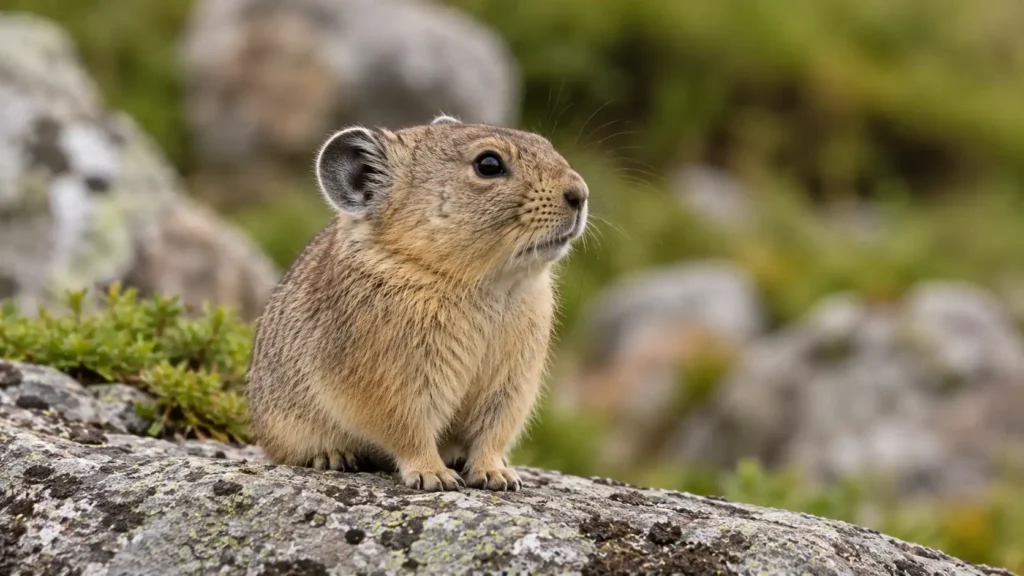
When you think of animals similar to groundhogs, the pika might not be the first to come to mind, but these small, furry creatures share some fascinating traits. Pika are unique because they have adapted remarkably well to life in rocky terrains and alpine environments.
Their specialized diet primarily consists of various types of grasses and herbs, including their favorite bamboo. This dietary preference helps them stockpile food in their burrows for the harsh winter months.
These tiny mammals have developed impressive survival strategies. For example, they don’t hibernate but rather gather and dry food during the summer to survive the cold. Pikas possess incredible vocalizations, often sounding like a mix between a squeak and a whistle, which they use to communicate with each other about potential dangers.
Fun Facts:
- Pikas are often referred to as “the cute cousins of rabbits.”
- They can be found in mountainous regions across North America and Asia.
- Pikas can survive in temperatures as low as -40°F (-40°C) thanks to their thick fur.
- These creatures can leap up to three feet in a single bound!
- Pikas are highly social and have strong family bonds, often living in small groups.
- Unlike groundhogs, pikas don’t dig extensive burrows; they prefer shallow nests among rocks.
Badger
When exploring the fascinating world of wildlife that shares similarities with groundhogs, badgers stand out as exceptional creatures. Both animals are burrowing mammals, but badgers are particularly notable for their robust build and unique adaptations.
Unlike groundhogs, badgers can climb trees, showcasing their versatility in navigating different terrains. Their diet primarily consists of small mammals, insects, and even fruits, making them opportunistic feeders in their environments.
Fun Facts:
- Badgers have a distinctive black-and-white facial pattern that makes them easily recognizable.
- They are primarily nocturnal and have excellent night vision, allowing them to hunt effectively in the dark.
- Social creatures at heart, badgers often live in family groups called cetes.
- The European badger, in particular, can weigh up to 30 pounds, making it one of the largest badger species.
- They use scent marking to communicate with others, leaving behind secret messages in their territory.
- Badgers can run swiftly, reaching speeds of up to 19 miles per hour when they feel threatened,
Muskrat
Muskrats, often grouped with animals that look like groundhogs, are fascinating creatures that thrive in wetland habitats. Their unique adaptations make them exceptional swimmers, equipped with webbed feet and a thick, waterproof fur that keeps them warm in chilly water.
Their flexible wrists allow them to manipulate objects easily as they build lodges and canals from reeds and other aquatic plants. This resourcefulness ensures they can thrive even in fluctuating environments.
These homes not only protect them from predators but also serve as a safe haven from harsh weather. They are often seen foraging for food, primarily feasting on a diet of aquatic vegetation and even some small fish, making them important players in the ecosystem.
Fun Facts:
- They can dive underwater for up to 15 minutes while searching for food.
- Muskrats have a strong pair of incisors that never stop growing, helping them constantly nibble on vegetation.
- They can weigh between 2 to 4 pounds, making them relatively small when compared to other rodents.
- Muskrats are known for their social behavior, often living in small family groups.
- Their flat tails help them steer while swimming and can even be used for communication by slapping the water’s surface.
- Muskrats play a key role in their ecosystem by helping maintain healthy wetland habitats.
Gopher
Groundhogs, often mistaken for gophers, share more ecological similarities with a variety of animals in the rodent family. These creatures have evolved exceptional adaptations for survival. Their strong, flexible wrists allow for impressive digging abilities, making them efficient at creating burrows.
Unlike some of their counterparts, groundhogs have a distinctive bamboo-based diet that provides them vital nutrients. Their climbing skills further enhance their survival strategies, giving them the ability to escape from predators and navigate diverse habitats.
Fun Facts:
- They can hibernate for up to six months during winter.
- Their burrows may reach depths of 5 feet and extend over 30 feet in length.
- Groundhogs have a strong sense of smell, aiding their foraging.
- They communicate using a series of whistles, warning others of danger.
- These animals have been known to eat about a third of their body weight in a day during summer.
- Groundhogs can run up to 15 miles per hour when fleeing threats.
Squirrel
Groundhogs and squirrels are both fascinating creatures that share habitats but have unique traits. Groundhogs primarily dig burrows, while squirrels are known for their incredible climbing skills. Their flexible wrists allow them to grasp branches and traverse trees effortlessly.
This adaptability enables them to escape predators and find food. Squirrels mainly feast on nuts and seeds, but some species also enjoy bamboo, showcasing their versatility in diet.
Fun Facts:
- Squirrels’ front teeth grow continuously, helping them gnaw on hard shells.
- They can swim surprisingly well when needed!
- Some squirrels, like the flying squirrel, can glide through the air.
- Their bushy tails act as rudders during jumps, helping with balance.
- Squirrels are important seed dispersers, aiding forest regeneration.
Nutria
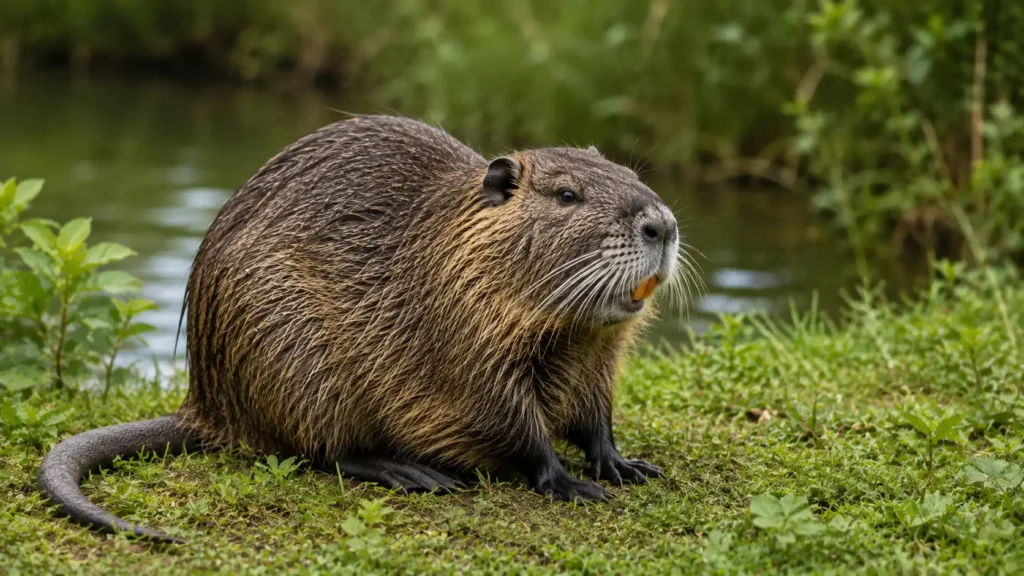
Nutria, often found swimming in wetlands, are fascinating creatures that share many characteristics with groundhogs. Like their burrowing cousins, nutria have adapted well to their environments.
Their flexible wrists allow them to navigate both land and water efficiently, while their climbing abilities ensure they can reach bamboo and other vegetation, a primary component of their diet. These survival strategies make them key players in their ecosystems.
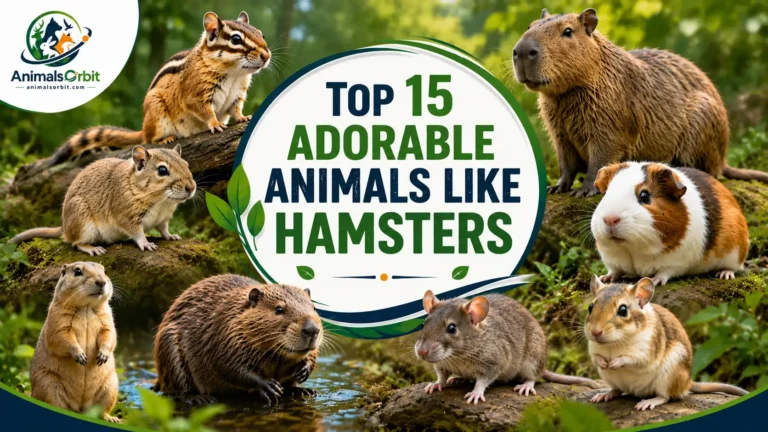
Groundhogs and hamsters may look quite different at first glance, but both belong to the rodent family and share several characteristics, including strong teeth, burrowing behavior, and herbivorous diets. If you enjoy learning about groundhog relatives, you might also like our guide to animals like hamsters.
Fun Facts:
- They can weigh up to 20 pounds, making them larger than most groundhogs.
- Their long, rat-like tails help with balance when navigating through wetlands.
- Nutria can reproduce quickly, with females giving birth to a litter of up to 13 young.
- Unlike groundhogs that hibernate, nutria remain active year-round.
- Their love for bamboo doesn’t just provide sustenance; it also influences the structure of their habitats.
- Nutria are proficient swimmers and can hold their breath underwater for up to five minutes.
Degu
The degu stands out as a remarkable animal like groundhogs in its unique adaptations. Found primarily in the grasslands of Chile, these small rodents possess exceptional climbing abilities thanks to their flexible wrists. This anatomical feature allows them to navigate rocky terrains with ease.
Their diet is predominantly bamboo-based, and their survival strategies include living in social groups, which enhances their protection against predators. Degus have a unique way of managing their dental health, actively chewing on wood or soft branches to prevent their teeth from overgrowing.
Fun Facts:
- Degus are highly social animals and prefer living in groups rather than alone.
- Unlike many other rodents, degus are active during the daytime, making them easier to observe in the wild.
- They communicate with one another using a variety of sounds, including whistles, squeaks, and chirps.
- Degus have excellent memories and can recognize individual members of their family groups.
- Native to Chile, these fascinating animals are skilled climbers and diggers that build complex underground burrows.
Final Thoughts
The diverse world of animals similar to groundhogs showcases the incredible adaptations and lifestyles that different species have developed. From playful prairie dogs to elusive marmots, these animals share common traits and habitats that make them fascinating subjects for study and admiration.
Their behaviors and social structures offer valuable insights into the ecosystem in which they thrive. By exploring these 15 remarkable animals, we gain a deeper appreciation for wildlife’s complexity and interconnectivity.
FAQs
What Looks Like a Groundhog With a Long Tail?
A beaver, muskrat, or nutria can look like a groundhog with a long tail. Among them, the nutria is often considered the closest match because of its stocky body, short legs, and brown fur.
What Looks Like a Groundhog but Bigger?
A capybara looks similar to a groundhog but is much larger. Capybaras are the world’s largest rodents and can weigh more than 100 pounds.
What Animal Looks Like a Large Groundhog?
The marmot is one of the animals that most closely resembles a large groundhog. In fact, groundhogs are a type of marmot, so they share many physical characteristics.
What are Groundhogs, and Where are They Commonly Found?
Groundhogs, also known as woodchucks, are large rodents native to North America, often found in wooded areas, fields, and gardens.