Top 15 Animals Like Ferrets You Should Know With Images
If you think ferrets are the cutest little troublemakers, wait until you meet the other adorable companions out there! Animals like ferrets share the same playful spirit and affectionate nature, making them perfect pets for those who seek spontaneity and joy.
We’ll uncover the top 15 similar animals, complete with captivating images and insights into their care and behavior. Prepare to discover the ideal furry friend for your home!
List of Animals like Ferrets
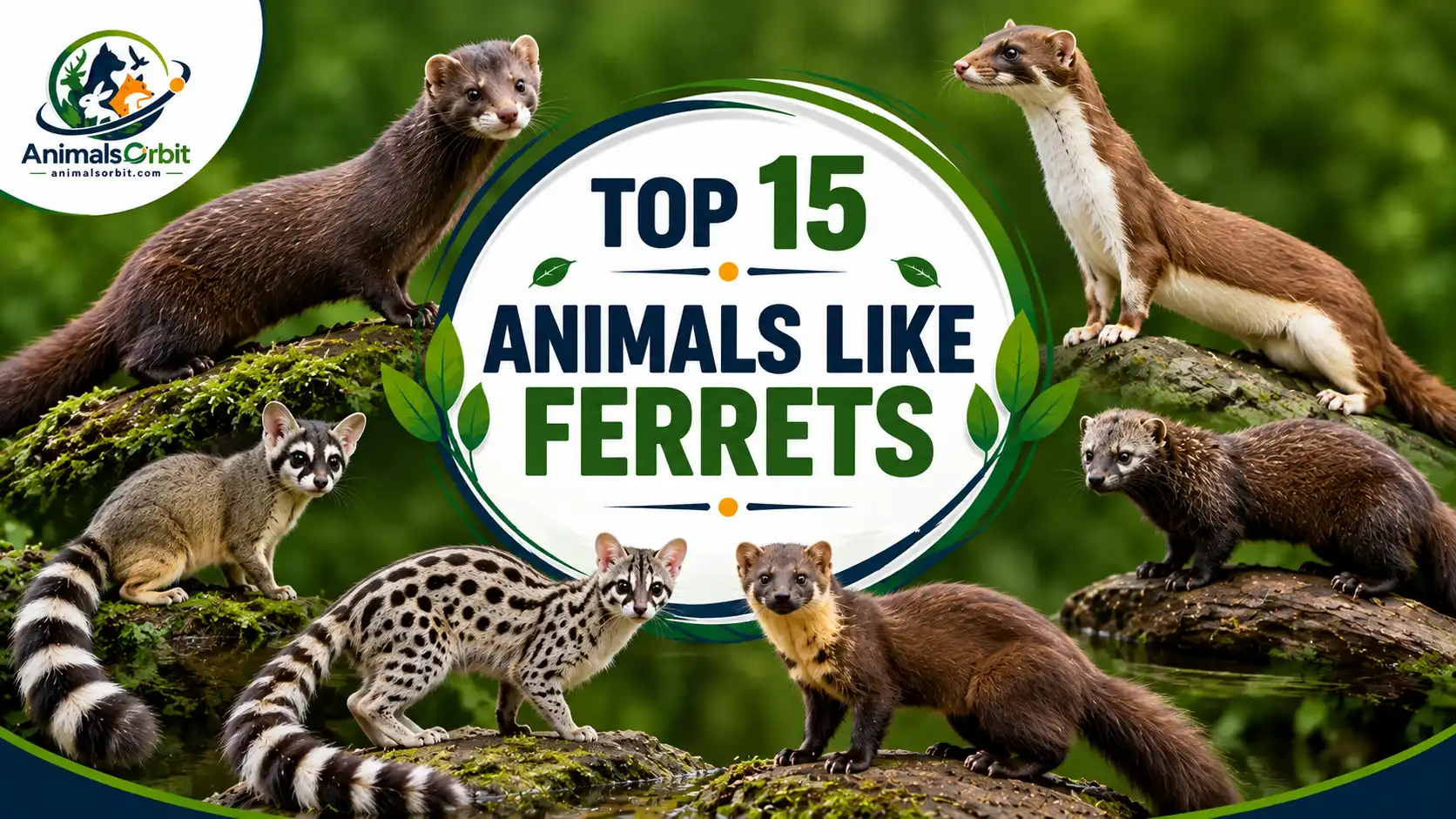
Ferrets are small, slender mammals known for their long bodies, curious nature, and playful behavior. Several other skinny animals have similar body shapes, features, or habits and may look like ferrets.
In this list, you’ll discover animals like ferrets, including weasels, stoats, minks, polecats, and other fascinating members of the mustelid family. Learn about their appearance, habitat, diet, and unique characteristics.
- Mink
- Weasels
- Ringtail
- Genet
- Martens
- Fisher
- Meerkat
- Skunks
- Wolverines
- Civet
- Stoat
- Mongooses
- Polecats
- Otters
- Badgers
- Mink
- Weasels
Mink
- Scientific Name: Neogale vison
- Class: Mammalia
- Diet: Carnivore
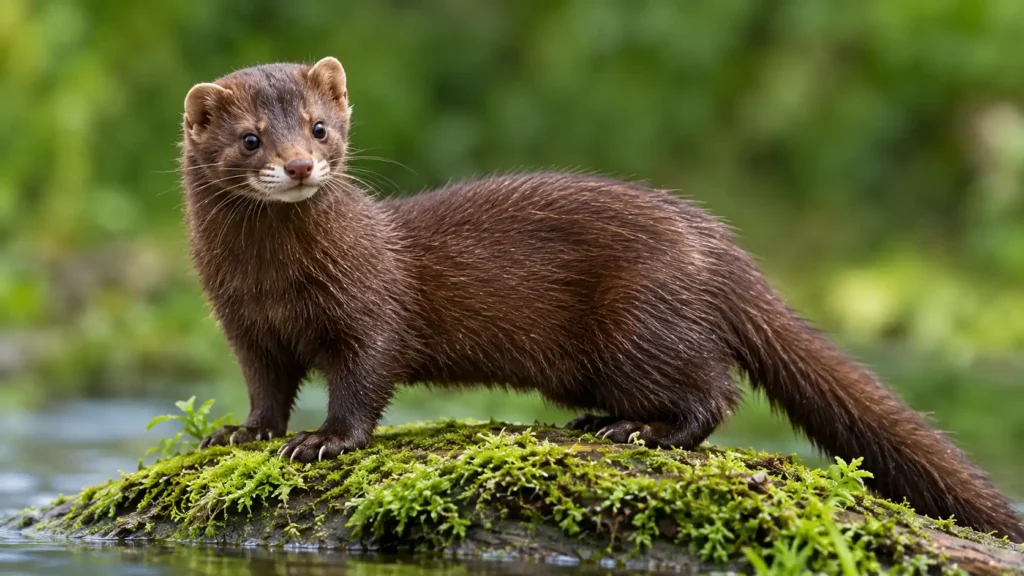
Minks, belonging to the weasel family, exude a certain charm that can make anyone fall in love with them. These sleek creatures are similar to ferrets but are distinguished by their luxurious fur and aquatic adaptability.
Found primarily near water bodies, minks are skilled swimmers, often diving to catch fish, crustaceans, and small mammals. Their playful nature and inquisitive demeanor can be quite similar to that of ferrets, making them fascinating companions in their own wild habitat.
When considering other animals like ferrets, the mink stands out not only for its charisma but also for its unique behavioral traits. They exhibit a remarkable level of intelligence, able to solve problems and navigate complex environments with ease. This intelligence, coupled with their agility, makes them captivating to observe.
Weasels
- Scientific Name: Mustela nivalis
- Class: Mammalia
- Diet: Carnivore
The American mink, a member of the weasel family, is a master of adaptability, often found in habitats ranging from lush wetlands to urban areas. Known for their sleek, dark fur and playful demeanor, these creatures share a familial bond with ferrets, showcasing similar hunting instincts and energetic playfulness.
While both animals have a carnivorous diet, minks have a slightly broader palate, feasting on everything from fish to small mammals. This versatility in diet highlights their survival skills, much like ferrets, which are well-known for their hunting prowess in household settings.
Observing these animals in their natural habitats reveals a world of playful antics and survival strategies that remind us of the innate characteristics shared among animals like ferrets and weasels and badgers and weasels. Whether in the wild or observed in captivity, the charisma of the American mink effortlessly captivates anyone lucky enough to cross its path.
Ringtail
- Scientific Name: Bassariscus astutus
- Class: Mammalia
- Diet: Omnivore
The ringtail, often known for its striking banded tail, is an intriguing cousin of the ferret. With a body structure that mirrors the nimbleness of its mustelid relatives, the ringtail displays a playful demeanor akin to that of ferrets. They thrive in arid habitats, showcasing a remarkable adaptability that allows them to flourish in dry climates.
Another fascinating feature of the ringtail is its social behavior. Unlike their more solitary ferret counterparts, ringtails can be seen occasionally mingling with others, offering a glimpse into a community-oriented lifestyle.
This unique dynamic adds depth to their character, making them captivating subjects for wildlife enthusiasts. Observing a ringtail in its natural habitat reveals an animal full of surprises, showcasing both resourcefulness and an undeniable curiosity about the world around it.
Genet
- Scientific Name: Neogale vison
- Class: Mammalia
- Diet: Carnivore
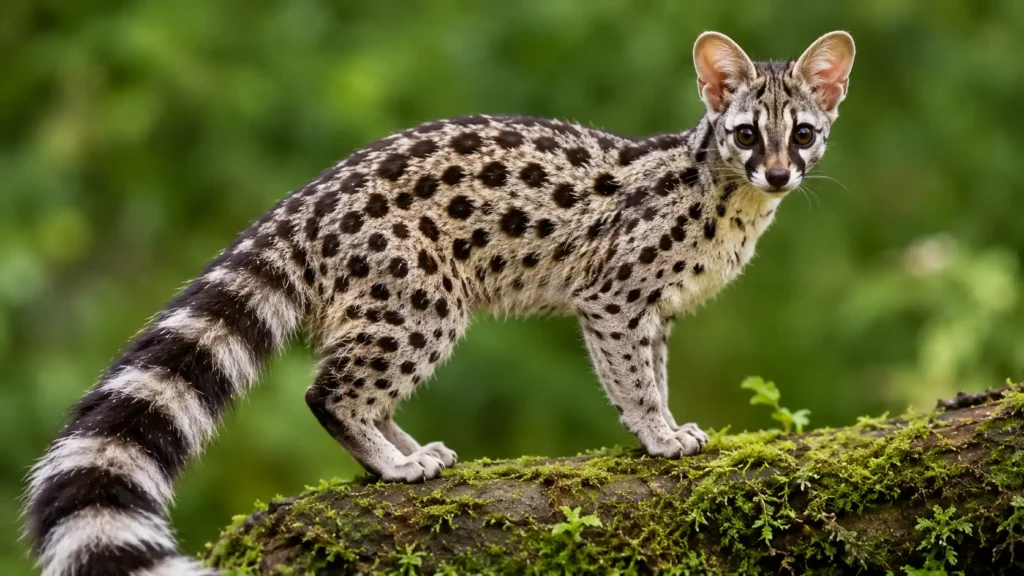
Among the fascinating ferret looking animal, the Genet stands out with its exquisite blend of elegance and adaptability. Originating from Africa and parts of Europe, the Genet boasts a long, slender body, marked by strikingly patterned fur that helps it remain stealthy in its natural habitat.
Its unique physical traits, including a pointed snout and long tail, make it a truly captivating creature. Much like ferrets, Genets are highly active and curious, often seen prowling through the underbrush in search of small rodents, insects, and even birds to feast upon.
What sets Genets apart is their remarkable agility and climbing skills, allowing them to navigate trees with grace. Their nocturnal nature means they are masters of the night, using keen senses to hunt and evade predators.
Unlike ferrets, which are domesticated and thrive in human homes, Genets remain wild, holding an air of mystery that beckons wildlife enthusiasts. Although ferrets are predators and hamsters are mainly kept as small animals like ferrets, both are fascinating mammals with unique behaviors and characteristics.
Martens
- Scientific Name: Martes
- Class: Mammalia
- Diet: Carnivore
Martens, closely related to the mustelid family like ferrets, are agile and curious creatures that occupy various habitats across the globe. With their sleek bodies and long, bushy tails, these animals are expertly adapted for climbing trees and navigating dense forests.
Unlike ferrets, which are often domesticated, martens thrive in the wild, showcasing their prowess as hunters by feasting on small mammals, birds, and even fruits during the warmer months. Their diets mirror those of ferrets in their opportunistic nature, highlighting their adaptability in diverse environments.
These fascinating animals are not just striking to look at; they also play a crucial role in their ecosystems. By controlling the populations of smaller prey, martens help maintain a balanced environment, which is vital for the health of forests. Their playful demeanor, similar to that of ferrets, makes them endearing despite their wildness.
Fisher
- Scientific Name: Pekania pennanti
- Class: Mammalia
- Diet: Carnivore
The fisher is a fascinating member of the mustelid family, often compared to the lively ferret but with some unique traits that make it stand out. Unlike ferrets, which are domesticated and love to snuggle, fishers are wild creatures that thrive in North America’s dense forests.
Their sleek bodies and long tails make them agile climbers, so you might spot them gracefully maneuvering through the treetops in search of small mammals, especially their favorite prey, porcupines.
These animals like a ferret are also known for their fierce energy and playful behavior, which endears them to wildlife enthusiasts. Their glossy fur, a blend of deep brown and black, not only aids in camouflage but also serves as a reminder of their adaptability.
Meerkat
- Scientific Name: Suricata suricatta
- Class: Mammalia
- Diet: Omnivorous
The meerkat, a member of the mongoose family, showcases a fascinating blend of sociability and adaptability, much like animals like ferrets and otters. These charismatic creatures thrive in group settings, known as “mobs,” where they partake in cooperative behaviors that enhance their survival.
Standing upright on their hind legs, meerkats display an alertness akin to ferrets, always on the lookout for predators while simultaneously engaging with each other in a ritual of playful antics and mutual grooming.
In their native habitats of southern Africa, meerkats have an omnivorous diet, devouring everything from insects to small reptiles and even fruits. This adaptability in food choices parallels the ferret’s diverse diet, allowing both to thrive in various environments.
Skunks
- Class: Mammalia
- Diet: Omnivorous
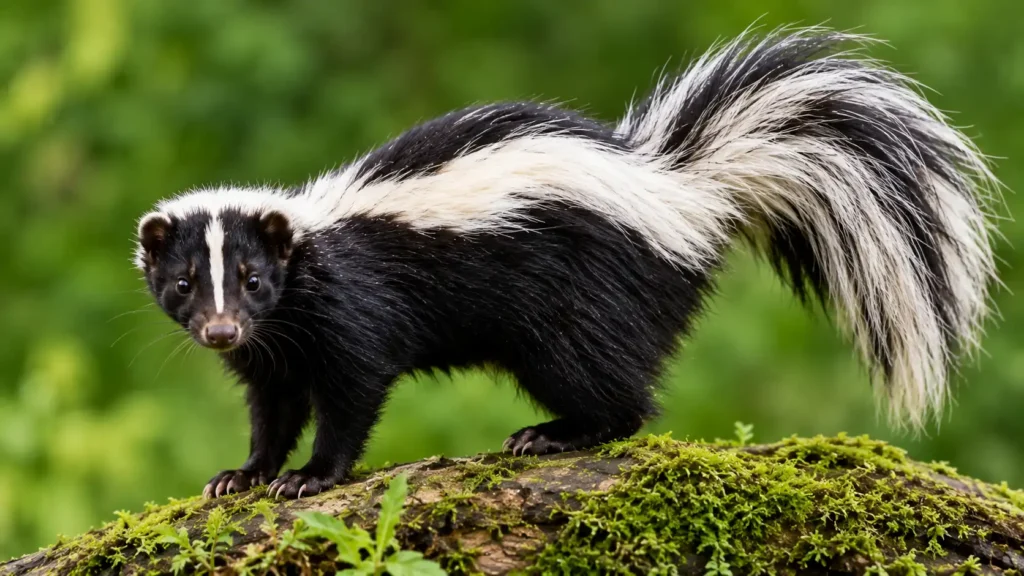
Skunks, often misunderstood due to their potent spray, are charismatic creatures that share some similarities with animals like ferrets. Both are part of the Mustelidae family, making them clever, inquisitive, and playful. Skunks possess a curious nature that often leads them to explore new environments, just like ferrets, who love to investigate their surroundings.
Unlike their ferret relatives, skunks also have a unique adaptation: their ability to spray a foul-smelling liquid as a defense mechanism. This fascinating trait serves a purpose beyond mere protection; it also plays a role in social interactions among skunks.
While not typically kept as animals like ferrets for pets, skunks can be domesticated, and they offer a playful alternative to other small mammals. As ferret like animals, skunks remind us of the diverse and often surprising nature of wildlife, inviting curiosity and respect from all who encounter them.
Wolverines
- Scientific Name: Gulo gulo
- Class: Mammalia
- Diet: Omnivorous
Wolverines, often overshadowed by their more famous relatives, are remarkable creatures that share similar agile characteristics with ferret looking animals. Known for their stout bodies and bushy tails, these resilient mammals are built for survival in harsh environments.
Wolverines thrive in cold, rugged terrains, and their impressive stamina allows them to travel long distances in search of food, exhibiting behaviors that align them with the playful yet resourceful nature of ferrets.
Much like ferrets’ inquisitive personalities, wolverines are equally curious and intelligent. Their omnivorous diet ranges from small rodents to carrion, which they can fiercely defend against larger predators.
This adaptability not only showcases their survival skills but also emphasizes their cunning nature, making them intriguing subjects in the animal kingdom. Studying wolverines offers a fascinating glimpse into a world where bravery and cleverness go hand in hand much like with our endearing ferret friends.
Stoat
- Scientific Name: Mustela erminea
- Class: Mammalia
- Diet: Carnivorous
The stoat, often mistaken for its larger cousin, the weasel, displays a captivating charm that makes it an intriguing animal like ferrets. Known for its sleek body and distinctive seasonal coat change, the stoat goes from a rich brown in summer to a striking white in winter, a perfect adaptation for blending into its snowy surroundings.
They are agile hunters, preying on small mammals, birds, and even the occasional insect, showcasing their resourceful and opportunistic nature. What makes the stoat particularly fascinating is its playful demeanor and high energy.
These small mammals are known to engage in acrobatic displays, often leaping and twirling in apparent glee. Observing a stoat in action reflects a lively spirit similar to that of ferrets, capturing the hearts of wildlife enthusiasts. Their curious behavior and sharp intellect make stoats not just survivalists of the wild, but captivating creatures to learn about and appreciate.
Mongooses
- Scientific Name: Herpestidae
- Class: Mammalia
- Diet: Carnivorous
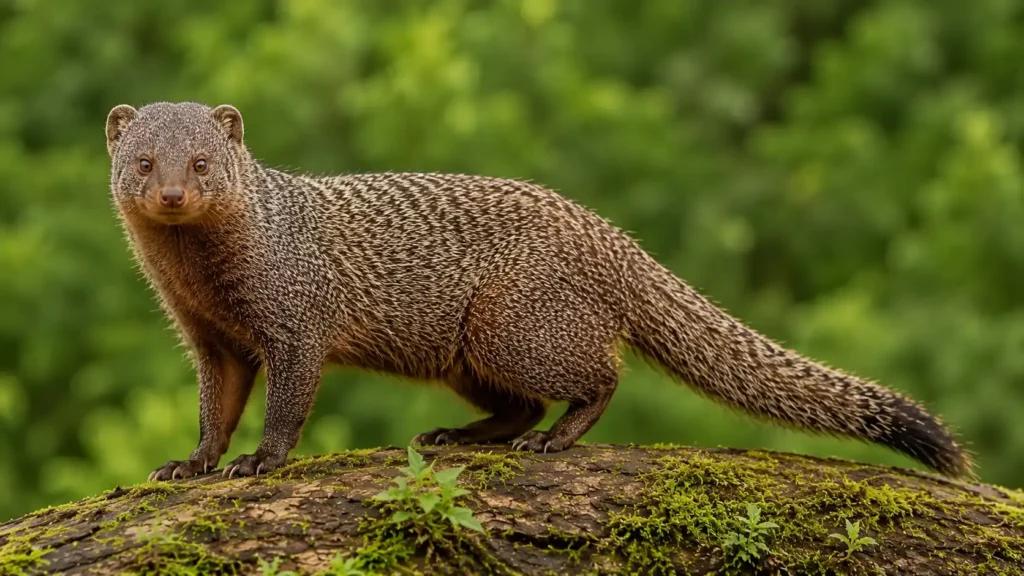
Mongooses are fascinating creatures that share some behavioral traits with ferrets, making them an intriguing subject for animal enthusiasts. These small carnivores are known for their agility and intelligence, often displaying remarkable problem-solving skills.
They are renowned for their ability to take on venomous snakes, showcasing their fearlessness and dexterity. Like ferrets, mongooses thrive in social groups, living in family units where they engage in playful interactions, forging strong social bonds.
These agile mammals are found in various habitats, from forests to savannas, which allows them to adapt to different environments much like their ferret counterparts. Mongooses primarily feed on insects, small mammals, and bird eggs, employing their sharp senses to locate prey.
Their diverse diet and social structures enable them to thrive in various ecosystems. If you’re captivated by animals like ferrets, paying attention to mongooses can reveal a world of fascinating behaviors and adaptations that highlight the incredible diversity of the animal kingdom.
Polecats
- Scientific Name: Mustela putorius
- Class: Mammalia
- Diet: Carnivorous
Polecats, often likened to their domesticated cousins, the ferrets, are fascinating creatures worth exploring. Native to Europe and parts of Asia, these weasels have a sleek, elongated body and a playful demeanor reminiscent of ferrets. Their rich brown fur and distinctive facial markings contribute to their charm, making them an intriguing sight in the wild.
Feasting primarily on small prey like rodents, birds, and insects, polecats play a crucial role in maintaining ecological balance. Their hunting skills and energetic lifestyle mirror those of animals like ferrets, showcasing the interplay between predator and prey in their environments.
You May Also Like: Top 15 Animals like Weasels With Pictures & Hidden Facts
Otters
- Scientific Name: Lutra canadensis
- Class: Mammalia
- Diet: Carnivorous
Otters, much like ferrets, are members of the Mustelidae family and are known for their playful and social behaviors. They thrive in aquatic environments, showcasing remarkable agility and adaptability.
With their sleek bodies and webbed feet, otters are talented swimmers, diving gracefully in pursuit of fish, crustaceans, and even small mammals. This versatility not only reflects their opportunistic feeding habits but also highlights the critical role they play in maintaining aquatic ecosystems by controlling prey populations.
Both ferrets and otters are celebrated for their intelligence and curiosity. Otters often use tools, such as rocks, to crack open shells, demonstrating a level of problem-solving skills that captivates wildlife enthusiasts.
Badgers
- Scientific Name: Meles meles
- Class: Mammalia
- Diet: Omnivorous
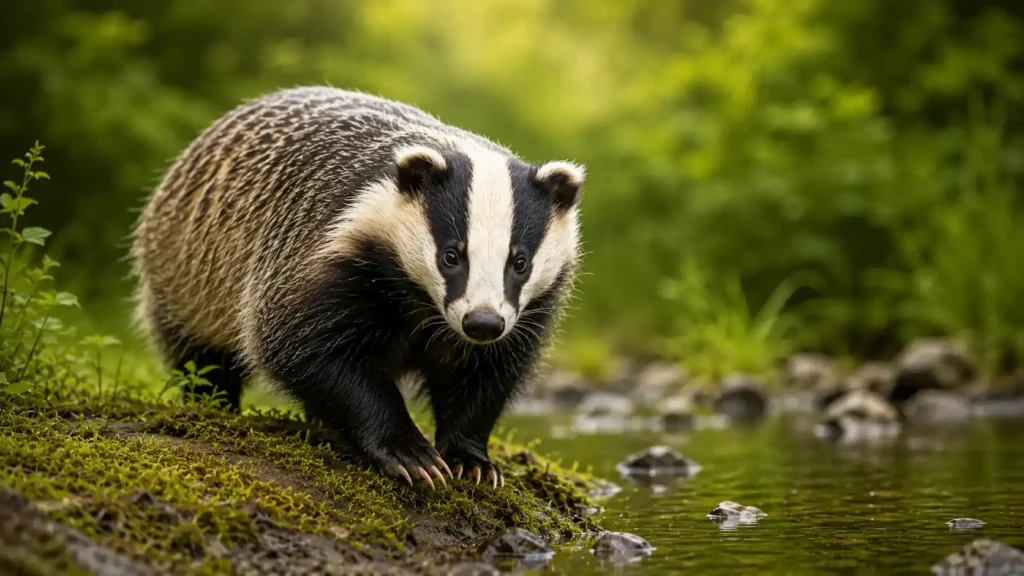
Badgers, much like their ferret counterparts, are fascinating creatures with unique social behaviors and adaptability. Found predominantly in Europe and parts of Asia, these nocturnal mammals have a sturdy build that helps them dig extensive burrow systems.
Their lively, inquisitive nature makes them similar to ferrets in personality, evoking curiosity among wildlife enthusiasts. While ferrets display frenetic energy in play, badgers exhibit a more laid-back style, often lounging in their dens during the day before venturing out at night in search of food.
This omnivorous diet leads them to consume a mix of fruits, insects, and small mammals, showcasing their resourcefulness in varying habitats. Badgers are also known for their strong family bonds, often living in clans that work together to protect their territory.
Read May Also: Top 20 Animals Like Raccoons With Pictures and Hidden Facts
Conclusion
Exploring the world of animals similar to ferrets reveals a fascinating array of creatures that capture our hearts with their playful antics and cuddly appearances. From the agile mongoose to the charming sugar glider, each of these animals offers unique traits that may resonate with ferret enthusiasts.
Whether you’re considering adding a new pet to your family or simply enjoying the diversity of the animal kingdom, the options listed serve as wonderful alternatives. Remember, owning a pet is a commitment, so take your time to research each animal’s needs and behaviors.
FAQs
What Pets Are Similar to Ferrets?
Pets that are somewhat similar to ferrets include Mink, Weasel, Stoat, and Polecat. Among pets, Ferrets are especially known for their playful, curious, and active nature.
What Animal Is a Ferret Closest To?
A ferret is most closely related to the European Polecat. Ferrets were domesticated from polecats and belong to the Mustelid Family, which also includes weasels, stoats, badgers, and otters.
What Is a Ferret’s Enemy?
Ferrets can face predators such as Foxes, Birds of Prey, Coyotes, and Large Dogs. Young or wild ferrets may be more vulnerable because of their small size.
What Are Ferrets Afraid Of?
Ferrets may become frightened by Loud Noises, Sudden Movements, Unfamiliar Animals, and New Environments. Their reaction can vary depending on their personality and past experiences.
Is It Okay If a Ferret Bites You?
A ferret bite should not be ignored, especially if the skin is broken. Wash the Wound Thoroughly With Soap and Water and seek medical advice if the bite is deep, becomes red or swollen, or if the ferret’s vaccination status is unknown.
What is a Least Weasel?
The least weasel (Mustela nivalis) is the smallest carnivore in the world. It has a long, slender body, short legs, and a small flat head, which lets it chase prey into tiny burrows.
What is the difference between a Ferret, a Weasel, and a Stoat?
All three belong to the Mustela genus in the mustelid family, but they differ in size, appearance, and lifestyle. Weasels are the smallest, stoats are mid-sized with a black-tipped tail, and ferrets are domesticated animals that are usually larger and heavier.