
Top 20 Animals With Flippers (With Pictures)
For animals that live in or around water, moving efficiently can mean the difference between finding food and avoiding danger. Flippers help seals, penguins, sea turtles, and otherflippered aquatic animal pi swim, steer, and navigate their habitats, though each group has adapted these limbs in its own way. Explore 20 animals with flippers, see pictures of their varied forms, and learn how these adaptations support survival and contribute to aquatic ecosystems.
List of Animals With Flippers
Below is the the list of animals that have flippers:
| Number of Animals | Names of Animals with flippers |
| 1 | Humpback Whale |
| 2 | Orca |
| 3 | Harbor Seal |
| 4 | Blue Whale |
| 5 | California Sea Lion |
| 6 | Walrus |
| 7 | Bottlenose Dolphin |
| 8 | Green Sea Turtle |
| 9 | Elephant Seal |
| 10 | Manatee |
| 11 | Leatherback Sea Turtle |
| 12 | Emperor Penguin |
| 13 | Dugong |
| 14 | Dall’s Porpoise |
| 15 | King Penguin |
| 16 | Leopard Seal |
| 17 | Kemp’s Ridley Sea Turtle |
| 18 | Sea Otter |
| 19 | Galapagos Penguin |
| 20 | Monk Seal |
Humpback Whale
Scientific Name: Megaptera novaeangliae
Class: Mammalia
Diet: Carnivore
Humpback whales are known for their unusually long, powerful flippers, which can reach about a third of their body length. Along each flipper’s leading edge are rounded bumps called tubercles. These features help the flippers on animals generate lift and maintain control, allowing a whale to make tight turns and adjust its position with surprising agility for such a large animal.
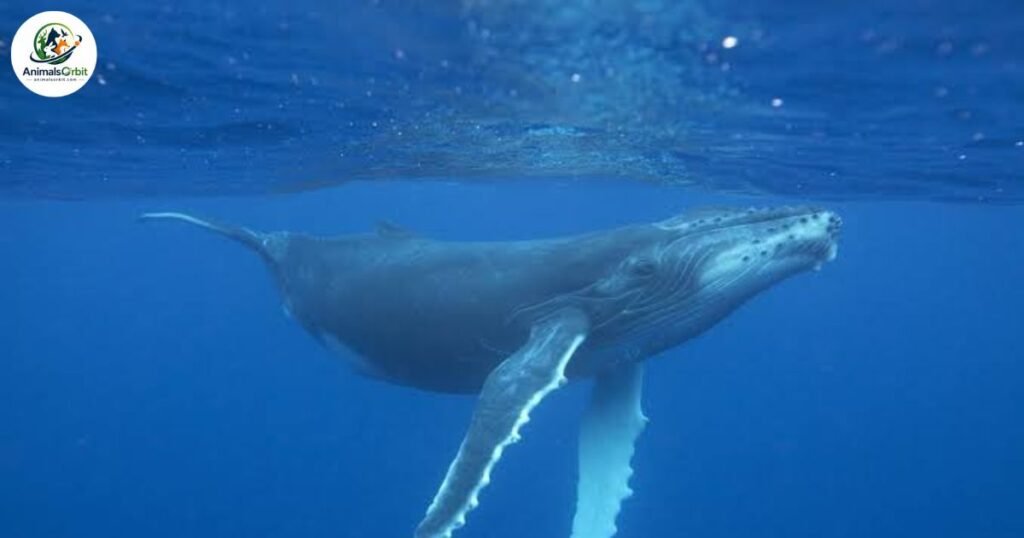
That control supports more than everyday swimming. Humpbacks use their flippers to roll, pivot, and make sweeping movements during acrobatic displays, and they may slap them against the water as a visible and audible signal. Flippers also help stabilize and steer the whale as it travels across ocean basins on long migrations, while its tail provides the main forward thrust.
Orca
Scientific Name: Orcinus orca
Class: Mammalia
Diet: Carnivore
An orca’s broad pectoral flippers help it steer through the water, brake, and make swift turns as it swims. Working alongside its strong tail flukes, these flippers give the whale control during quick changes in direction, useful when pursuing prey or moving through a tightly coordinated hunt. In a pod, that agility can help individuals adjust their positions and work together, while each whale’s role depends on the group and the situation.
Orcas also rely on communication and social learning. They use calls and other sounds to stay in contact, and their intelligence helps them navigate relationships and coordinate activity within the pod. Protecting the ocean environments on which orcas depend is essential to supporting these complex social lives.
Harbor Seal
Scientific Name: Phoca vitulina
Class: Mammalia
Diet: Carnivore
Harbor seals are shaped for life in the water, with streamlined bodies, short front flippers, and powerful rear flippers. Their rear flippers provide most of their swimming thrust, moving from side to side to propel them through coastal waters. The front flippers help with steering and balance, allowing seals to adjust course as they move among shorelines, reefs, and other underwater terrain.

This combination of body shape and flipper movement helps harbor seals pursue fish and other prey, maneuver during a chase, and dive beneath the surface to forage. Their swimming abilities support life in varied marine habitats, where they must move efficiently between feeding areas and sheltered resting places.
Blue Whale
Scientific Name: Balaenoptera musculus
Class: Mammalia
Diet: Carnivore
Blue whales’ pectoral flippers are relatively small compared with their massive bodies, yet they are powerful tools for control. Their flexible structure lets the whales adjust the angle and position of each flipper as they move, helping them steer through the water and maintain balance.
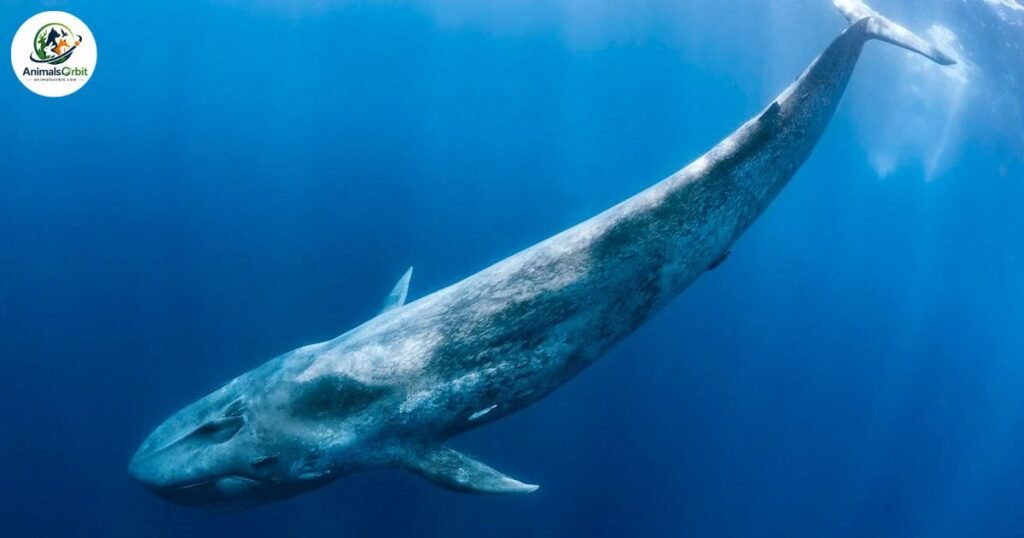
That fine control supports smooth, graceful turns and helps blue whales maneuver through the ocean while searching for krill. Rather than serving mainly as a source of forward motion, the flippers help guide each change in direction, allowing these enormous animals to navigate with surprising precision.
California Sea Lion
Scientific Name: Zalophus californianus
Class: Mammalia
Diet: Carnivore
California sea lions are powerful, agile swimmers, propelled through the water mainly by their strong front flippers. Sweeping them back and forth gives the animals thrust, while their rear flippers help steer and adjust direction. By changing the angle and force of each stroke, a sea lion can turn quickly, maneuver through coastal waters, and dive in pursuit of food.
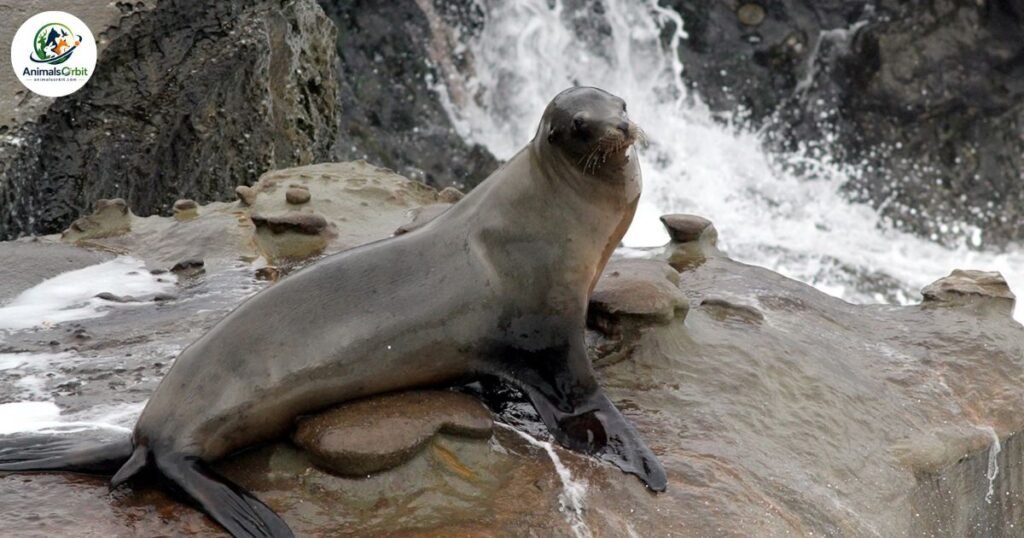
Their sea animals with flippers are useful beyond swimming. On land, sea lions can rotate their rear flippers forward and use them with their front flippers to move across rocks and beaches. That mobility helps them navigate crowded haul-out sites where they rest near other sea lions. From shore to open water, coordinated flipper movement supports the agility they need to forage, travel, and thrive along the coast.
Walrus
Scientific Name: Odobenus rosmarus
Class: Mammalia
Diet: Carnivore
A walrus’s broad front flippers are useful tools for life in Arctic waters: they power swimming strokes and help the animal steer as it moves. Its rear flippers contribute propulsion and control in the water, then can rotate forward under the body to help the walrus move over ice. This flexibility supports travel between marine feeding grounds and haul-out areas.
While searching for food on the seafloor, walruses can use their flippers to maneuver and maintain position as they forage. Their flippers do not replace the sensitive whiskers and suction used to locate and take prey; instead, they help the animal move through its habitat. Combined with insulation from blubber, these traits help walruses survive in cold Arctic waters and on ice.
Bottlenose Dolphin
Scientific Name: Tursiops truncatus
Class: Mammalia
Diet: Carnivore
Bottlenose dolphins use their curved pectoral flippers to make quick, controlled movements through the water. While the tail flukes provide most of their forward propulsion, the flippers help steer, maintain balance, and turn sharply useful abilities when navigating changing conditions or moving alongside other dolphins.
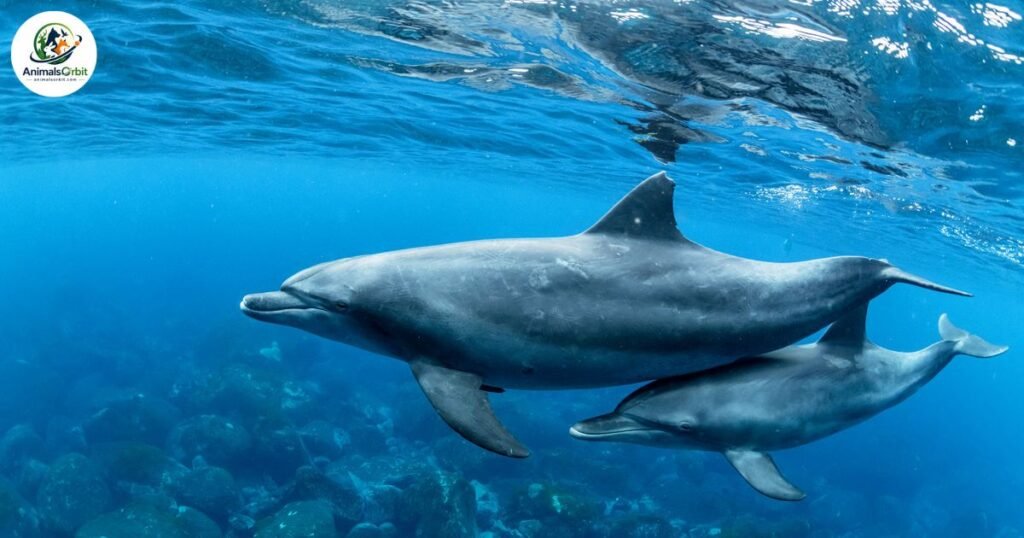
That control also helps bottlenose dolphins twist, roll, and leap during acrobatic displays. In a pod, close swimming and gentle physical contact can be part of social interaction, and maneuverable flippers help dolphins adjust their position as they move together.
Green Sea Turtle
Scientific Name: Chelonia mydas
Class: Reptilia
Diet: Herbivore
Green sea turtles are built for life at sea, with strong, paddle-shaped front flippers and smaller rear flippers. The front flippers provide most of the power for swimming, while the rear flippers help steer and adjust direction. Together, they let turtles maneuver through coastal waters and move between feeding, resting, and nesting areas.
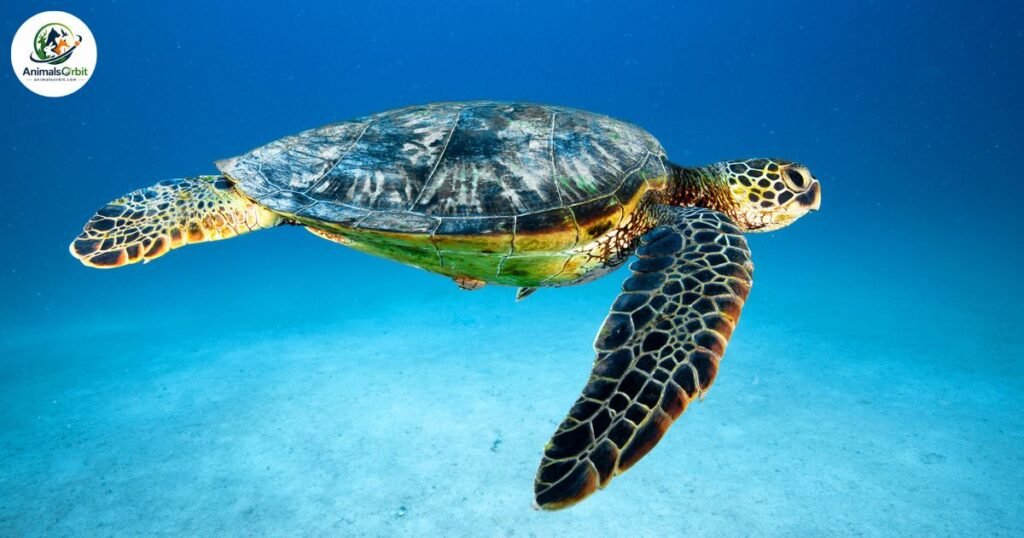
Flippers also help green sea turtles dive and navigate varied marine habitats, from shallow seagrass meadows to open water. In seagrass beds, their grazing can help maintain healthy growth, supporting habitats that are part of broader ocean ecosystems. Their movement and feeding are closely linked to the places they use throughout their lives.
Elephant Seal
Scientific Name: Mirounga
Class: Mammalia
Diet: Carnivore
Elephant seals are powerful swimmers, using their broad front flippers to steer and their hind flippers to propel themselves through the water. This combination helps them maneuver as they search for prey, including squid and fish, and supports the deep dives for which they are known.
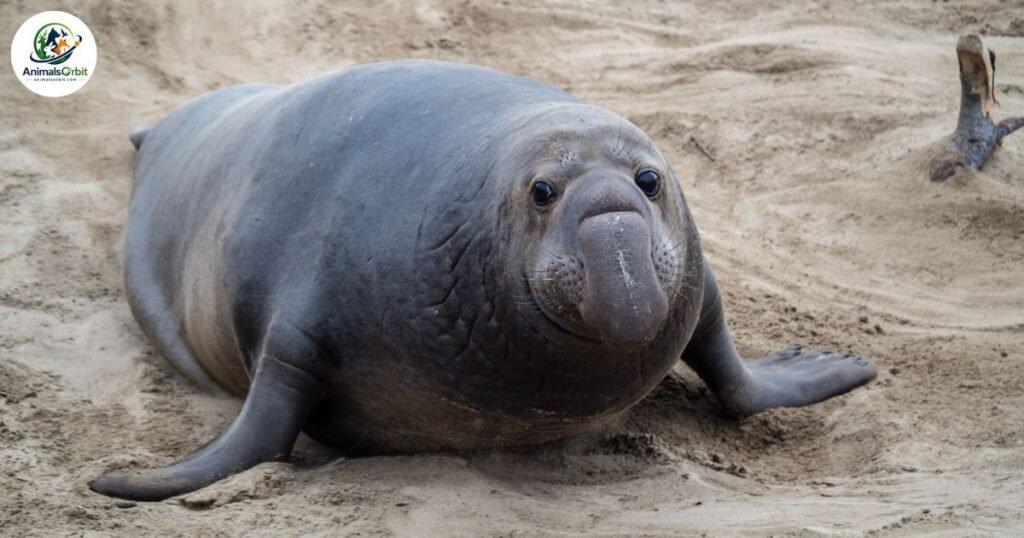
They forage in cold marine waters, with southern elephant seals ranging through Antarctic and sub-Antarctic waters. Northern elephant seals live in the North Pacific, rather than the Arctic; Their flippers and diving abilities help them hunt across these expansive ocean habitats.
Manatee
Scientific Name: Trichechus manatus
Class: Mammalia
Diet: Herbivore
Manatees use their paddle-shaped flippers as versatile tools in the water. Each flipper has a five-digit structure beneath the skin, and its broad shape helps the animal steer, swim, and adjust its position. Small movements can help a manatee turn or maneuver through underwater vegetation, while the flippers also help it brace and grasp aquatic plants as it feeds.
Manatees spend much of their time grazing on aquatic vegetation, using their flexible lips to bring plants to the mouth. They may feed alone or near other manatees, and they also interact through touch and close swimming. Their flippers support both everyday movement and these quiet encounters, making them useful well beyond swimming.
Leatherback Sea Turtle
Scientific Name: Dermochelys coriacea
Class: Reptilia
Diet: Carnivore
Leatherback sea turtles are built for life in the open ocean. Their large, powerful front flippers provide the main force for swimming, helping them travel long distances through a range of ocean habitats. The flippers also help them steer as they move through the water in search of jellyfish.

Unlike turtles with hard, rigid shells, leatherbacks have flexible, leathery shells. This distinctive body shape pairs with their strong flippers to support deep dives as they pursue prey below the surface. These features help leatherbacks navigate the ocean while searching for their next meal.
Emperor Penguin
Scientific Name: Aptenodytes forsteri
Class: Aves
Diet: Carnivore
Emperor penguins are at home in Antarctica’s icy waters, where their strong, paddle-shaped flippers power them through the sea. Rather than flying, they use each flipper like a propeller to dive, steer, and change direction quickly as they pursue fish and other prey. Their streamlined movement helps them navigate underwater and catch food in a demanding environment.

On land and sea ice, emperor penguins also rely on close cooperation. They huddle together to conserve warmth, while their breeding cycle brings distinctive responsibilities: after the female lays an egg, the male balances it on his feet beneath a warm fold of skin as he incubates it. The female heads to sea to feed, and the parents later share care of their chick.
Dugong
Scientific Name: Dugong dugon
Class: Mammalia
Diet: Herbivore
Dugongs are streamlined marine flippered mammals adapted to life in shallow coastal waters where seagrass grows. Their paddle-shaped flippers help propel them through the water and steer as they move across seagrass meadows in search of food. Together, their body shape and flippers allow them to maneuver among underwater plants while grazing.
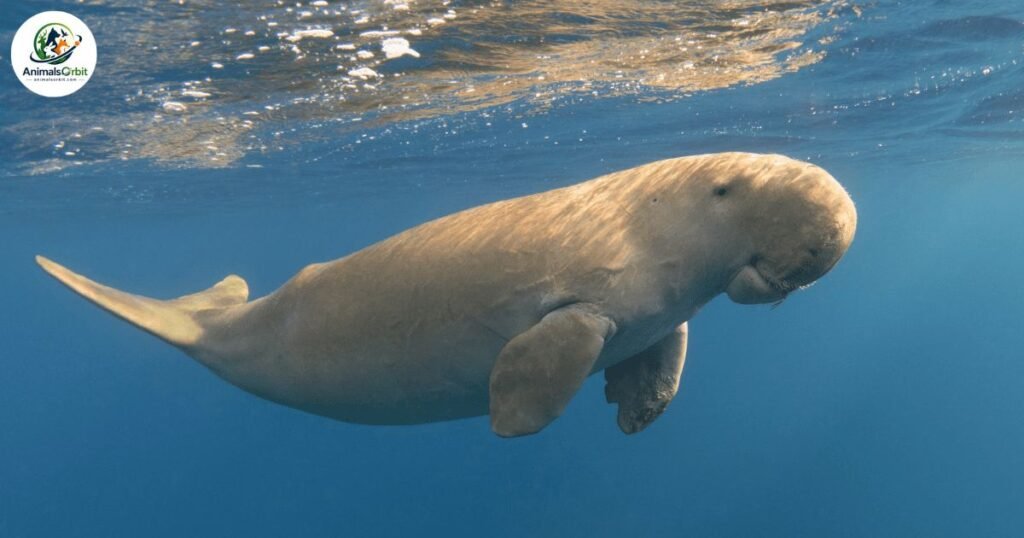
Dugongs depend on healthy coastal habitats, but seagrass loss and other pressures, including entanglement in fishing gear and collisions with boats, can put them at risk. Protecting the waters and meadows they use is central to their conservation.
Dall’s Porpoise
Scientific Name: Phocoenoides dalli
Class: Mammalia
Diet: Carnivore
Dall’s porpoises have streamlined bodies and small, curved pectoral flippers that suit their fast swimming style. The flippers help them steer and maintain balance in the water, while their shape and placement allow quick turns as they move at high speeds.

These porpoises are social and are often seen traveling in groups. They inhabit marine waters of the North Pacific, where their agility helps them move through a range of ocean conditions.
King Penguin
Scientific Name: Aptenodytes patagonicus
Class: Aves
Diet: Carnivore
King penguins are streamlined swimmers, with strong, paddle-shaped flippers that propel them through the water. By sweeping their flippers, they can dive, steer, and adjust direction efficiently as they pursue fish, squid, and krill. Their compact shape helps them move through the water while foraging in the cold seas around Antarctica.
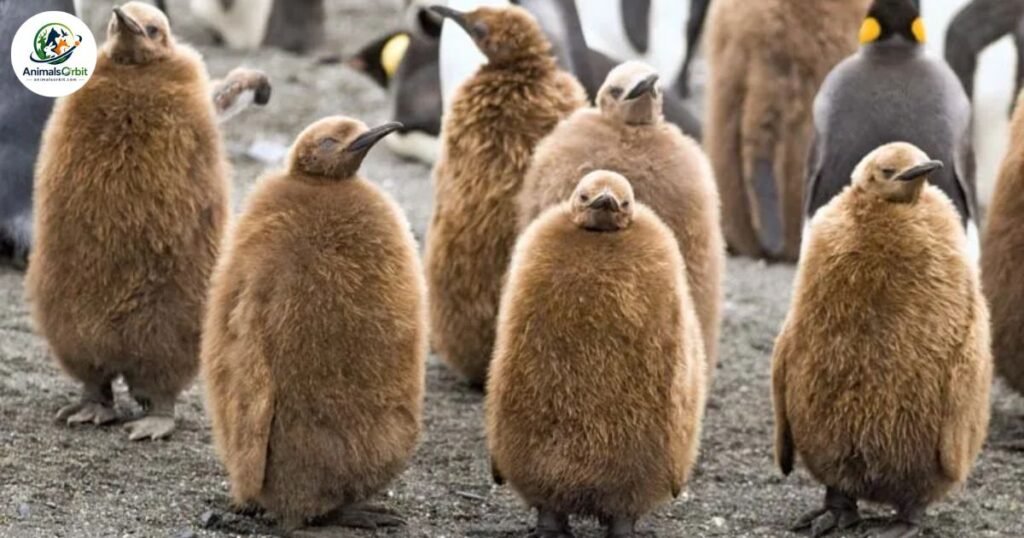
King penguins are also social birds, gathering in large colonies on subantarctic islands. Their lives connect these busy breeding grounds with the surrounding ocean, where their flippers help them search for food.
Leopard Seal
Scientific Name: Hydrurga leptonyx
Class: Mammalia
Diet: Carnivore
Leopard seals are streamlined, powerful swimmers, with long bodies and strong front flippers that help them move quickly through Antarctic waters. Their flippers provide thrust and help them steer, turn, and adjust direction with control useful skills when pursuing krill and fish or maneuvering after penguins.

Often solitary, leopard seals may also be heard making distinctive vocalizations underwater. Their combination of speed, agility, and sound makes them well suited to life as hunters in the Southern Ocean.
Kemp’s Ridley Sea Turtle
Scientific Name: Lepidochelys kempii
Class: Reptilia
Diet: Carnivore
Kemp’s ridley sea turtles rely on two pairs of flippers to move through the water and along the coast. Their powerful front flippers provide most of the propulsion, while their smaller rear flippers help steer and stabilize them as they swim. Together, these adaptations help the turtles navigate coastal waters and reach shallow areas where they forage for crabs.
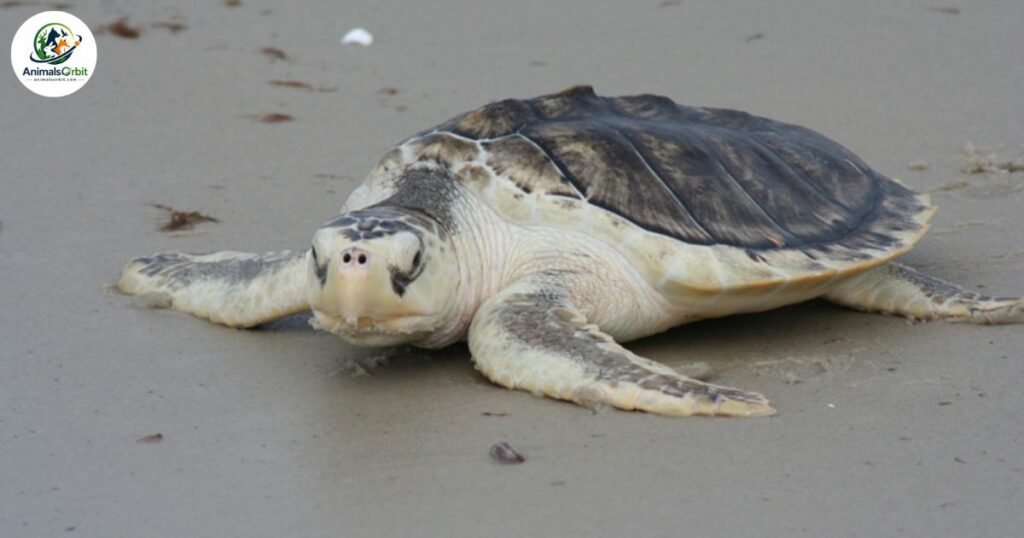
The rear flippers also help females dig nests after they reach sandy nesting beaches, while the front flippers help them move across the shore. Kemp’s ridleys are endangered, and threats include fishing gear that can entangle them, disturbance or loss of nesting habitat, and pollution. Protecting both the waters they travel through and the beaches where they nest is important to their survival.
Read May Also: 15 Types of Reptiles: Amazing Reptiles You Should Know
Sea Otter
Scientific Name: Enhydra lutris
Class: Mammalia
Diet: Carnivore
Sea otters use their webbed hind feet like paddles, pushing them through the water and helping them change course as they swim. Their small front paws serve a different purpose: they help otters grasp and handle prey while foraging. Together, these adaptations support diving for food and working with prey at the surface, including shellfish and sea urchins.
Sea urchins feed on kelp, so when otters eat urchins, they can help protect kelp forests from grazing. This makes the otter’s everyday search for food part of a larger relationship with its habitat. Otters also show social behavior, often gathering to rest in groups known as rafts; after resting, they return to swimming and foraging with their hind feet and front paws suited to distinct tasks.
Read May Also: 25 Types of Butterflies: Beautiful Butterflies You Should Know
Galapagos Penguin
Scientific Name: Spheniscus mendiculus
Class: Aves
Diet: Carnivore
On land, Galápagos penguins live among the warm islands of the equator; at sea, their paddle-shaped flippers make them agile hunters. The powerful flippers propel them into dives, help them turn and steer underwater, and let them chase small fish. Their swimming ability is essential for finding food in the surrounding waters.
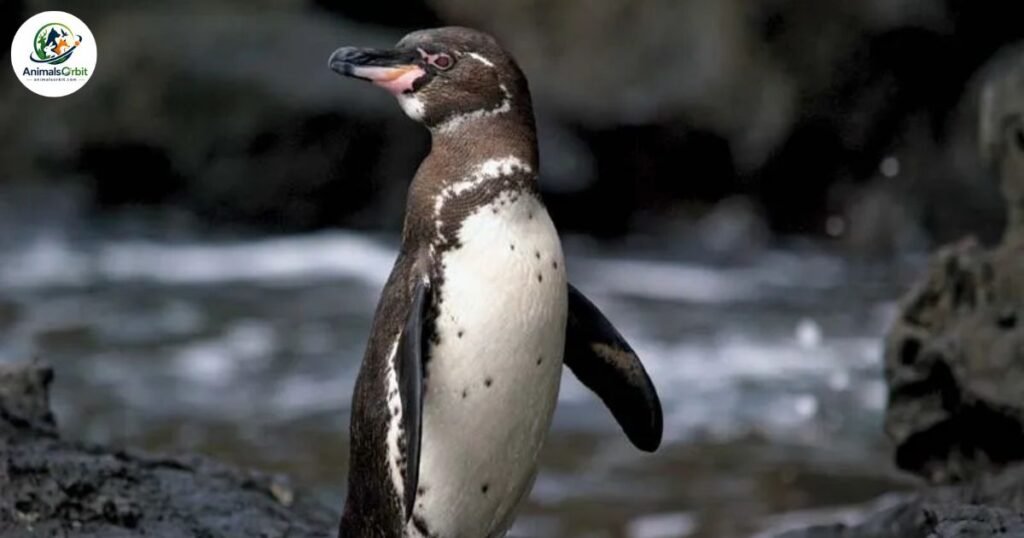
Galápagos penguins are social birds that gather with others, especially around nesting areas. Their island habitat does not shield them from threats: warmer ocean conditions can affect the availability of prey, while introduced predators and human activity can put pressure on colonies. Protecting the places where they nest and feed is therefore central to their conservation.
Read May Also: Top 25 Birds With Long Legs With Images and Facts
Monk Seal
Scientific Name: Monachus monachus (Mediterranean) / Neomonachus schauinslandi (Hawaiian
Class: Mammalia
Diet: Carnivore
Monk seals have streamlined bodies that move efficiently through coastal waters. Their front flippers help them steer and make tight turns, while their powerful hind flippers provide propulsion. Together, these adaptations let them maneuver around reefs and other underwater features as they search for fish and crustaceans.
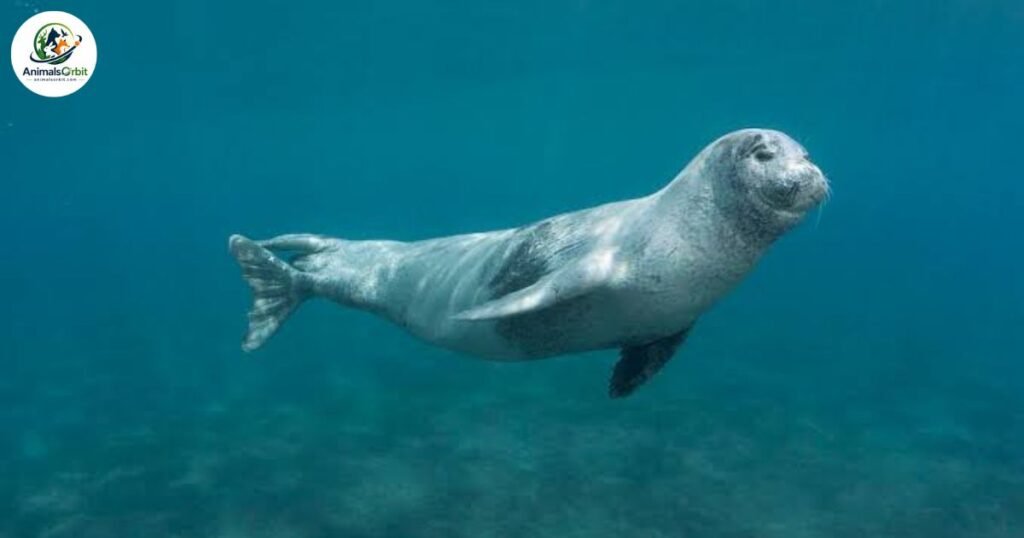
Monk seals generally forage alone, but they may rest near one another on shore. Beaches provide places to haul out and rest between trips to the water, making quiet coastal habitats important to their daily routines.
Read May Also: Top 20 Animals With Sharp Teeth: Names, Scientific Class, Diet & Fun Facts
Conclusion
Animals with flippers show how different species have adapted to move efficiently through water, from coastal shallows to the open ocean and polar seas. Their roles in marine food webs help keep these ecosystems connected and thriving. We can help protect them by supporting responsible seafood choices and reducing plastic waste that reaches the ocean.
FAQs
Are Penguin Wings called Flippers?
Because penguin wings are adapted for underwater use, not for flying. “Flippers” describes their role in moving through water.
Do Dolphins have Flippers?
Yes. Dolphins have two pectoral flippers. They use them to steer and keep balance. The flippers also help them maneuver. Their tail flukes provide forward propulsion.
Which Bird has Flippers instead of Wings?
Penguins have flipper-like wings. They are birds, but their wings are adapted for swimming rather than flying.
What Animals have Flippers?
Flippers are found mainly on marine animals. These include seals, sea lions, walruses, whales, dolphins, porpoises, manatees, dugongs, sea turtles, and penguins. Each uses its flippers to swim and steer through water.