Top 13 Small Monkey Breeds In The World (With Images)
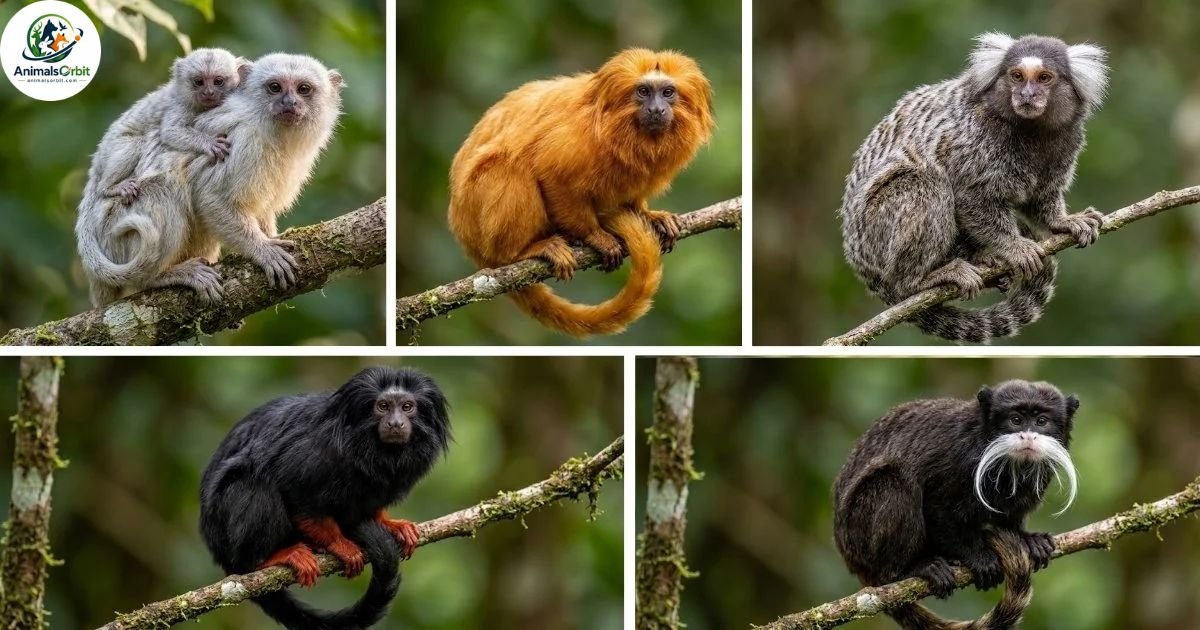
Small monkey breeds are not just cute companions but also vital players in their ecosystems. Let explore the top 13 small monkey breeds in the world, highlighting their uniqueness, fascinating features, and the natural habitats they call home. These monkeys are essential not only for appreciating their charm but also for recognizing their importance in biodiversity and conservation.
List of Small Monkey Breeds
Below is the list of smallest monkey breeds in the world:
| Number of Monkeys | Smallest Monkey Breeds |
| 1 | Common Marmoset |
| 2 | Squirrel Monkey |
| 3 | Talapoin Monkey |
| 4 | Graells’s Tamarin |
| 5 | Pygmy Marmoset |
| 6 | Tarsiers |
| 7 | Golden Lion Tamarin |
| 8 | Night Monkey |
| 9 | Cotton‑Top Tamarin |
| 10 | Silvery Marmoset |
| 11 | Red-handed Tamarin |
| 12 | Dusky Titi |
| 13 | Capuchin Monkey |
Common Marmose
Scientific name: Callithrix jacchus
Size: 18–23 cm body length; tail 28–35 cm
Weight: 250–350 g
The Common Marmoset, a diminutive primate native to the lush canopies of South America, typically measures just 5 to 7 inches long, making it one of the smallest monkey species. Despite their tiny size, these small cute monkey are highly social animals, often found in family groups that display strong social bonds.
Their vocal communication is particularly fascinating; they produce a range of trills and chirps that convey complex messages about their environment and social interactions, creating a rich tapestry of sound within their dense forest habitat.

Their diet primarily consists of insects and tree sap, which are critical in maintaining the ecosystem. By consuming sap, Common Marmosets play an essential role in promoting tree health and facilitating nutrient cycling. While their social nature makes them appealing as pets, potential owners should approach with caution.
Marmosets have special care requirements, including social interaction and a specific diet, and their removal from the wild poses ethical dilemmas. The disruption of their natural behaviors and familial structures not only impacts individual animals but can also have cascading effects on their ecosystems, highlighting the importance of preserving their habitats rather than domesticating these charming primates.
Squirrel Monkey
Scientific name: Saimiri sciureus
Size: 25–35 cm body length; tail 35–42 cm
Weight: 500–1,100 g
The Squirrel Monkey, small but vibrant, showcases a stunning coat of golden-yellow fur contrasted by black markings around its face, making it one of the most visually striking primates. Typically weighing only about 1.5 to 2.5 pounds, these monkeys are marvels of agility, effortlessly traveling through the forest canopy with acrobatic finesse.
Their playful behavior not only captivates observers but also fosters strong social bonds within their groups, which can number up to 30 individuals. This social structure enhances their survival, as it provides protection from predators and facilitates cooperative foraging.
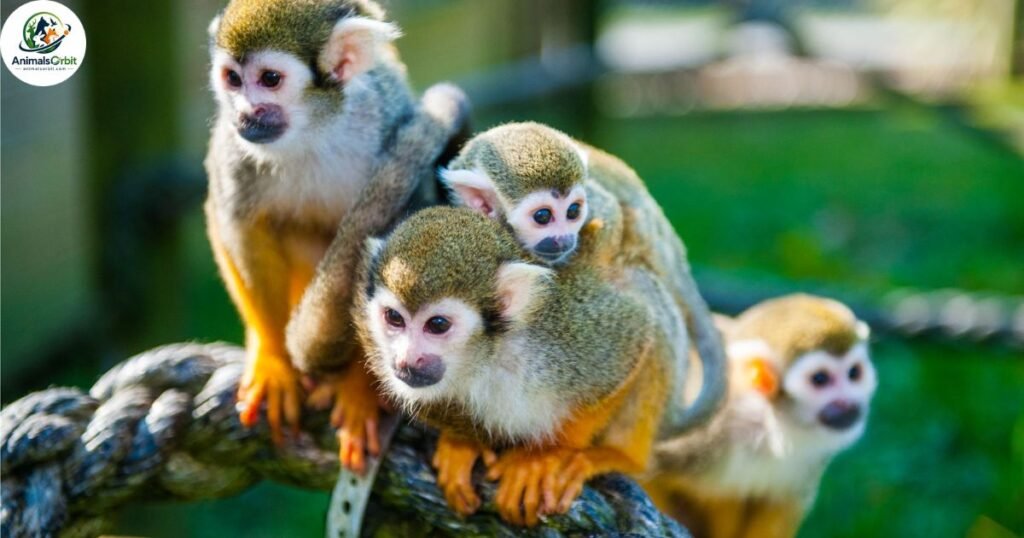
Vocal communication is another critical aspect of squirrel monkey life, with their varied calls relaying messages about food sources, danger, or social interactions. Inhabiting the lush canopies of Central and South American rainforests, they thrive in environments abundant in fruits, insects, and small animals.
This diverse diet allows them to adapt to fluctuating food availability, while their agile nature enables them to access food resources high in the trees. By maintaining these adaptive traits, squirrel monkeys not only survive but also thrive in the competitive ecosystems they inhabit.
Talapoin Monkey
Scientific name: Miopithecus talapoin
Size: 32–45 cm body length
The Talapoin monkey, a fascinating primate found primarily in the swamp forests and riverine habitats of Central Africa, stands out not just for its small size but for its intricate social structures. Generally weighing between 4 to 10 pounds, these monkeys thrive in groups known as troops, which can comprise up to 20 individuals.
Their social dynamics are enriched by their agility, allowing them to navigate the dense foliage and wetlands with remarkable ease, showcasing their acrobatic skills in daily interactions and foraging activities.
Vocal communication plays a vital role in the lives of Talapoin monkeys, as they use a variety of calls to alert their peers to potential threats or to maintain group cohesion. Their feeding behavior is equally fascinating; primarily frugivorous, they rely on fruits, insects, and flowers, which are abundantly available in their nutrient-rich habitat.

These unique primates face significant threats due to habitat loss caused by deforestation and human encroachment.
Protecting the Talapoin monkey’s natural environment is crucial not only for the survival of this species but for the overall health of the ecosystems they inhabit, which are vital for numerous other flora and fauna. Conservation efforts must focus on preserving these delicate habitats to ensure that these charming monkeys continue to thrive in the wild.
Graells’s Tamarin
Scientific name: Leontocebus graellsi
Size: 20–28 cm body length; tail around 30–42 cm
Weight: 300–500 g
Graells’s Tamarin, a striking small primate native to the cloud forests of South America, typically sports a vibrant coat of rich black fur complemented by auburn and white markings. These remarkable creatures thrive in the dense canopies of their mountainous habitats, where they live in family groups that range from three to ten individuals.
Their social behavior is intricate; they communicate through a series of chattering vocalizations and body language that facilitates cohesive group dynamics. This rich communicative behavior is vital as it fosters cooperation during foraging and enhances the overall social structure of the troop.

An essential ecological role of Graells’s Tamarin is seed dispersal, where their foraging activities inadvertently contribute to the propagation of various plant species within their ecosystem. This symbiotic relationship ensures the health and continuity of the forest habitat, emphasizing the interdependence between flora and fauna.
Deforestation poses a serious threat to their survival, as habitat loss reduces their living space and disrupts their social groups. Protecting Graells’s Tamarin and its environment is crucial not only for conserving this intriguing species but also for maintaining the biodiversity that underpins the resilience of entire ecosystems.
Thus, safeguarding their cloud forest habitat is essential for sustaining the ecological balance and biodiversity of the region.
Pygmy Marmoset
Scientific name: Cebuella pygmaea
The Pygmy Marmoset, the world’s smallest monkey, measures around 4-6 inches in length, with an additional tail that can be twice its body size. Sporting a coat of soft, brownish fur adorned with distinctive white stripes on its face and limbs, this diminutive primate is a marvel of evolution.
Native to the lush rainforests of the Amazon Basin, these agile creatures effortlessly navigate their arboreal environment, utilizing their sharp claws for climbing and leaping between branches. Their social structure is fascinating; they live in family groups, often consisting of 2 to 9 individuals, communicating through a series of high-pitched calls that resonate through the dense foliage.
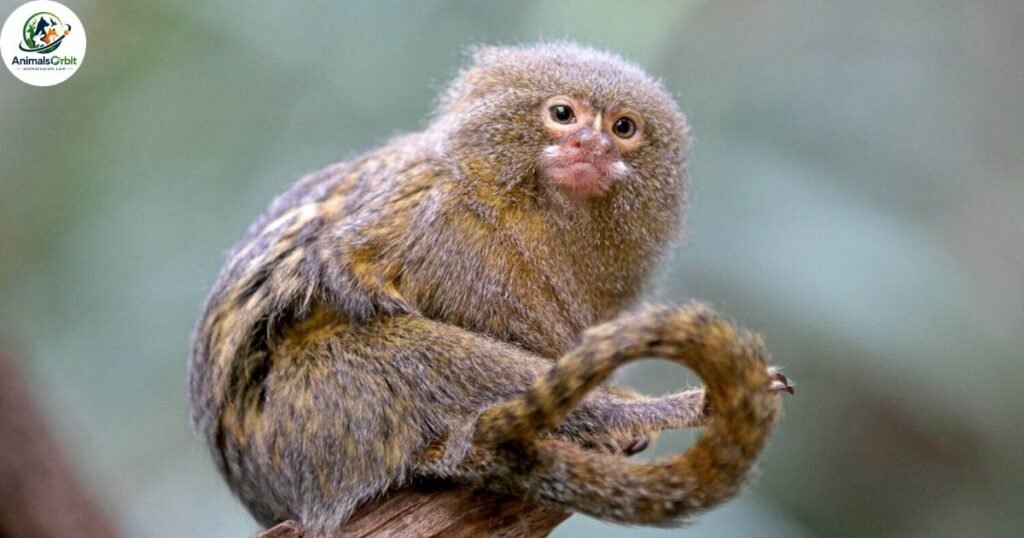
Their endearing appearance and social dynamics, Pygmy Marmosets play a critical ecological role. As frugivores, they consume a variety of fruits, aiding in seed dispersal and promoting forest regeneration. Their specialized care needs and delicate nature make them unsuitable as ordinary pets.
Captive environments often fail to replicate the complex social and dietary structures required for their well-being, leading to significant stress and health issues in these sensitive primates. Thus, appreciating them in their natural habitat is essential for their conservation and the ecosystems they help sustain.
Tarsiers
Size: 9–16 cm body length; tail 20–25 cm
Weight: 80–160 g
Tarsiers are fascinating primates native to the lush forests of Southeast Asia, easily recognizable by their enormous eyes, which provide exceptional night vision for their strictly nocturnal lifestyle. Their large fingers and toes, adapted for gripping branches, facilitate incredible leaps of up to ten feet as they navigate their arboreal habitats in search of insects and other small prey. With exceptional hearing capabilities, tarsiers can detect the faintest sounds, enabling them to locate their food in the dark, making them highly proficient hunters despite their diminutive size.

Tarsiers exhibit unique behaviors, often forming small family groups. These social structures aid in communication and cooperation during foraging activities, though tarsiers are also known for being relatively solitary when it comes to nesting. Their existence is increasingly threatened by deforestation, as human activities reduce their natural habitats, leading to shrinking populations.
Efforts are crucial not only for preserving these remarkable primates but also for maintaining the ecological balance of the ecosystems they inhabit, highlighting the interconnectedness of all species in the environment. Protecting tarsiers ensures that the intricate web of life in Southeast Asia continues to thrive, showcasing the importance of biodiversity in our world.
Golden Lion Tamarin
Scientific name: Leontopithecus rosalia
Size: 20–34 cm body; tail 32–40 cm
Weight: 450–800 g
The Golden Lion Tamarin, with its striking bright orange-gold fur, is one of nature’s most captivating primates, residing exclusively in the dwindling Atlantic Forest of Brazil. These small, agile creatures are exceptional climbers, adept at navigating the dense canopies where they live.
Families typically consist of a breeding pair and their offspring, showcasing a fascinating social structure that emphasizes cooperative parenting; both parents share responsibilities in raising the young, enhancing their survival in a complex habitat.
Their diet is diverse, primarily consisting of fruits, insects, and small vertebrates, which positions them as crucial players in their ecosystem by dispersing seeds as they move through the forest. This seed dispersal not only supports the growth of various plant species but also contributes to the overall health of the ecosystem.
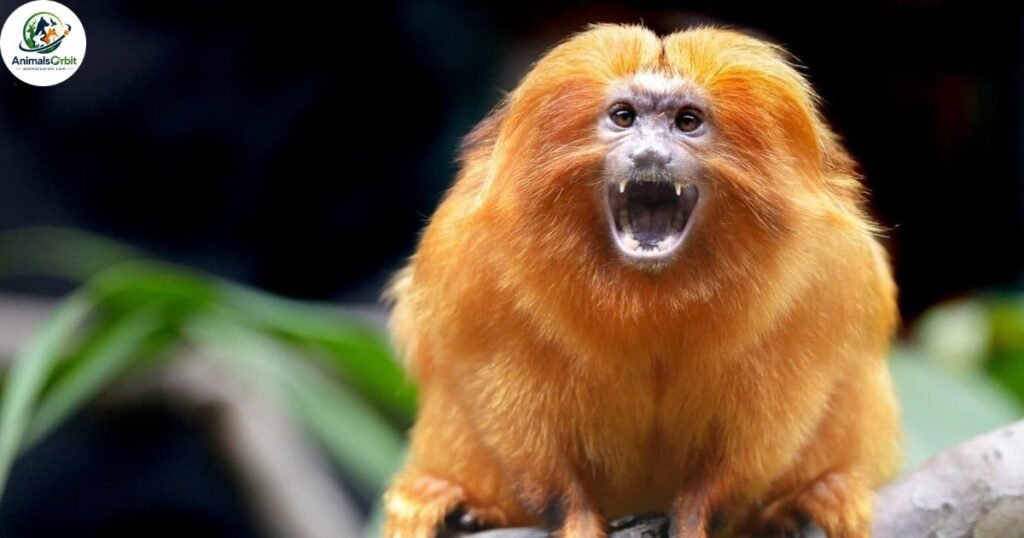
The Golden Lion Tamarin is also known for its intricate vocal communication, using a variety of sounds to convey messages within their family groups. Protecting this unique primate is essential, not just for its survival but also for the biodiversity of the Atlantic Forest, which faces significant threats from deforestation and habitat loss. Ensuring the preservation of the Golden Lion Tamarin can pave the way for a more balanced ecosystem.
Night Monkey
Scientific name: Genus Aotus
Size: 24–37 cm body length
Weight: 700–1,200 g
The Night Monkey, or Owl Monkey, inhabits the lush jungles of Central and South America, thriving in a range of environments from dense forests to semi-deciduous woodlands. These remarkable primates are distinguished by their large, expressive eyes, perfectly adapted for their nocturnal lifestyle, allowing them to navigate the darkness with ease.
As social creatures, they often form strong pair bonds that contribute to their complex social structures, exhibiting behaviors that reflect deep emotional connections. Their vocal communication is particularly fascinating, as they use a variety of calls to maintain contact and coordinate activities within their groups.
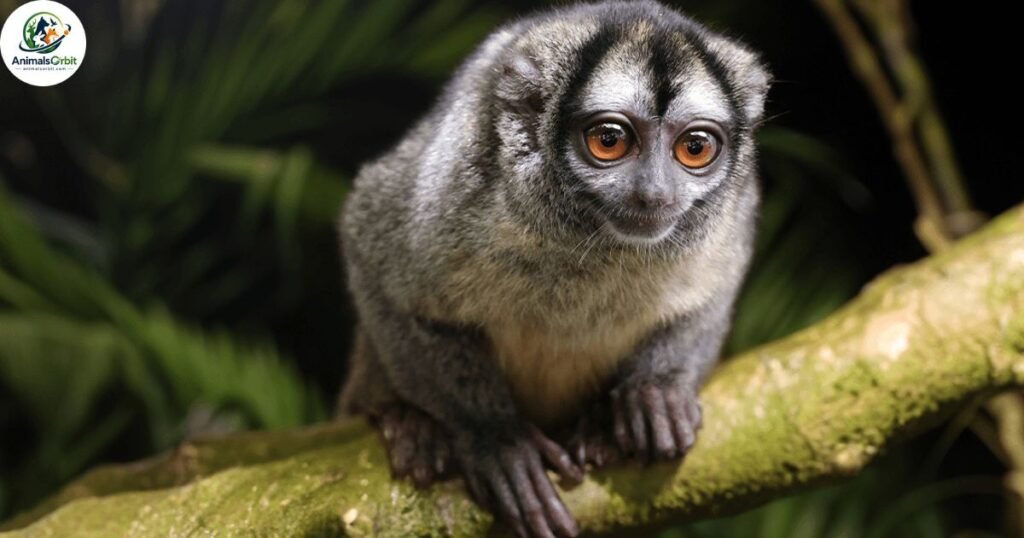
Despite their intriguing social dynamics and adaptive features, Night Monkeys face significant threats from habitat loss and the illegal pet monkey breeds trade, which endanger their populations. Deforestation and urban expansion fragment their habitats, disrupting the delicate balance of their ecosystems and limiting their access to food and shelter.
Cotton‑Top Tamarin
Scientific name: Saguinus oedipus
Size: 20–26 cm body; tail 33–41 cm
Weight: 410–450 g
The Cotton-Top Tamarin is a striking primate characterized by its distinctive white crest that frames its expressive face, giving it a unique, almost regal appearance. Native to the tropical forests of Colombia, these small monkeys thrive in the canopies, showcasing remarkable agility as they leap between branches.
They are highly social creatures, living in family groups that exhibit intricate social dynamics and cooperative behaviors, making them fascinating subjects for behavioral studies. Their vocal communication is highly developed; they use a variety of calls to convey different messages, from alerts about predators to social bonding.
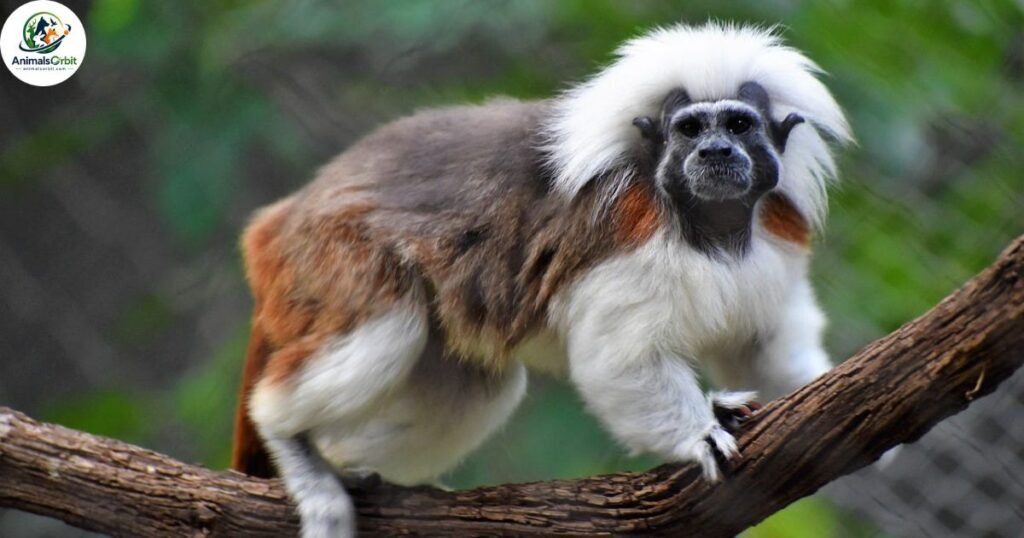
The survival of the Cotton-Top Tamarin is under severe threat due to habitat loss driven by deforestation and the illegal pet trade. As their natural rainforest habitat diminishes, these monkeys face increasing challenges in finding food and shelter, leading to a decline in their population. n Conservation efforts are crucial not only for the protection of the Cotton-Top
Tamarin but also for maintaining the biodiversity of their ecosystem. By raising awareness and supporting habitat preservation initiatives, we can help secure a future for this enchanting species, ensuring that the vibrant forests of Colombia continue to echo with their lively calls for generations to come.
Silvery Marmoset
Scientific name: Mico argentatus
Size: 18–25 cm body; tail 30–36 cm
Weight: 300–400 g
The Silvery Marmoset, known for its striking silver-gray fur, is a small yet fascinating primate native to the Brazilian rainforest. Measuring just about 23 centimeters in length, this agile creature has evolved remarkable climbing skills, enabling it to navigate the dense canopy with ease.
Their social behavior is equally captivating; these marmosets live in tight-knit family groups, exhibiting complex vocal communication that helps maintain cohesion and alert members to potential dangers.
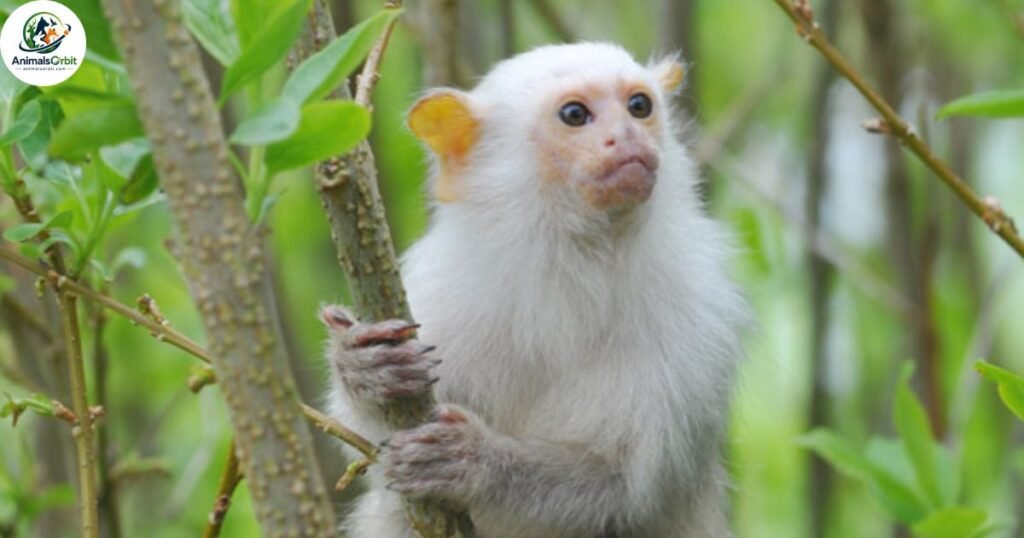
Feeding primarily on insects and fruits, Silvery Marmosets play a vital role in their ecosystem as seed dispersers. By consuming various fruits, they inadvertently promote forest regeneration as they transport seeds throughout their habitat.
This not only aids in maintaining biodiversity but also contributes to the overall health of the rainforest. Their unique adaptations and behaviors highlight the intricate relationships within their environment, revealing the significance of even the smallest inhabitants in sustaining the lush landscapes of Brazil.
Red-handed Tamarin
Scientific name: Saguinus midas
Size: 20–28 cm body; tail 31–44 cm
Weight: 400–550 g
The Red-handed Tamarin stands out with its distinctive orange hands and feet, contrasting sharply against its sleek black body. This striking physical feature not only adds to its charm but also plays a role in social signaling among its troop members.
Native to the lush forests of South America, these agile primates exhibit remarkable climbing skills, effortlessly navigating the canopy in search of food and evading predators. Their social structures are complex; they thrive in close-knit groups where communication and cooperation are key to their survival.
In terms of diet, the Red-handed Tamarin is an omnivore, primarily consuming a mix of fruits, insects, and small animals. This diverse diet ensures they adapt well to varying ecological conditions, enhancing their survival prospects.

Their foraging habits often encourage interactions with other species, such as birds and insects, fostering a collaborative environment that benefits the entire forest ecosystem.
By playing a crucial role in seed dispersal through their fruit consumption, these tamarins significantly contribute to the maintenance of biodiversity in their habitat, highlighting the interconnectedness of life within South American woodlands.
Read May Also: Top 20 Animals That Eat Frogs (With Pictures & Fun Facts)
Dusky Titi
Scientific name: Callicebus moloch
Size: 28–39 cm body
Weight: 800–1,200 g
The Dusky Titi Monkey, with its striking dark fur, embodies the rich biodiversity of South American forests. This social primate thrives in the dense canopy, where its strong pair bonds play a vital role in its survival.
Grooming behavior not only fosters these connections but also reinforces social hierarchies within groups. Their vocal communication, characterized by a range of complex calls, serves as an essential tool for maintaining contact amongst family members and alerting them to potential predators.
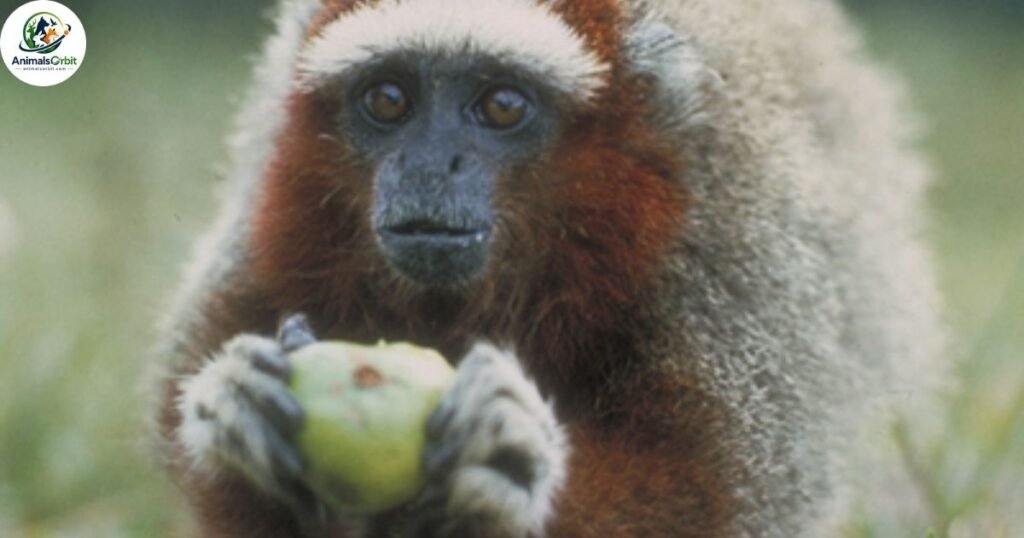
Adapted for arboreal life, the Dusky Titi’s long, prehensile tail is not just a balancing aid but also a functional tool, helping them navigate the intricate branches in their lush environment. Primarily feeding on fruits and leaves, they play a crucial role in seed dispersal, ensuring the health and propagation of their forest habitat.
The increasing threat of deforestation poses significant challenges to their survival, disrupting their home and diminishing their natural food sources. Prioritizing conservation efforts is critical to safeguard this fascinating species and the intricate ecosystems they inhabit.
Read May Also: Top 20 Animals That Walk On Two Legs With Images and Facts
Capuchin Monkey
Size: 30–56 cm body; tail 30–55 cm
Weight: 1.3–4.8 kg
Capuchin monkeys, native to the vibrant jungles of Central and South America, are a remarkable species known for their strikingly expressive faces and keen intelligence. Their ability to use tools like utilizing sticks to extract insects or cracking open nuts with rocks exemplifies their advanced problem-solving skills.
This ingenuity not only showcases their cognitive abilities but also highlights their adaptability in diverse environments, from dense rainforests to open savannas.
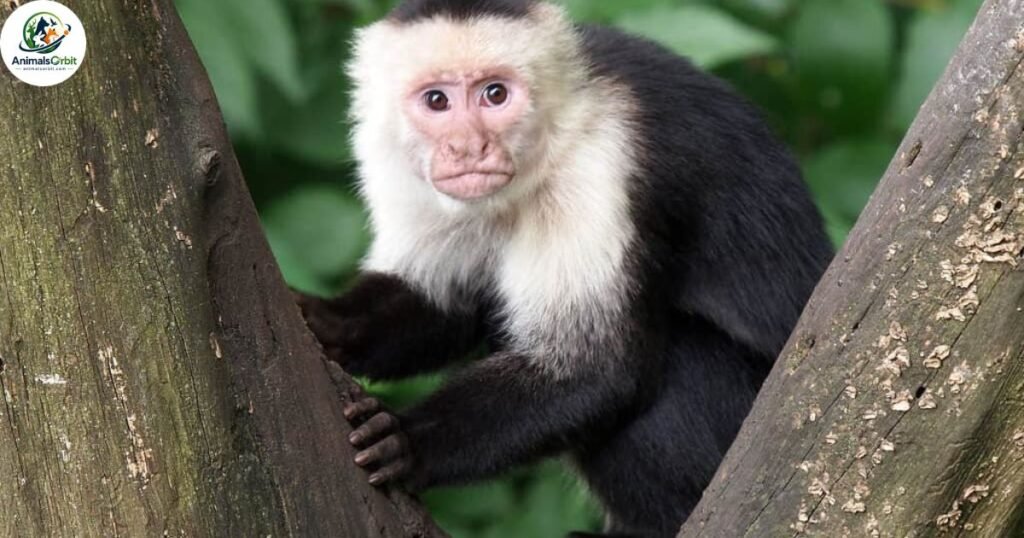
Social creatures at heart, Capuchins thrive in groups, engaging in complex social interactions that require constant mental stimulation. This need for companionship and environmental enrichment underscores the difficulties of keeping them as pets. While their playful demeanor may seem endearing, the ethical concerns surrounding their captivity raise alarms about their welfare.
Inadequate social structures and lack of stimulation can lead to behavioral issues, emphasizing the importance of preserving their natural habitats and encouraging respectful observation rather than ownership.
Read May Also: Top 25 Animals Like Foxes With Pictures & Interesting Facts
Conclusions
Small monkey breeds are a fascinating and diverse group that showcases unique behaviors and
social structures. Their varying needs for care highlight the importance of responsible ownership, which ensures their health and well-being.
The impact of habitat destruction on these species underscores the urgent need for conservation efforts. Advocating for animal welfare is vital, as it not only benefits these intelligent creatures but also helps preserve the rich biodiversity of our planet. By supporting conservation initiatives, we can contribute to a brighter future where both small monkeys and their habitats thrive.
FAQS
What is the World’s Smallest Monkey Breed?
The Pygmy Marmoset (Cebuella pygmaea) is recognized as the world’s smallest monkey, and several factors contribute to its unique stature. On average, these diminutive creatures weigh between 3.5 to 5.5 ounces (about 100 to 150 grams) and measure around 5.5 to 6.3 inches (14 to 16 centimeters) in body length, not including their long tails, which can add another 8 to 9 inches.
Are Small Monkeys Good Pets?
Small monkeys such as marmosets and tamarins are generally considered unsuitable as pets for several important reasons. Firstly, these primates are highly social animals that require constant interaction with both their own species and humans. Inadequate social stimulation can lead to behavioral issues, stress, and even depression. Unlike traditional pets, they thrive in complex social structures, necessitating companion animals for proper emotional health.
Where do Most Small Monkey Breeds Live?
Most small monkey species inhabit the tropical rainforests of Central and South America, where they thrive in the lush canopies filled with diverse flora and fauna. Notable examples include tamarins, marmosets, and squirrel monkeys, all of which have adapted to the rich ecological environments found in the Amazon Basin. These regions provide the dense vegetation and abundant food sources necessary for their survival, including fruits, insects, and small animals.
What do Small Monkeys Eat?
Small monkeys generally have diverse diets that include a variety of food sources. Fruits are a staple, as many species rely heavily on ripe, seasonal fruits for the sugars and nutrients they provide. In addition to fruits, small monkeys often consume insects, which are an essential source of protein. Some species also feed on tree gum or sap, which they can extract from tree trunks. Nectar is another component of their diet, especially for those species that have developed adaptations for accessing it. Occasionally, small monkeys may hunt for small prey, such as insects or even small vertebrates when other food sources are scarce.
Which Small Monkey Breed is the Smartest?
Squirrel monkeys, a small species found in Central and South America, exhibit notable intelligence across various domains. They are known for their impressive learning abilities, often engaging in problem-solving tasks that demonstrate their capacity to adapt to new situations. Research has shown that squirrel monkeys can learn through social observation, indicating a level of cognitive sophistication that allows them to acquire skills by watching others in their social group.
What Are The Types of Small Monkeys?
Most small monkeys belong to a few groups: marmosets (pygmy and common marmosets), tamarins (cotton-top, golden lion, and emperor tamarins), squirrel monkeys, titi monkeys, owl monkeys (night monkeys), and talapoin monkeys. Almost all of them are New World monkeys from Central and South America, except the talapoins, which live in Africa.
What Are The Small Pet Monkey Breeds?
Monkeys are species, not breeds. The small species most often kept as pets are pygmy marmosets, common marmosets, cotton-top and other tamarins, squirrel monkeys, and capuchins (a bit larger, but often kept as “small” monkeys). Many keepers also mention owl monkeys and titi monkeys.