
Top 19 Animals with no legs (Pictures Included)
From the slithering movements of snakes to the graceful drift of jellyfish, these legless creatures showcase incredible adaptability and survival skills in their unique habitats. The top 19 Animals with no legs, exploring how they hunt, move, and thrive in different environments. By the end, you will gain a deeper appreciation for how diversity in anatomy contributes to the resilience of life on Earth.
List of Animals with no legs
Below is the list of animals without legs in the world:
| Number of Animals | Animals without legs |
| 1 | Walruses |
| 2 | Snakes |
| 3 | Sea Lions |
| 4 | Legless Lizard |
| 5 | Sponges |
| 6 | Snails |
| 7 | Octopuses |
| 8 | Eels |
| 9 | Caecilians |
| 10 | Seahorse |
| 11 | Lamprey |
| 12 | Earthworms |
| 13 | Clams |
| 14 | Squid |
| 15 | Jellyfish |
| 16 | Sea Cucumbers |
| 17 | Whales |
| 18 | Slugs |
| 19 | Dolphins |
Walruses
Scientific Name: Odobenus rosmarus
Class: Mammalia
Diet: Carnivore
Walruses are fascinating aquatic animals known for their remarkable movement capabilities and adaptive traits. Equipped with powerful front flippers, walruses glide effortlessly through icy waters, showcasing a unique swimming style that combines grace with strength.
These flippers, along with their robust bodies, allow them to dive deep in search of food, primarily relying on mollusks like clams. Their buoyancy in the cold, often treacherous Arctic environment speaks to their specialized adaptations, enabling them to thrive in a polar habitat.
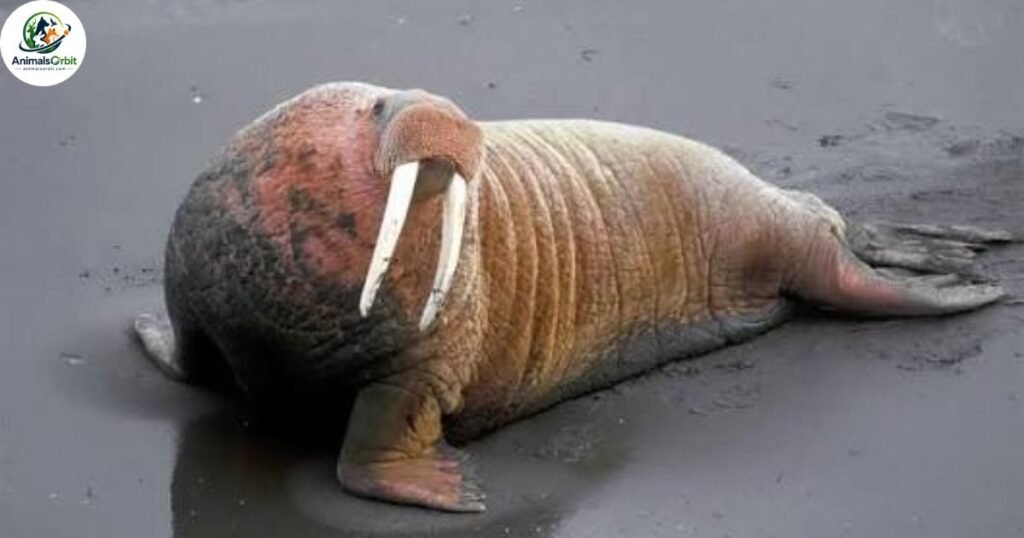
Social creatures by nature, walruses are typically found in large herds that can number in the thousands. This herd mentality facilitates communication, as they utilize a range of vocalizations from barks to grunts to convey messages and establish social hierarchies.
These calls not only serve to maintain group cohesion but also help in coordinating movements during foraging. Their dependence on sea ice is critical for survival; they rely on it for resting, breeding, and even birthing their young. As climate change threatens their icy habitats, understanding these intricate social dynamics and movement abilities can provide insights into their resilience and the ecological balance of their environment.
Snakes
Class: Reptilia
Diet: Carnivore
Snakes, as fascinating legless reptiles, captivate our imaginations with their unique adaptations. Possessing a highly flexible body, they rely on muscle contractions and specialized scales to navigate diverse terrains.
These scales reduce friction, allowing for fluid movement whether they’re slithering across the ground, climbing trees, or swimming through water. Each muscle contraction propels them forward, demonstrating both power and grace in their locomotion.
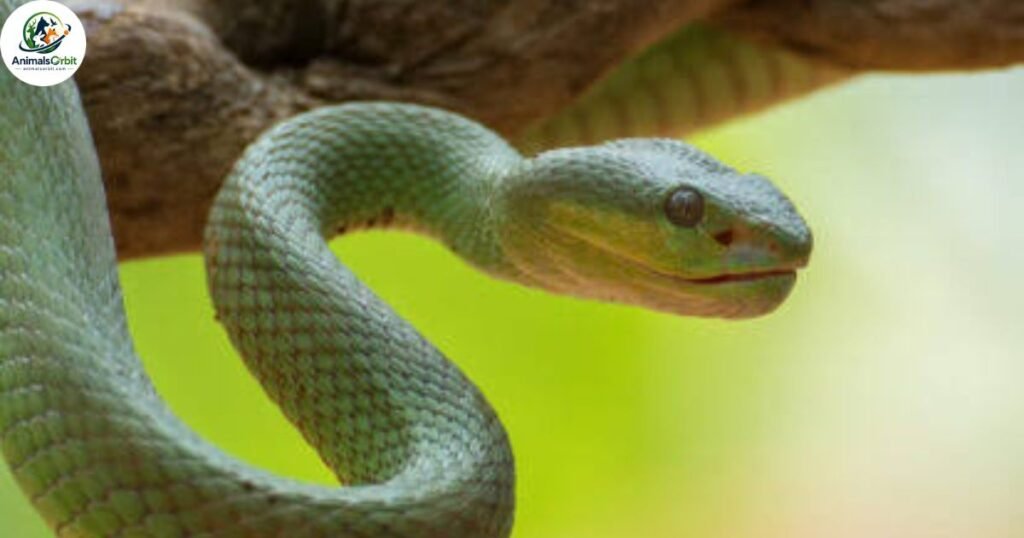
Camouflage plays a crucial role in their survival, enabling snakes to blend seamlessly into their environments. This stealth not only aids in avoiding predators but also enhances their hunting techniques. Equipped with exceptional heat-detecting abilities in certain species, they can sense the warmth of their prey, even in complete darkness.
This sensory adaptation makes them formidable hunters, allowing them to thrive in various habitats, from arid deserts to lush forests. The combination of agility, camouflage, and acute senses underscores their evolutionary prowess, making snakes some of the most intriguing inhabitants of the animal kingdom.
Sea Lions
Class: Mammalia
Diet: Carnivore
Sea lions are remarkable marine mammals known for their distinctive movement abilities both in water and on land. Their powerful front flippers, which can extend up to 8 feet, allow them to propel through the ocean with incredible speed and agility, making them adept hunters.
This streamlined design aids in chasing down schooling fish and squid, while their rotating rear flippers enable them to maneuver on land, facilitating a surprising degree of mobility. Whether bounding across rocky shores or gracefully swimming in open waters, sea lions showcase a unique blend of strength and flexibility.
Social creatures by nature, sea lions often form large colonies that can number in the thousands. Their interactions are vibrant, with a rich tapestry of vocalizations, including barks and growls, that serve as crucial communication tools among their peers.
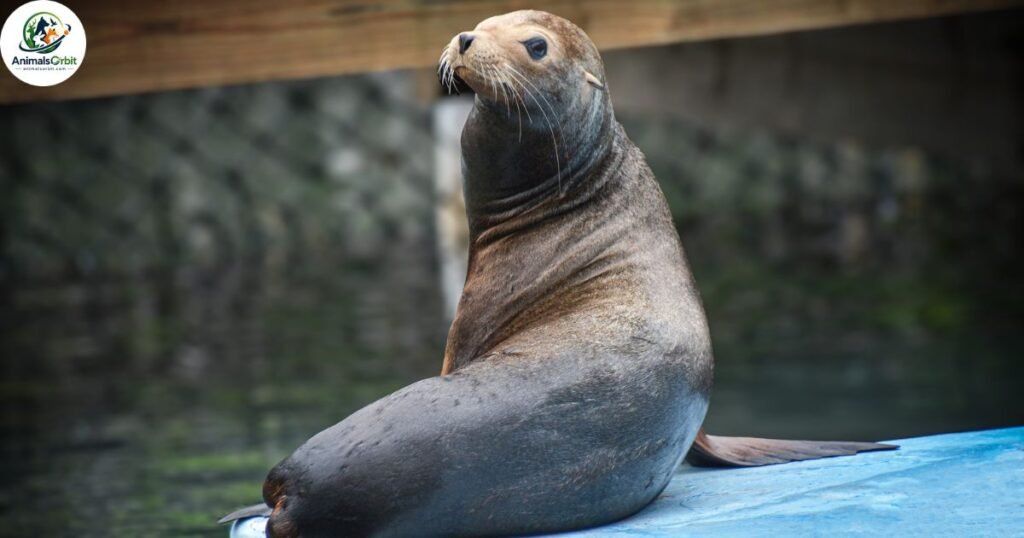
These vocalizations not only help maintain social cohesion within the colony but also play a significant role during mating season. As skilled hunters, they possess an innate ability to dive to depths of over 600 feet, using their keen eyesight and sensitivity to movement to locate prey in the often murky depths.
This fascinating combination of social behavior and exceptional hunting prowess underscores the sea lion’s adaptability, making them a captivating subject for nature enthusiasts and researchers alike.
Legless Lizard
Class: Reptilia
Diet: Mostly insectivore
Legless lizards, often mistaken for snakes, boast unique characteristics that set them apart in the reptile kingdom. Unlike snakes, they have movable eyelids and external ear openings, providing them with a keen ability to protect their eyes and hear effectively.
Their streamlined bodies are perfectly adapted for their burrowing lifestyles, allowing them to navigate through sandy or loose soil with ease. These fascinating creatures predominantly inhabit varied environments, from arid deserts to lush grasslands, showcasing their versatility.
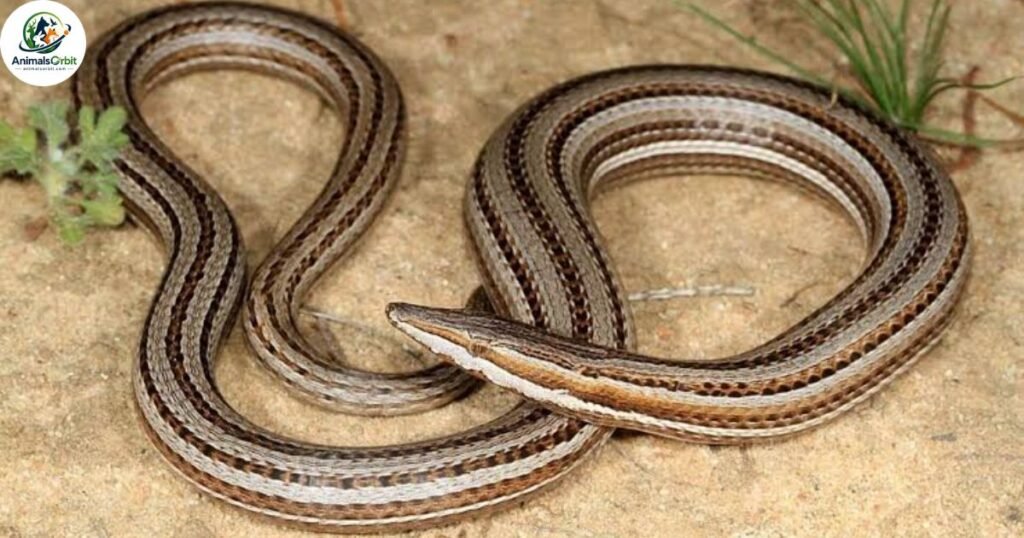
Feeding primarily on insects and small invertebrates, legless lizards play an essential role in their ecosystems as both predators and prey. Their colorful scales not only add to their allure but also serve a crucial purpose in camouflage, helping them blend seamlessly into their surroundings to evade larger predators.
By possessing these adaptive traits, legless lizards exemplify the intricate balance of form and function within their habitats.
Sponges
Scientific Name: Phylum Porifera
Diet: Filter feeder
Sponges are truly fascinating legless marine animals that play a vital role in ocean ecosystems. With their porous bodies, they are uniquely adapted for a filter-feeding lifestyle, allowing them to extract nutrients from the water that flows through their systems.
Water currents, driven by the beating of specialized cells called choanocytes, enable sponges to draw in nutrient-rich water while expelling waste, creating a continuous cycle that sustains both the sponge and its surrounding habitat.
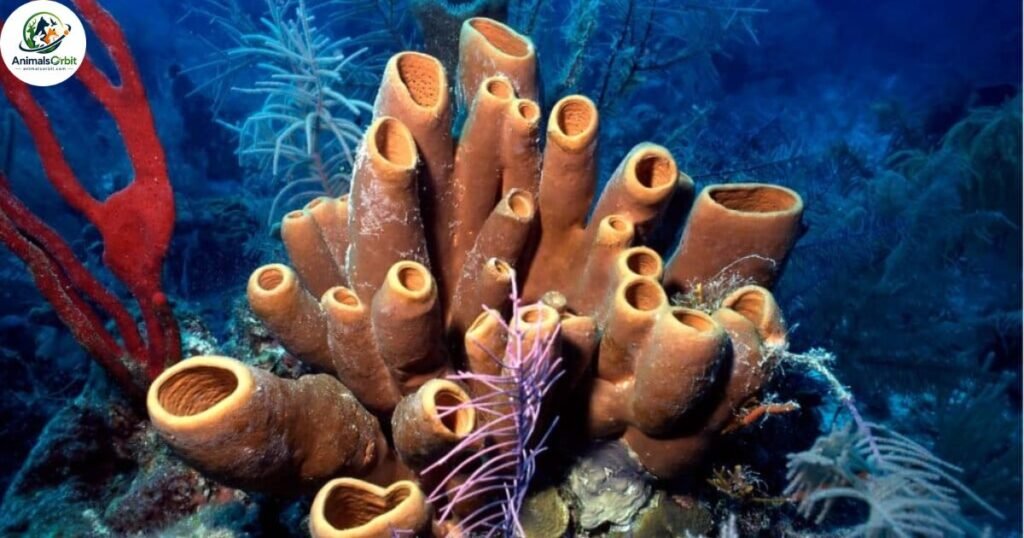
Beyond their impressive feeding capabilities, sponges foster symbiotic relationships with various marine organisms, including algae and bacteria, which contribute to their nutritional intake and enhance reef biodiversity.
Their remarkable ability to regenerate after physical damage is another testament to their resilience; even after sustaining significant injuries, sponges can heal and reform within weeks, ensuring their survival in the competitive marine environment. This ability, combined with their ecological contributions, makes sponges not only essential to marine health but also extraordinary examples of nature’s ingenuity.
Snails
Class: Gastropoda
Diet: Herbivore, detritivore, or carnivore depending on species
Snails are truly fascinating legless animals, showcasing an incredible adaptation to their environments. Their muscular foot, a unique organ, propels them forward by contracting and relaxing, while a layer of mucus helps to reduce friction, allowing them to glide effortlessly across various surfaces.
This slick secretion not only aids in locomotion but also acts as a protective barrier against sharp obstacles, minimizing the risk of injury. Interestingly, snails’ bodies are designed to thrive in moist habitats, as their mucus is crucial for both movement and hydration.
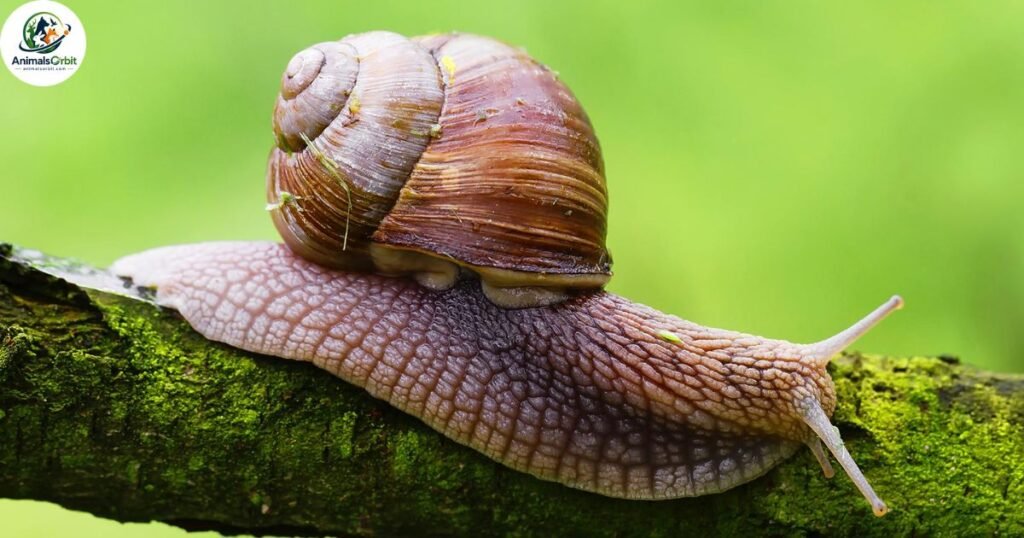
The iconic calcium carbonate shells of snails serve multiple functions, acting as a protective fortress against predators and environmental threats. These shells also play an essential role in moisture regulation, helping snails retain water in their often humid surroundings.
With their remarkable climbing abilities, many snails can navigate vertical surfaces, extending their range in search of food and shelter. The diversity in shapes, sizes, and colors is equally captivating, showcasing a stunning array of adaptations that reflect their varied habitats. From the delicate spiral of the garden snail to the vibrant hues of exotic species, snails embody the wonders of evolution and resilience in the animal kingdom.
Octopuses
Class: Cephalopoda
Diet: Carnivore
Octopuses are truly captivating marine animals known for their distinct eight flexible arms, which lack bones, allowing them to navigate their underwater environments with grace and agility. Each arm is lined with sensitive suckers that can taste and manipulate objects, making them exceptional hunters.
This adaptiveness enables them to catch prey and even open the hard shells of crustaceans, showcasing their remarkable dexterity.
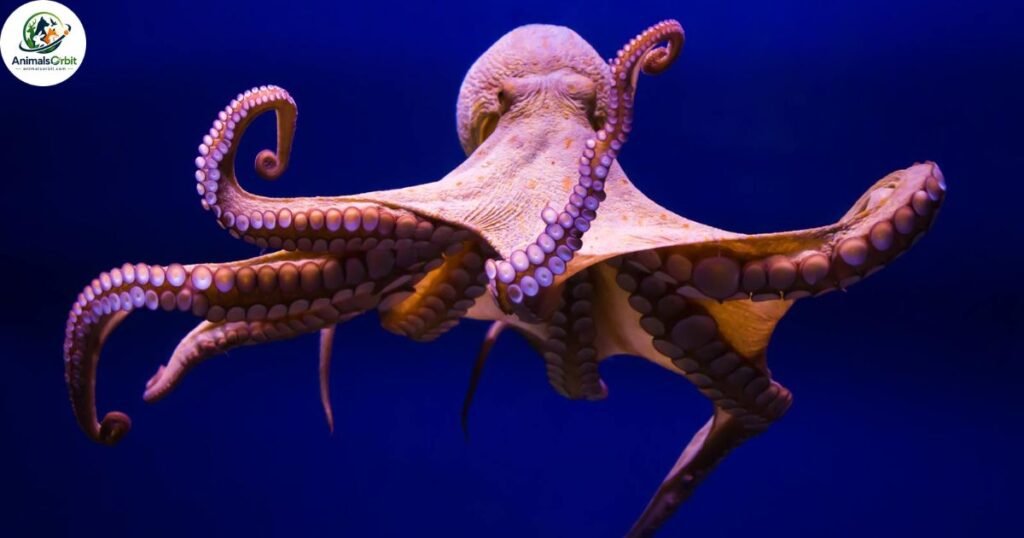
Beyond their physical traits, octopuses possess extraordinary camouflage abilities, capable of altering their appearance in an instant to blend into their surroundings. This skill not only aids in evading predators but also enhances their hunting prowess.
These cephalopods exhibit impressive intelligence, demonstrated through problem-solving skills that rival those of some mammals. Their capacity to learn from experience and manipulate tools symbolizes an evolutionary sophistication that continues to intrigue researchers and unveil new layers of their enigmatic existence.
Eels
Class: Actinopterygii
Diet: Carnivore
Eels are truly fascinating legless aquatic animals, characterized by their long, slender bodies that can gracefully glide through both freshwater and saltwater environments. Their slippery skin, often coated in mucus, not only aids in smooth locomotion but also serves as a protective barrier against pathogens.
These remarkable creatures employ a wave-like swimming motion, expertly navigating rivers and oceans. Their ability to absorb oxygen through their skin in low-oxygen conditions illustrates their adaptability, allowing them to thrive in diverse habitats, from murky riverbeds to deep oceanic waters.
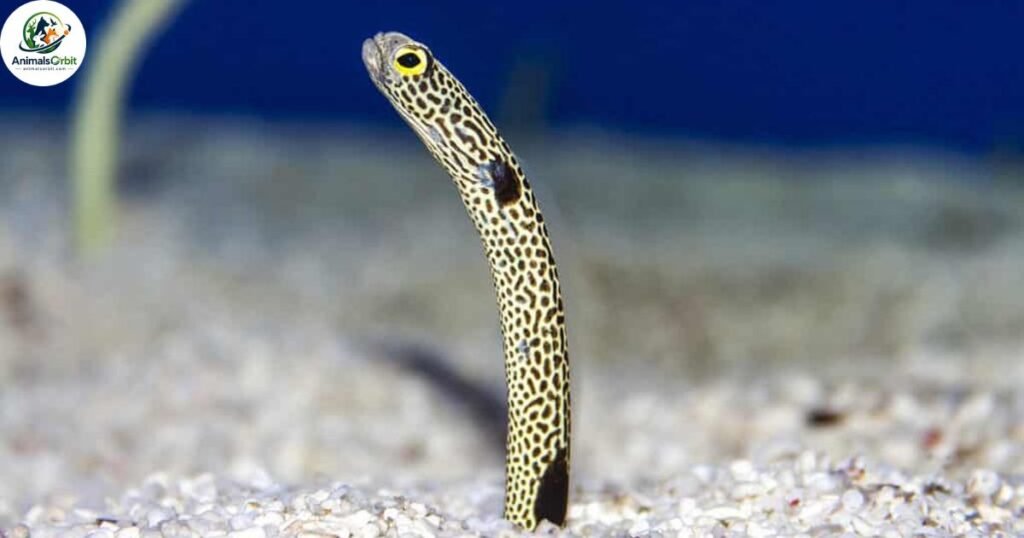
One of the most captivating aspects of eels is their incredible long-distance migration, particularly the European eel (Anguilla anguilla), which embarks on a perilous journey from European rivers to the Sargasso Sea for spawning. This journey can span thousands of kilometers, showcasing their innate navigation skills and resilience.
Upon reaching their spawning grounds, these eels reproduce and ultimately die, completing a life cycle that remains shrouded in mystery. The ecosystem benefits greatly from their presence; as both predators and prey, eels play a crucial role in maintaining the balance of aquatic environments, highlighting their unique adaptations and survival skills in the face of environmental challenges.
Caecilians
Class: Amphibia
Diet: Carnivore
Caecilians are fascinating legless amphibians that thrive beneath the soil, showcasing a lifestyle that challenges our conventional understanding of amphibian biology. These elongated creatures possess smooth, slimy skin, often adorned with intricate patterns that allow them to blend seamlessly into their subterranean environments.
Their unique burrowing movement stems from a powerful musculature and specialized adaptations that help them navigate through dense soil, enabling them to reach hidden ecosystems where few creatures venture. This camouflage not only protects them from predators but also enhances their hunting prowess, allowing them to ambush unsuspecting prey such as worms and insects.

Caecilians exhibit diverse reproductive strategies that further enhance their evolutionary intrigue. Some species have adopted a rare method of maternal care known as skin feeding, wherein the mother provides nutrients to her developing young by producing a layer of nutritious skin that the offspring consu
This unique adaptation has evolved in response to their underground habitats, ensuring that the young receive sustenance while being sheltered from the external environment. As one of the lesser-known amphibians, caecilians contribute significantly to our understanding of evolutionary diversity, highlighting the myriad ways life can adapt to varying ecological niches while challenging our perceptions of what amphibians can be.
Seahorse
Class: Actinopterygii
Diet: Carnivore
Seahorses are remarkable creatures, captivating not only for their unique appearance but also for their fascinating adaptations. Lacking traditional legs, these fish possess prehensile tails that allow them to anchor themselves to seagrasses and corals, providing them with stability and security in their often tumultuous underwater environments.
This beautiful adaptation helps them avoid predators and stay in place while they feed on tiny shrimp and plankton.

One of the most extraordinary aspects of seahorse biology is the male’s brood pouch, a specialized structure where fertilized eggs are nurtured. During mating, the female deposits her eggs into this pouch, where the male fertilizes them and carries them for several weeks.
This remarkable form of “pregnancy” allows the male to protect and care for the developing young, ensuring a higher survival rate in the vulnerable early stages of life. Once fully developed, the male gives birth to fully formed baby seahorses, showcasing a truly unique reproductive strategy in the animal kingdom.
Lamprey
Class: Petromyzontida
Diet: Some parasitic (blood and body fluids), others detritivore/filter-feeders
Lampreys, often overshadowed by their more charismatic aquatic counterparts, are truly fascinating legless, jawless fish that have been around for nearly 360 million years. Their elongated, eel-like bodies exhibit a streamlined design, which enables them to navigate a variety of freshwater and marine habitats with remarkable agility.
Equipped with a unique suction-cup mouth lined with razor-sharp teeth, lampreys latch onto their prey, primarily fish, and feed by scraping flesh and drinking blood, a feeding habit that has earned them a somewhat sinister reputation among anglers and conservationists alike.
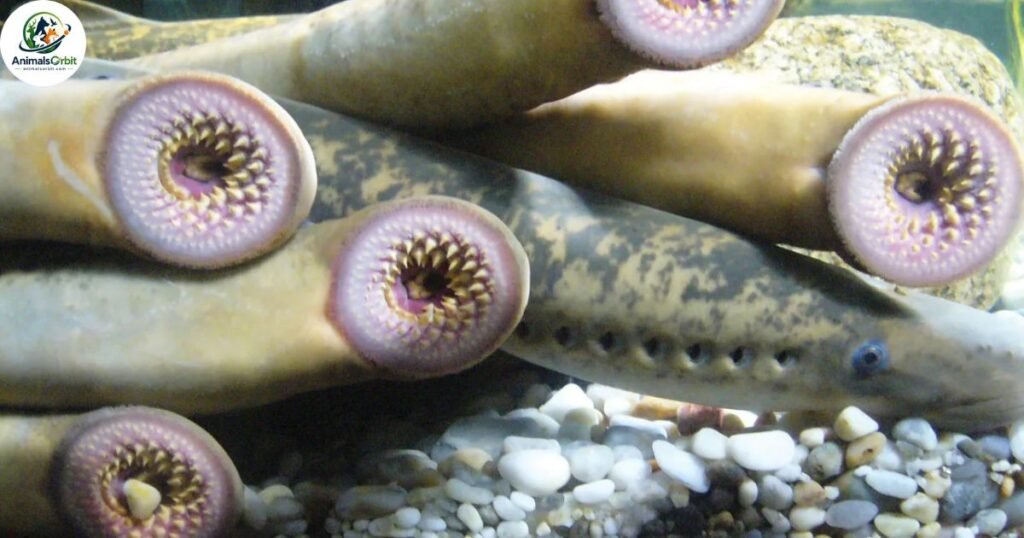
Despite their somewhat grisly feeding methods, lampreys play a crucial role in their ecosystems. As both predators and prey, they help maintain the balance of aquatic life. Their ancient evolutionary lineage offers insights into vertebrate development, revealing features that predate the jawed fish that dominate today’s waters.
Adaptations such as the ability to tolerate a range of salinities and reproduce in various environments showcase their resilience, reflecting their survival strategies over millions of years. Understanding lampreys not only enriches our appreciation for this enigmatic species but also emphasizes the importance of conserving the diverse ecosystems they inhabit.
Earthworms
Class: Clitellata
Diet: Detritivore
Earthworms, those fascinating legless inhabitants of our soil, possess segmented bodies that are marvels of nature’s engineering. Each segment plays a crucial role in their movement and functionality, allowing them to burrow through the ground with surprising agility.
Utilizing muscle contractions coupled with tiny bristles known as setae, these remarkable creatures push and pull themselves through the earth, creating intricate tunnel systems that enhance soil aeration and drainage.
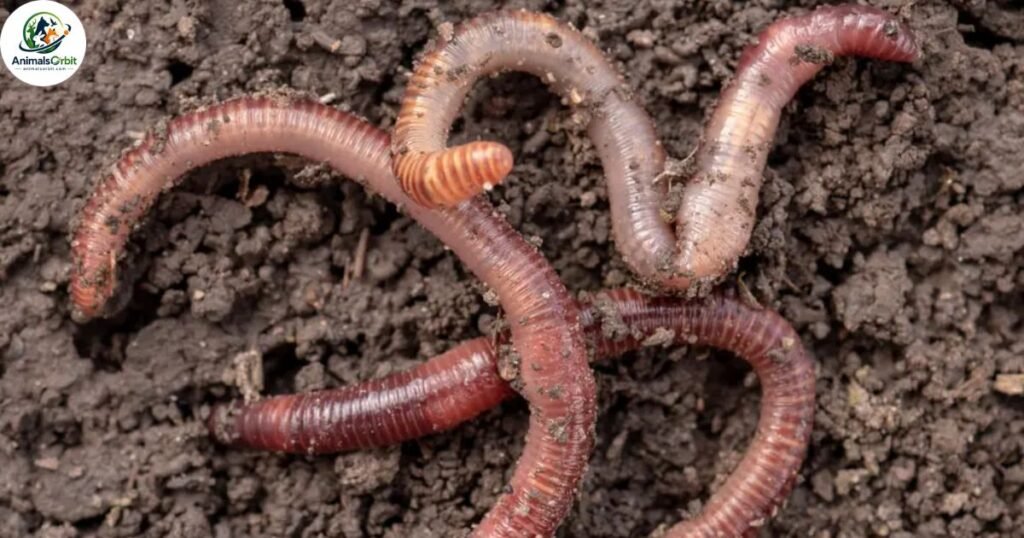
These burrows are not just highways for the worms; they serve as lifelines for the ecosystem, facilitating the flow of water and nutrients while promoting healthy root development for plants. Earthworms are also particularly sensitive to environmental changes, adeptly responding to light and vibrations, which help them avoid potential threats.
Their tireless work in breaking down organic material enriches the soil, transforming it into a fertile ground where plants can thrive. By nurturing soil health, earthworms play a pivotal role in sustainable agriculture, making them invaluable allies in our efforts to preserve the planet.
Clams
Class: Bivalvia
Diet: Filter feeder
Clams are fascinating animals, notable for their absence of legs and distinctive two-hinged shells. These bivalves sport a muscular foot, which allows them to burrow into sandy or muddy seabeds with impressive agility. This adaptation not only provides them with protection from predators but also creates a rich habitat for various microorganisms, stimulating biodiversity in their environment.
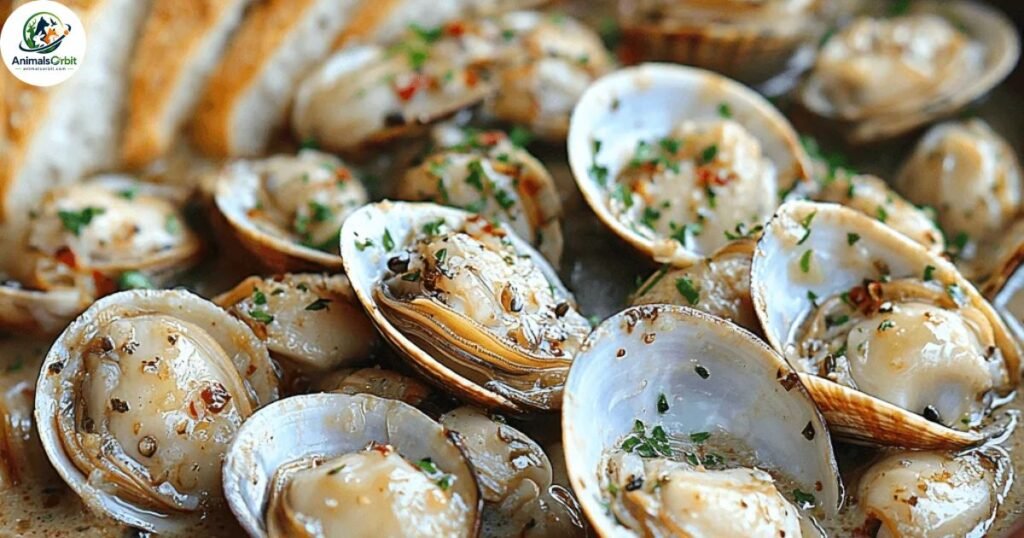
These remarkable creatures play a crucial role in aquatic ecosystems through their filter-feeding process. Clams draw in water, filtering it to remove plankton and other tiny particles, thereby contributing to water clarity and quality.
As they sift through large volumes of water, they help regulate nutrient levels, which is vital for the health of both aquatic plants and animals. By maintaining this balance, clams support the intricate web of life that thrives beneath the waves, underscoring their importance in preserving aquatic health and resilience.
Squid
Class: Cephalopoda
Diet: Carnivore
Squids are fascinating ocean animals that exhibit a unique form of locomotion, relying on their streamlined bodies and advanced jet propulsion for swift swimming. By expelling water through their siphons, squids can dart away from predators or navigate their environment with impressive agility. This remarkable adaptation not only enhances their survival but also positions them as agile hunters in the depths of the ocean.
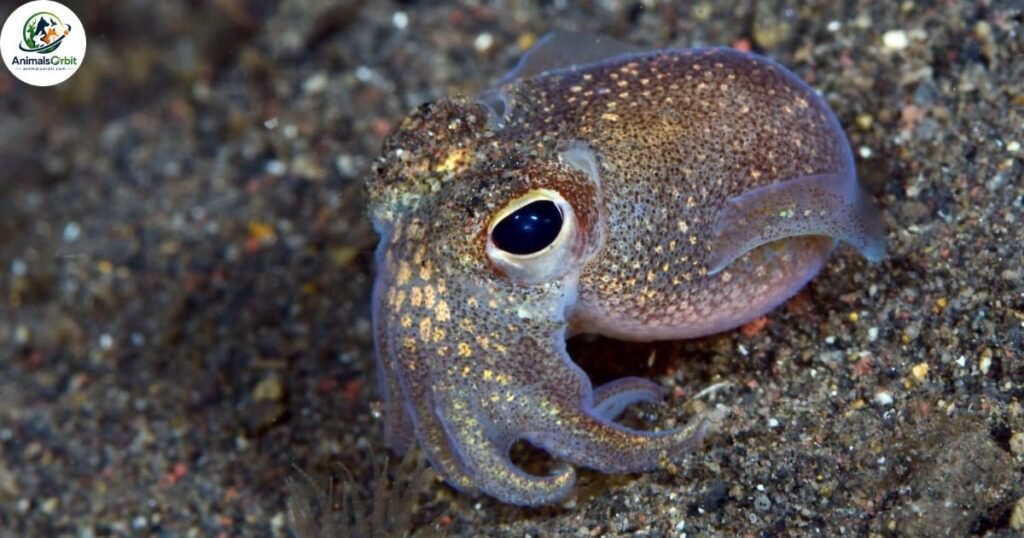
One of the squid’s most astonishing features is its ability to change color and texture through specialized cells known as chromatophores. These pigment-filled sacs can expand or contract, enabling squids to blend seamlessly into their surroundings, communicate with other squids, or signal distress.
Beyond their striking visual capabilities, squids also showcase remarkable intelligence; many species demonstrate complex behaviors such as problem-solving and even the ability to learn from their experiences. This combination of physical prowess and cognitive skills makes squids a subject of ongoing research and admiration in the marine biology community.
Jellyfish
Class: Scyphozoa
Diet: Carnivore
Jellyfish are fascinating ocean dwellers, characterized by their gelatinous bodies that lack legs, bones, a brain, or even a heart. These intriguing creatures primarily consist of a soft, translucent bell that pulsates rhythmically to propel them through the water, allowing them to drift gracefully while searching for food. Their unique structure enables them to thrive in diverse marine environments, from warm coastal waters to frigid deep seas.
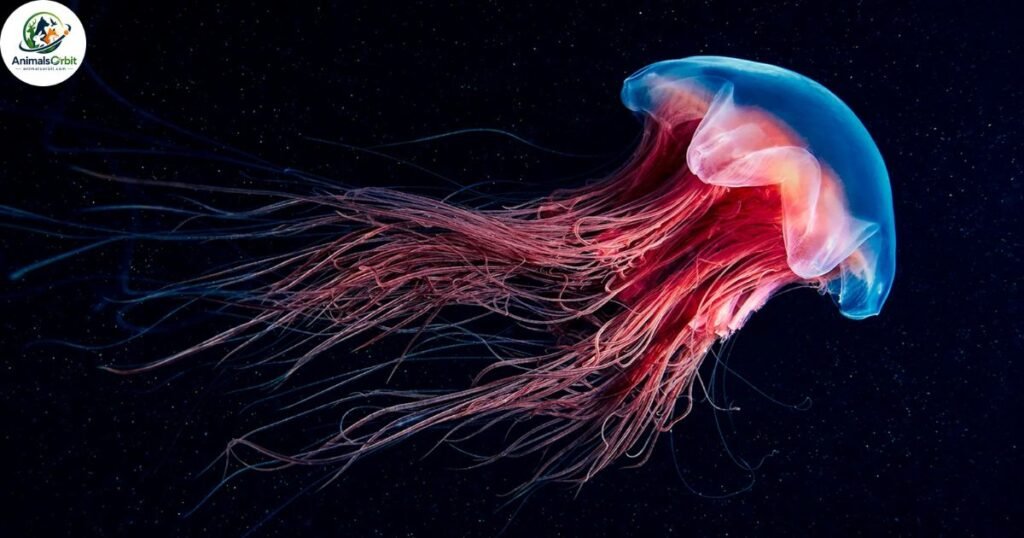
A highlight of jellyfish biology lies in their stinging tentacles, which are equipped with specialized cells called nematocysts. These tentacles serve a dual purpose: capturing prey and defending against potential threats, playing a vital role in marine food webs as both predators and prey.
Many jellyfish species also exhibit bioluminescence, emitting a mesmerizing glow that can confuse predators or attract mates. With an evolutionary history spanning over 500 million years, these ancient animals provide invaluable insights into the complexities of marine ecosystems and the intricate connections within the ocean’s food chain.
Sea Cucumbers
Class: Holothuroidea
Diet: Detritivore
Sea cucumbers, often overlooked in the marine ecosystem, are fascinating legless animals that play a vital role in underwater health. With their elongated bodies and distinctive tube feet, these creatures glide along the ocean floor, gracefully navigating through various sediments.
Traditional fast-swimming marine life, sea cucumbers exhibit a slow-paced lifestyle, using their tube feet to anchor themselves and move effectively in their environment. This remarkable adaptation not only aids in mobility but also facilitates their feeding process.
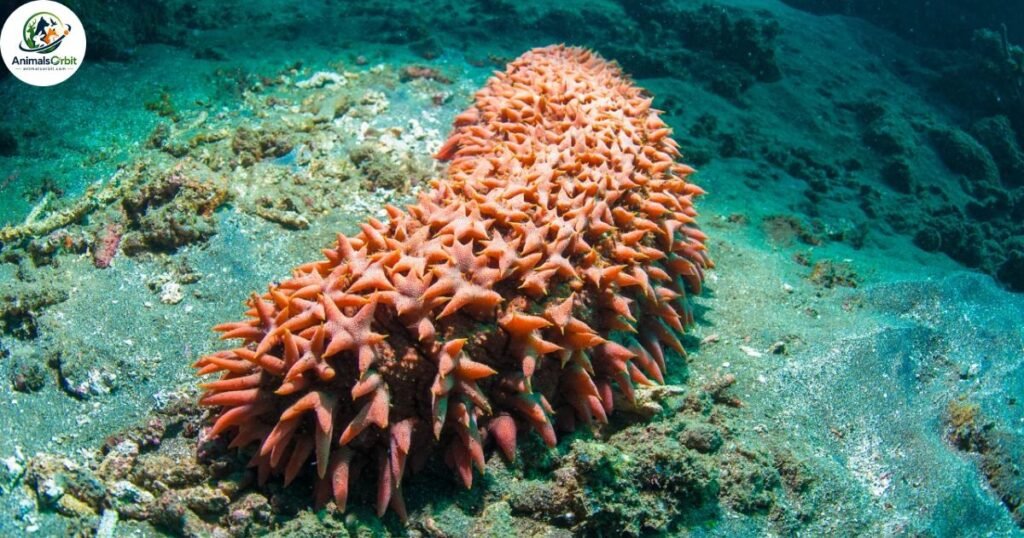
These intriguing marine animals serve as nature’s recyclers, consuming organic matter and detritus, which enhances nutrient availability in the ocean’s depths. By ingesting sediment and filtering out debris, sea cucumbers contribute significantly to the ecosystem’s nutrient cycle, ensuring the continual replenishment of essential elements.
Their incredible ability to regenerate lost internal organs presents a captivating aspect of their biology, offering insights into survival strategies that could inspire medical advancements in human health. This extraordinary regeneration capability ensures that sea cucumbers can thrive in environments where other species might struggle.
Read May Also: Top 13 Small Monkey Breeds In The World (With Images)
Whales
Class: Mammalia
Diet: Depends on species
Baleen whales filter feeders (krill, plankton, small fish)
Toothed whales carnivores (fish, squid, seals in some)
Whales are fascinating marine mammals known for their streamlined bodies and powerful flippers, which have evolved to perfectly suit life in the ocean. These creatures underwent significant evolutionary transformations, transitioning from land-dwelling ancestors to fully aquatic beings millions of years ago.
This shift reflects an astounding example of adaptation, where their skeletal structure changed to support buoyancy and propulsion in water, allowing them to traverse vast oceanic expanses with grace and efficiency.

Social behavior among whales is equally captivating; many species exhibit complex social systems and communicate using a variety of sounds. Whale songs, often hauntingly beautiful, can travel for miles underwater and serve multiple purposes, from attracting mates to coordinating group activities.
The depth of parental care displayed by whales highlights their intelligence; mothers often nurture and teach their calves for extended periods, equipping them with the skills necessary for survival in a diverse marine environment. This blend of social interaction and cognitive complexity makes whales not just magnificent creatures of the sea, but also indicators of the health of our oceans and the vital ecosystems they inhabit.
Read May Also: Top 20 Animals That Eat Frogs (With Pictures & Fun Facts)
Slugs
Class: Gastropoda
Diet: Mostly herbivore or detritivore
Slugs, despite their lack of legs, are fascinating creatures that showcase a unique form of locomotion. Their muscular foot, which stretches along their entire length, allows them to glide smoothly over various surfaces.
This motion is often accompanied by a trail of mucus, which not only aids in their movement but also serves as a protective barrier against desiccation. The mucus facilitates their journey through diverse terrains, enabling them to thrive in damp environments where other animals might struggle.
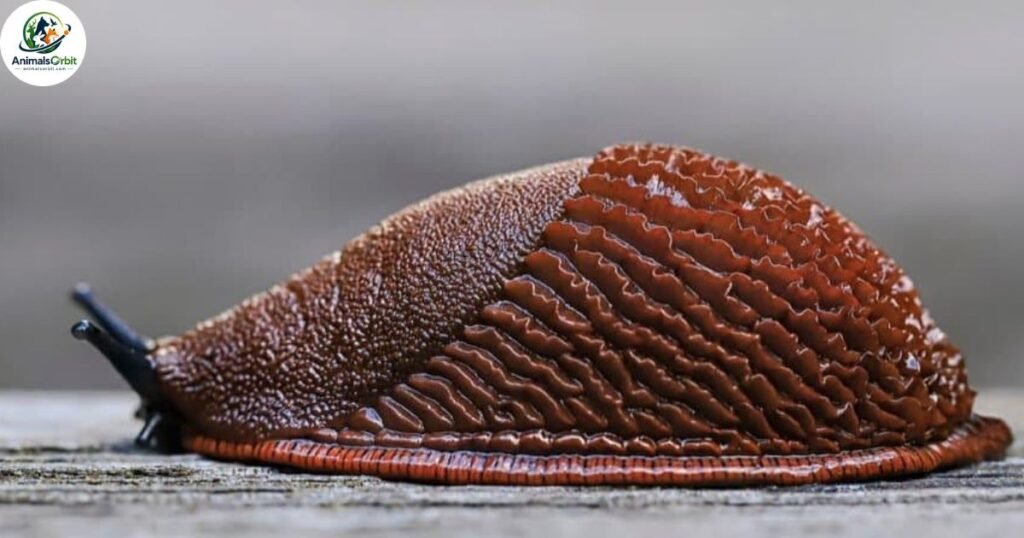
Adding to their intrigue, slugs possess eyestalks that are adept at detecting light, tastes, and odors, showcasing a remarkable adaptation for survival. This sensory ability helps them navigate their surroundings and locate food while avoiding potential threats. Their natural camouflage often rendering them near-invisible against surfaces serves as a key defense mechanism against predators.
Slugs play a crucial role in soil health and nutrient cycling by breaking down organic matter, enriching the soil, and promoting plant growth. Through their secretive and seemingly simple lives, slugs contribute significantly to the ecosystems they inhabit, revealing the complex interplay of life within our gardens and forests.
Read May Also: 15 Types of Reptiles: Amazing Reptiles You Should Know
Dolphins
Scientific Name: Delphinidae
Class: Mammalia
Diet: Carnivore
Dolphins, often celebrated as some of the ocean’s most intelligent inhabitants, showcase a remarkable blend of physical and behavioral adaptations that enable their thriving in marine environments. Their streamlined bodies, designed for agility, allow for swift movement through water, complemented by powerful flukes that propel them at impressive speeds.
The pectoral fins, dexterous and flexible, serve not only for steering but also for social interactions, playing a pivotal role during complex communication rituals.

Equally captivating is their sophisticated vocalization. Dolphins utilize a series of clicks and whistles, forming a rich language that facilitates social cohesion in pods. Their engaging social behavior, characterized by playful interactions and cooperative hunting, highlights their cognitive prowess and emotional depth.
The energy-efficient movement of dolphins, achieved through their unique anatomical features, enables them to cover vast distances with minimal effort, reflecting their evolutionary adaptation to diverse oceanic environments. Each encounter with these legless marine mammals reveals layers of complexity, making them not just fascinating creatures but also vital indicators of ocean health.
Read May Also: Top 25 Birds With Long Legs With Images and Facts
Conclusions
Animals with no legs exemplify the incredible adaptability of life. From the slithering of snakes to the gliding of certain reptiles, these creatures have developed unique movement strategies that allow them to thrive in various environments. Their fascinating adaptations, whether through the use of muscular propulsion or specialized body shapes, showcase the intricacies and wonders of evolutionary processes. Moreover, their survival strategies highlight the importance of biodiversity, reminding us of the delicate balance within ecosystems. As stewards of the planet, it is crucial to raise awareness about these remarkable animals and advocate for the protection of their habitats to ensure their survival for generations to come.
FAQs
What is the fastest animal without legs?
The black mamba is often regarded as one of the fastest legless animals, capable of reaching speeds of up to 12 miles per hour. This impressive speed is primarily due to its specialized body structure and movement patterns. The black mamba features a long, slender body that enables it to slither quickly and efficiently, allowing for rapid acceleration when necessary.
How do legless animals move around?
Legless animals, such as snakes, have evolved various unique methods of movement that compensate for their lack of limbs. The primary ways they navigate their environment include slithering, crawling, and wriggling. Each technique relies on a combination of muscle contractions and the interplay of their specialized scales with the surface they are moving over.
Are there any limbless mammals?
Whales, dolphins, and manatees might appear limbless at first glance, but they have actually evolved their limbs into specialized structures for swimming. Whales and dolphins have flippers that were once forelimbs, modified for movement through water, while manatees retain a similar structure. These evolutionary adaptations enable them to thrive in aquatic environments while still retaining the bone structure of their ancestors’ limbs. Thus, while true limbless mammals exist, many aquatic mammals have adapted their limbs rather than completely lost them.
Which Animals should be included in a no Legs Animals Chart?
A good chart includes:
Reptiles: snakes, slow worms, glass lizards
Amphibians: caecilians
Fish: eels, sharks, salmon, seahorses
Mammals: dolphins, whales, porpoises (no hind legs)
Invertebrates: earthworms, snails, slugs, leeches, jellyfish, starfish
What Animals don’t have Legs?
Animals without legs include snakes, legless lizards, earthworms, snails, slugs, leeches, eels, fish, jellyfish, starfish, and caecilians. Dolphins and whales have no hind legs either.
What are Animals with no Legs called?
There is no single name for all legless animals. The scientific term for having no limbs is “apodal” (from Greek, meaning “without feet”). Snakes, eels, caecilians, and legless lizards are all examples of apodal animals.