Explore Top 16 Stubborn Animals (With Images)
When an animal refuses to move, change course, or follow a handler’s cue, its behavior can look like pure stubbornness. But persistence, strong instincts, and unusual habits often have practical roots in how animals respond to their surroundings. In this guide to 16 stubborn animals, you’ll see how traits that seem difficult or uncooperative can also help animals survive, adapt, and make their own choices.
List of Stubborn Animals
Here is the list of stubborn animals in the world:
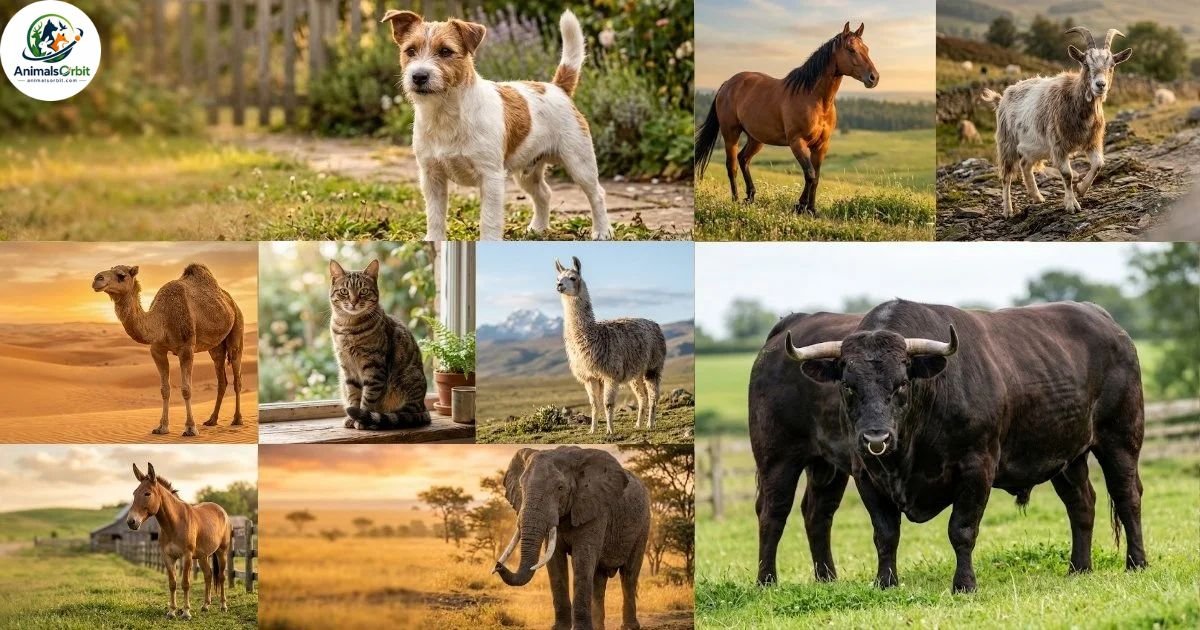
- Bulls
- Mules
- Camels
- Buffalo
- Horses
- Donkeys
- Raccoon
- Goats
- Llama
- Pig
- Cows
- Badger
- Terrier Dogs
- Cats
- Elephants
- Tortoises
Bulls
Scientific name: Bos taurus
Class: Mammalia
Diet: Herbivore
Bulls can be stubborn, especially when they seem reluctant to move. That hesitation may be a form of self-preservation: an unfamiliar setting, sudden noise, or approaching handler can feel like a threat. Strong instincts and close awareness of their surroundings shape how are bulls stubborn respond, so what looks like defiance may instead be caution.
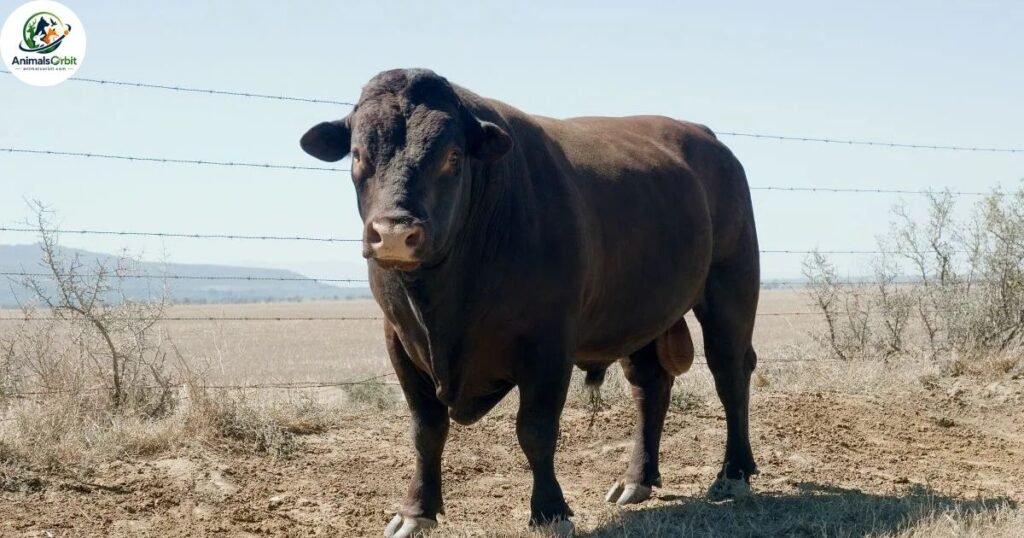
A patient handler can give a bull time to assess what is happening and respond calmly. Consistent, considerate handling can help build trust and improve cooperation, but safety must remain the priority. Avoid rushing or putting yourself in a position where a startled bull could cause harm.
Mules
Scientific name: Equus mulus
Class: Mammalia
Diet: Herbivore
Mules are intelligent, strong-willed animals, and their caution can be mistaken for stubbornness. When they encounter unfamiliar or potentially risky terrain, they often pause to assess the situation before moving. This reflects a strong instinct for self-preservation, not simply a refusal to cooperate.
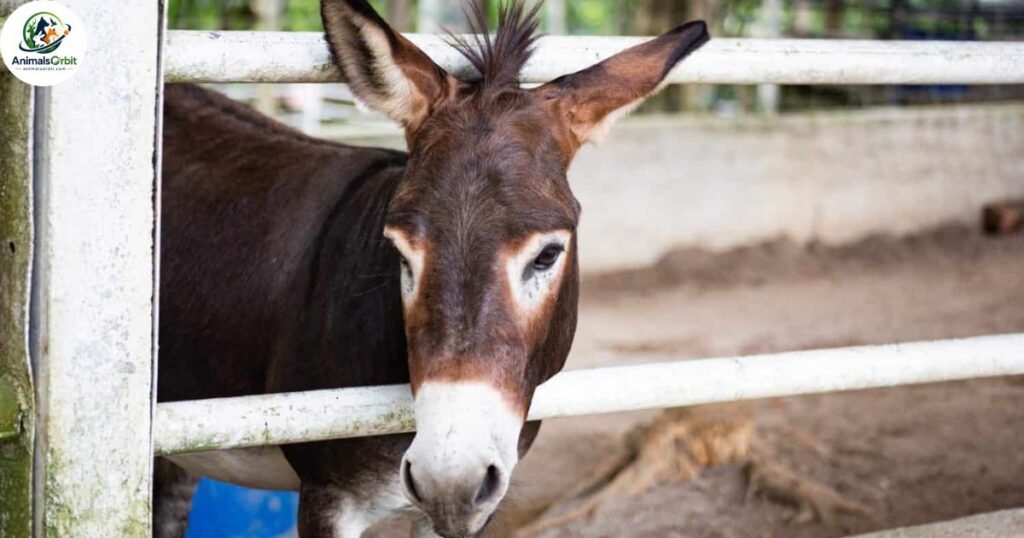
Handlers can better understand a mule’s behavior by allowing time for that assessment and building trust through patient, consistent handling. As confidence grows, a mule is more likely to move willingly rather than be pushed into uncertainty.
Camels
Scientific name: Camelus dromedarius / Camelus bactrianus
Class: Mammalia
Diet: Herbivore
Camels can look stubborn when they resist moving, but that behavior may reflect fatigue, heat, or a need to conserve energy. In harsh desert conditions, pacing themselves can be part of coping with their surroundings, not simply a refusal to cooperate.
These camels stubborn animals are also intelligent and environmentally aware. They can assess what is around them, work through problems, and form strong bonds with their handlers. Their ability to endure demanding conditions makes them valuable companions, while their awareness and adaptability challenge the stereotype of the stubborn camel.
Buffalo
Scientific name: Bubalus bubalis
Class: Mammalia
Diet: Herbivore
A buffalo’s measured pace can look like stubbornness, but these strong, determined animals are not simply slow to act. Caution shapes their behavior: staying alert and avoiding sudden risks can help them respond to potential threats. When they do feel threatened, their size and strength make a defensive response possible.

Buffalo also draws protection from the herd. Rather than facing danger alone, they may bunch together, keeping close to other members and presenting a united front. This group defense reflects both their social bonds and a form of cooperation: standing together can make the herd less vulnerable than an isolated animal.
Horses
Scientific name: Equus ferus caballus
Class: Mammalia
Diet: Herbivore
Horses are sensitive, intelligent animals that pay close attention to their surroundings. A horse that seems stubborn animals nyt may actually feel uncomfortable, uncertain, or distrustful. Its willingness to move can reflect not only what is happening around it, but also its individual personality and level of awareness.
Patience helps handlers respond to hesitation without escalating it. Consistent training, positive reinforcement, and calm, clear guidance can help a horse understand what is being asked and build trust over time. When horses feel secure with their handlers, cooperation is more likely.
Donkeys
Scientific name: Equus africanus asinus
Class: Mammalia
Diet: Herbivore
A donkey’s cautious nature is part of how it approaches the world. Faced with an unfamiliar situation, it may stop to assess what is happening and whether a potential threat is present. That pause can look like stubbornness, but it reflects a strong self-preservation instinct and an intelligent response to uncertainty.
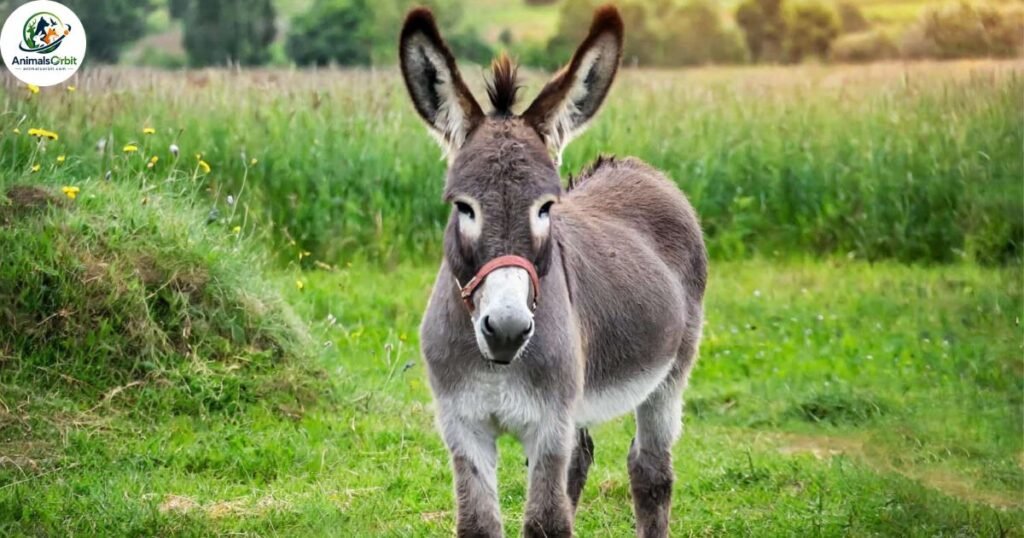
Donkeys can form loyal, emotional bonds with humans and other animals. A handler who responds with patience rather than pressure gives the animal room to feel secure. As trust develops, cooperation becomes easier to build an important reminder that understanding a donkey’s perspective is often the first step toward working well together.
Raccoon
Scientific name: Procyon lotor
Class: Mammalia
Diet: Omnivore
A raccoon investigating a trash can is doing more than making a mess: it is using nimble front paws and problem-solving skills to reach a potential food source. Raccoons can persist through challenges and have been successful at solving puzzles, qualities that can make their behavior look stubborn when they are determined to get past an obstacle.
Their curiosity also helps them adapt to urban life. City environments present plenty of barriers, but they offer opportunities to explore, too. By testing what they encounter and adjusting their approach, raccoons can navigate a human-shaped landscape and take advantage of what it provides.
Goats
Scientific name: Capra aegagrus hircus
Class: Mammalia
Diet: Herbivore
A goat may not take the path it knows if something else catches its attention. Curious and independent, are goats stubborn animals often investigate their surroundings rather than simply follow a familiar route. Their resistance to restrictions can look like stubbornness, but it is also part of how they act on their instincts.
Goats are capable climbers, and they may jump fences or work around obstacles as they explore. Their intelligence and persistence help them find ways through challenging terrain and adjust to different environments.
Llama
Scientific name: Lama glama
Class: Mammalia
Diet: Herbivore
Llamas are intelligent, cautious animals, and their hesitation can sometimes look like stubbornness. One may refuse to leave a comfortable grazing spot or balk at an unfamiliar steep trail. Rather than rushing ahead, a llama tends to assess its surroundings before deciding how to proceed a useful instinct when a route or situation seems uncertain.
Patience can make these moments easier. Give a llama time to investigate, use rewards to encourage desired behavior, and let it explore at a manageable pace. These approaches can build trust and cooperation while giving the animal room to show a more playful side.
Pig
Scientific name: Sus scrofa domesticus
Class: Mammalia
Diet: Omnivore
Pigs are intelligent, adaptable animals, though their determined nature can sometimes be mistaken for stubbornness. When a pig roots through soil, explores uneven ground, or searches for food tucked out of sight, it is using curiosity and persistence to investigate its surroundings.
These behaviors also call for problem-solving: a pig must explore, notice possible resources, and adjust its approach when something is hard to reach. That same awareness and resourcefulness can help pigs respond to challenges and protect themselves in changing environments.
Cows
Scientific name: Bos taurus
Class: Mammalia
Diet: Herbivore
A cow’s reluctance to move can have more to do with familiarity than defiance. Cows are social and intelligent, with individual preferences; a favored grazing area or resting place may feel comfortable and predictable. Leaving it means giving up a known setting for one that may be unfamiliar.
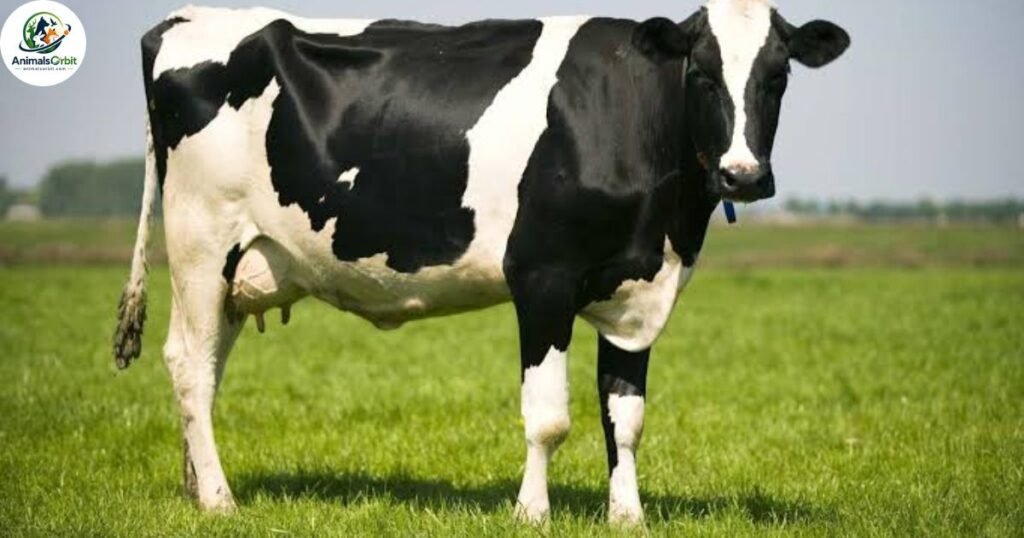
Their ability to remember familiar people and surroundings influences how they navigate daily life. A cow may respond differently when a routine changes or when asked to leave a place she recognizes. Taking her temperament and comfort into account offers a more useful way to understand why she pauses or resists.
Read May Also: 25 Types of Butterflies: Beautiful Butterflies You Should Know
Badger
Scientific name: Meles meles
Class: Mammalia
Diet: Omnivore
Badgers are persistent, territorial animals, and their stubborn reputation is often tied to protecting a burrow and the young inside it. When threatened, a badger may stand its ground rather than retreat, especially near its den. Its powerful claws and digging ability also offer another response: it can dig new tunnels or passages when an obstacle or danger makes its usual route unsafe.
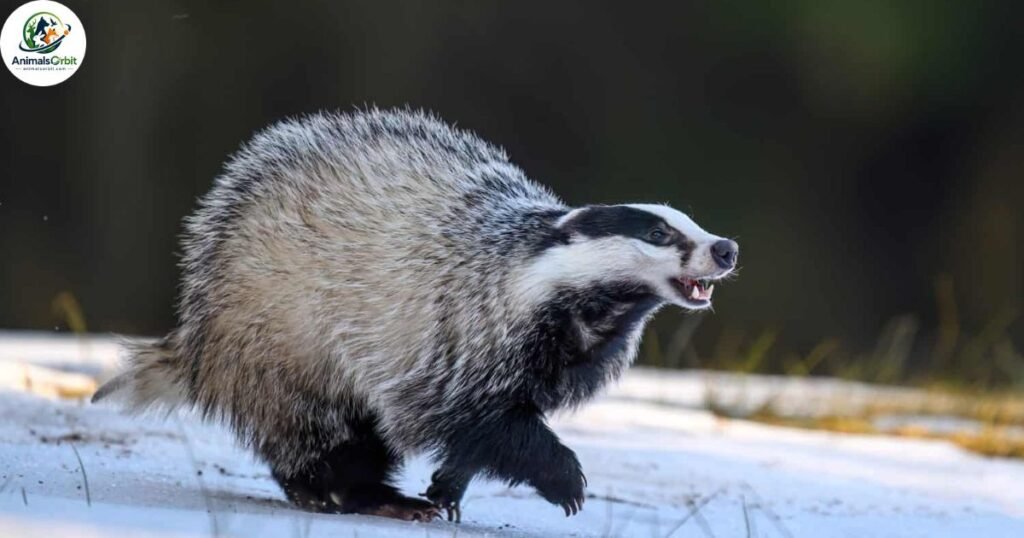
Mostly active at night, badgers can forage while avoiding the busiest hours of the day. Their ability to use different routes and adapt their behavior to changing conditions helps them make use of their surroundings. These habits, along with their determination to defend a burrow, support their survival.
Read May Also: Top 15+ Nocturnal Animals List, Pictures & Interesting Facts
Terrier Dogs
Class: Mammalia
Diet: Omnivore
Terrier dogs are determined, intelligent, and independent qualities shaped by their history as hunting and rodent-control dogs. Their strong instincts, energy, and curiosity can make them quick to investigate a sound or follow an interesting scent, even when their owner has other plans. A Jack Russell Terrier, for example, may bring plenty of drive and enthusiasm to everyday activities.

That independence can also show up in training. Terriers may test boundaries or resist repeating a task, so patience and consistent expectations matter more than a battle of wills. Engaging activities that give them a constructive outlet for their energy can encourage cooperation and help strengthen the bond they share with their owners.
Read May Also: Top 50+A to Z Animals List : Animal Names From Every Letter
Cats
Scientific name: Felis catus
Class: Mammalia
Diet: Carnivore
Cats can be selective, strong-willed companions. They may refuse to leave a cozy, warm place or ignore an owner’s call because comfort, curiosity, or simply their own priorities take precedence in that moment. This behavior is often labeled stubbornness, though it is also part of cats’ independent nature.
Because each cat has a distinct personality, there is no single response that suits them all. Some welcome frequent attention; others prefer to approach when they feel ready. Giving a cat time, learning its preferences, and responding with patience can make everyday interactions more rewarding and help deepen the bond.
Read May Also: Top 19 Animals with no legs (Pictures Included)
Elephants
Scientific name: Loxodonta africana / Elephas maximus
Class: Mammalia
Diet: Herbivore
An elephant’s apparent stubbornness can be a sign of a strong-willed, attentive animal. Elephants may resist leaving familiar places or changing direction when they are assessing their surroundings, weighing a possible risk, or trying to protect themselves. Their strength makes it difficult to hurry, but their behavior may be less about refusal than about making a considered choice.
Within a herd, an older matriarch often leads movement and helps guide decisions. Her protective instincts matter when the group faces uncertainty: keeping the herd together and choosing a safe route can help safeguard its members. When elephants hesitate, their response may reflect the matriarch’s caution as much as the preferences of individual animals.
Read May Also: Top 20 Animals That Gallop (With Pictures)
Tortoises
Class: Reptilia
Diet: Herbivore
For a tortoise, moving slowly is not simply a matter of pace; it is part of a careful approach to survival. Deliberate movement can conserve energy, especially when resources are scarce or the environment is demanding. By pausing and responding cautiously to what is around them, tortoises avoid needless exertion and navigate the wild on their own terms.

A protective shell offers another layer of defense, complementing the resilience tortoises have developed over their evolutionary history. Their patience and guarded behavior are practical adaptations, helping them meet challenges without relying on speed. This combination of endurance, protection, and caution has helped tortoises persist in diverse wild environments.
Read May Also: Top 18 Mischievous Animals In The World (With Images)
Conclusion
A stubborn animal isn’t necessarily difficult; strong-willed behavior can reflect independence, individual preferences, or a need for a different approach. When people respond with patience and empathy instead of force, training can become more effective and trust can grow. Next time you work with your animal, observe what may be motivating its behavior and adjust your approach to meet it with consistency and respect.
FAQs
Which Animal is Stubborn?
Donkeys are commonly considered stubborn.They have a strong-willed nature and may resist moving.Their intelligence and cautious instincts are also part of this perception.
Is a Goat a Stubborn Animal?
Goats are independent and can be strong-willed.They may resist commands, which can seem stubborn.Their curiosity, intelligence, and problem-solving abilities also shape this behavior.
Which Dog is a very Stubborn Animal?
Bulldogs are one of the dog breeds commonly known for their stubborn nature. Their independent personality can make them resistant to commands. They need patient, consistent training.
What is a Stubborn Animal?
A stubborn animal is one that resists commands, training, or being moved, often by refusing to budge, ignoring cues, or doing the opposite of what is asked. The donkey is the most famous example, and the phrase “stubborn as a mule” comes from this reputation.
What are the 10 Most Stubborn Animals?
The 10 most stubborn animals are the donkey, mule, goat, pig, camel, cat, bulldog, beagle, Siberian husky, and ox. Each has a strong independent streak and may resist commands or refuse to move.
What is the answer to the “Stubborn Animal” Crossword Clue?
The most common answer is MULE (4 letters). Other frequent answers include ASS (3), BURRO (5), DONKEY (6), and GOAT (4), depending on the letter count and the crossing words in the grid.