Explore Top 27 Most Shy Animals (With Pictures)
Many shy animals are easy to miss because they freeze, hide, or slip away at the first sign of disturbance. Their cautious behavior is more than a personality trait; it reflects adaptations to life in forests, grasslands, wetlands, and other habitats where staying unnoticed can be essential. In this guide to 27 of the most shy animals, you’ll discover what makes each species elusive, where it lives, and how it avoids attention, with pictures to help bring these remarkable creatures into view. They offer a closer look at the diversity of wildlife and the many ways animals adapt to their surroundings.
List of Most Shy Animals
Here is the list of most shy animals in the world:
- Red Panda
- Koala
- Tarsier
- Meerkat
- Aye-aye
- Slow Loris
- Deer
- Cheetah
- Red Squirrel
- Hedgehog
- Sloth
- Saola
- Snow Leopard
- Kiwi
- Quokka
- Dik-Dik
- Pangolins
- Maned Wolf
- Binturong
- Aardvarks
- Giant Panda
- Axolotl
- Fossa
- Kangaroo
- Giant Anteater
- Okapi
- Fennec Fox
Red Panda
Scientific name: Ailurus fulgens
Class: Mammalia
Diet: Herbivore
The red panda is among the world’s shyest animals, often staying out of sight in the temperate forest canopy. Its reddish-brown fur and distinctive masked face make it recognizable, but its solitary lifestyle and preference for hidden treetop cover can make it difficult to spot.
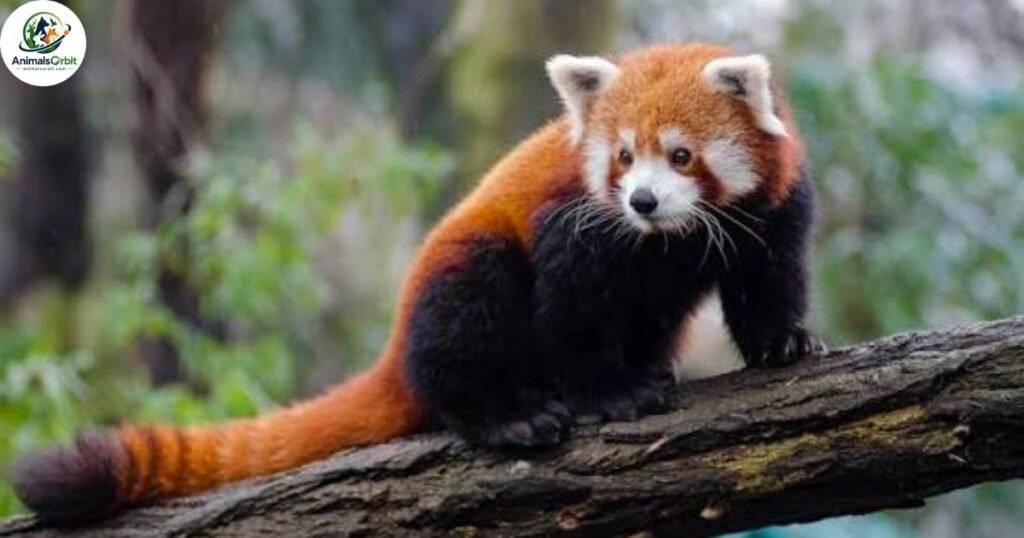
Most active at night and during twilight, red pandas feed on bamboo, fruits, and insects. They are excellent climbers, using their agility to move through the trees as they forage and seek shelter. Their elusive behavior, combined with shrinking forest habitat, makes conservation especially challenging.
Koala
Scientific name: Phascolarctos cinereus
Class: Mammalia
Diet: Herbivore
A koala’s quiet, solitary routine helps it stay out of sight. It usually lives and rests high among eucalyptus branches, where its fur offers camouflage against the trunks and its stillness makes it easy to overlook. Koalas are generally timid around humans and may retreat or remain motionless when approached.
Their unhurried pace is also an energy-saving strategy: eucalyptus leaves are low in nutrients, and koalas spend much of the day resting. In mating season, deep vocalizations especially the males’ loud bellows carry through the trees, contrasting with their usual quiet. Koalas still face natural survival challenges, and human-driven pressures such as habitat clearing and fragmentation can reduce safe places to live. Fires, vehicle collisions, and attacks by domestic dogs can add further risks, making habitat protection an important part of koala conservation.
Tarsier
Scientific name: Tarsius tarsier
Class: Mammalia
Diet: Carnivore
Tarsiers are among the shyest animals in the world. Small in size, they are easy to overlook among the branches of Southeast Asian forests, where they spend much of their time hidden from view. Their enormous eyes are adapted to low light, helping them spot prey during their nocturnal hunts.
These elusive primates tend to stay among tree branches, where hiding can also help them avoid predators. They are mostly solitary and communicate with quiet calls after dark. Their secretive habits and remarkable night vision make them distinctive residents of the forest canopy.
Meerkat
Scientific name: Suricata suricatta
Class: Mammalia
Diet: Omnivore
Meerkats are small, slender mammals with a mongoose-like appearance, including pointed faces and dark patches around their eyes. They live in the dry landscapes of southern Africa, where open ground and sparse cover make it important to stay alert. Though curious, meerkats can be cautious and sometimes shy, taking time to assess unfamiliar sights and sounds before moving closer.
Safety depends on the group. Meerkats live in family groups and use a range of vocalizations to alert one another to potential predators; different calls can signal different kinds of danger. Their intelligence, watchfulness, and cooperation help them respond to threats and survive in a challenging habitat.
Aye-aye
Scientific name: Daubentonia madagascariensis
Class: Mammalia
Diet: Omnivore
Nocturnal and solitary, the aye-aye is one of the world’s most unusual and elusive animals. It lives in Madagascar’s dense forests, where its large eyes suit its nighttime activity and its cautious behavior helps it remain out of sight.
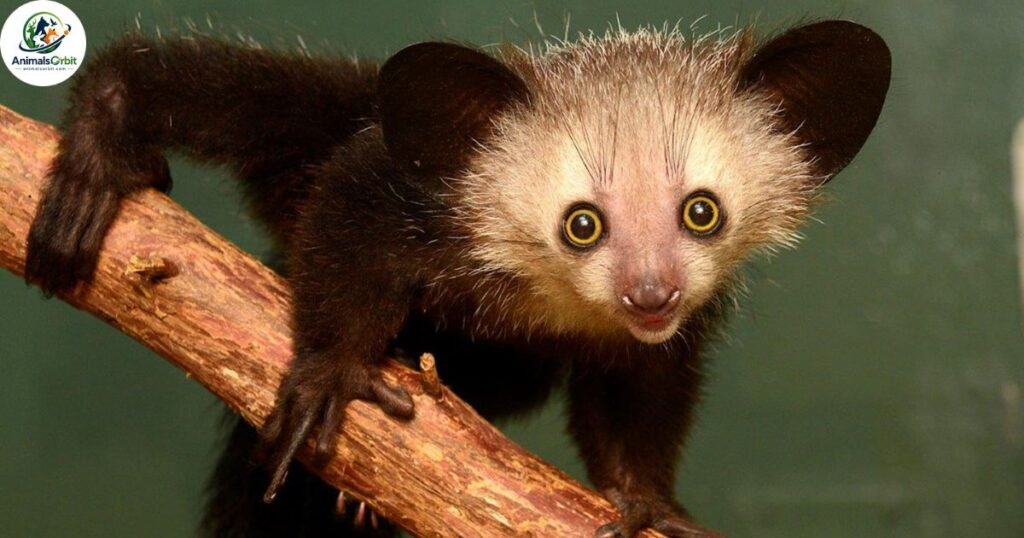
When searching for food, the aye-aye uses its long, thin middle finger to reach insect larvae inside tree bark. Its keen senses help it detect prey, while its ability to stay hidden helps it avoid predators. By moving carefully through its forest home, this shy animal lowers the chance of being noticed.
Slow Loris
Scientific name: Nycticebus coucang
Class: Mammalia
Diet: Omnivore
The slow loris is a small, nocturnal primate of Southeast Asia’s forests, known for its large, expressive eyes and remarkably quiet nature. After dark, it moves through the trees in slow, deliberate steps, using branches and foliage for cover. Staying hidden helps this shy animal avoid potential threats in its forest home.
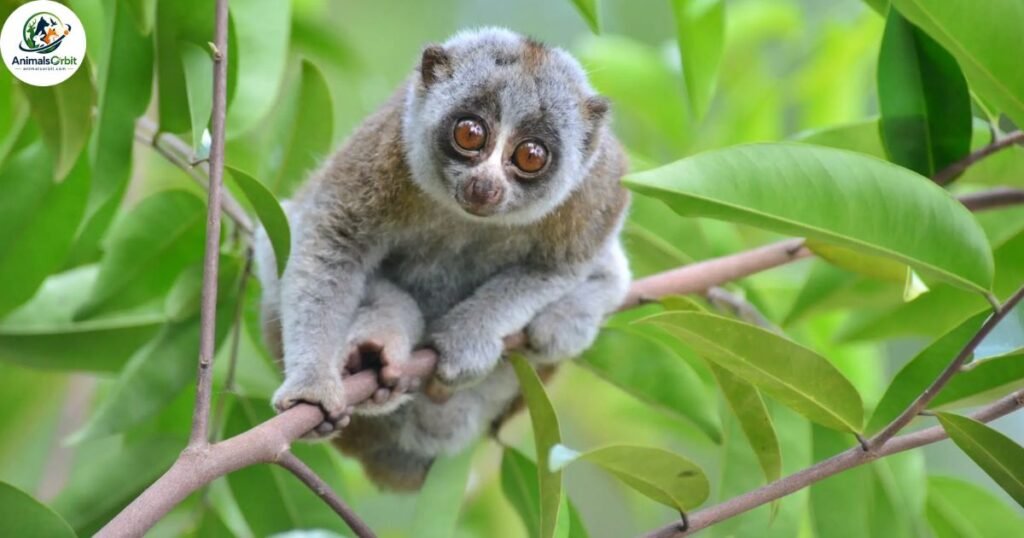
When threatened, a slow loris can deliver an unusual venomous bite, a natural defense that makes it more than just a gentle-looking face. Its survival is increasingly challenged by deforestation, climate change, and the illegal pet trade. Protecting forest habitats and keeping wild lorises out of the pet tradematters for the future of these elusive animals.
Deer
Scientific name: Cervidae
Class: Mammalia
Diet: Herbivore
Deer are among the shyest animals in the wild, often avoiding people and other potential threats rather than confronting them. Their gentle, cautious nature helps them live in varied habitats, from forests and grasslands to open fields, where they can find food while staying alert to danger.
A deer’s wide field of vision and keen hearing help it notice movement and unfamiliar sounds. Its ears may turn toward a noise, while a raised head or stiff posture signals growing concern. Deer also use subtle tail and body movements, along with soft calls such as bleats or grunts, to communicate. Their social habits vary, but many spend time in small groups, especially with young people.
A doe keeps her fawn close while helping it become more aware of its surroundings. When danger may be near, her alert posture and behavior offer cues for the fawn to stay still and watchful. These quiet signals are part of how deer navigate a world where noticing a threat early can mean a safer escape.
Cheetah
Scientific name: Acinonyx jubatus
Class: Mammalia
Diet: Carnivore
Cheetahs are famous for their remarkable speed, but these fast cats are often surprisingly shy and cautious. Their excellent eyesight helps them spot potential danger across open savannas and arid landscapes. Rather than seek a confrontation, a cheetah will often stay alert, keep a low profile, and avoid drawing attention to itself.
That caution matters because lions and hyenas can pose a threat. Staying watchful and steering clear of conflict helps cheetahs reduce encounters with these larger predators. Their social lives reflect different needs, too: males may form small bachelor groups, while females generally live alone. Even a world-class sprinter, it seems, has good reason to choose caution over a fight.
Red Squirrel
Scientific name: Sciurus vulgaris
Class: Mammalia
Diet: Omnivore
A red squirrel’s small frame, reddish coat, and bushy tail help distinguish it among the trees. These elusive animals tend to avoid people, hiding or climbing when approached. They prefer coniferous forests and often live alone, defending a territory rather than moving through the woods in groups.
Red squirrels signal through both calls and body language, and their behavior reflects a keen awareness of their surroundings. They collect and store food, preparing for changes in availability rather than relying only on what they can find in the moment. This combination of careful communication and food-storing habits makes them well suited to life in a changing forest.
Hedgehog
Scientific name: Erinaceus europaeus
Class: Mammalia
Diet: Omnivore
Hedgehogs are small, very shy animals with spiky coats and a preference for staying out of sight. They usually live solitary lives, keeping hidden during the day and becoming active mainly at dusk or night, when they search for insects and worms.
When threatened, a hedgehog curls into a tight, protective ball, using its spines as a defense. Though often quiet, hedgehogs communicate with sounds including snuffles, grunts, chirps, and whining small clues to a life most often spent in hiding.
Sloth
Scientific name: Bradypus variegatus
Class: Mammalia
Diet: Herbivore
Sloths are among the shyest animals in the world, spending much of their lives alone and hidden high in tropical forest canopies. Their slow, deliberate movements help conserve energy, while keeping a low profile may make them less noticeable to predators such as jaguars and harpy eagles.
Green algae growing on a sloth’s fur can give its coat a greenish cast that blends with leafy surroundings. Although sloths are solitary, they can communicate through vocalizations and scent marking, especially when they need to signal to others. Their quiet, concealed way of life makes the canopy an ideal place to remain out of sight.
Saola
Scientific name: Pseudoryx nghetinhensis
Class: Mammalia
Diet: Herbivore
The saola, often called the “Asian Unicorn,” is among the world’s shyest and most elusive animals. It has a dark brown coat and two long, straight horns, and lives in the Annamite Mountains of Vietnam and Laos. This remote forest range is its home, but spotting one is exceptionally difficult.
Saola are solitary and tend to hide in dense forests and bamboo thickets, where thick vegetation keeps them out of view. They also communicate subtly, making their presence harder to detect. These habits leave researchers with limited opportunities to observe them directly, even in their natural habitat.
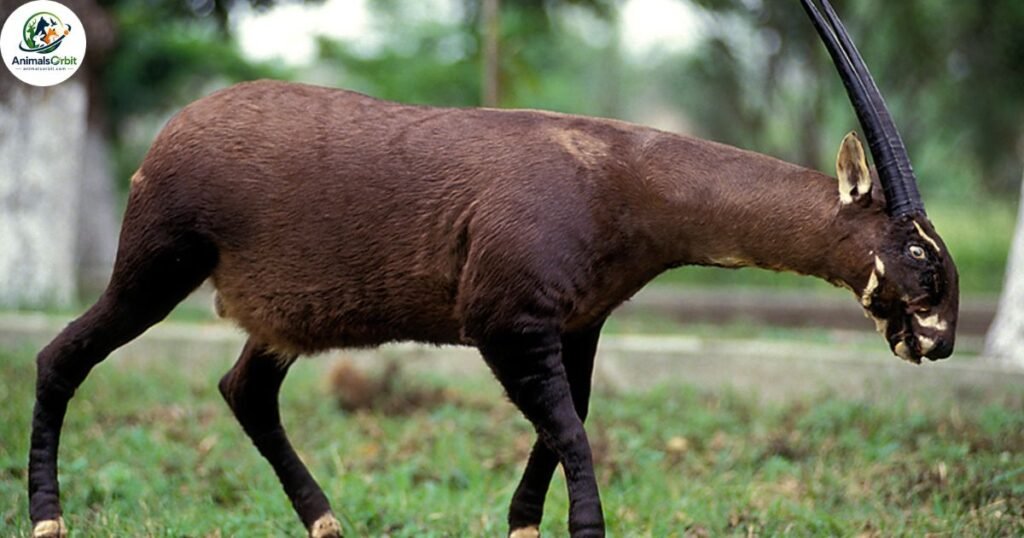
The saola is endangered, facing major threats from habitat loss and poaching. Protecting the forests and bamboo thickets it depends on, alongside sustained conservation efforts, is essential to its future. Safeguarding the Annamites can help preserve the habitat this remarkable animal needs.
Snow Leopard
Scientific name: Panthera uncia
Class: Mammalia
Diet: Carnivore
The snow leopard’s smoky-gray coat is more than striking: its thick fur and dark markings help the cat disappear against the rocks, shadows, and snow of Central Asia’s rugged mountains. This camouflage suits a life in steep, high-altitude landscapes, where blending into the terrain can help a hunter move without being noticed.
Snow leopards usually live alone and are known for their quiet, elusive behavior. With keen eyesight and a stealthy approach, they can hunt in demanding mountain terrain while avoiding unnecessary attention. They generally keep their distance from humans and other animals, remaining out of sight among the cliffs and slopes.
Kiwi
Scientific name: Apteryx australis
Class: Aves
Diet: Omnivore
Kiwis are among New Zealand’s shyest and most elusive birds. Flightless and compact, they have small, rounded bodies covered in soft brown feathers that help them blend into the forest floor. They live in New Zealand, where their secretive habits can make them difficult to spot.
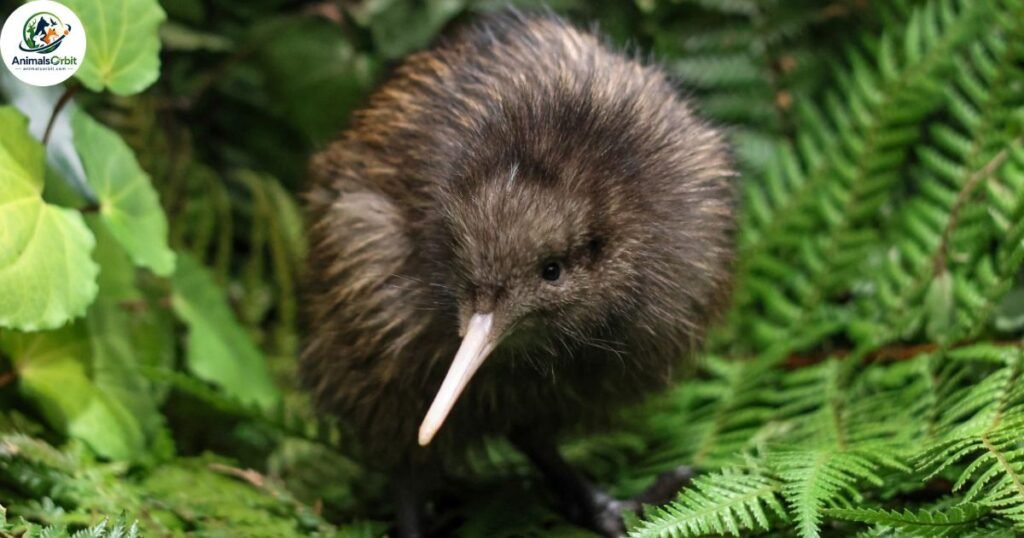
Kiwis are active at night and usually forage alone, behaviors that help them avoid threats. As they probe through soil and leaf litter, their excellent sense of smell helps them locate insects and worms beneath the surface. This combination of camouflage, nocturnal activity, and solitary foraging suits a bird that keeps out of sight.
Quokka
Scientific name: Setonix brachyurus
Class: Mammalia
Diet: Herbivore
Quokkas are small marsupials with round faces and an expression that can look like a cheerful smile. Many people associate them with Rottnest Island, off the coast of Western Australia, though they are native to parts of Australia more broadly. Despite their friendly appearance, quokkas are naturally cautious and often prefer to keep their distance from people.

Bushy vegetation gives quokkas shelter and a place to retreat when they sense a potential threat. If approached, a quokka may freeze rather than move immediately, a cautious response that can make it less noticeable. They also interact with other quokkas in small groups, while maintaining personal space so a group sighting is not an invitation to get close.
Dik-Dik
Scientific name: Madoqua kirkii
Class: Mammalia
Diet: Herbivor
On the East African savanna, a dik-dik’s small size is a useful advantage. These elusive antelopes can disappear into tall grass, remaining still when danger is near or darting away in zigzag patterns when escape is the safer choice. Their ability to hide or move quickly helps them navigate an exposed landscape.
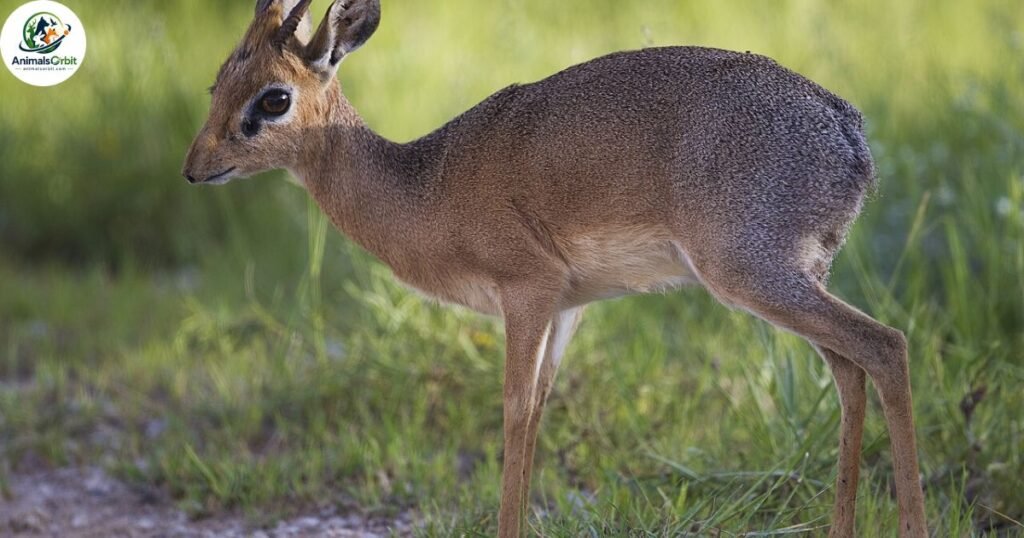
Dik-diks are also known for forming monogamous pair bonds. Partners share a home range, keep in touch with soft whistles, and reinforce their bond through mutual grooming. Together, these habits make the dik-dik’s life on the savanna both cautious and closely connected.
Pangolins
Class: Mammalia
Diet: Insectivore
Pangolins are shy, elusive mammals that are mostly active at night. Their strong sense of smell helps them locate ants and termites, which they gather with a long, sticky tongue. This specialized diet makes them well suited to searching for insect nests in their habitats.
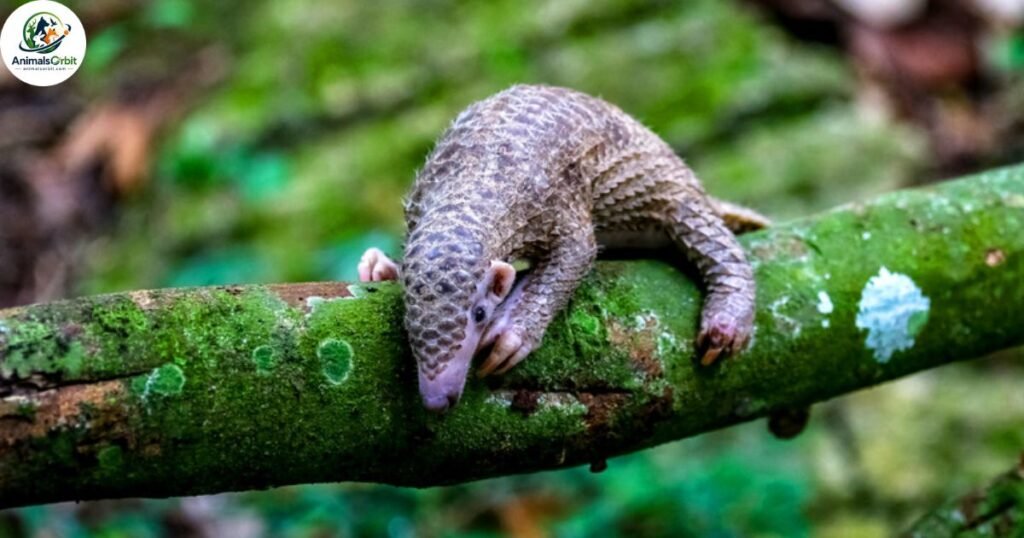
A pangolin’s body is covered in protective scales made of keratin, the same material found in human hair and nails. When threatened, it curls into a tight ball, shielding its more vulnerable parts. These remarkable defenses cannot protect pangolins from every danger, however, making their survival increasingly dependent on conservation.
Maned Wolf
Scientific name: Chrysocyon brachyurus
Class: Mammalia
Diet: Omnivore
The maned wolf is a shy, elusive canid of South America’s grasslands and scrublands. Its long legs help it move through tall vegetation, while its reddish fur gives it a striking appearance. Despite its name, it is not a wolf; it is a distinctive species adapted to open habitats where it can travel alone across a broad territory.
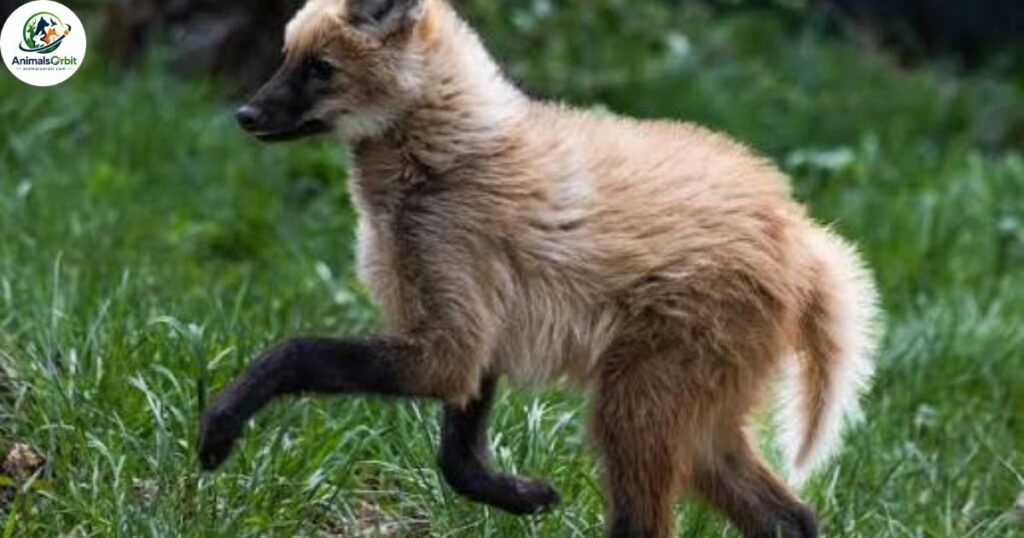
Maned wolves are generally solitary and use scent marks to signal their presence to others. They also communicate with distinctive, high-pitched howls that can carry across their habitat. These signals let them remain independent while still sharing information with other maned wolves nearby.
Binturong
Scientific name: Arctictis binturong
Class: Mammalia
Diet: Omnivore
In Southeast Asian rainforests, binturongs spend much of their time in trees, where their excellent climbing abilities help them navigate the branches. They have thick fur and a prehensile tail that can grasp limbs for support. Shy and elusive, they are not often seen despite their presence in the forest canopy.
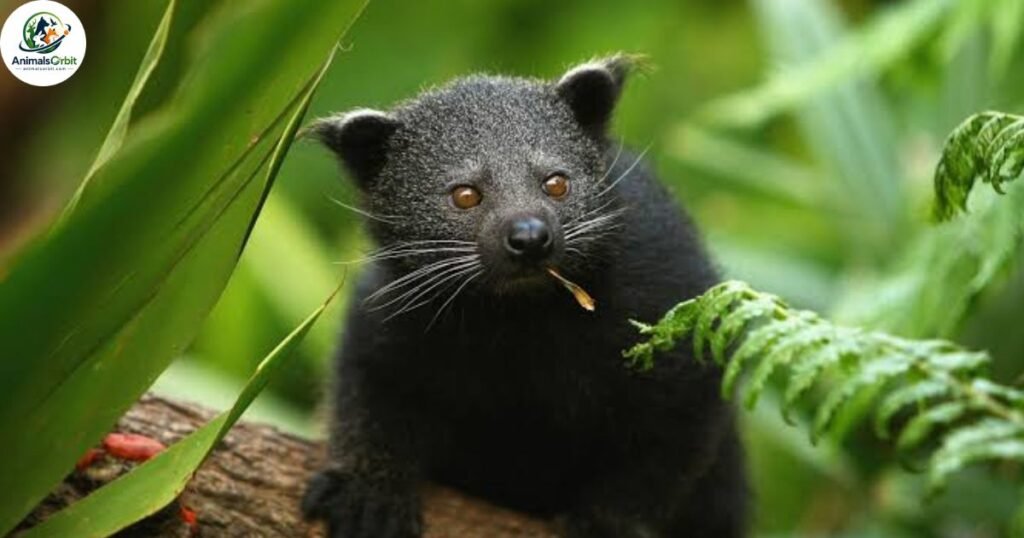
Binturongs are mostly solitary, but they have ways to communicate. Their famously popcorn-like scent can help convey messages and mark territory, while scent trails carry signals through their habitat. Vocalizations provide another means of communication, adding sound to the clues these secretive animals leave behind.
Aardvarks
Scientific name: Orycteropus afer
Class: Mammalia
Diet: Insectivore
On the African savanna, aardvarks lead mostly solitary lives and emerge from their burrows at night. These shy, elusive animals keep away from the day’s heat and activity, relying on their long ears to pick up sounds and their strong sense of smell to locate underground ant and termite nests.
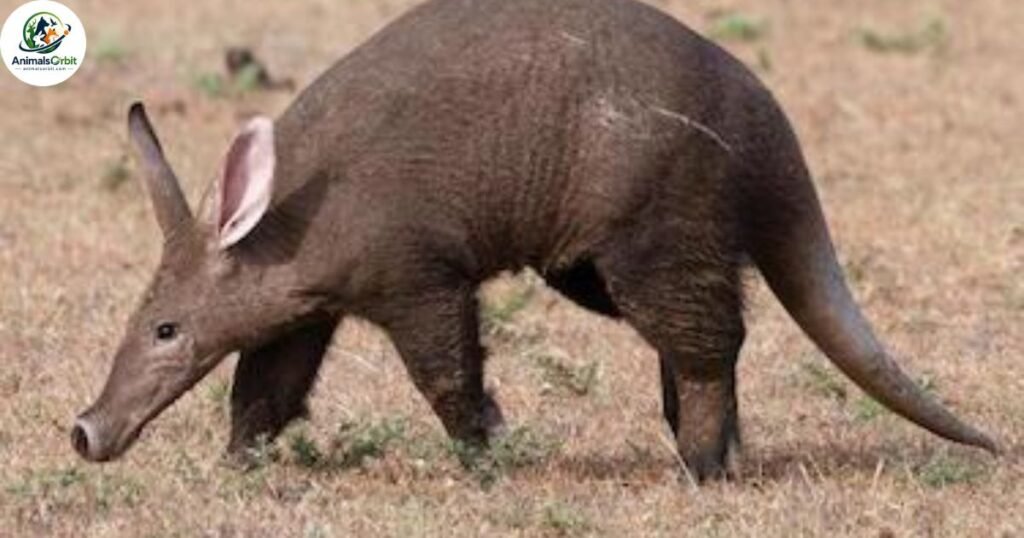
Once they find a nest, aardvarks use strong claws to open it and a long, sticky tongue to collect the insects. Low grunts and snorts serve as forms of communication, though aardvarks are usually alone as they forage. Their nighttime routine connects their distinctive senses and digging skills to the search for food beneath the soil.
Giant Panda
Scientific name: Ailuropoda melanoleuca
Class: Mammalia
Diet: Herbivore
Giant pandas are shy, mostly solitary animals that are shy but friendly live in the temperate bamboo forests of central China. Rather than traveling in groups, they generally move through their own home ranges, where thick vegetation offers cover and bamboo provides their main food. Their movements are closely tied to finding enough of this plentiful but low-energy food.

A panda’s keen senses help it stay alert in the forest. It can use its sense of smell to detect other pandas and potential threats, and it listens and watches for signs of danger. When something seems amiss, a panda may retreat into cover. This cautious way of life, along with its reliance on bamboo, shapes how it uses its forest home.
Axolotl
Scientific name: Ambystoma mexicanum
Class: Amphibia
Diet: Carnivore
The axolotl is a shy, fully aquatic amphibian with feathery gills that fan out from either side of its head and wide eyes suited to its unusual appearance. It can remain in its larval form throughout life, keeping these external gills instead of undergoing the typical transformation into a land-dwelling adult. Because it lives in water, access to a healthy aquatic habitat is central to its way of life.

Axolotls tend to retreat when disturbed, using underwater cover to stay out of sight. They are also remarkable for their ability to regenerate body parts. Despite these adaptations, they are vulnerable to pollution, urbanization, and habitat loss. Protecting the waters they depend on is therefore an important part of addressing the threats axolotls face.
Fossa
Scientific name: Cryptoprocta ferox
Class: Mammalia
Diet: Carnivore
The fossa is Madagascar’s largest native carnivorous mammal, with a long, sleek body, short legs, and a tail that helps it balance. Its catlike appearance can be misleading: fossas belong to a distinct group of mammals. Retractable claws and flexible ankles help them grip branches and move swiftly through the forest canopy as well as along the ground.
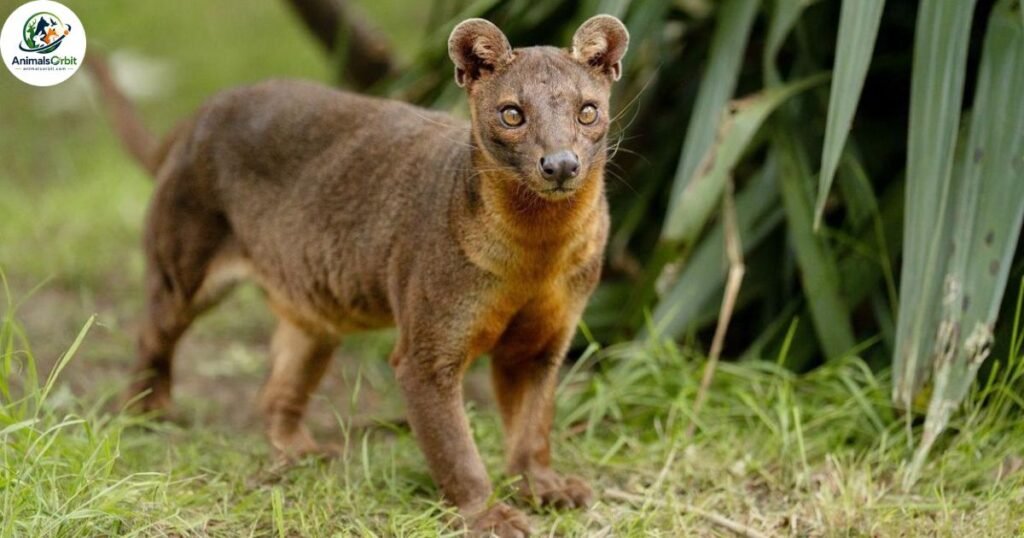
Usually solitary and often active after dark, fossas hunt with impressive agility. They can pursue prey through the trees, including lemurs, and are skilled climbers capable of navigating branches headfirst. Their forest habitat, quiet movements, and tendency to avoid people make them difficult to spot in the wild even where they live.
Kangaroo
Scientific name: Macropus
Class: Mammalia
Diet: Herbivore
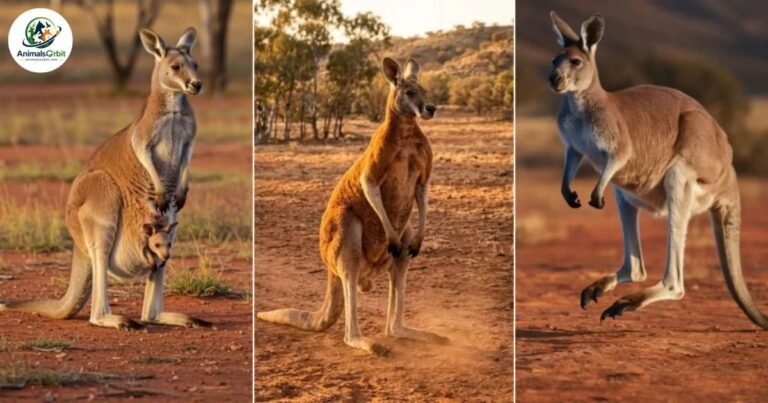
Kangaroos are often cautious, sometimes shy animals, even though their powerful hind legs and distinctive hopping make them seem bold. Across Australia, they live in habitats ranging from open grasslands to woodland, where staying alert helps them respond to changes around them.
When a kangaroo senses a potential threat, it may freeze and observe before deciding what to do. In a mob, quieter individuals often watch the others and respond to group signals, while the group’s reactions can help shape how they respond to a disturbance. This careful attention is one part of how kangaroos navigate life together.
Read May Also: Top 15 Animals Like Groundhogs With Pictures and Facts
Giant Anteater
Scientific name: Myrmecophaga tridactyla
Class: Mammalia
Diet: Insectivore
With an elongated snout, shaggy coat, and striking dark shoulder marking, the giant anteater is well suited to a solitary life across Central and South America. It inhabits varied landscapes, including open grasslands and wooded areas, where its strong sense of smell helps it find ants and termites hidden in nests.
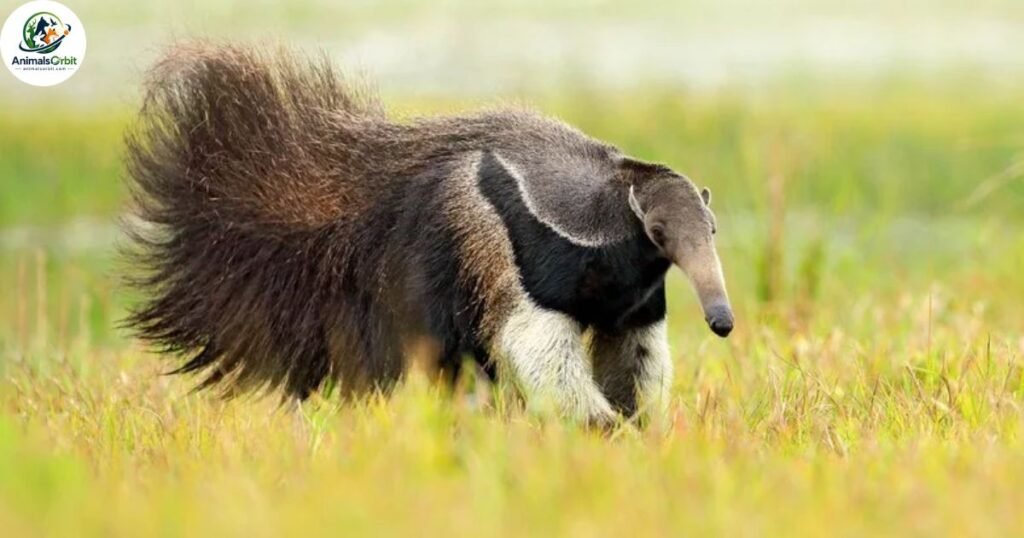
Giant anteaters usually travel and feed alone, and encounters with other adults are limited. Their powerful claws are useful for opening nests, but they also provide a defense if the animal feels threatened. This combination of keen scent, specialized feeding features, and protective strength allows the giant anteater to forage on its own.
Read May Also: Explore Top 25 Most Energetic Animals (With Pictures)
Okapi
Scientific name: Okapia johnstoni
Class: Mammalia
Diet: Herbivore
Okapis are shy, elusive mammals found in the dense forests of the Democratic Republic of Congo. Their reddish-brown coats blend with the forest’s dim light, while bold, zebra-like stripes on their legs help break up their outline among patches of sunlight and shadow. Though their markings resemble a zebra’s, okapis are more closely related to giraffes.
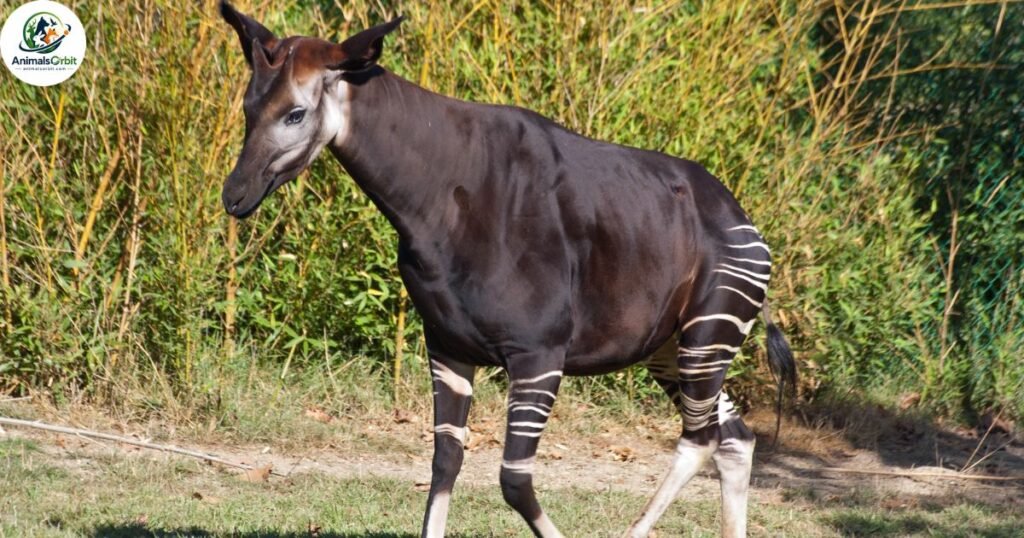
Usually solitary, an okapi moves cautiously through thick vegetation and relies on keen hearing to notice potential danger. When disturbed, it may quickly retreat into cover. Okapis also communicate quietly, using soft calls that can be difficult to hear in the forest. Their specialized adaptations make them fascinating forest animals and protecting their habitat is important to the survival of this rare species.
Read May Also: Top 19 Animals with no legs (Pictures Included)
Fennec Fox
Scientific name: Vulpes zerda
Class: Mammalia
Diet: Omnivore
Fennec foxes live in the Sahara, where their small size and nocturnal habits help them navigate a demanding desert environment. Their oversized ears are more than a striking feature: they pick up faint sounds that can help the foxes locate prey, and they help disperse heat in the extreme temperatures. By spending much of the day in burrows and becoming active after dark, fennec foxes limit their exposure to the hottest hours.
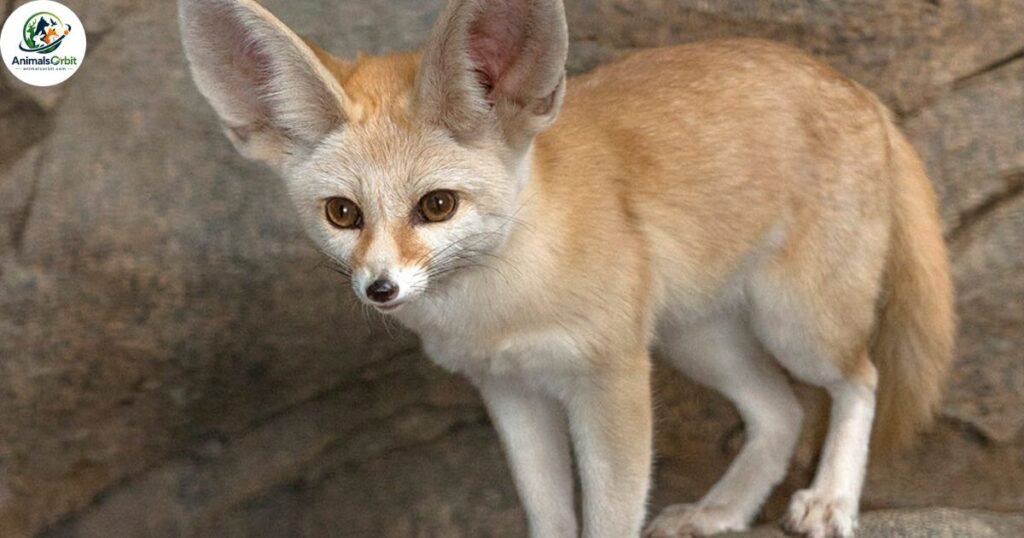
These foxes may be cautious and shy with outsiders, but they form social family groups. Members play together and maintain close social bonds, balancing lively interactions with an alert awareness of their surroundings. If they sense a predator, fennec foxes respond carefully and seek safety rather than taking unnecessary risks, a useful approach for life in the open desert.
Read May Also: Explore Top 16 Stubborn Animals (With Images)
Conclusion
From snow leopards to pangolins, most shy animals rely on caution, camouflage, and distance to survive. Their elusive nature doesn’t make them less important: each helps sustain the ecosystems it calls home. But habitat loss and human activity are shrinking the safe spaces many species need. Support wildlife conservation by choosing responsible, wildlife-friendly practices and backing efforts to protect natural habitats.
FAQs
What is the Most Shy Animal in the World?
No single species is definitively identified as the shyest. Snow leopards are considered among the shyest animals. Their remote mountainous habitats and elusive behavior are part of why. Thick fur and natural camouflage are also noted.
What Animals are Shy and Quiet ?
Snow leopards, pangolins, clouded leopards, okapis, kiwis, and fennec foxes are examples of animals described as shy and quiet. They can avoid threats through behaviors and adaptations such as stealth, camouflage, keen senses, hiding places, and defensive features. The brief does not specify which of these traits applies to each animal, so it would be misleading to assign them individually without more information.
What Animals are Shy and Friendly?
Rabbits and capybaras are examples. Rabbits tend to prefer calm environments and can build trust through gentle interactions, showing affection once comfortable. Capybaras are naturally social, find companionship within groups, and may become comfortable around familiar people. Temperaments vary, and wild animals should be observed from a safe distance.
What is the Most Shy Animal in the World?
There is no single official answer, but the okapi, pangolin, and aye-aye are often named among the shyest. They are secretive, mostly avoid humans, and are rarely seen in the wild.
What Animals are Shy?
Many animals are shy, including deer, okapis, pangolins, red pandas, aye-ayes, chinchillas, rabbits, and octopuses. They tend to avoid humans and hide when they sense danger.