Top 15 Weakest Animals In The World (With Images)
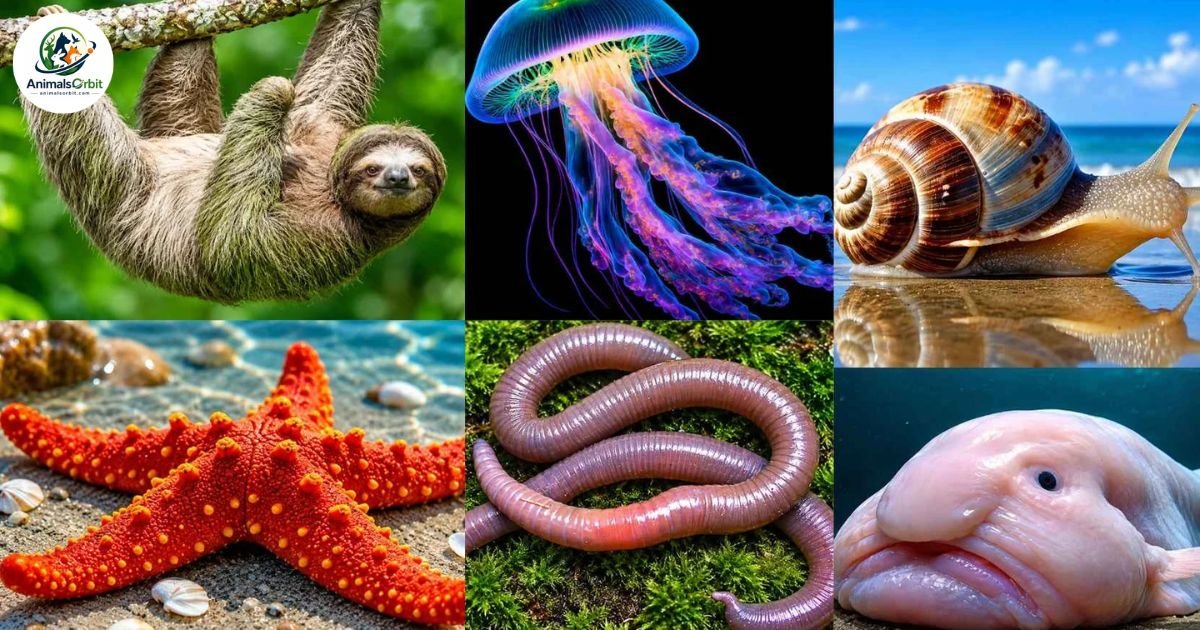
In the wild, being physically weak can make finding food, escaping predators, and protecting young especially difficult. This guide to 15 weakest animals in the world explores the limits that put them at risk, the adaptations that help them survive, and the roles they play in their ecosystems with images to help bring each creature into view.
List of Weakest Animals In The World
Below is the list of animals that are weak:
| Number of Animals | Names of Weak Animals in the World |
| 1 | Earthworm |
| 2 | Domesticated Chickens |
| 3 | Jellyfish |
| 4 | Sloths |
| 5 | Snails |
| 6 | Opossums |
| 7 | Frog |
| 8 | Starfish |
| 9 | Rabbit |
| 10 | Tarsiers |
| 11 | Hedgehogs |
| 12 | Sea Cucumber |
| 13 | Star-nosed Moles |
| 14 | Koalas |
| 15 | Goats |
Earthworm
Scientific Name: Lumbricus terrestris
Class: Clitellata
Diet: Detritivore
An earthworm’s body is soft and boneless, making it physically vulnerable compared with animals protected by shells or rigid skeletons. Still, earthworms persist by moving through soil with muscular contractions, lengthening and shortening their bodies to burrow through the ground.
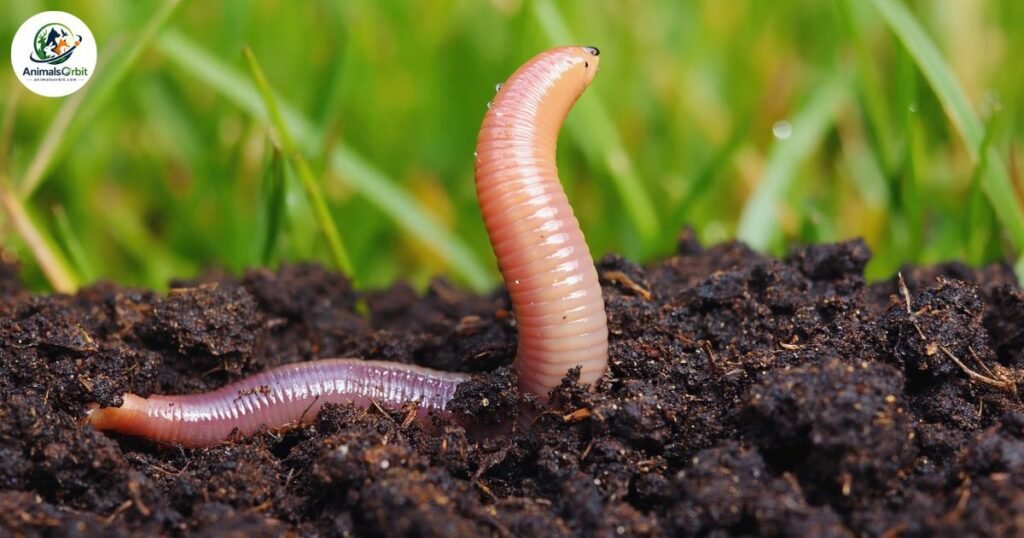
Earthworms feed on decaying organic matter, helping return nutrients to the soil. Their burrows also allow air to move through the ground, improving aeration. Together, these activities support healthy soil and the ecosystems that depend on it.
Domesticated Chickens
Scientific Name: Gallus gallus domesticus
Class: Aves
Diet: Omnivore
Domesticated chickens have limited ways to defend themselves from predators. They may flee, take a brief flight, or seek cover, but they lack the size and specialized defenses that help many wild animals resist an attack. Their survival also depends heavily on human care: people provide reliable food and water, shelter, and protection from threats that a chicken may not be equipped to handle alone.

Chickens still forage by pecking and scratching for food, a behavior that can draw them away from shelter and into exposed areas. They also live in social flocks, where rank and group dynamics shape daily life; a bird that is stressed or excluded may be more vulnerable. Their sensitivity to disruption adds another challenge: changes in surroundings or routine can unsettle them. Domestication has made chickens well suited to managed settings, but less able to meet every survival need independently.
Jellyfish
Scientific Name: Aurelia aurita
Class: Scyphozoa (or Hydrozoa/Cubozoa depending on species)
Diet: Carnivore
Jellyfish have a delicate, simple body plan: a soft, often bell-shaped body, tentacles, and a basic network of nerves rather than a complex brain. They can pulse their bells to move, but ocean currents do much of the work of carrying them through the water.
That simplicity does not mean they are defenseless. Tentacles equipped with stinging cells help them capture prey and deter threats, while their ability to respond to changes in light, touch, and water conditions helps them navigate their surroundings. Jellyfish can also repair some damaged tissues, supporting survival in an environment that constantly shifts.
Sloths
Scientific Name:
Two-toed: Choloepus didactylus
Three-toed: Bradypus variegatus
Class: Mammalia
Diet: Herbivore
Sloths are considered physically weak because their bodies are adapted for conserving energy, not moving quickly. Their low metabolic rate supports an unusually slow pace, while a diet made mostly of leaves provides relatively little energy. Digestion is slow, too, so a sloth may take a long time to process a meal and replenish its limited reserves.
Their long claws help them grip branches and hang securely in the trees, but they are not suited to quick movement. Sloths are therefore poorly equipped for a fast chase or rapid defense on the ground. What may look like weakness is largely a trade-off: their bodies favor a slow, energy-saving life in the canopy.
Snails
Scientific Name: Cornu aspersum
Class: Gastropoda
Diet: Herbivore/Detritivore
Snails move slowly, and their soft bodies offer little defense on their own. A hard shell provides protection, while a snail’s mucus helps its body stay moist and makes it easier to glide across surfaces. The trail may also reduce friction as the animal moves.
When conditions become too harsh or dry, some snails can enter estivation, a dormant state that helps them conserve moisture and energy.Shell, mucus, and estivation help snails get by without relying on speed or strength.
Opossums
Scientific Name: Didelphis virginiana
Class: Mammalia
Diet: Omnivore
Opossums are small, gentle animals that can seem vulnerable when they encounter a threat. Rather than fight, they may respond by playing dead, a distinctive defense that can make a weakest predator animal lose interest. This behavior is involuntary, not a performance they choose to put on.
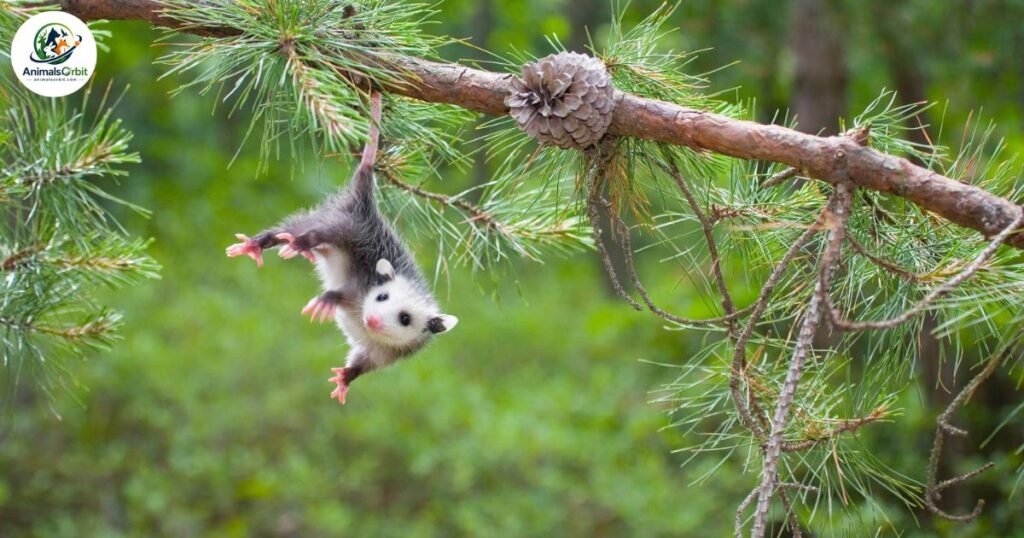
Their quiet presence also matters to the ecosystem. Opossums eat a varied diet, including insects and other small animals, and their feeding can help control tick populations. That combination makes them one of many animals that contribute to a balanced natural environment.
Frog
Class: Amphibia
Diet: Carnivore
Frogs are often considered physically weak because their delicate bodies and limbs are built for movement, not for overpowering threats. Many have little ability to fight off predators such as birds, snakes, and fish, so survival depends on avoiding danger. Their skin can also be vulnerable to injury and drying, making suitable habitat important.
Instead of relying on strength, frogs use quick, powerful jumps to escape when danger approaches. Their colors may help them blend into their surroundings or, in some species, warn predators that they are toxic. Calls also help frogs communicate, especially to attract mates or establish territory. These defenses show how frogs survive through agility and specialized behaviors rather than physical force.
Starfish
Scientific Name: Asterias rubens
Class: Asteroidea
Diet: Carnivore
Starfish may be slow and physically limited, but they have distinctive ways of navigating and feeding. Without a centralized brain, they rely on a network of nerves and are sensitive to changes in their marine environment. That sensitivity helps them respond to conditions around them as they move across the seafloor.
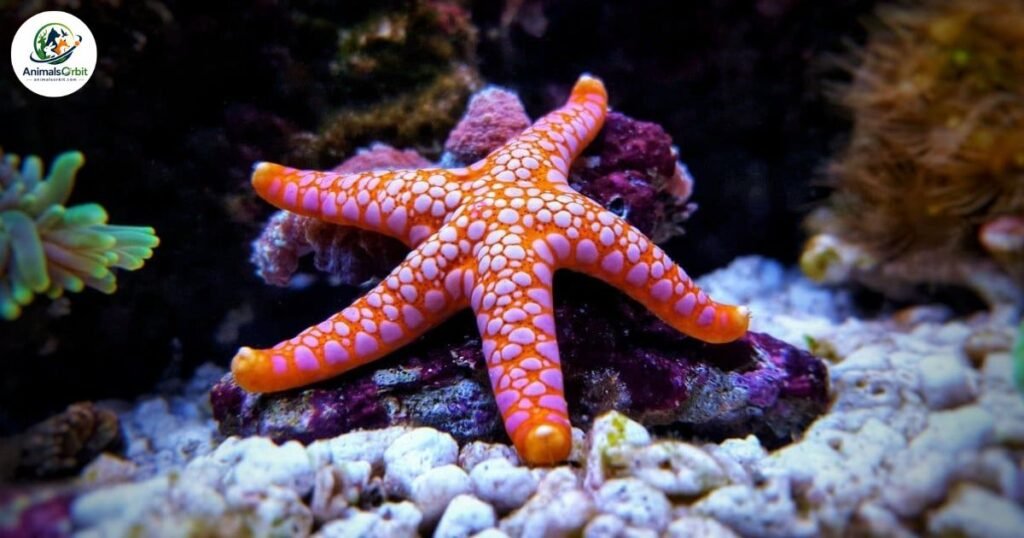
When a starfish catches prey, it can push part of its stomach out through its mouth and digest food externally. It can also regenerate a lost arm, allowing it to recover from some injuries. These adaptations make the starfish’s quiet, slow-moving life far more resourceful than it first appears.
Rabbit
Scientific Name: Oryctolagus cuniculus
Class: Mammalia
Diet: Herbivore
A rabbit’s survival strategy reflects its physical vulnerability. Although rabbits can bite and use their strong hind legs to kick, they are not built to overpower most predators. Their wide field of vision, aided by eyes positioned on the sides of the head, helps them scan their surroundings for danger as they forage.
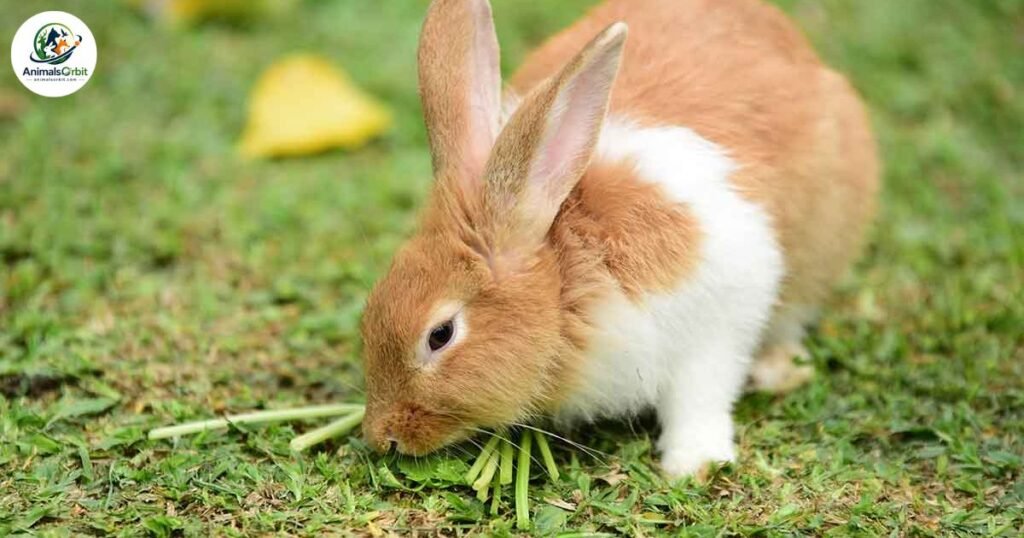
Rabbits also draw on social behavior and communication. Foot-thumping can warn nearby rabbits, while posture and scent convey information within the group. When danger appears, alertness and a quick escape are often more useful than a fight; living near other rabbits can help individuals notice and respond to threats. This combination of vigilance, adaptability, and group cooperation helps explain how a physically vulnerable animal can persist.
Tarsiers
Scientific Name: Tarsius tarsier
Class: Mammalia
Diet: Carnivore
Tarsiers are small, vulnerable primates with enormous eyes adapted to gather light in the dark. Their excellent night vision helps them spot prey after sunset, while their powerful hind legs let them leap between branches to pursue insects and move through the forest canopy. Their insect-hunting skills make stealth and precise movement essential parts of survival.
Tarsiers also use social communication to stay connected, including calls that help individuals signal to one another. But these adaptations cannot protect them from every danger: deforestation removes the forest habitat they depend on, and hunting puts additional pressure on their populations. Protecting their forest homes is vital to giving these specialized primates a chance to survive.
Read May Also: 25 Types of Butterflies: Beautiful Butterflies You Should Know
Hedgehogs
Scientific Name: Erinaceus europaeus
Class: Mammalia
Diet: Omnivore
Hedgehogs have several ways to manage the risks of being small, relatively slow-moving animals. Their most recognizable defense is to curl into a ball, shielding vulnerable parts of the body behind a coat of spines. The spines discourage predators, while the curled posture helps protect the hedgehog when escape is not a practical option.
Hedgehogs are also active at night, when they forage under cover of darkness. This routine can help them avoid encounters with predators, though searching for food still requires them to leave shelter and move about. Together, nocturnal habits and physical defenses help hedgehogs survive despite their limited escape abilities.
Read May Also: Explore Top 15 Animals With Long Legs (With Pictures)
Sea Cucumber
Scientific Name: Holothuria atra
Class: Holothuroidea
Diet: Detritivore
Sea cucumbers are soft-bodied marine animals, which can leave them vulnerable to predators. When threatened, some can expel internal organs as a defense, distracting or deterring an attacker. This unusual response helps them cope with danger despite their lack of a hard outer shell.
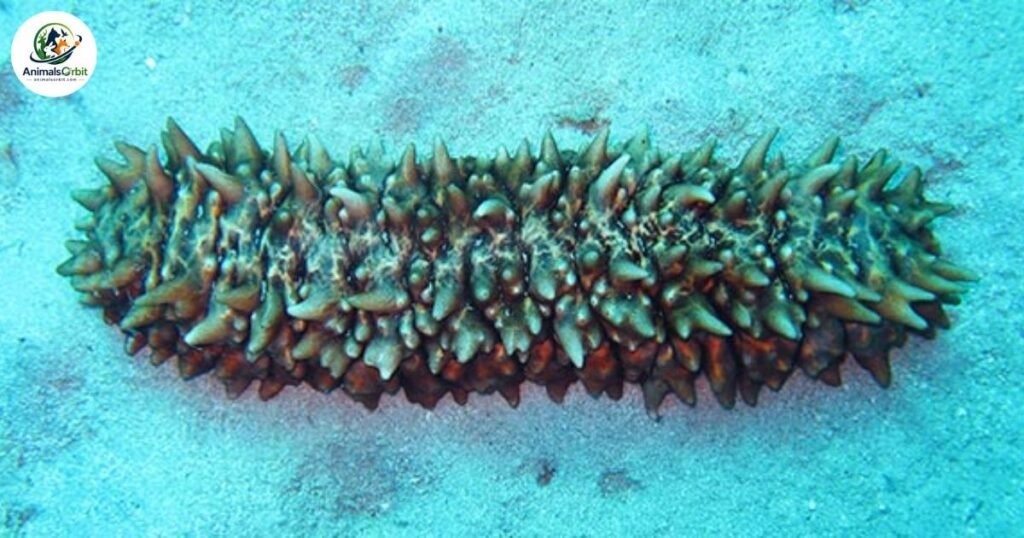
Their importance extends beyond defense. Sea cucumbers help recycle nutrients in ocean ecosystems, supporting the health of the environments they inhabit. Their role in this natural cycle makes these vulnerable animals valuable members of marine communities.
Read May Also: Top 13 Animals With No Tails: Tailless Species, Facts, Habitats & Behavior
Star-nosed Moles
Scientific Name: Condylura cristata
Class: Mammalia
Diet: Carnivore
Star-nosed moles are small, vulnerable mammals adapted to life underground, where vision offers little help. Their most distinctive feature is a ring of 22 fleshy appendages around the nose. Packed with sensitive touch receptors, this star-shaped organ helps them explore their surroundings and locate prey in darkness.
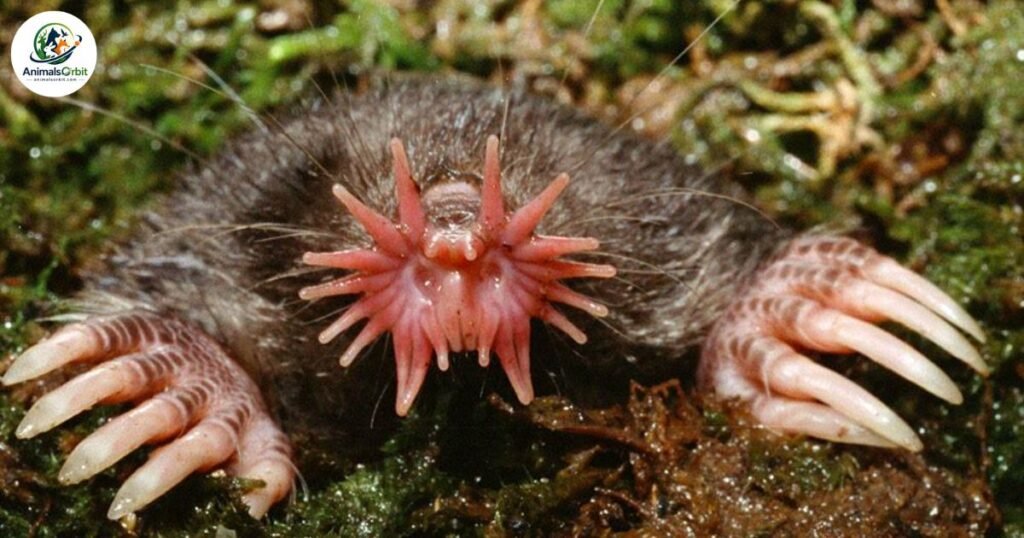
When foraging, a mole rapidly sweeps its nose over the soil and nearby surfaces, assessing potential food by touch. This quick, tactile search helps it find earthworms and other invertebrates hidden in the ground. The star is more than an unusual feature: it is a specialized tool for navigating and feeding in a dim, crowded underground world.
Read May Also: Top 13 Small Monkey Breeds In The World (With Images)
Koalas
Scientific Name: Phascolarctos cinereus
Class: Mammalia
Diet: Herbivore
Koalas’ dependence on eucalyptus leaves makes them especially sensitive to changes in their surroundings. Their diet is limited to particular leaves, which provide relatively little energy, so koalas conserve strength through a slow-paced lifestyle. That specialization can make it harder for them to adapt when food sources or habitat conditions change.
Habitat destruction can reduce access to the trees koalas rely on, while disease and climate change add further pressures. Conservation efforts that protect and restore habitat are therefore important to the species’ future.These connected risks help explain why koalas are considered vulnerable.
Read May Also: Top 18 Mischievous Animals In The World (With Images)
Goats
Scientific Name: Capra hircus
Class: Mammalia
Diet: Herbivore
A goat’s resilience comes from both its physical adaptations and its place in the herd. Goats can survive in rocky, dry environments, using their agility to travel over uneven terrain and their specialized digestive systems to process a varied plant-based diet. These abilities help them make use of available vegetation, though goats are still physically vulnerable and need protection from hazards.
Herd life adds another layer of support. Goats form social bonds and tend to stay close to one another, which helps them respond to danger and maintain group cohesion. Their adaptability and social behavior work together: individual animals find food and navigate challenging ground, while the herd helps support their protection and survival.
Read May Also: Top 10 Animals Like Mongoose (Pictures Included)
Conclusion
The animals often considered weakest reveal that survival depends on more than strength. Camouflage, specialized traits, and cooperation help them fill important roles in their habitats. Protecting the ecosystems they rely on is a practical way to support biodiversity; learn about local conservation efforts and consider getting involved.
FAQs
What Animals are Weak?
Examples include mice, shrews, frogs, goldfish, rabbits, swans, pigeons, and hedgehogs.
What is the Weakest Animal in the World?
There’s no single answer in the brief. Sloths are considered among the weakest animals because they move slowly and have limited energy.
What is the Weakest Animal in the Jungle?
There is no single official “weakest” animal, since strength depends on what you measure. Small, slow, defenseless animals like sloths, tree frogs, and mouse deer are often considered the most vulnerable because they have few natural defenses against predators.
What is the Weakest Animal in the Ocean?
There is no official “weakest” ocean animal, because strength depends on how you measure it. Soft-bodied and tiny animals such as jellyfish, plankton, sea slugs, and small fish are often considered the most vulnerable since they have little protection from predators and strong currents.