
Top 15 Animals like Weasels With Pictures & Hidden Facts
Weasels are small, slender mammals known for their long bodies, short legs, sharp teeth, and impressive hunting skills. Several other animals share similar body shapes, behaviors, and characteristics, making them fascinating weasel look-alikes.
We explore the Top 15 Animals like Weasels, introducing you to a whole world of critters that exude animals similar to weasels charm and cunning. From their habitats to their behaviors, you’ll discover what makes these creatures special. Join us on this journey and get ready to be amazed by the wonders of the animal kingdom!
List of Top 15 Animals like Weasels
Weasels are agile predators with long, slender bodies and short legs, but they are not the only animals with these fascinating features. Several mammals share similar body shapes, hunting behaviors, and habitats.
Below is a list of 15 animals like weasels, including mustelids and other slender predators, along with interesting facts about each species.
- Stoats
- Sables
- American Badger
- Tayra
- Minks
- Otters
- Fishers
- Zorilla
- European Polecats
- Grisons
- Wolverines
- Ferrets
- Skunks
- Martens
- Badgers
Stoats
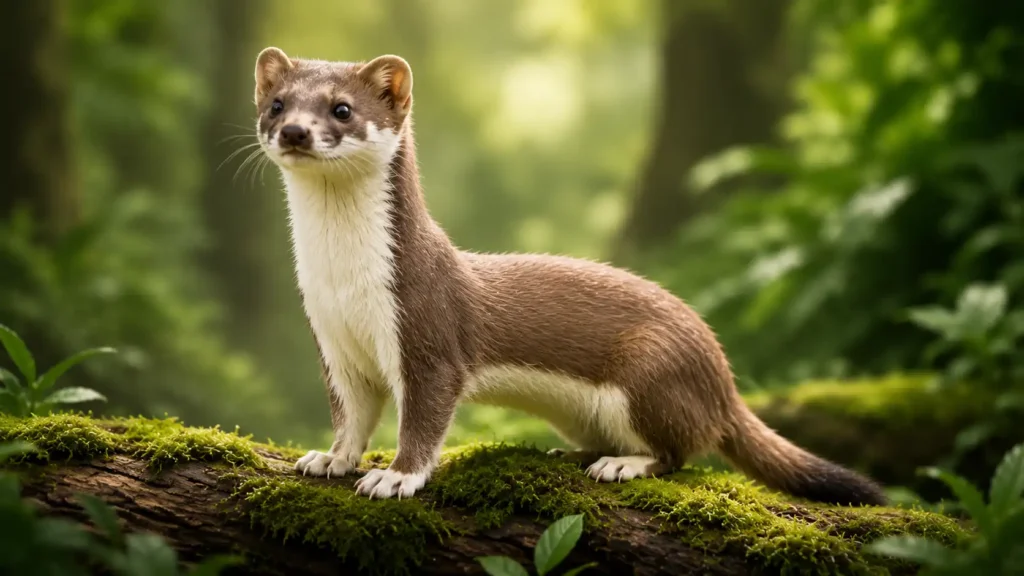
- Scientific Name: Mustela erminea
- Class: Mammalia
- Diet: Carnivore
Weasels and stoats, with their sleek bodies and distinctive markings, are fascinating members of the Mustelidae family. Found in a variety of habitats, from woodlands to grasslands, they exhibit remarkable agility and hunting prowess. These small mammals are known for their playful yet solitary behavior, often seen darting through underbrush in pursuit of prey.
Adapting to their environments, both weasels and stoats possess unique survival strategies. Their slender bodies allow for maneuverability through small spaces while their sharp claws and powerful legs make them exceptional climbers.
Fun Facts:
- Weasels can double their size in winter, thanks to their thick fur.
- Stoats are known for their dramatic seasonal color change, shifting from brown to white for camouflage in snowy conditions.
- These agile hunters are capable of chasing prey into their burrows, using their slender bodies to follow.
- Weasels are often seen as symbols of cunning in various cultures due to their sly behavior.
- Stoats have a playful side, often engaging in playful “jumping” games, especially during mating season.
- Despite their small size, weasels have powerful jaws, allowing them to take down prey much larger than themselves.
Sables
- Scientific Name: Martes zibellina
- Class: Mammalia
- Diet: Omnivore
Sables are fascinating creatures that belong to the Mustelidae family, akin to weasels. With their sleek, dark fur and bushy tails, these small mammals are known for their elegance and agility. They primarily inhabit the forests of Siberia and northern Asia, where they blend seamlessly into their wooded surroundings.
Sables are types of animals like weasels, using their keen senses to navigate their environment and hunt for food. Their playful nature often comes to light when they engage in chasing each other or exploring their territory, showcasing both their physical prowess and inquisitive personality.
Adaptations play a pivotal role in their survival. Sables possess remarkable climbing abilities, allowing them to navigate tree branches effortlessly while escaping predators or searching for food. Their diet mainly consists of small mammals, birds, and even fruits, showcasing their flexibility as omnivores.
Unique adaptations, like their flexible wrists, enhance their climbing and grasping capabilities, making them superb hunters. In harsh winters, their thick fur provides insulation, a crucial survival strategy against frigid temperatures.
Fun Facts
- Sables can leap up to six feet in one bound!
- Their fur has long been prized for its softness and warmth.
- These animals can be incredibly territorial and mark their area with scent.
- Sables communicate using a variety of vocalizations, including chattering and growling.
- They are agile hunters, often using stealth and speed to catch prey.
- Despite their solitary nature, mother sables are known to be nurturing and protective of their young.
American Badger
- Scientific Name: Taxidea taxus
- Class: Mammalia
- Diet: Carnivore
The American badger, a sturdy little creature, has a stocky build with a distinctive flat head and short legs. Generally found in open plains, grasslands, and scrublands, they dig extensive burrows to create their homes.
These fascinating animals are known for their solitary nature, adept digging skills, and ability to thrive in diverse climates, making them resilient hunters in their ecosystems. American badgers have unique adaptations that enhance their survival.
Their strong front limbs are equipped with long, sharp claws, ideal for burrowing and hunting small prey. They rely on their keen sense of smell to track down rodents and other small animals, often using their impressive digging abilities to uncover hidden treasures beneath the earth.
Fun Facts
- American badgers can dig through hard soil at incredible speeds, sometimes creating elaborate tunnels.
- They are primarily nocturnal, foraging for food during the night and resting in their burrows during the day.
- Unlike many other mammals, badgers do not hibernate, allowing them to remain active throughout the year.
- If threatened, they can exhibit a fierce demeanor, standing their ground and displaying their powerful claws.
- They have a distinctive pattern of white stripes on their faces, making them easily recognizable in the wild.
- American badgers are often found sharing burrows with other species, same like foxes, demonstrating their adaptable nature.
Tayra
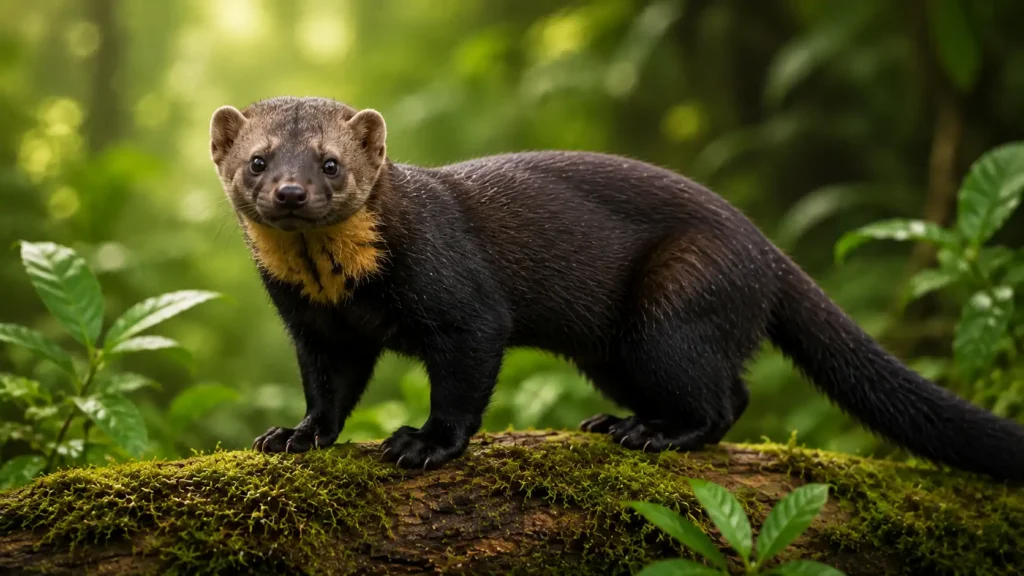
- Scientific Name: Eira barbara
- Class: Mammalia
- Diet: Omnivore
The Tayra, a fascinating member of the weasel family, showcases a slender body covered in sleek, dark fur that often has lighter underbellies. These agile creatures thrive in the tropical and subtropical forests of Central and South America, particularly favoring areas rich in trees.
They are known for their playful yet curious nature, often seen darting through the canopy or foraging on the forest floor. Tayras are social animals, often living in small family groups, which aids in their foraging strategies and enhances their survival in bustling ecosystems.
Adapted for an omnivorous diet, the Tayra enjoys a varied menu that includes fruits, insects, and small mammals. Their climbing abilities are remarkable, allowing them to traverse trees with ease.
With flexible wrists that help them navigate difficult branches, they are true masters of the treetops. These survival strategies ensure they can find food and avoid potential predators, including larger mammals and birds of prey.
Fun Facts
- Tayras are known for their vocalizations, which range from chirps to barks, enabling them to communicate effectively with each other.
- They have a surprisingly strong sense of smell, essential for locating food and detecting danger.
- Tayras are excellent climbers, using their sharp claws to scale trees with impressive agility.
- These mammals can be found at elevations of up to 3,000 meters, showcasing their adaptability to various environments.
- A minor but interesting fact: Tayras sometimes playfully chase each other, displaying behaviors reminiscent of domestic pets like weasels.
- With their sleek appearance and energetic demeanor, they have become a symbol of the vibrant wildlife that inhabits Central and South America’s lush forests.
Minks
- Scientific Name: Neogale vison
- Class: Mammalia
- Diet: Carnivore
Minks, often mistaken for their closely related cousins, the weasels, are sleek, agile creatures that thrive in both aquatic and terrestrial environments. Characterized by their glossy fur, which varies in shades from dark brown to a rich, creamy hue, they adapt well to marshy habitats and riverbanks.
These small animals like weasels also a carnivores are not just beautiful; they exhibit fascinating behaviors. Known for their playful antics, minks are both solitary and social, communicating with each other through a series of chirps and growls.
Minks possess exceptional adaptations that set them apart in the wild. Their semi-aquatic lifestyle allows them to hunt both on land and underwater, where they use well-developed, flexible wrists to grasp fish and other prey easily.
With a diet primarily focused on aquatic animals, their superb swimming abilities allow them to navigate through water with grace and agility. This adaptability not only enhances their hunting techniques but also helps them evade predators.
Fun Facts
- Minks can hold their breath underwater for up to 30 seconds.
- They have a keen sense of smell, which aids them in tracking prey.
- Minks are highly territorial, marking their domains with scent.
- These creatures are known for their playful nature, engaging in games with each other.
- A mink’s fur continues to grow thicker during winter, providing insulation against the cold.
- They are known to take on prey much larger than themselves, showcasing their boldness.
Otters
- Scientific Name: Lutrinae
- Class: Mammalia
- Diet: Carnivore
Otters, part of the Lutrinae family, are playful, sleek creatures often found near rivers, lakes, and coastal regions. With their thick fur and agile bodies, they are designed for life in the water. These social animals thrive in groups, displaying remarkable teamwork and communication as they hunt and navigate through their aquatic habitats.
Their specialized adaptations are fascinating. Otter like animals possess webbed feet, allowing them to swim efficiently, while their flexible bodies enable swift movements underwater. Feeding primarily on fish and crustaceans, they have developed skills that make them adept hunters.
The unique structure of their jaws gives them a strong grip, which is perfect for catching slippery prey. Survival often relies on their ability to work together, showcasing both intelligence and cooperation.
Fun Facts:
- Otters can hold their breath for up to five minutes while diving for food.
- They use tools, like rocks, to crack open shells, showcasing significant problem-solving skills.
- The playful nature of otters includes sliding down mud or snowbanks for fun.
- They have a special gland that allows them to produce a strong scent used for marking territory.
- Otters can weigh between 50 to 100 pounds, depending on their species.
- While weasels and otters share a carnivorous diet, their habitats and social behaviors are notably different, highlighting the diversity within the Carnivora order.
Fishers
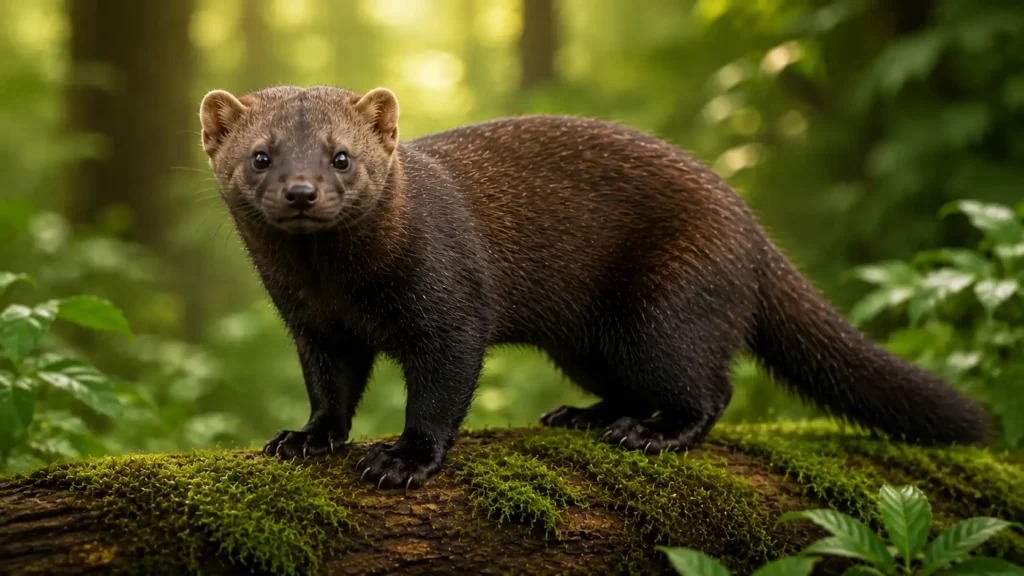
- Scientific Name: Pekania pennanti
- Class: Mammalia
- Diet: Carnivore
Fishers, often confused with the playful weasel, are fascinating creatures native to North America. These medium-sized members of the mustelid family possess a sleek, dark brown coat and a bushy tail that helps them maintain balance as they navigate treetops.
Found primarily in dense forests, they are solitary and elusive, making them a rare sight despite their wide distribution. Fishers are agile hunters, known for their impressive climbing skills and keen senses, which help them stalk small mammals and birds.
Adapted for a carnivorous diet, fishers have powerful limbs and sharp claws that enable them to climb and move quickly through trees. Unlike most mustelids, which are primarily ground-dwelling, their climbing abilities allow them to pursue prey in any vertical space, such as birds or squirrels.
Their flexible wrists are particularly crucial in this regard, as they can easily maneuver among branches. This versatility, combined with their exceptional agility, makes fishers formidable predators in the forest ecosystem.
Fun Facts
- Fishers are known for their fierce demeanor and exceptional strength, often taking on prey larger than themselves.
- They have a specialized diet that includes porcupines, thanks to their thick fur and strategic hunting techniques.
- These animals play a vital role in controlling rodent populations, helping maintain a healthy ecosystem.
- Fishers have a unique vocal repertoire, including high-pitched screams that can be heard during mating season.
- They are adaptable to different habitats, from coastal forests to mountainous regions, showcasing their resilience as a species.
- Despite their name, fisheries do not primarily hunt fish, highlighting the charm of their misleading moniker.
Zorilla
- Scientific Name: Ictonyx striatus
- Class: Mammalia
- Diet: Carnivore
The Zorilla, a captivating member of the Ictonyx genus, resembles a small, sleek weasel with its striped fur and bushy tail. Native to the grasslands and open forests of Africa, this elusive creature often hunts at night, blending seamlessly into its surroundings.
Its distinctive black and white pattern serves as both camouflage and a warning to potential predators, while its agile body allows for swift, stealthy movements.
Adaptations are key to the Zorilla’s survival. With strong, flexible wrists that enhance climbing abilities, these animals can navigate through trees in search of food. Their carnivorous diet predominantly consists of insects, small mammals, and birds, showcasing their versatility as hunters.
- Zorillas can emit a foul-smelling spray similar to a skunk, deterring threats effectively.
- They have a keen sense of smell, which helps locate prey even in dense vegetation.
- The Zorilla’s fur is water-repellent, allowing it to thrive in various habitats.
- These creatures are solitary by nature but come together during mating season.
- Although they resemble weasels, Zorillas are more closely related to ferrets.
- Their lifestyle is largely nocturnal, making them fascinating nighttime explorers.
European Polecats
- Scientific Name: Mustela putorius
- Class: Mammalia
- Diet: Carnivore
The European polecat, a remarkable member of the mustelid family, is often compared to weasels due to its slender body and keen hunting instincts. These nocturnal creatures are typically found in woodlands, wetlands, and grasslands across Europe.
With their distinctive dark fur and mask-like face, European polecats are not only beautiful but also highly adept at navigating through dense underbrush to hunt for small mammals and birds.
European polecats showcase fascinating adaptations that enhance their survival in the wild. With a keen sense of smell, they can track down prey efficiently while their flexible bodies allow them to squeeze through tight spaces, making them elusive hunters.
Their diet mainly consists of small mammals, but they also supplement it with insects and even fruits during lean times. This omnivorous twist partially explains their adaptability to different habitats.
- European polecats are primarily active at night, making them skilled nocturnal hunters.
- They have a unique social structure; males and females often share their living space without any territorial disputes.
- Unlike weasels, European polecats can swim exceptionally well, aiding their hunt in wet environments.
- These creatures have a distinctive musky odor they release when threatened, serving as a defense mechanism.
- Polecats can consume a wide variety of food, showcasing their versatility as hunters and foragers.
- Their playful nature often leads them to engage in games and social interactions, making them as entertaining as they are elusive.
Grisons
- Scientific Name: Galictis vittata
- Class: Mammalia
- Diet: Carnivore
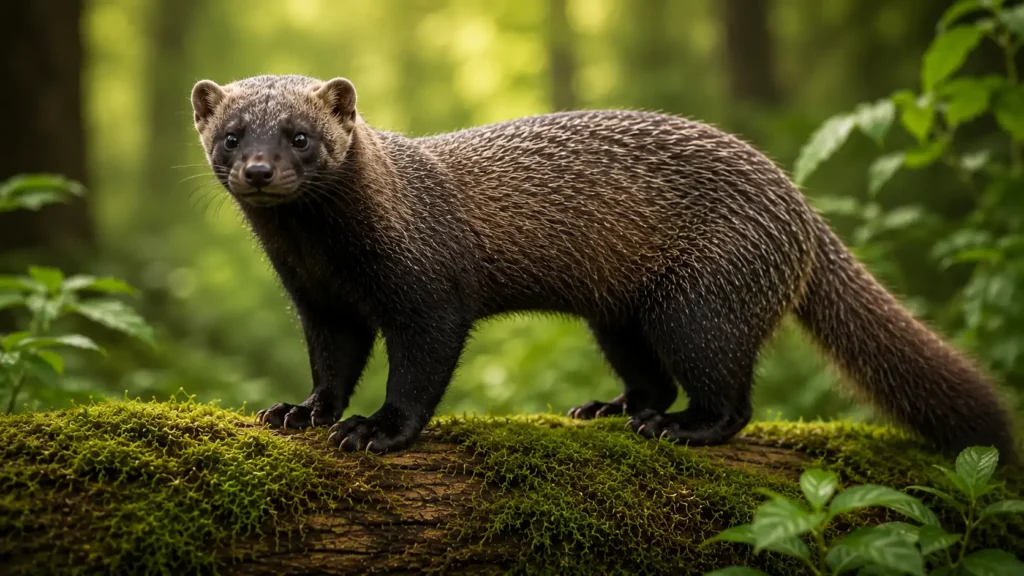
Grisons, often mistaken for weasels due to their sleek bodies and playful demeanor, are fascinating mammals that thrive in diverse habitats ranging from grasslands to forests across South America. With their distinctive dark fur and striking cream underbellies, these agile creatures are seldom spotted, making their enigmatic nature all the more intriguing.
Grisons are social animals known for their strong family bonds, often seen traveling in pairs or small groups, communicating with a series of chirps and growls.
These adaptable animals are equipped with a robust physique, perfect for hunting small mammals, birds, and even insects. Their keen eyesight and acute sense of smell aid them in spotting prey from a distance.
Grisons possess sharp claws for digging and climbing trees, which not only helps them escape predators but also provides access to their food sources. While primarily ground-dwellers, their climbing ability enhances their survival strategies in the wild.
Fun Facts
- Grisons are known for their unique, almost playful behavior when chasing each other, resembling a miniaturized game of tag.
- They have a varied diet, showcasing their adaptability; while they prefer meat, they have been observed eating fruits and plants.
- In certain locales, Grisons are known as “Grison de montaña,” emphasizing their versatile habitat in mountainous regions.
- These animals have a strong olfactory system, allowing them to detect prey hidden in dense vegetation.
- Grisons are key players in their ecosystem, helping control rodent populations and maintaining ecological balance.
- They can cover significant distances in search of food, showcasing their endurance as carnivorous hunters.
Wolverines
- Scientific Name: Gulo gulo
- Class: Mammalia
- Diet: Carnivore
Wolverines are stout, powerful animals often compared to their smaller relatives, the weasels. Clad in thick, dark fur tinged with golden stripes, these fierce creatures make their homes in cold, mountainous regions. Known for their tenacity, wolverines exhibit a remarkable blend of strength and agility as they roam the taiga and tundra.
They’re solitary and largely nocturnal, adept at navigating their harsh environments with cunning and determination. These remarkable animals have evolved unique adaptations for survival.
Their broad, large feet act like snowshoes, allowing them to traverse deep snow with ease. With flexible wrists and specialized claws, wolverines are skilled climbers and can easily scale steep terrains. Their diet primarily consists of carrion and small mammals, and their powerful jaws can consume frozen food, making them effective scavengers.
Fun Facts
- Wolverines can cover large territories, sometimes exceeding 200 square miles.
- They have a reputation for being voracious eaters, often consuming 20% of their body weight in a single meal.
- Despite their small size, wolverines have been known to take on prey much larger than themselves, including deer.
- They possess a keen sense of smell, enabling them to locate buried carcasses beneath snow.
- Wolverines have been spotted playing in the snow, showcasing their playful side despite their tough exterior.
- Their population is often scattered, making them a significant indicator of ecosystem health in their frigid habitats.
Ferrets
- Scientific Name: Mustela furo
- Class: Mammalia
- Diet: Carnivore
Ferrets, closely related to weasels, are small and agile mammals known for their sleek bodies and playful behavior. Found mostly in domestic settings, they have a curious nature that makes them entertaining companions.
Their soft fur, which can come in various colors, and bright eyes add to their charming appearances. In the wild, these carnivorous hunters are skilled at navigating burrows and hiding in tight spaces, showcasing their marvelous agility.
These adaptable animals have developed several unique traits that enhance their survival. Their flexible bodies allow them to squeeze into narrow openings, making them proficient hunters.
Ferrets predominantly feast on small mammals and birds, similar to their wild relatives. Their extraordinary climbing abilities and keen sense of smell help them locate food sources efficiently in their habitats.
Fun Facts:
- Ferrets sleep for 18 hours a day, making them experts in relaxation.
- They can be trained to perform tricks, much like dogs!
- Ferrets have a high metabolism; they need to eat several times a day.
- Their playful antics often include a “war dance,” which is a series of hops and twists.
- Unlike many animals, ferrets can see in the dark, helping them navigate during nighttime escapades.
- Ferrets have a natural grooming instinct, frequently keeping their fur clean and tidy.
Skunks
- Scientific Name: Mephitidae
- Class: Mammalia
- Diet: Omnivore
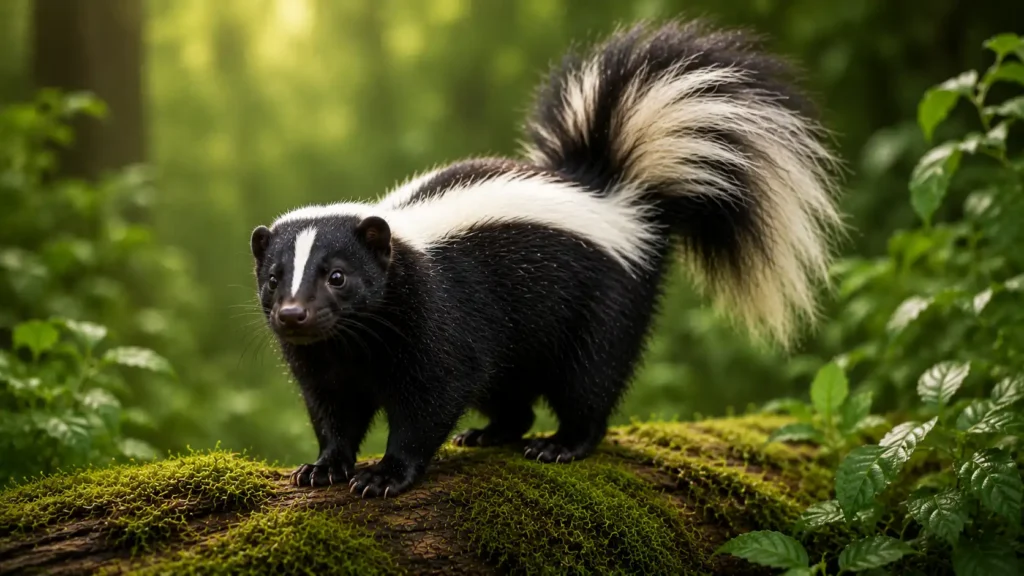
Skunks, with their striking black-and-white fur and distinctive odor, are fascinating creatures that inhabit various environments, from forests to suburban areas. Notorious for their defensive spray, these animals navigate their surroundings with a mix of agility and curiosity.
They are primarily nocturnal, making them elusive to many observers while they forage for insects, fruits, and small vertebrates. Adapted to life on the ground, skunks possess strong forelimbs for digging and an excellent sense of smell that aids them in locating food. Their diet is diverse, predominantly consisting of insects, but it also includes berries and small animals.
With their flexible bodies, they can maneuver easily through thick underbrush and climb trees when necessary. Their remarkable adaptability allows them to thrive in changing environments, showcasing their resilience.
- Skunks have a keen sense of smell, which they utilize to locate food and communicate with each other.
- The infamous spray can travel up to 15 feet, effectively deterring predators.
- Skunks have a unique mating ritual that includes elaborate dance moves and vocalizations.
- Despite their reputation, skunks are generally gentle and prefer to avoid confrontations.
- Their fur can come in a range of colors, from classic black and white to shades of brown or cream.
- They play a crucial role in their ecosystem by controlling insect populations.
Martens
- Scientific Name: Martes
- Class: Mammalia
- Diet: Omnivore
Martens, commonly grouped with animals like weasels, exhibit a sleek and slender appearance, boasting soft fur that varies in color from rich brown to vibrant yellow. These agile creatures primarily inhabit forests, where they navigate the treetops with remarkable grace.
Known for their playful nature, martens are often elusive, opting for twilight to engage in their hunting and foraging behaviors. These animals have evolved to thrive in their woodland environments.
Their climbing abilities are exceptional, thanks to strong limbs and flexible wrists, allowing them to leap between branches with precision. Their diet, which includes fruits, small mammals, and sometimes insects, highlights their adaptability and keen survival instincts during seasonal changes.
Fun Facts
- Martens can cover lengthy distances in search of food, often traveling up to three miles in a single night.
- Despite their size, they are agile hunters, capable of catching prey up to half their weight.
- Martens have a unique communication system, using scent marking and vocalizations to establish territory.
- Unlike many other forest dwellers, martens can tolerate colder climates, thanks to their thick fur.
- They are solitary creatures, coming together only during mating season, showcasing their independent nature.
- Their playful demeanor often leads to impressive acrobatics as they chase each other through the trees, providing a delightful spectacle for those lucky enough to witness it.
Badgers
- Scientific Name: Meles meles
- Class: Mammalia
- Diet: Omnivore
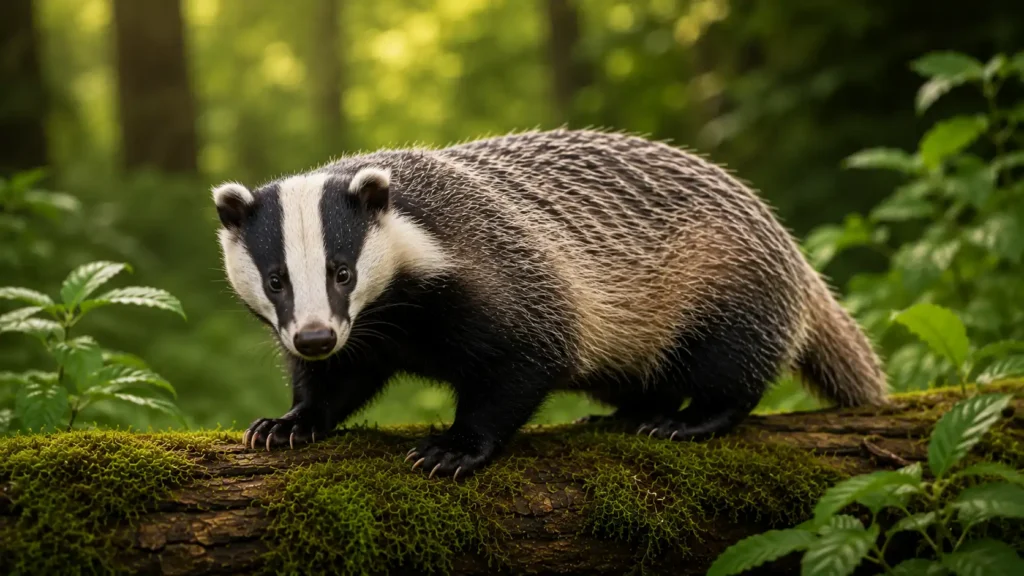
Badgers, often overlooked in the wild, embody a unique blend of resilience and charm. With their stout bodies, short legs, and distinctive black-and-white facial markings, these fascinating creatures thrive in a variety of habitats, from woodlands to grasslands.
Badgers are nocturnal and exhibit social behavior, often living in family groups called clans. Their burrowing skills create elaborate homes that are crucial for their survival, especially during harsh weather.
Adaptations play a vital role in the badger’s lifestyle. Their strong claws make digging effortless, allowing them to create vast underground networks. With a diet rich in insects, small mammals, and roots, badgers are opportunistic eaters, capable of thriving in diverse environments.
Fun Facts:
- Badgers have a remarkable sense of smell, which helps them track down food like truffles.
- They communicate using a variety of sounds, including growls and squeals.
- A badger’s legs are surprisingly powerful, enabling them to run at speeds up to 30 miles per hour.
- Badger fur is water-resistant, allowing them to stay dry in wet conditions.
- Badgers can live up to 14 years in the wild if they evade predators and disease.
- They often share their burrows with other species, including rabbits and foxes, showcasing their cooperative behavior in the ecosystem.
You May Also Like: Top 15 Animals Like Groundhogs With Pictures and Facts
Conclusion
The array of animals resembling weasels showcases the beauty and complexity of nature’s design. Each of the 15 species discussed offers its own set of characteristics that are both intriguing and vital to their environments.
Understanding these animals fosters a greater appreciation for biodiversity and emphasizes the critical need to preserve their natural habitats. Whether you’re an animal lover or simply curious about wildlife, these creatures remind us of the interconnectedness of life on Earth.
FAQs
What Is The Closest Relative To A Weasel?
The Stoat (Ermine) is one of the closest relatives to the weasel. Both belong to the Mustelidae Family and share similar long bodies, short legs, and hunting behaviors.
What Other Animals Are Weasels?
Animals closely related to weasels include Stoats, Ferrets, Minks, Polecats, and Martens. These animals are all members of the Mustelid Family.
What Is A Mini Weasel Called?
A Least Weasel is often described as a mini weasel because it is the Smallest Member Of The Weasel Family. It has a tiny body and is an excellent hunter.
What Is A Black Animal That Looks animals like a weasel?
A Black-Footed Ferret is a dark-colored animal that resembles a weasel. It has a slender body, short legs, and a distinctive dark mask and feet.
What Is A 4-Letter Word For A Weasel-Like Animal?
Mink is a four-letter word for a weasel-like animal. Minks are slender Mustelids that are closely related to weasels, ferrets, and otters.