Top 20 Cleanest Animals in The World (With Pictures)
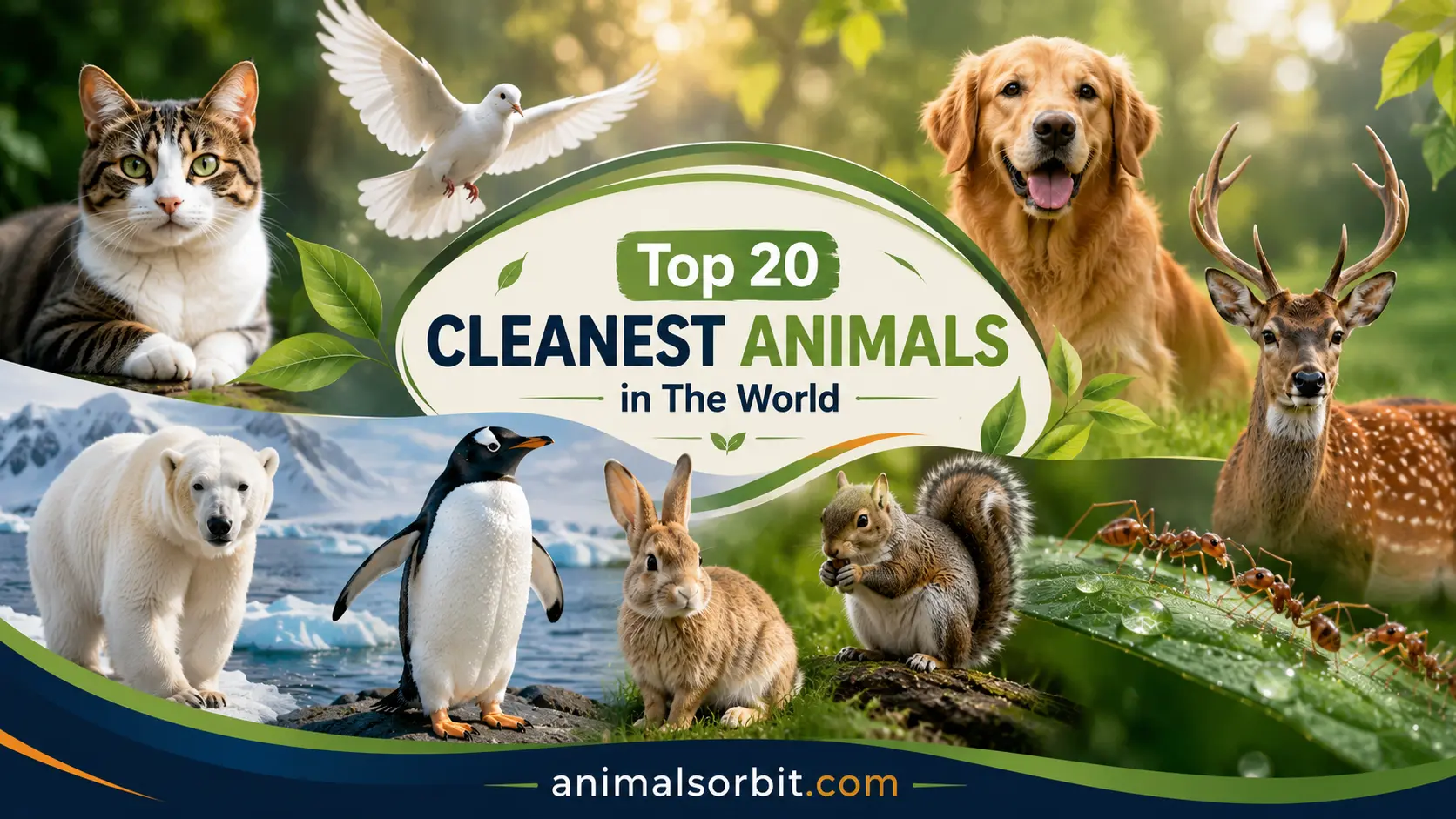
A world where animals are just as concerned about cleanliness as we are. In our exploration of the cleanest animals in the world, we’ve curated the top 20 Cleanest Animals in The World that stand out for their meticulous habits and pristine environments.
These creatures teach us that hygiene is not just a human concern, but a fundamental aspect of life in the wild. Get ready to discover which animals earned their place on this exclusive list and learn valuable lessons from their cleanliness!
List of Top 20 Most Cleanest Animals in The World
When considering the list of the cleanest animals in the world, it’s fascinating to explore how different species maintain their hygiene. For example, the cat tops many rankings not just for its fastidious grooming habits but also for its instinctual behaviors that keep it free from parasites and dirt.
This collective approach to cleanliness not only strengthens social bonds but also highlights the interconnectedness of health and community.
- Cats
- Polar Bears
- Deer
- Rabbits
- Raccoons
- Squirrels
- Sea Otters
- Beavers
- Hamsters
- Ants
- Badgers
- Songbirds
- Birds of Paradise
- Elephants
- Tigers
- Horses
- Penguins
- Chinchillas
- Meerkats
- Honey Bees
Cats – One of the Most Hygienic Animals on Earth
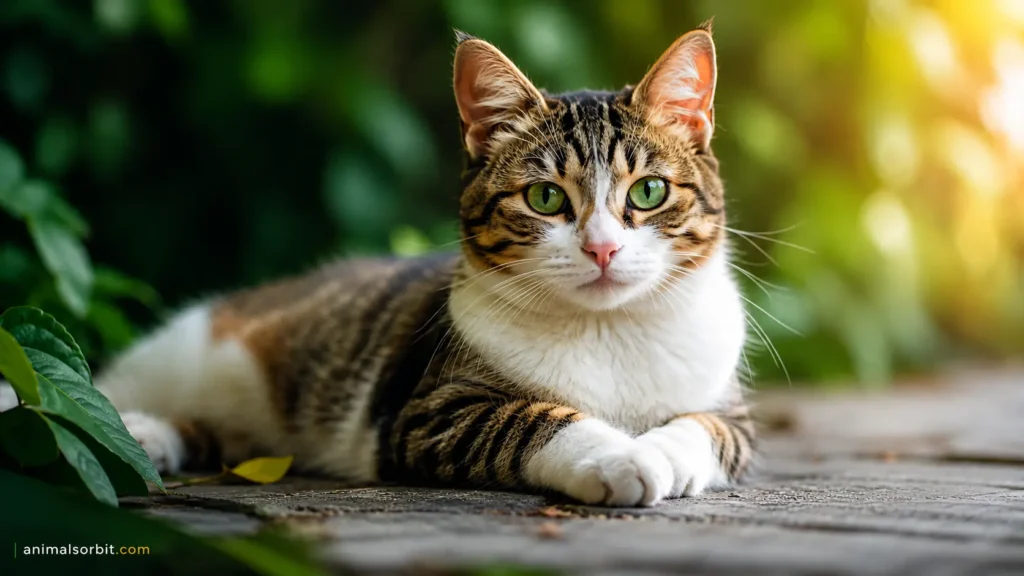
Scientific Name: Felis catus
Class: Mammalia
Diet: Carnivore
Cats are renowned for their meticulous grooming habits. Spending nearly 30% of their waking hours in self-cleaning, felines utilize their rough tongues to effectively remove dirt and loose fur while also distributing natural oils for a healthy coat.
This ritual not only keeps them clean but aids in temperature regulation and provides a soothing effect, reinforcing their overall well-being.
Why Cats Are So Clean
- Spending nearly 30% of their waking hours in self-cleaning.
- Utilize their rough tongues to effectively remove dirt and loose fur.
- Distribute natural oils for a healthy coat.
- Grooming aids in temperature regulation.
- Provides a soothing effect, reinforcing their overall well-being.
Scientific Reason
From a scientific perspective, their grooming behavior is deeply rooted in evolutionary advantages. It serves as a method of scent marking; as cats groom themselves, they not only maintain their hygiene but also reinforce their territory’s olfactory signature.
Interestingly, this behavior also helps in social bonding when they groom each other, a practice known as allogrooming, which promotes camaraderie within their social structures.
Fun Fact
Despite their reputation for cleanliness, cats have an interesting way of ensuring their territory’s hygiene as well. They instinctively bury their waste to avoid attracting predators and maintain cleanliness around their living area.
Cats are among the most hygienic animals on Earth due to their consistent grooming habits, evolutionary instincts, and natural cleanliness. Their remarkable self-care routines not only keep them healthy but also play an important role in their survival and social behavior.
Polar Bears – One of the Cleanest Animals in the Arctic
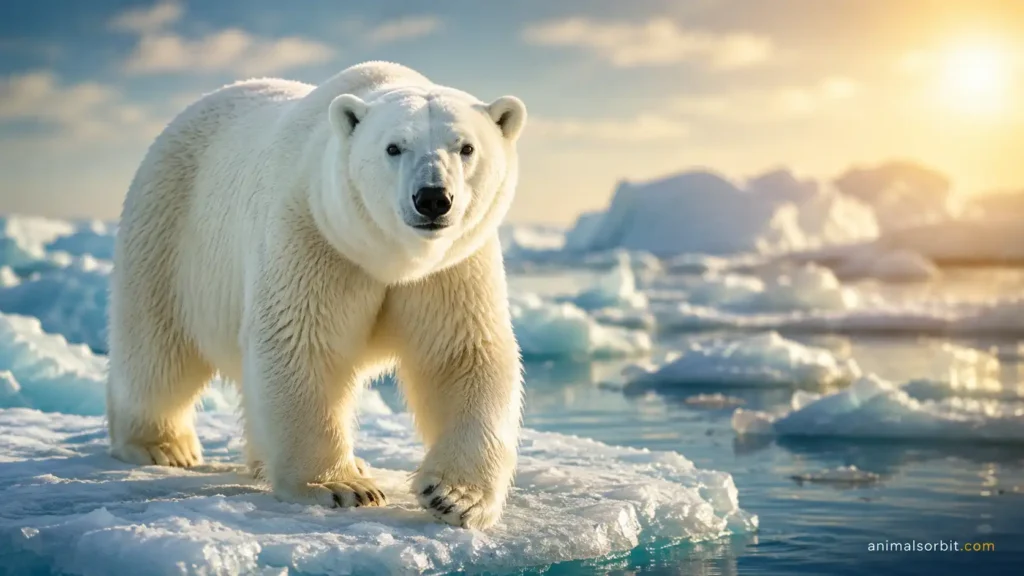
Scientific Name: Ursus maritimus
Class: Mammalia
Diet: Carnivore
Polar bears (Ursus maritimus) are not just majestic creatures of the Arctic; they are also remarkably clean animals. Despite their carnivorous diet, which primarily consists of seals, polar bears maintain a surprising level of hygiene.
They have been observed using their paws to clean their fur, removing snow and dirt, ensuring their insulation remains effective. This instinctual behavior is vital for their survival, as a clean coat allows them to regulate their body temperature more efficiently in frigid environments.
Why Polar Bears Are So Clean
- Polar bears maintain a surprising level of hygiene.
- They have been observed using their paws to clean their fur.
- They remove snow and dirt from their fur.
- Keeping their insulation effective is vital for their survival.
- A clean coat allows them to regulate their body temperature more efficiently in frigid environments.
Scientific Reason
The scientific reason behind their cleanliness is linked to their unique physiology. Polar bear fur is composed of hollow hairs that trap heat and repel water; keeping this fur free from contaminants enhances its insulating properties. This natural design not only aids in warmth but also in buoyancy when swimming in icy waters.
Fun Fact
Polar bears have a keen sense of smell, allowing them to detect prey from miles away an ability that underscores the importance of staying clean. As they traverse vast, snowy landscapes, their commitment to hygiene is a testament to their resilience and adaptability in one of the harshest environments on Earth.
Deer – One of the Cleanest Animals in the Wild
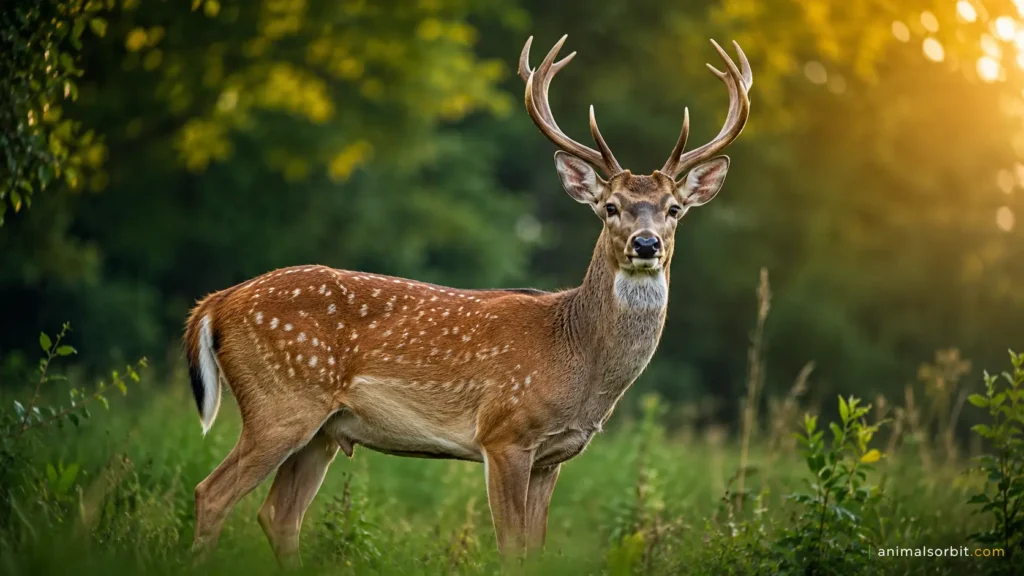
Scientific Name: Cervidae
Class: Mammalia
Diet: Herbivore
Deer, belonging to the Cervidae family, are often celebrated for their elegance and grace, but they also boast an intriguing cleanliness that sets them apart in the animal kingdom. These herbivorous mammals possess an innate instinct for grooming; they’ll often be seen meticulously licking their fur to remove dirt, parasites, and other debris.
This habitual self-cleaning not only promotes hygiene but also aids in thermoregulation, allowing deer to maintain their body temperature in varying climates.
Why Deer Are So Clean
- Deer possess an innate instinct for grooming.
- They’ll often be seen meticulously licking their fur to remove dirt, parasites, and other debris.
- This habitual self-cleaning promotes hygiene.
- Grooming aids in thermoregulation.
- It allows deer to maintain their body temperature in varying climates.
Scientific Reason
From a scientific perspective, the grooming behavior of deer is crucial for their survival. It helps prevent diseases caused by parasites and maintains the health of their fur, which is vital for insulation. Interestingly, social grooming has been observed among deer herds, fostering bonds and reducing stress levels within the group.
Fun Fact
Young fawns often hide in tall grass, relying on their mother’s clean coat for protection while they remain still, camouflaging themselves from predators. This fascinating blend of instinctual behavior and social dynamics showcases how the clean habits of deer extend far beyond mere appearance, intertwining with their survival strategies.
Rabbits – One of the Cleanest Animals in Nature
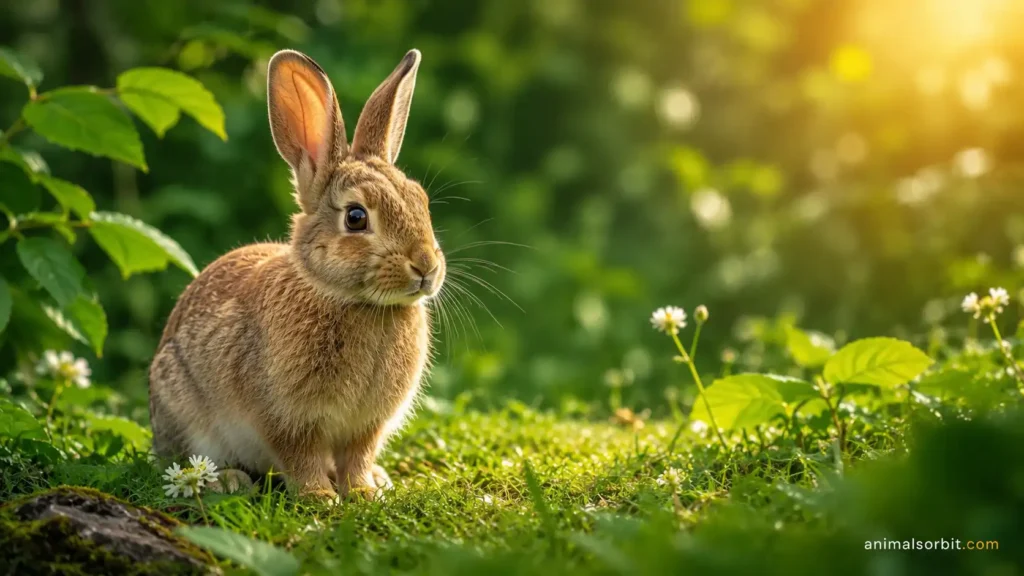
Scientific Name: Oryctolagus cuniculus
Class: Mammalia
Diet: Herbivore
Rabbits, or Oryctolagus cuniculus, are not just endearing creatures hopping about fields; they are surprisingly meticulous when it comes to hygiene. With their inherent grooming habits, these mammals spend a significant portion of their day cleaning themselves.
Some animals are known for their clean habits and also spend a significant amount of time resting. You can also explore our guide to animals that sleep the most.
Why Rabbits Are So Clean
- Rabbits are surprisingly meticulous when it comes to hygiene.
- These mammals spend a significant portion of their day cleaning themselves.
- Their unique ability to maintain a clean coat is essential for regulating body temperature.
- A well-groomed rabbit signals health and vitality to potential mates.
Scientific Reason
Scientifically, rabbits have evolved specific grooming behaviors, including the use of their front paws to spread saliva across their fur, which helps remove dirt and parasites. This natural grooming ritual can be likened to a built-in hygiene system.
Rabbits don’t just groom themselves; they also engage in mutual grooming. This social behavior strengthens bonds within groups, creating a close-knit community that thrives on cleanliness.
Fun Fact
Rabbits have a distinctive characteristic called “dewlap,” a fold of skin under their chin, which they can also groom! This feature not only aids in temperature regulation but adds to their overall charm.
With their commitment to cleanliness and social bonding, rabbits remind us that hygiene is not merely an individual task it’s a community endeavor that fosters relationships.
Raccoons – World Cleanest Animal
Scientific Name: Procyon lotor
Class: Mammalia
Diet: Omnivore
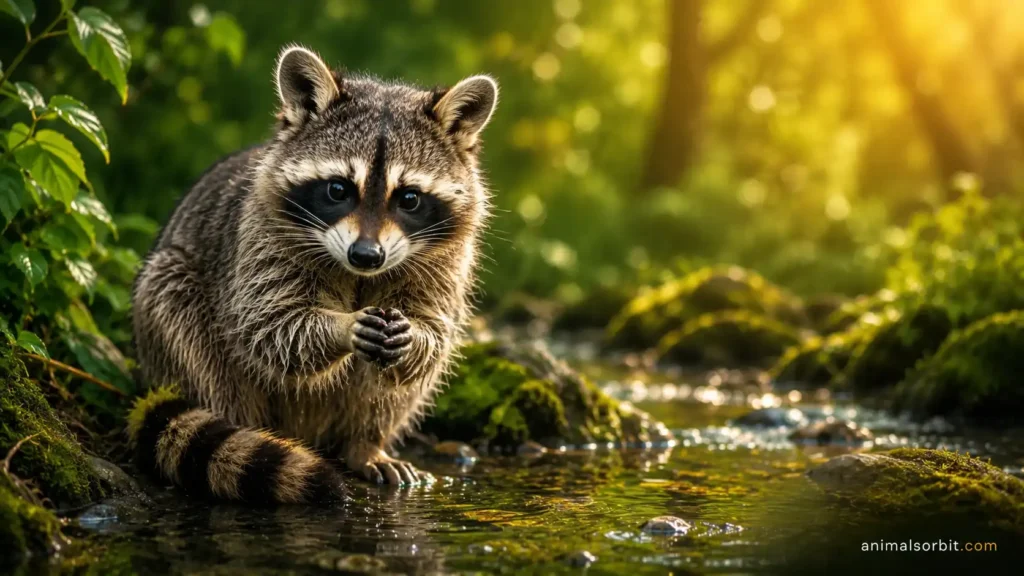
Raccoons, scientifically known as Procyon lotor, are not only clever and charming but also remarkably clean creatures. These nocturnal mammals have an intriguing habit of designating specific areas as latrines, keeping their living spaces tidy.
This behavior showcases their intelligence and social structure, as they often use the same spots repeatedly, minimizing mess in their territories.
Why Raccoons Are So Clean
- Raccoons are remarkably clean creatures.
- They have an intriguing habit of designating specific areas as latrines.
- They keep their living spaces tidy.
- They often use the same spots repeatedly, minimizing mess in their territories.
- This behavior showcases their intelligence and social structure.
Scientific Reason
Beyond their cleanliness, raccoons are omnivores, allowing them to adapt to various environments and food sources. This dietary flexibility contributes to their success as urban dwellers, often seen rummaging through trash bins.
Fun Fact
A fun fact about raccoons is their dexterous front paws, which enable them to manipulate objects with incredible precision, often seen “washing” their food in water, adding to their reputation as one of the cleanest animals in the world.
Squirrels – One of the Cleanest Animals in Nature
Scientific Name: Sciuridae
Class: Mammalia
Diet: Herbivore/Omnivore
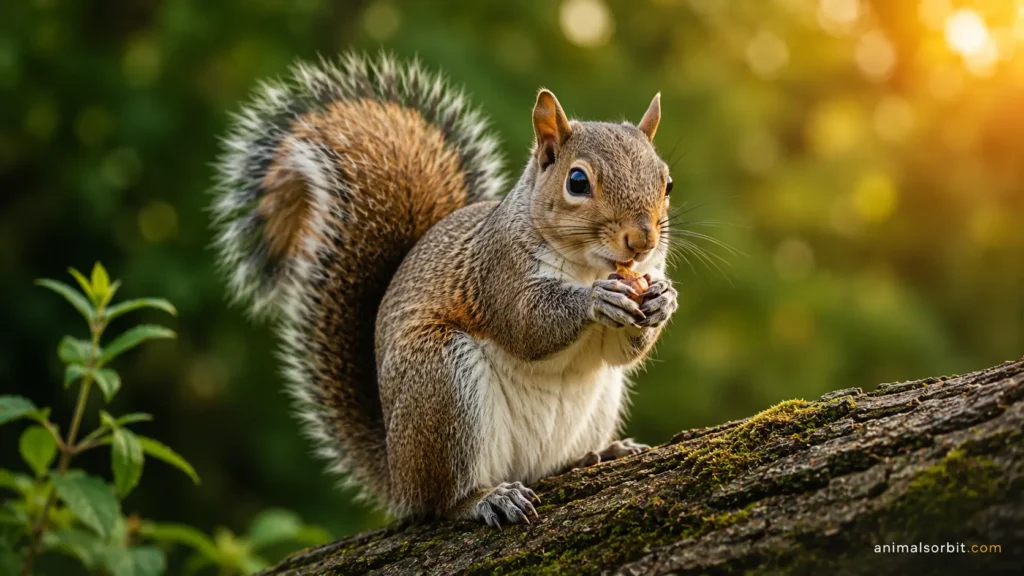
Squirrels, belonging to the family Sciuridae, are fascinating creatures that showcase remarkable cleanliness in their habitats. These nimble mammals engage in meticulous grooming routines, not just for health, but also to spread their scent and establish territory.
Their penchant for cleanliness can be linked to animals survival strategy by keeping their fur clean, they can avoid parasites and maintain optimal thermal regulation, essential for their diverse habitats.
Why Squirrels Are So Clean
- Squirrels showcase remarkable cleanliness in their habitats.
- They engage in meticulous grooming routines.
- They spread their scent and establish territory.
- Keeping their fur clean helps them avoid parasites.
- Clean fur helps maintain optimal thermal regulation, essential for their diverse habitats.
Scientific Reason
One interesting fact about squirrels is their sophisticated nesting behavior. They often create multiple nests, known as “dreys,” in various trees, meticulously lining them with leaves and moss to ensure a cozy and hygienic living environment.
This attention to cleanliness protects them from predators and harsh weather, highlighting their instinctual dedication to cleanliness as a survival tactic.
Fun Fact
Did you know that squirrels can actually “talk” to each other through a variety of vocalizations and tail movements? These convey messages about food sources or potential threats, all while maintaining their pristine surroundings.
It’s a remarkable blend of social interaction and hygiene, showcasing how even the smallest behaviors can hold significant implications for their daily lives.
Sea Otters – One of the Cleanest Marine Animals
Scientific Name: Enhydra lutris
Class: Mammalia
Diet: Carnivore
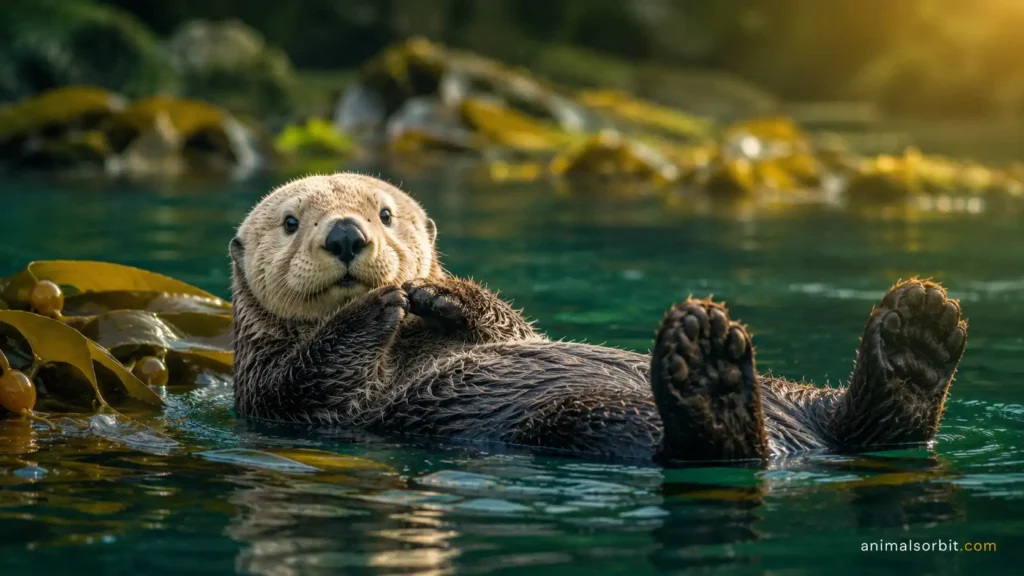
The sea otter, scientifically known as Enhydra lutris, showcases an extraordinary commitment to cleanliness that sets them apart in the animal kingdom. These marine mammals are often seen floating on their backs, using their dexterous paws to groom their thick, luxurious fur.
With about a million individual hairs per square inch, their fur not only provides insulation but also serves a crucial purpose in maintaining their health. Interestingly, sea otters have been observed using tools, such as rocks, to crack open shellfish, highlighting their intelligence and dexterity in both feeding and grooming.
Why Sea Otters Are So Clean
- Sea otters showcase an extraordinary commitment to cleanliness.
- They use their dexterous paws to groom their thick, luxurious fur.
- Their fur has about a million individual hairs per square inch.
- Their fur provides insulation and serves a crucial purpose in maintaining their health.
- Sea otters have been observed using tools, such as rocks, to crack open shellfish, highlighting their intelligence and dexterity in both feeding and grooming.
Scientific Reason
Scientifically, the sea otter’s meticulous grooming habits prevent the underfur from becoming waterlogged, which is essential for their survival in frigid coastal waters. By keeping their fur clean and free of parasites, these charismatic carnivores can maintain a stable body temperature and conserve energy while hunting for food.
This self-care, however, extends beyond individual health; as apex predators, healthy sea otter populations contribute to the overall health of kelp forest ecosystems by controlling sea urchin populations.
Fun Fact
One fun fact about sea otters is their penchant for holding hands while they sleep, a behavior that not only prevents them from drifting apart but also enhances their sense of community and bonding.
This endearing trait, paired with their role as nature’s cleaners, makes sea otters not only one of the cleanest animals in the world but also some of the most captivating.
Beavers – One of the Cleanest Animals in Freshwater Ecosystems
Scientific Name: Castor canadensis
Class: Mammalia
Diet: Herbivore
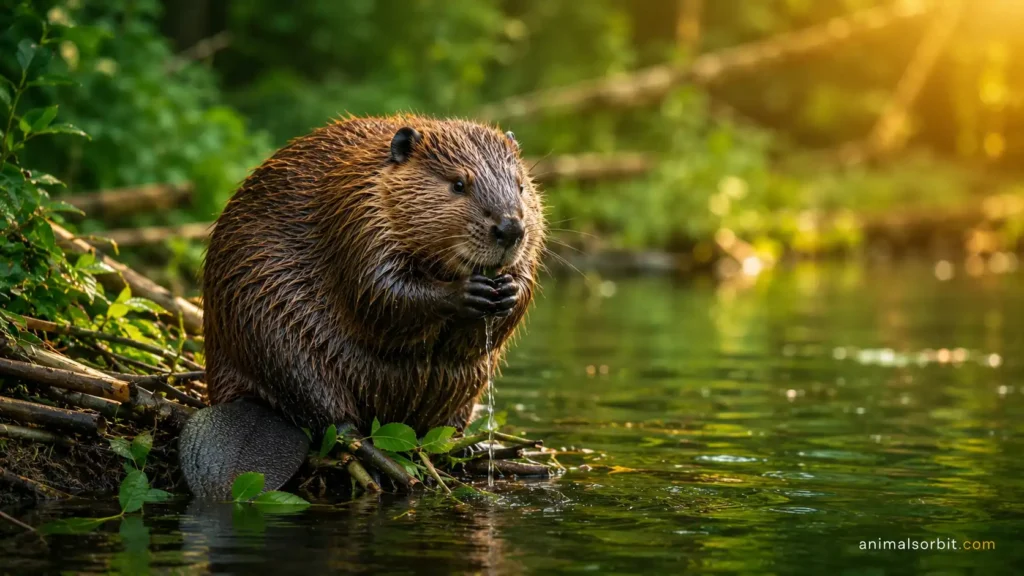
Beavers, scientifically known as Castor canadensis, are not only remarkable engineers of their ecosystems but also surprisingly clean animals. These herbivores dedicate a significant amount of time to grooming their dense fur, which helps maintain their waterproofing.
Their well-kept coats ensure that they can remain agile and warm while working industriously in chilly waters. meticulously licking their fur clean.
Why Beavers Are So Clean
- Beavers are surprisingly clean animals.
- They dedicate a significant amount of time to grooming their dense fur.
- Grooming helps maintain their waterproofing.
- Their well-kept coats ensure that they can remain agile and warm while working industriously in chilly waters.
- Beavers possess a special oil gland that secretes a substance essential for fur maintenance, which they apply by meticulously licking their fur clean.
Scientific Reason
In addition to their impressive grooming habits, beavers play an essential role in maintaining clean waterways. Their dam-building activities create wetland habitats that naturally filter pollutants and sediment, improving water quality for countless other species.
The ecological benefits they provide are profound, as their actions promote biodiversity and create serene aquatic environments.
Fun Fact
A fun fact about beavers is their remarkable ability to hold their breath underwater for up to 15 minutes while diving for food or building materials. This impressive adaptation not only showcases their resilience but also allows them to stay hidden from predators, effectively contributing to their clean and well-maintained ecosystems.
Golden Hamsters – One of the Cleanest Pet Animals
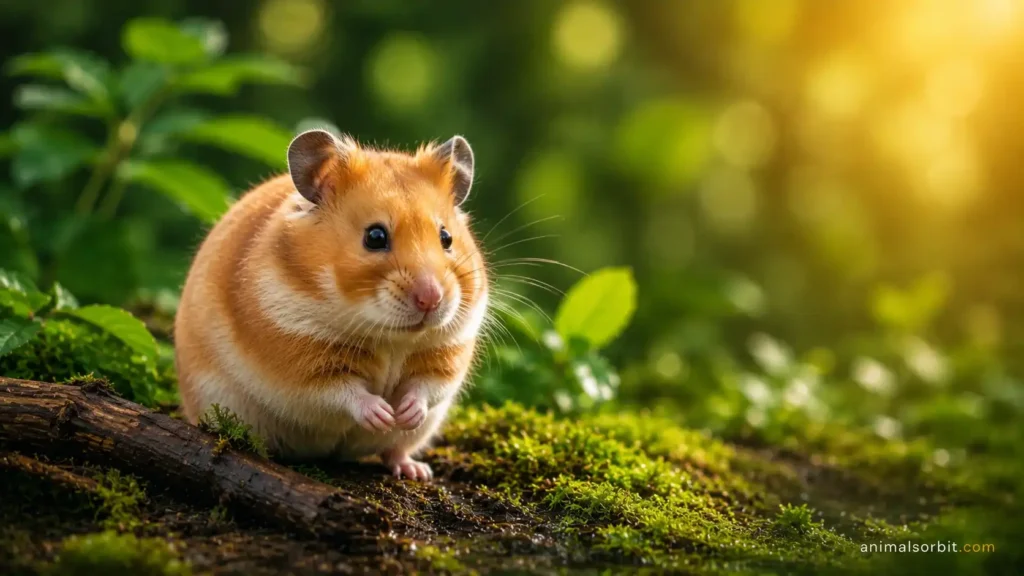
Scientific Name: Mesocricetus auratus
Class: Mammalia
Diet: Omnivore
The golden hamster, scientifically known as Mesocricetus auratus, is often regarded as one of the cleanest animals in the world of pets. These small creatures have an innate knack for grooming themselves, using their front paws to meticulously clean their fur.
Unlike many other rodents, hamsters are quite selective about their living spaces; they create distinct areas for eating, sleeping, and even restroom duties, showcasing an impressive sense of hygiene.
Why Golden Hamsters Are So Clean
- The golden hamster is often regarded as one of the cleanest animals in the world of pets.
- These small creatures have an innate knack for grooming themselves.
- They use their front paws to meticulously clean their fur.
- Hamsters are quite selective about their living spaces.
- They create distinct areas for eating, sleeping, and even restroom duties, showcasing an impressive sense of hygiene.
- This natural inclination toward cleanliness not only keeps their homes tidy but also significantly reduces the risk of health issues.
Scientific Reason
From a scientific standpoint, their omnivorous diet contributes to their overall cleanliness. Hamsters consume a variety of seeds, fruits, and vegetables, which helps maintain a balanced system that promotes good health.
The nutrients they derive from their diet also support their grooming habits, keeping their fur vibrant and healthy.
Fun Fact
A fun fact about hamsters is that they can store food in their cheeks, allowing them to hoard treats for later consumption. This behavior is not just an endearing quirk; it also plays into their organizational skills.
By separating food from waste, these clever little creatures ensure that their living environment remains as clean as possible, further solidifying their status as one of nature’s tidiest pets.
Ants – One of the Cleanest Insects in the World
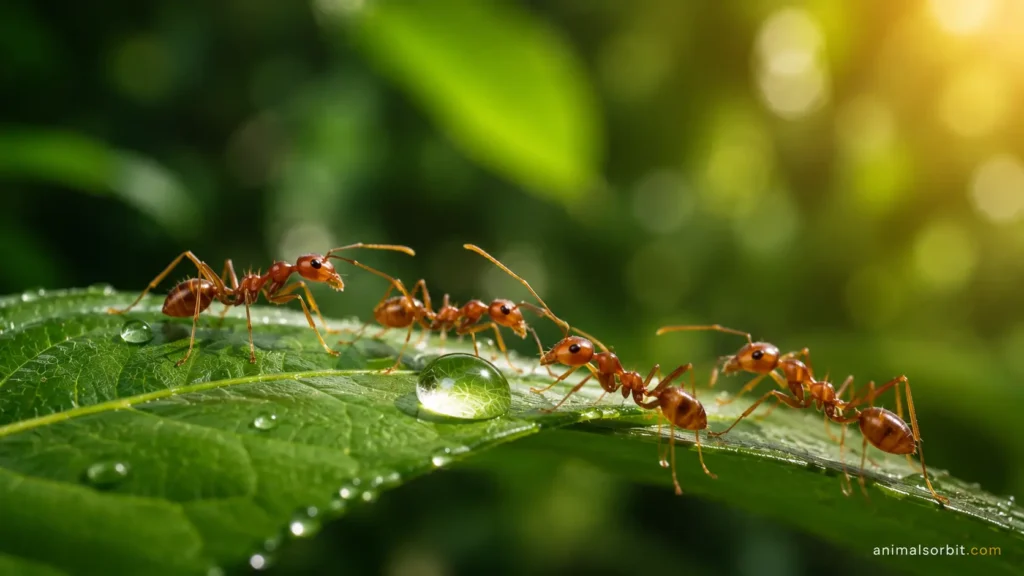
Scientific Name: Formicidae
Class: Insecta
Diet: Omnivore
Ants, scientifically classified under the family Formicidae, are remarkable not just for their social structures but also for their cleanliness. Known for their omnivorous diet, these tiny powerhouses meticulously groom themselves and their colonies, often referred to as the “cleanest animals” in the world.
Why Ants Are So Clean
- Ants are remarkable not just for their social structures but also for their cleanliness.
- These tiny powerhouses meticulously groom themselves and their colonies.
- They are often referred to as the “cleanest animals” in the world.
- This behavior is vital for their survival.
- Their grooming reduces the risk of disease and fosters a healthy environment within their nests.
Scientific Reason
The scientific basis for their cleanliness lies in their intricate grooming habits, which involve using specialized mouthparts to remove dirt and parasites.
Some ant species employ a unique behavior called “trophallaxis,” where food and fluids are shared within the colony, minimizing contamination and promoting overall hygiene.
The fascinating aspect of this behavior highlights the ants’ sophisticated communication skills; they utilize pheromones to signal when their environment requires cleaning.
Fun Fact
Leafcutter ants not only maintain sanitary nests but also cultivate fungus gardens, ensuring a sustainable food source while keeping their environment impeccably clean. This symbiotic relationship between ants and fungi showcases nature’s incredible interconnectedness and the lengths these tiny organisms go to thrive in their ecosystems.
Eurasian Badgers – One of the Cleanest Animals in the Wild
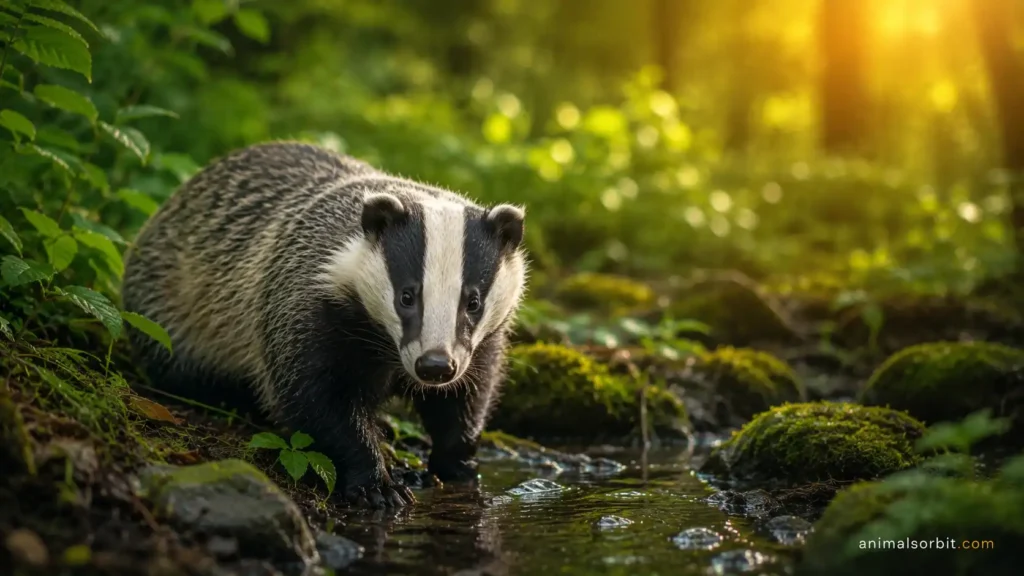
Scientific Name: Meles meles
Class: Mammalia
Diet: Omnivore
Among the cleanest animals in the world, the Eurasian badger, known scientifically as Meles meles, stands out for its remarkable grooming habits. Contrary to their somewhat clumsy appearance, badgers are meticulous creatures.
They dedicate a significant portion of their time to grooming themselves, ensuring that their fur remains clean and free from parasites. This dedication not only helps them maintain their health but also highlights their intricate social behaviors, as they often groom each other to strengthen social bonds within their groups.
Why Eurasian Badgers Are So Clean
- The Eurasian badger stands out for its remarkable grooming habits.
- Badgers are meticulous creatures.
- They dedicate a significant portion of their time to grooming themselves.
- Grooming ensures that their fur remains clean and free from parasites.
- They often groom each other to strengthen social bonds within their groups.
Scientific Reason
From a scientific perspective, the cleanliness of badgers can be largely attributed to their omnivorous diet. These foragers consume a variety of foods, from earthworms to berries, leading to diverse nutritional habits that naturally integrate foraging and self-care.
Their keen sense of smell plays a critical role in identifying and avoiding contaminated food sources.
Fun Fact
Badgers have an exceptional ability to dig, allowing them to create elaborate burrow systems that they meticulously maintain. These burrows serve not just as homes but also as places where they can keep their living spaces hygienic — a fascinating glimpse into the balance of nature and cleanliness in the animal kingdom.
The Eurasian badger is one of the cleanest animals in the wild, combining careful grooming, healthy foraging habits, and well-maintained burrows to support its survival and overall well-being.
Songbirds – Among the Cleanest Birds in Nature
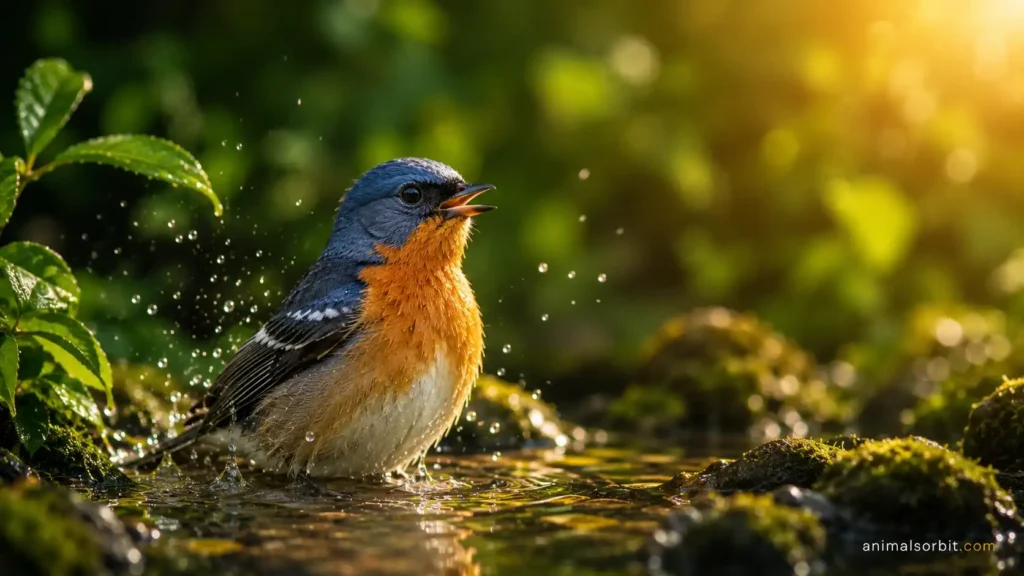
Class: Aves
Diet: Omnivore
Songbirds, belonging to the order Passeriformes, are admired not only for their beautiful melodies but also for their remarkable cleanliness. These small birds spend a considerable amount of time preening their feathers, carefully removing dirt, dust, and parasites.
Their grooming routine helps maintain feather quality, allowing them to fly efficiently while protecting their bodies from changing weather conditions. Songbirds also enjoy regular bathing in water or dust, which further contributes to their excellent hygiene and overall well-being.
Why Songbirds Are So Clean
- Songbirds spend a considerable amount of time preening their feathers.
- They carefully remove dirt, dust, and parasites.
- Their grooming routine helps maintain feather quality.
- Clean feathers allow them to fly efficiently.
- Regular bathing in water or dust contributes to their excellent hygiene and overall well-being.
Scientific Reason
From a scientific perspective, preening helps distribute natural oils produced by the uropygial gland across their feathers. These oils improve waterproofing, reduce bacterial growth, and keep feathers flexible for flight.
Healthy feathers are essential for insulation, protection, and successful migration, making grooming an important survival behavior.
Fun Fact
Many songbirds enjoy taking dust baths in addition to water baths. Dust helps absorb excess oil and discourages parasites, allowing their feathers to remain clean and in excellent condition.
Songbirds are among the cleanest birds in nature, relying on frequent grooming and bathing to maintain healthy feathers, efficient flight, and protection against parasites and harsh environmental conditions.
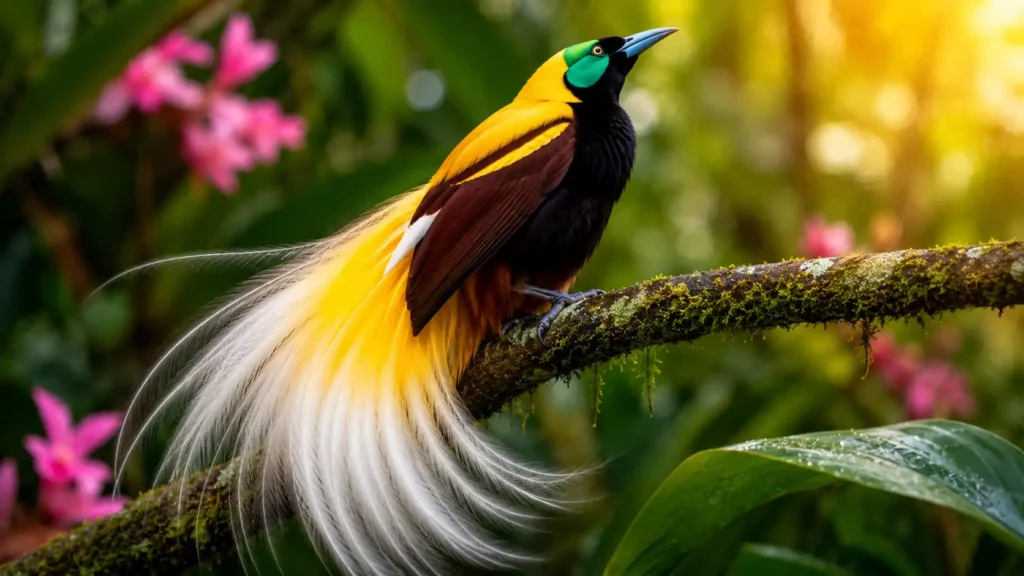
Birds of Paradise – One of the Cleanest Tropical Birds
Class: Aves
Diet: Omnivore
Birds of Paradise, belonging to the family Paradisaeidae, are famous for their extraordinary beauty and elaborate courtship displays. Equally impressive is their dedication to cleanliness.
These tropical birds spend a significant amount of time grooming their vibrant feathers to keep them spotless and attractive. Maintaining immaculate plumage is essential, as healthy and colorful feathers play a crucial role in attracting mates and ensuring successful reproduction.
Why Birds of Paradise Are So Clean
- Birds of Paradise spend a significant amount of time grooming their feathers.
- They keep their colorful plumage spotless and attractive.
- Clean feathers are essential for successful courtship displays.
- Grooming removes dirt and parasites.
- Healthy feathers contribute to efficient flight and overall well-being.
Scientific Reason
Scientifically, these birds rely on preening to spread protective oils across their feathers. This process preserves feather structure, prevents bacterial growth, and enhances the brilliant colors used during mating displays. Well-maintained plumage directly influences reproductive success, making cleanliness an important evolutionary adaptation.
Fun Fact
Male Birds of Paradise often clean both their feathers and their display areas before performing elaborate courtship dances, ensuring every detail is perfect for attracting a mate.
Birds of Paradise demonstrate that cleanliness is essential not only for survival but also for reproduction, helping them maintain their spectacular appearance and thrive in tropical forests.
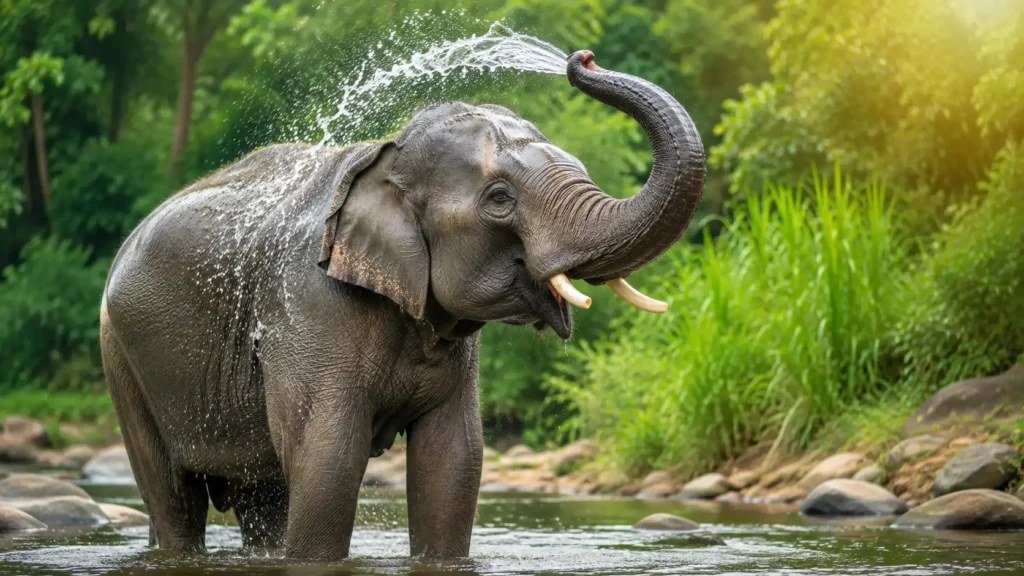
Elephants – One of the Cleanest Large Mammals
Scientific Name: Loxodonta africana (African Elephant) / Elephas maximus (Asian Elephant)
Class: Mammalia
Diet: Herbivore
Elephants, scientifically classified under the family Elephantidae, are among the largest land animals and surprisingly maintain impressive hygiene. These intelligent mammals regularly bathe in rivers, lakes, and waterholes before covering themselves with mud or dust.
While this may appear messy, these behaviors help protect their sensitive skin from parasites, insects, and the intense heat of the sun. Their cleanliness routines are an essential part of their daily lives.
Why Elephants Are So Clean
- Elephants regularly bathe in rivers, lakes, and waterholes.
- They cover themselves with mud or dust after bathing.
- These behaviors protect their sensitive skin from parasites.
- Mud and dust shield them from insects and harsh sunlight.
- Their hygiene routines support their overall health and well-being.
Scientific Reason
Scientifically, elephants have relatively sensitive skin despite its thickness. Mud acts as a natural sunscreen, while dust helps remove excess moisture and discourages parasites. Frequent bathing also cools their bodies and improves skin health, allowing them to adapt to warm environments more effectively.
Fun Fact
Elephants often spray water over their bodies using their trunks before applying a fresh layer of mud, creating one of nature’s most effective skin-care routines.
Elephants are among the cleanest large mammals, combining bathing, dusting, and mud treatments to protect their skin, regulate body temperature, and maintain excellent health in the wild.
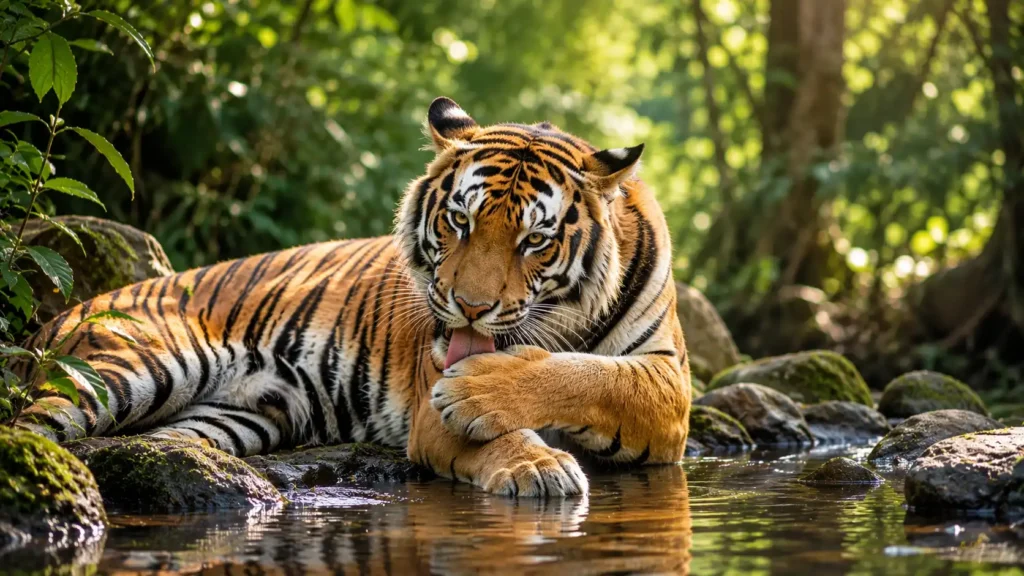
Tigers – One of the Cleanest Big Cats
Scientific Name: Panthera tigris
Class: Mammalia
Diet: Carnivore
Tigers, scientifically known as Panthera tigris, are among the cleanest members of the cat family. These powerful predators devote a significant amount of time to grooming their fur using their rough tongues.
This self-cleaning behavior helps remove dirt, loose hair, and parasites while distributing natural oils throughout their coats. Maintaining a clean coat is essential for camouflage, body temperature regulation, and overall health in their natural habitats.
Why Tigers Are So Clean
- Tigers spend a significant amount of time grooming their fur.
- They use their rough tongues to remove dirt, loose hair, and parasites.
- Grooming distributes natural oils throughout their coats.
- A clean coat supports camouflage and body temperature regulation.
- Regular grooming contributes to their overall health and well-being.
Scientific Reason
From a scientific perspective, a tiger’s tongue is covered with tiny, backward-facing papillae that act like natural brushes. These specialized structures remove debris, dead hair, and parasites while spreading protective oils across the fur.
Grooming also helps reduce scent, allowing tigers to move more effectively through their territories while hunting prey.
Fun Fact
Tigers are excellent swimmers and frequently bathe in rivers and lakes to cool themselves during hot weather, making them one of the few big cats that genuinely enjoy water.
Tigers are among the cleanest big cats, relying on frequent grooming and occasional bathing to maintain healthy fur, effective camouflage, and excellent physical condition.
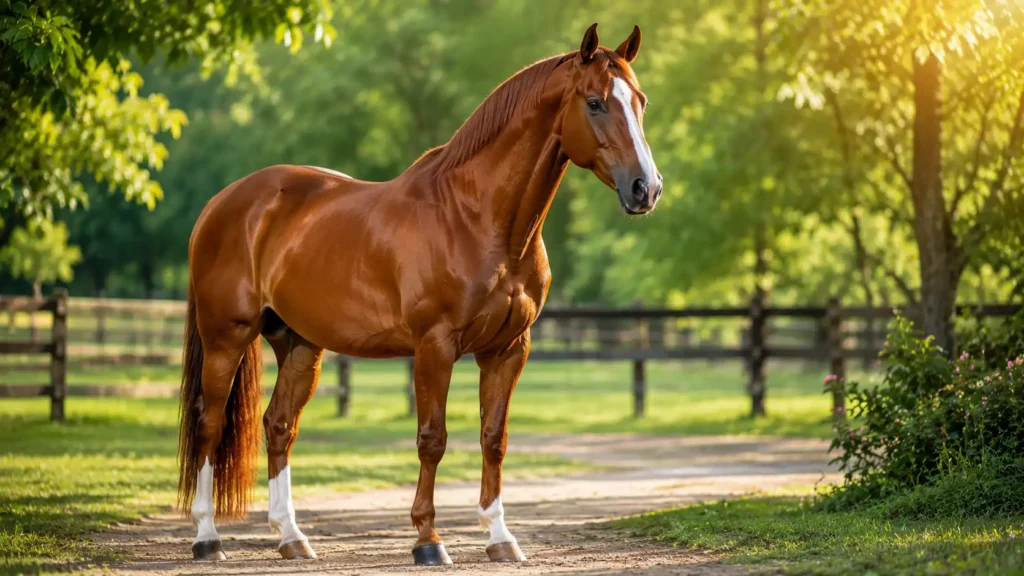
Horses – One of the Cleanest Domestic Animals
Scientific Name: Equus ferus caballus
Class: Mammalia
Horses, scientifically classified as Equus ferus caballus, are naturally clean animals that spend much of their day maintaining their coats. They frequently roll in dust or dry soil, groom themselves against trees and fences, and often groom one another.
These natural behaviors help remove loose hair, parasites, and dead skin while promoting healthy circulation and keeping their coats in excellent condition.
Why Horses Are So Clean
- Horses naturally maintain their coats throughout the day.
- They frequently roll in dust or dry soil.
- They groom themselves against trees and fences.
- Horses often groom one another.
- These behaviors remove loose hair, parasites, and dead skin while promoting healthy circulation.
Scientific Reason
Scientifically, dust rolling helps absorb excess moisture and oils while discouraging external parasites. Mutual grooming, commonly called social grooming, strengthens relationships within the herd and reduces stress levels. Their natural grooming behaviors contribute to skin health and overall physical well-being.
Fun Fact
Horses often groom each other’s necks and shoulders because these areas are difficult to reach on their own, making grooming an important part of their social interactions.
Horses are among the cleanest domestic animals, using natural grooming habits and social behaviors to maintain healthy skin, clean coats, and strong bonds within their herds.
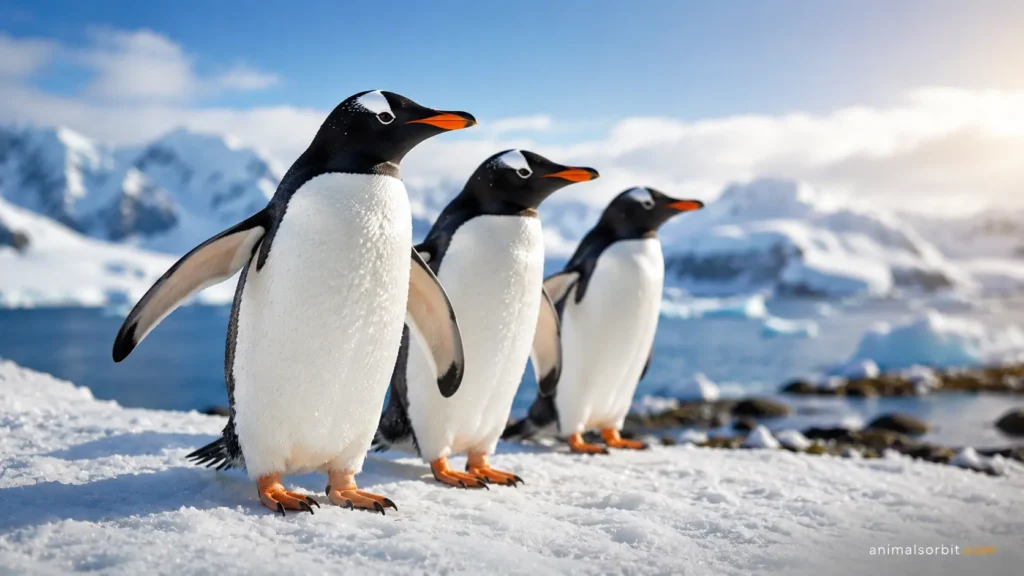
Penguins – One of the Cleanest Seabirds
Scientific Name: Spheniscidae
Class: Aves
Penguins, belonging to the family Spheniscidae, are renowned for their dedication to personal hygiene. These flightless seabirds spend several hours each day preening their waterproof feathers.
By carefully arranging each feather and spreading protective oils across their plumage, penguins ensure that their bodies remain insulated and dry in icy marine environments. Their commitment to cleanliness is essential for survival in some of the world’s harshest climates.
Why Penguins Are So Clean
- Penguins spend several hours each day preening their feathers.
- They carefully arrange each feather.
- They spread protective oils across their plumage.
- Their feathers remain waterproof and well insulated.
- Regular grooming helps them survive in cold marine environments.
Scientific Reason
Scientifically, penguins produce oil from a gland located near the base of their tail. During preening, they distribute this oil throughout their feathers, creating a waterproof barrier that traps insulating air close to their bodies. This process prevents excessive heat loss and allows penguins to swim efficiently in freezing waters.
Fun Fact
Penguins often preen one another, especially breeding pairs, strengthening their social bonds while helping keep hard-to-reach feathers clean and properly aligned.
Penguins are among the cleanest seabirds, depending on meticulous grooming and waterproof feathers to stay warm, healthy, and perfectly adapted to life in cold oceans.
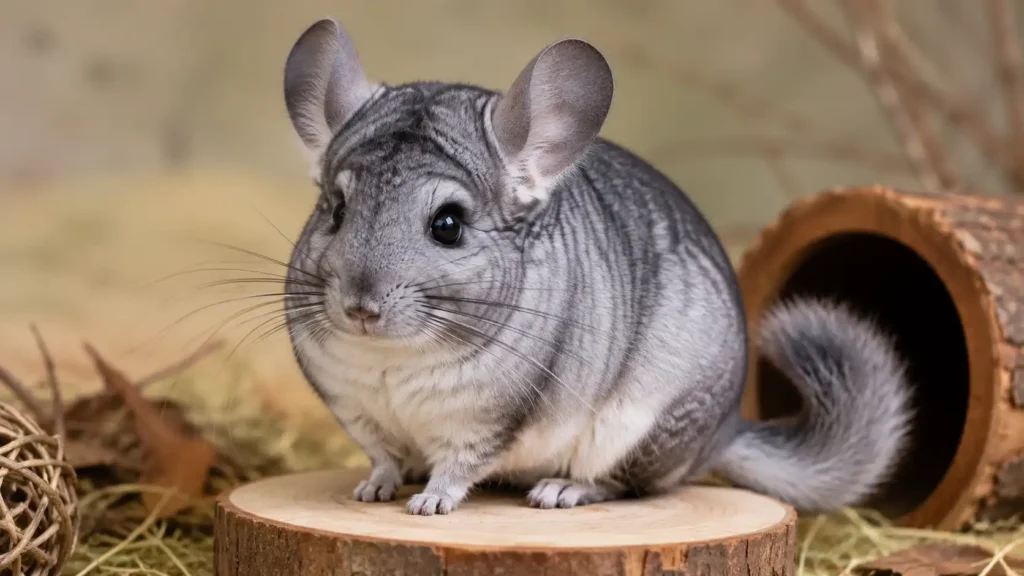
Chinchillas – One of the Cleanest Small Mammals
Scientific Name: Chinchilla lanigera
Class: Mammalia
Chinchillas, scientifically classified under the genus Chinchilla, are widely recognized as one of the cleanest small mammals in the world. Native to the Andes Mountains of South America, these fluffy rodents are famous for their incredibly dense fur and unique grooming habits. Unlike many animals, chinchillas do not bathe in water.
Instead, they rely on fine volcanic dust to keep their coats clean, soft, and free from excess oils and moisture. This natural behavior helps them maintain excellent hygiene while protecting their delicate fur from damage.
Why Chinchillas Are So Clean
- Chinchillas are recognized as one of the cleanest small mammals.
- They have incredibly dense fur.
- They rely on fine volcanic dust instead of water for cleaning.
- Dust baths remove excess oils, dirt, and moisture from their coats.
- Their grooming habits help keep their fur clean, soft, and healthy.
Scientific Reason
From a scientific perspective, chinchillas have one of the densest fur coats of any land mammal, with dozens of hairs growing from a single follicle. Water can become trapped in this dense fur, increasing the risk of fungal infections and skin problems.
Dust bathing naturally absorbs oils and moisture while preserving the insulating properties of their fur, making it an essential adaptation for survival.
Fun Fact
A chinchilla’s fur is so dense that fleas and many other parasites struggle to live in it, making these animals naturally resistant to common fur pests.
Chinchillas are among the cleanest small mammals, relying on specialized dust baths and natural grooming behaviors to maintain their exceptionally soft, healthy, and hygienic coats.
Meerkats – One of the Cleanest Social Mammals
Scientific Name: Suricata suricatta
Class: Mammalia
Meerkats, scientifically known as Suricata suricatta, are highly social mammals that display remarkable cleanliness within their groups. Living in organized colonies across the deserts of southern Africa, these intelligent animals spend time grooming themselves and one another to remove dirt, parasites, and loose fur.
Their cooperative grooming habits not only improve hygiene but also strengthen the social bonds that are essential for group survival. If you enjoy learning about fascinating members of the weasel family, you may also like our guide to animals like ferrets, which explores several similar animals with interesting characteristics.
Why Meerkats Are So Clean
- Meerkats regularly groom themselves and one another.
- Grooming removes dirt, parasites, and loose fur.
- They live in organized social colonies.
- Their hygiene habits strengthen social bonds.
- Regular grooming supports their overall health and survival.
Scientific Reason
Scientifically, social grooming helps reduce parasite loads and lowers the risk of skin infections within meerkat colonies. Grooming also reinforces cooperation and trust among group members, improving communication and coordination while protecting the colony from predators. These behaviors contribute significantly to their survival in harsh desert environments.
Fun Fact
Meerkats take turns acting as sentinels while other members of the group groom, forage, or care for young, demonstrating an extraordinary level of teamwork and cooperation.
Meerkats are among the cleanest social mammals, combining regular grooming with strong teamwork to maintain healthy colonies and improve their chances of survival in the wild.
Honey Bees – One of the Cleanest Insects in Nature
Scientific Name: Apis mellifera
Class: Insecta
Honey bees, scientifically classified as Apis mellifera, are among the cleanest insects in the natural world. These remarkable pollinators maintain exceptional hygiene inside their hives by continuously cleaning the comb, removing debris, and carrying away dead bees or other waste.
Worker bees dedicate themselves to keeping the colony sanitary, helping protect thousands of hive members from harmful bacteria, fungi, and parasites.
Why Honey Bees Are So Clean
- Honey bees maintain exceptional hygiene inside their hives.
- Worker bees continuously clean the honeycomb.
- They remove debris and dead bees from the colony.
- Their cleaning behaviors reduce the spread of harmful pathogens.
- A clean hive supports the health and productivity of the entire colony.
Scientific Reason
From a scientific perspective, honey bees practice a behavior known as hygienic behavior, where worker bees detect and remove diseased or parasite-infested brood before infections spread throughout the hive.
Bees also produce antimicrobial substances, including propolis, which helps disinfect hive surfaces and provides additional protection against microorganisms. These adaptations are essential for colony survival.
Fun Fact
Honey bees communicate the location of food sources through the famous “waggle dance,” allowing thousands of colony members to work together while maintaining one of the cleanest and most organized societies in the animal kingdom.
Honey bees are among the cleanest insects in nature, combining advanced hygiene behaviors, teamwork, and natural antimicrobial defenses to keep their colonies healthy, productive, and thriving.
Conclusion
Exploring the world of the top 20 cleanest animals reveals a deeper appreciation for cleanliness in the animal kingdom. From the diligent efforts of the spotted hyena to the impeccable habits of the elephant, these animals highlight the vital role that hygiene plays in their survival.
Our own health and well-being can benefit from learning about these fascinating creatures and their invigorating routines. As we celebrate the wonders of nature, let’s take a cue from these clean animals and strive to integrate better hygiene practices into our lives.
FAQs
What Criteria Were Used to Determine the Cleanest Animals?
Cleanest Animals are evaluated based on Grooming Habits, Habitat Maintenance, and Natural Cleanliness Behaviors.
Are All Clean Animals Domesticated?
No, many Clean Animals are Wild; Cleanliness is a natural trait found in various Species across different Environments.
Which Animal Is Considered the Absolute Cleanest?
The Japanese Macaque monkey is often cited as the Cleanest Animal due to its meticulous Grooming.
Do Clean Animals Have Specific Habitats That Contribute to Their Cleanliness?
Yes, many Clean Animals thrive in Environments that support their Grooming Needs and Hygiene Practices, such as Rivers and Forests.