
Top 18 Animals With Sharp Claws (With Images)
Sharp claws are more than weapons: they can grip bark, seize prey, dig for food, or help an animal hold its ground. This guide introduces 18 animals with sharp claws, exploring the distinctive adaptations behind their abilities and the ecological roles they play. Which creatures rely on claws to climb, which use them to hunt.
What is the difference between claws and talons?
The difference between claws and talons is mainly about adaptation. Claws help a wide range of animals perform everyday tasks: a squirrel uses its claws to grip and climb, while a badger uses its sturdy claws to dig. Their forms vary according to how an animal uses them.
Talons are the specialized claws of birds of prey, including owls and eagles. They are adapted to catch and hold prey, rather than primarily to climb or excavate. So, while every talon is a type of claw, not every claw is a talon; the animal with sharp claws name “talon” highlights a particular structure and purpose.
List of Animals With Sharp Claws
Here is the list of animals with sharp claws:
| Number of Animals | Animals With Sharp Claws |
| 1 | Sloth |
| 2 | Harpy Eagle |
| 3 | Armadillo |
| 4 | Tiger |
| 5 | Star-nosed Mole |
| 6 | American Badger |
| 7 | Great Horned Owl |
| 8 | Lion |
| 9 | Giant Anteater |
| 10 | Grizzly Bear |
| 11 | House Cat |
| 12 | Wolverine |
| 13 | Alligators |
| 14 | Mountain Lion |
| 15 | Komodo Dragon |
| 16 | American Black Bear |
| 17 | Bald Eagle |
| 18 | Jaguar |
Sloth
Scientific name: Bradypus variegatus
Class: Mammalia
Diet: Herbivore
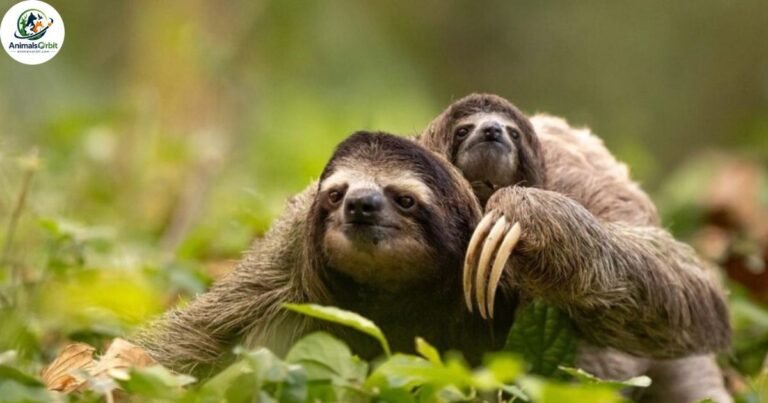
A sloth’s long, curved claws are adapted for life in the trees. They hook around branches, helping the animal hold on, hang with little effort, and stay stable as it moves through the canopy. This secure grip is especially useful for a mammal that spends much of its time suspended above the ground.
The claws can also serve as a defense if a sloth feels threatened. Though they are best known for helping it cling to branches, they can be used to swipe at a potential attacker. Together, their gripping and defensive functions support the sloth’s survival in its arboreal habitat.
Harpy Eagle
Scientific name: Harpia harpyja
Class: Aves
Diet: Carnivore
The Harpy Eagle’s talons are exceptionally large and strong, giving it a powerful grip for catching prey in the rainforest canopy. That grip helps the eagle seize animals such as monkeys and sloths, which it carries off with its strength.
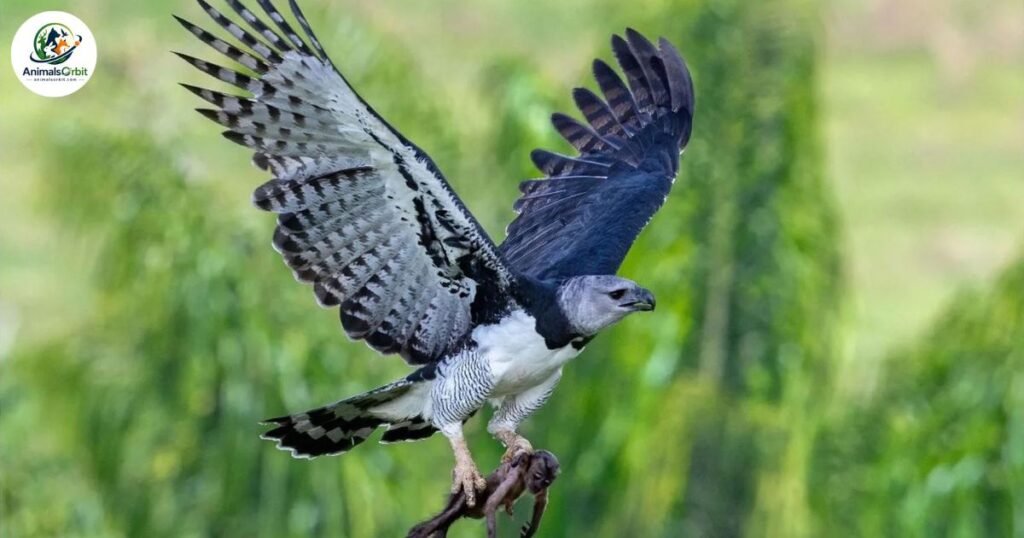
Power alone is not its only hunting advantage: stealth helps the eagle approach through dense forest before striking. Protecting rainforest habitat is therefore essential not only for the Harpy Eagle, but also for the forest life on which it depends.
Armadillo
Scientific name: Dasypus novemcinctus
Class: Mammalia
Diet: Omnivore
An armadillo’s sharp claws are strong and curved, well suited to breaking into soil. It uses them to dig for insects and grubs, uncovering food beneath the surface.The same claws help it make underground shelter. Burrowing also gives an armadillo a way to escape predators, helping it find protection and survive in the wild.

Tiger
Scientific name: Panthera tigris
Class: Mammalia
Diet: Carnivore
A tiger’s sharp, retractable claws are essential tools for catching and holding prey. The tiger can extend them to grip an animal during a hunt, then draw them back when they are not needed, helping keep the claws sharp.
Claws also help a tiger gain traction while climbing and maneuvering over uneven ground. By giving its paws a secure grip, they support steady movement and balance. Beyond hunting, tigers scratch trees to mark their territory and leave a signal of their presence for other tigers.
Star-nosed Mole
Scientific name: Condylura cristata
Class: Mammalia
Diet: Carnivore
Sharp claws make the star-nosed mole an effective tunnel digger. It uses its forefeet to loosen and move soil, creating underground passages where it can travel and search for food. The same digging ability can help it escape predators by moving back into the shelter of its tunnels.
The mole’s unusual nose complements this powerful digging equipment. Its 22 tentacles are highly sensitive to touch, allowing it to locate prey in dark, muddy environments where it cannot rely on clear sight. Together, claws and tentacles help the mole navigate underground and find food.
American Badger
Scientific name: Taxidea taxus
Class: Mammalia
Diet: Carnivore
The American badger’s powerful foreclaws are long, sharp, and well suited to moving soil. They help the animal dig through earth to make burrows and dens, where it can rest and shelter. This ability to excavate quickly is central to how badgers use their underground habitat.
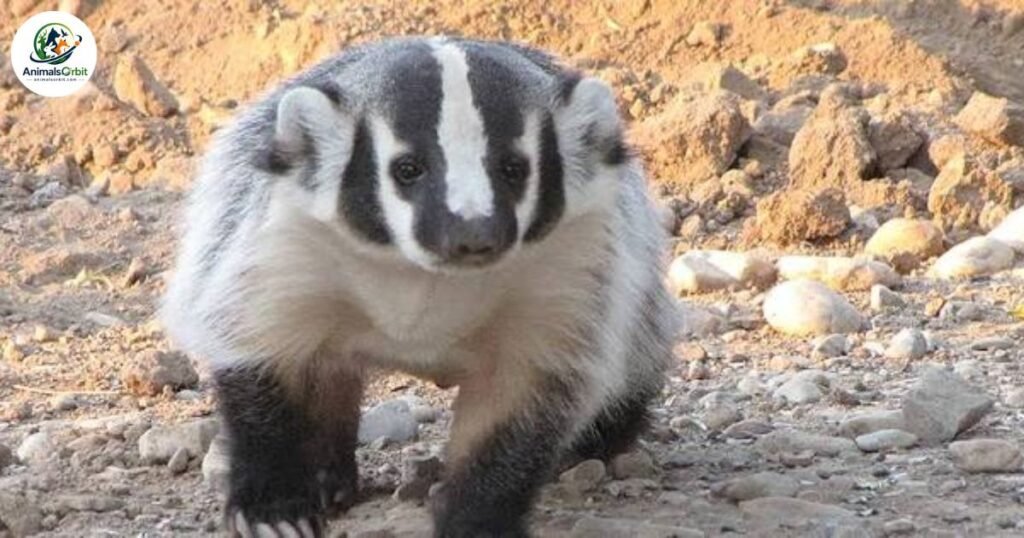
Those same claws help badgers reach prey beneath the surface, including burrowing animals. They can also serve as a defense when a badger faces a predator, making its claws useful beyond digging. From finding food to creating shelter, the badger’s strong foreclaws support several important parts of its survival.
Great Horned Owl
Scientific name: Bubo virginianus
Class: Aves
Diet: Carnivore
A Great Horned Owl’s sharp talons are curved, sturdy tools for catching prey. When the owl strikes, its powerful grip helps hold small mammals, birds, and reptiles securely as it lifts or subdues them.
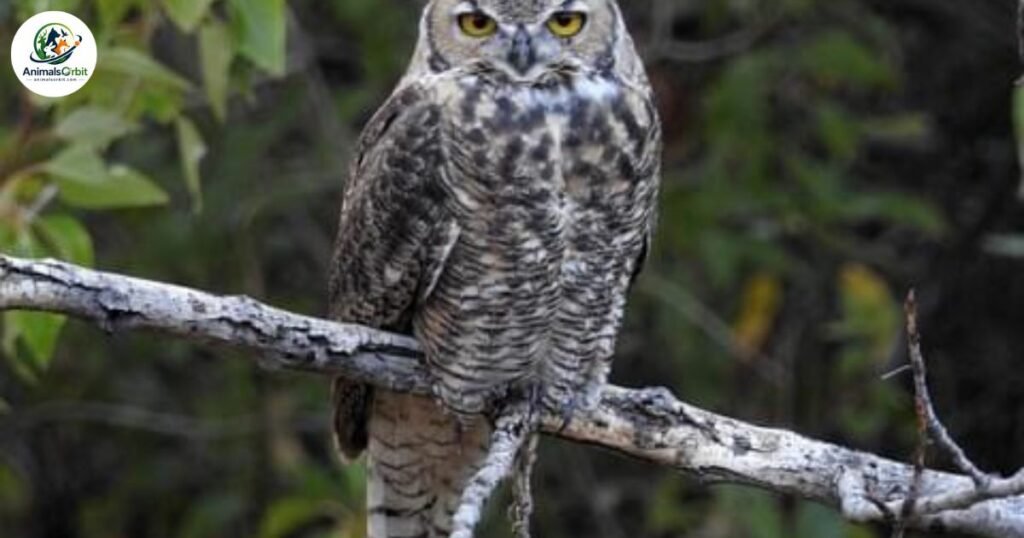
The talons work especially well with the owl’s stealthy approach. Soft-edged feathers help muffle the sound of flight, allowing it to close in quietly before reaching out with its claws. That combination of silence and a firm grip makes the talons an essential part of the hunt.
Lion
Scientific name: Panthera leo
Class: Mammalia
Diet: Carnivore
A lion’s sharp, retractable claws help turn a quiet approach into a secure hold. Kept drawn in as the lion moves, they support stealthy steps; when a hunt calls for action, the claws extend to grip the ground and help the lion seize and handle prey.
Their usefulness extends beyond the chase. Lions also use their claws when climbing and during playful interactions, where they can engage without every movement being a hunt. In a pride, claws may also feature in social displays, adding another dimension to how lions interact.
Giant Anteater
Scientific name: Myrmecophaga tridactyla
Class: Mammalia
Diet: Insectivore
The giant anteater’s long, curved claws are built for opening insect nests. Strong and sharp, they help it tear into the tough walls of ant and termite mounds so it can reach the insects inside. The anteater then uses its long, narrow snout and sticky tongue to gather its meal.
Those claws also shape how the animal moves: giant anteaters often walk on their knuckles, keeping the sharp tips tucked away from the ground. This helps protect the claws between feeding bouts, preserving tools central to their survival.
Grizzly Bear
Scientific name: Ursus arctos horribilis
Class: Mammalia
Diet: Omnivore
A grizzly bear’s long, sharp claws meaning are built for more than defense: they help it uncover food. With powerful forelimbs and claws, a grizzly can dig through soil for roots, insects, and small animal with sharp claws, then rake through the ground as it forages. Its claws can also tear into logs, exposing insects and other food hidden inside.

The same digging strength helps a grizzly prepare a den for winter. It can use its claws to excavate a sheltered space in the ground, shaping a place to spend the cold season. From turning over soil in search of a meal to making a winter refuge, its claws are practical tools for daily life.
House Cat
Scientific name: Felis catus
Class: Mammalia
Diet: Carnivore
A house cat can extend its sharp claws when it needs extra grip. Those claws help with catching and holding prey, climbing, and gripping surfaces as the cat moves. Their retractable design lets the cat draw them back when they are not in use.

Regular scratching supports claw maintenance by helping remove worn outer layers, while the motion gives cats a chance to stretch and exercise. It also fulfills a natural feline behavior. A suitable scratching surface can help make room for this routine in the home.
Wolverine
Scientific name: Gulo gulo
Class: Mammalia
Diet: Carnivore
A wolverine’s sharp claws are strong and curved, giving it a firm grip as it moves through demanding terrain. It can use them to dig through snow and ice in search of food, work its way up trees, and navigate rocky ground.

These versatile claws support both hunting and survival in harsh environments. By helping the wolverine reach food and move across varied landscapes, they make it better equipped to cope with difficult conditions.
Alligators
Scientific name: Alligator mississippiensis
Class: Reptilia
Diet: Carnivore
An alligator’s sharp claws help it grip uneven surfaces as it moves through its habitat. On muddy riverbanks, the claws can provide traction, helping the animal keep its footing as it shifts between water and land.
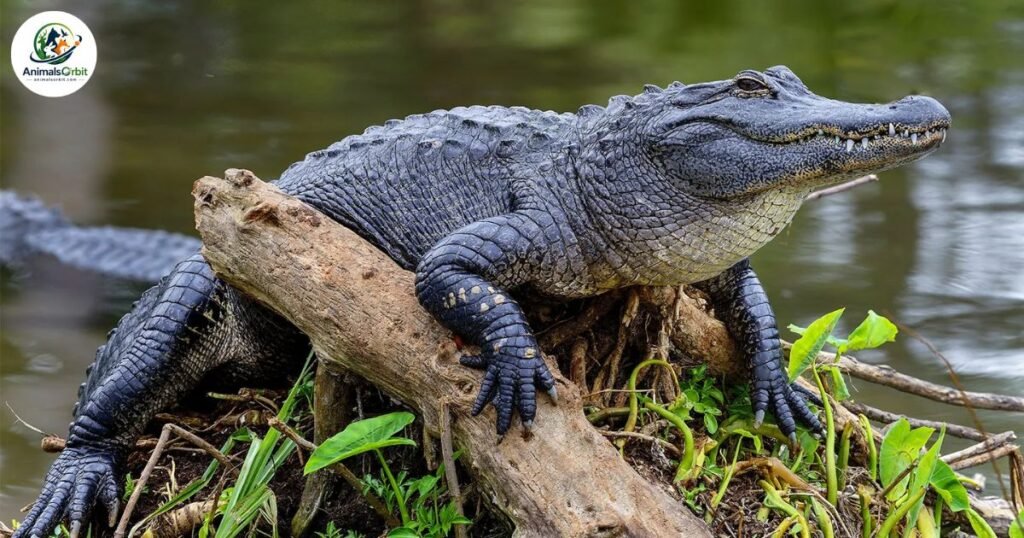
In swampy habitats, claws also help an alligator dig into soft ground. Along with its low, sturdy body, they support stability on uneven terrain. Their role is practical: helping the alligator move, brace itself, and work through muddy surroundings.
Read May Also: Top 15+ Nocturnal Animals List, Pictures & Interesting Facts
Mountain Lion
Scientific name: Puma concolor
Class: Mammalia
Diet: Carnivore
A mountain lion’s claws serve more than one purpose. Sharp and retractable, they help the cat grip prey during a hunt and find purchase on trees and rocky slopes. Combined with stealth and strength, those traits make mountain lions effective hunters and agile climbers.

Scratching also leaves signs for other mountain lions. Cats may rake trees or the ground to mark territory and communicate their presence in the wild. Along with other scent and visual cues, these marks help convey information without a direct encounter.
Read May Also: Top 20 Cleanest Animals in The World (With Pictures)
Komodo Dragon
Scientific name: Varanus komodoensis
Class: Reptilia
Diet: Carnivore
Komodo dragons are powerful island predators, equipped with sharp claws and a hunting strategy built around patience and strength. They can ambush prey and deliver a venomous bite that can interfere with blood clotting, helping weaken an animal over time.
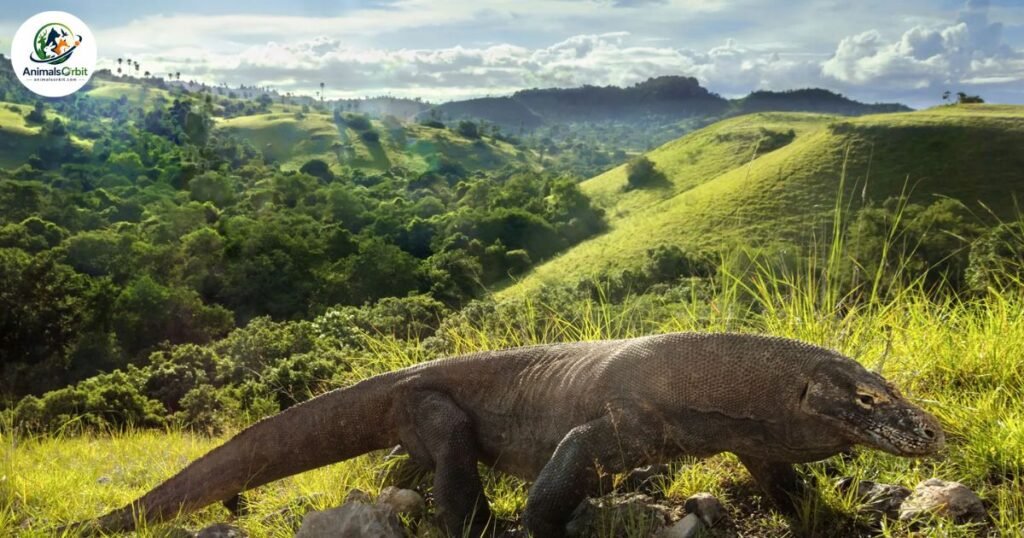
Their claws serve more than one purpose: they help the dragons grip struggling prey, climb rocky terrain, and dig. Together with their size and hunting abilities, these tools make Komodo dragons formidable hunters in their island habitats.
Read May Also: 25 Weird Creatures in the World: Strange Creatures With Amazing Features
American Black Bear
Scientific name: Ursus americanus
Class: Mammalia
Diet: Omnivore
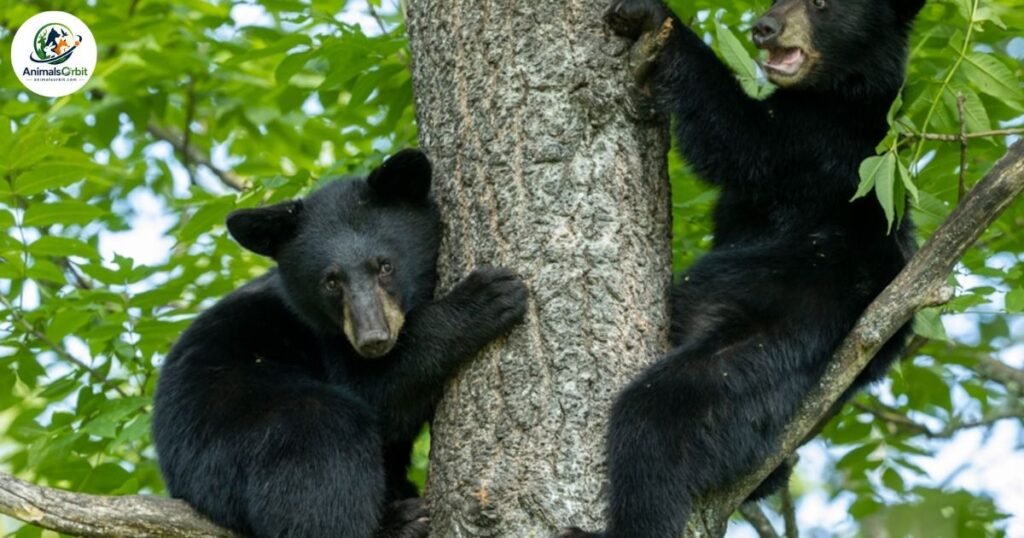
American black bears have sharp, curved claws that help them handle a range of everyday tasks. They use them to dig for hidden food, tear apart logs, and remove tree bark as they search for what lies beneath or within. Those claws also help bears climb trees, where they can reach berries and other food sources. Together, digging, climbing, and pulling apart natural materials give black bears several ways to find food in their surroundings.
Read May Also: Explore Top 25 Most Energetic Animals (With Pictures)
Bald Eagle
Scientific name: Haliaeetus leucocephalus
Class: Aves
Diet: Carnivore
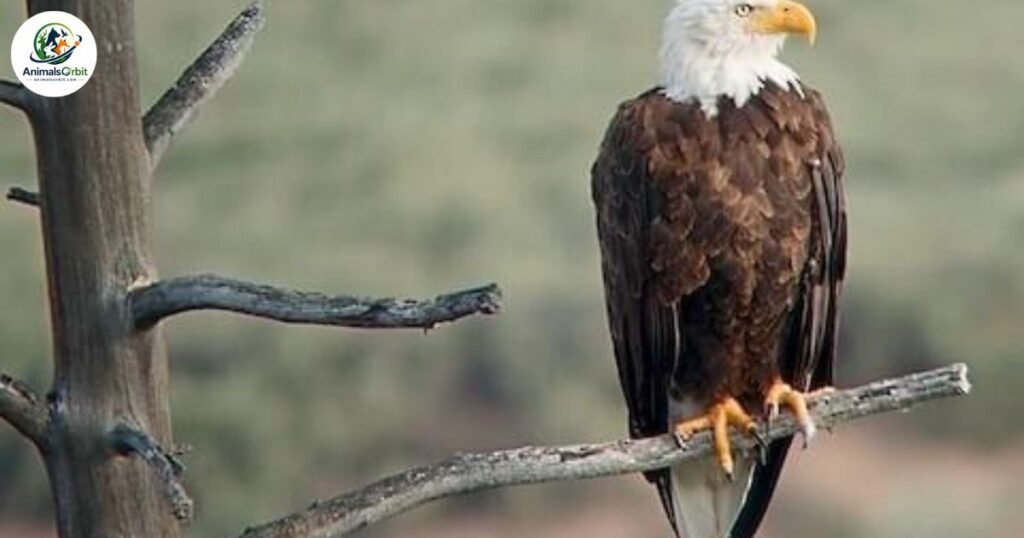
Bald eagles are well equipped for hunting, with sharp talons, a powerful grip, and excellent eyesight that helps them spot prey from a distance. When fishing, they swoop down and use their claws to seize fish, then hold on with a firm grip as they carry their catch away. Their claws can also catch small mammals, giving bald eagles more than one source of food. They adapt to different habitats and food sources, adjusting what they hunt to what is available.
Read May Also: Top 10 Animals Like Mongoose (Pictures Included)
Jaguar
Scientific name: Panthera onca
Class: Mammalia
Diet: Carnivore
Jaguars are equipped with sharp, retractable claws that help them hunt and move through their rainforest habitat. When capturing prey, they use their claws to grab and hold on, while their muscular build and strong grip help them control the struggle.
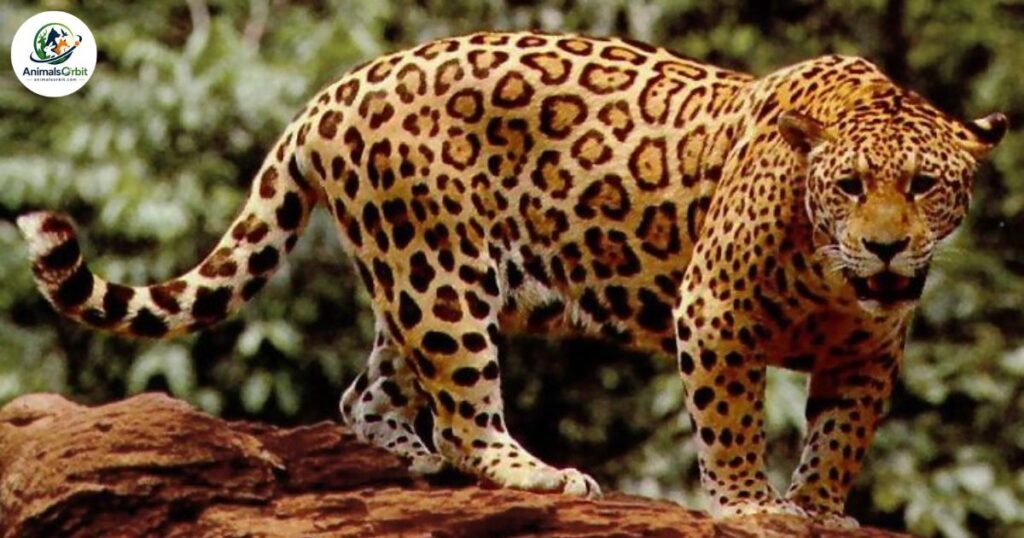
Their claws also provide purchase on tree trunks and branches, supporting their ability to climb and maneuver through dense vegetation. Together, these traits help jaguars move with strength and agility across a complex forest environment.
Read May Also: Facts About Kangaroos: How Strong is a Kangaroo?
Conclusion
Animals with sharp claws are more than striking features: they help animals catch food, climb through their environments, dig for shelter, and defend themselves. These varied uses show how closely wildlife is adapted to the places it lives. Learn about the species native to your area, and support efforts that protect their habitats
FAQs
What Animals are Sharp Claws?
Lions, tigers, eagles, hawks, geckos, and squirrels are examples of animals with sharp claws.
What Animal has the Strongest Claws?
The jaguar is the animal highlighted here for its powerful paws, sharp claws, and strong grip. The brief doesn’t provide comparisons or measurements to confirm it has the strongest claws overall.
Do Lions have Retractable Claws?
Yes. Their claws can retract, helping protect them from wear and keep them sharp.