
Top 10 Animals Like Mongoose (Pictures Included)
A useful clue when identifying animals like mongoose is to look beyond appearance: many are agile hunters adapted to finding food in varied habitats. From slender bodies and sharp senses to diets that can include insects, rodents, or other small animals, these species have traits that may seem familiar while reflecting distinct ways of life. Explore the top 10 animals like mongoose, with pictures and comparisons of their looks, behavior, diet, and habitats and learn how their survival adaptations and ecological roles help shape the places they call home.
List of Animals Like Mongoose
Below is the list of animals that are like Mongoose:
| Number of Animals | Names of Animals Like Mongoose |
| 1 | Meerkats |
| 2 | Weasel |
| 3 | Ferrets |
| 4 | Linsang |
| 5 | Genet |
| 6 | Marten |
| 7 | Stoat |
| 8 | Civets |
| 9 | Mink |
| 10 | Tayra |
Meerkats
Scientific name: Suricata suricatta
Class: Mammalia
Diet: Omnivore
Meerkats are small members of the mongoose family that live in social groups, often called mobs or gangs. Group members work together to find food, care for young, and watch for danger. While others forage, a meerkat may take a raised lookout post as a sentinel, scanning for predators and giving an alarm call if it spots a threat.
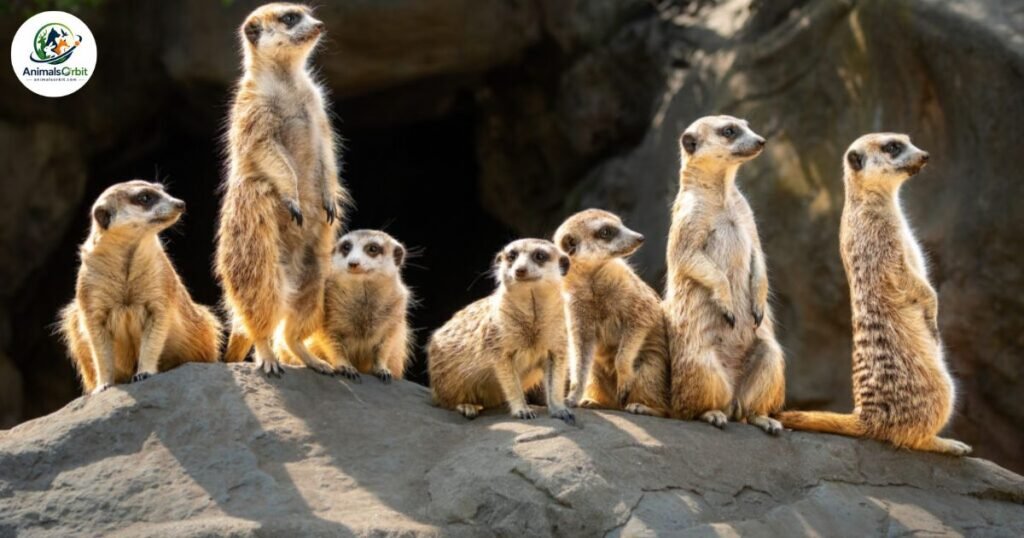
Meerkats use different calls to communicate, including warnings that can help group members respond to danger. Their teamwork can improve the group’s chances of finding food and protecting vulnerable pups, while playful wrestling and chasing help young meerkats practice social interactions. Together, these behaviors make cooperation central to life in a meerkat group.
Weasel
Scientific name: Mustela nivalis
Class: Mammalia
Diet: Carnivore
A weasel’s long, slender body and short legs make it well suited to moving through tight spaces, where it can follow prey such as rodents into burrows. Its agility and hunting skill bring it to mind alongside the mongoose, another quick-moving carnivore. Both rely on sharp senses and fast reactions, though the prey they pursue depends on the species and the local habitat.

Weasels occupy varied habitats, from woodland and grassland to wetland and human-altered landscapes. Their small size makes concealment and escape important defenses: they can slip into cover, retreat into a burrow, or use pungent scent secretions when threatened. Mongooses also depend on alertness and agility, but some species live and forage in groups, whereas animals like weasels are generally solitary. In short, both can survive through speed and awareness, while their social habits and preferred tactics differ.
Ferrets
Scientific name: Mustela putorius furo
Class: Mammalia
Diet: Carnivore
Ferrets are small, slender members of the weasel family, with long, flexible bodies and short legs that help them move through narrow spaces. Pets like mongooses, they are agile, alert predators with sharp senses and teeth suited to catching small prey. Ferrets’ flexible frames and curious, exploratory habits make tunnels, burrows, and other tight spaces especially inviting to investigate.
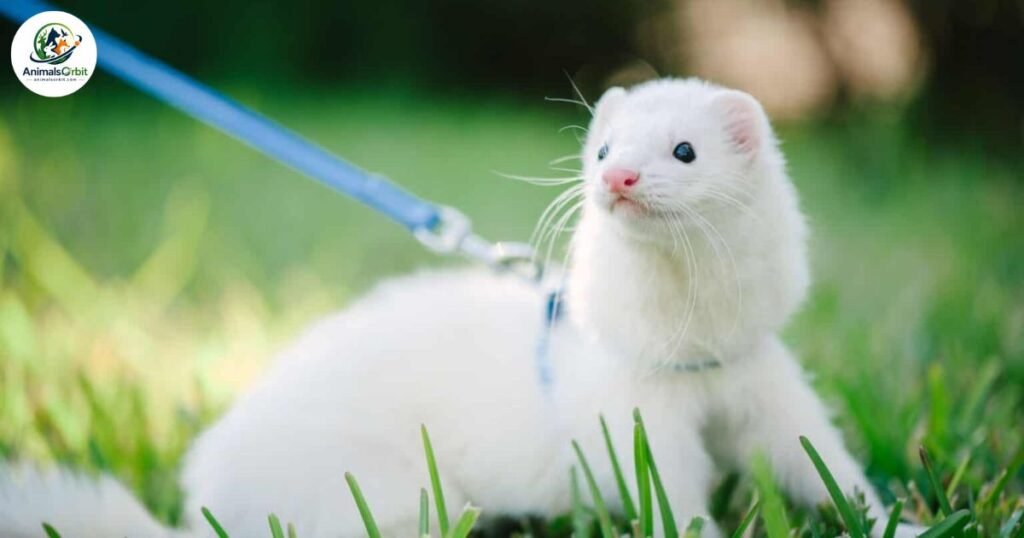
Ferrets are intelligent and playful, and they often enjoy interacting with people or other ferrets. Their hunting instincts remain strong even in domesticated animals, which may stalk, chase, and pounce during play. Ferrets and mongooses belong to different animal families, but both combine agility and keen hunting abilities a useful reminder that similar lifestyles can arise in distinct groups of mammals.
Linsang
Scientific name: Prionodon
Class: Mammalia
Diet: Carnivore
Linsangs may bring mongooses to mind, with their slim, flexible bodies and long tails, but they belong to a different family of carnivorous mammals. Found in forest habitats in parts of Asia and Africa, these agile animals are skilled climbers, using branches and tree trunks to move through the canopy as well as the forest floor.
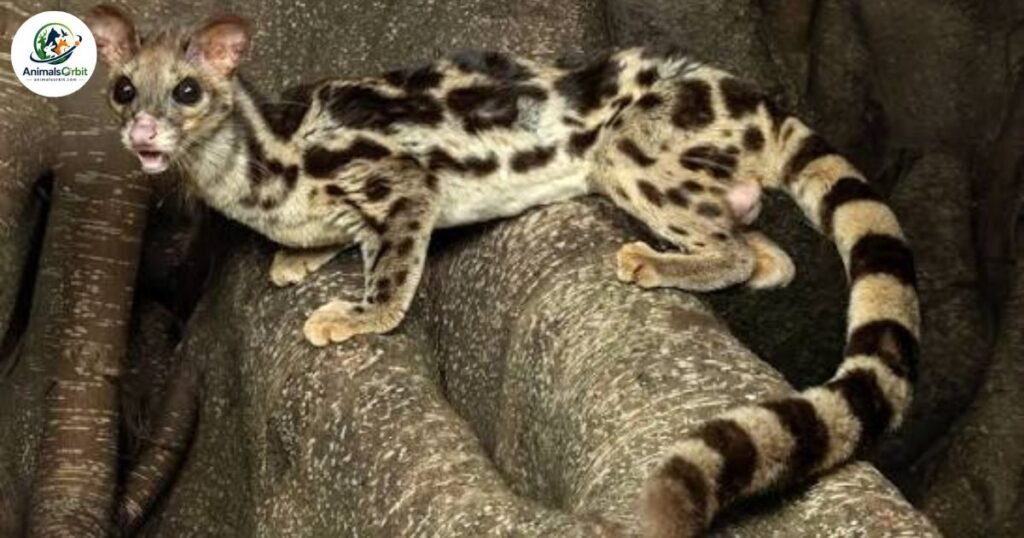
Linsangs hunt by moving quietly and striking quickly, preying on small animals such as rodents, birds, reptiles, and insects. Their sharp senses help them detect prey in dim forest conditions. While they share the mongoose-like shape and meat-eating habits, linsangs are especially associated with climbing and life in treesa distinction that makes them well suited to forest environments.
Genet
Scientific name: Genetta genetta
Class: Mammalia
Diet: Omnivore
Genets may remind you of mongooses, with their slender bodies, pointed faces, and long tails, but they belong to a different family: genets are viverrids, while mongooses are members of the mongoose family. Many genets have spotted coats and ringed tails that help distinguish them from their mongoose relatives in appearance.
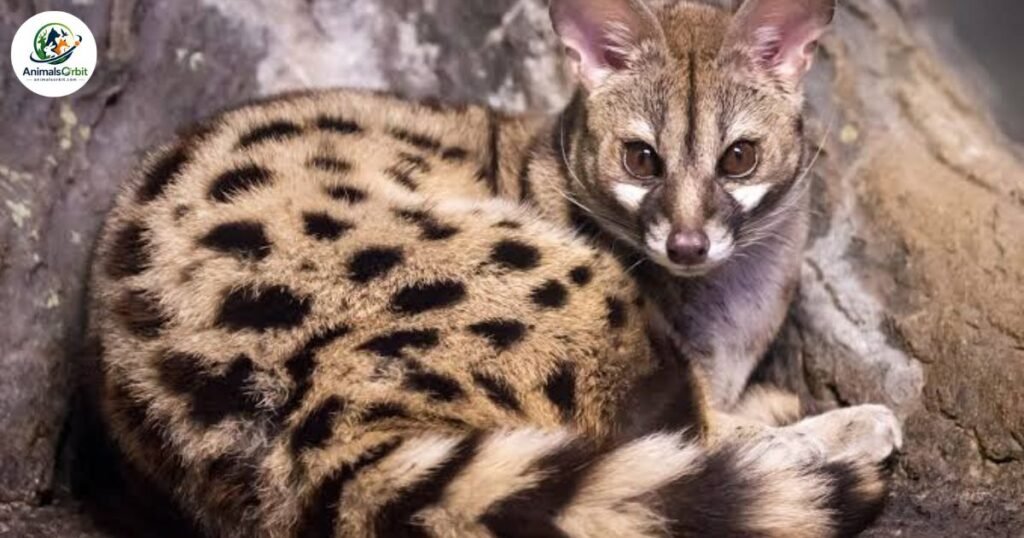
Like mongooses, genets are skilled hunters that eat small animals, including rodents, birds, reptiles, and insects; some also eat fruit. They are generally nocturnal and solitary, and their agility helps them climb trees and explore varied terrain. These shared traits make genes and mongooses easy to compare, even though their ancestry and habits are not identical.
Marten
Scientific name: Martes martes
Class: Mammalia
Diet: Omnivore
Martens are sleek, long-bodied members of the weasel family, with short legs, sharp claws, and bushy tails that help them balance as they climb. Like mongooses, they are agile hunters with flexible bodies and an omnivorous diet, but martens belong to a different mammal family and are especially associated with wooded habitats. Depending on the species, they live in forests ranging from coniferous to mixed woodland, often using trees as well as the forest floor.
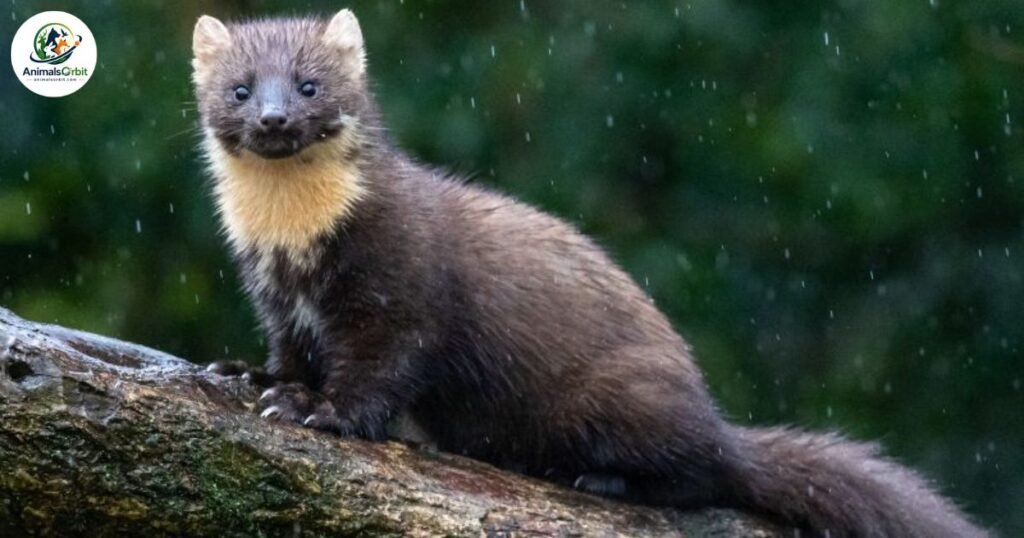
Martens hunt small mammals, birds, insects, and other available prey, and they also eat fruit and berries. Their climbing skill helps them pursue prey through branches and reach nests, while their varied diet lets them take advantage of changing food sources. As both predators and consumers of plant foods, martens play a part in forest food webs and may help disperse seeds when they eat fruit.
Stoat
Scientific name: Mustela erminea
Class: Mammalia
Diet: Carnivore
Stoats are small, slender hunters whose shape and behavior may bring mongooses to mind. Both are quick-moving carnivores, but stoats are mongoose mustelids, while mongooses belong to a separate family. Stoats have brown upper fur and a pale underside, and many develop a white winter coat in colder climates. That seasonal color shift provides camouflage against changing landscapes, while the black tip of the tail remains a recognizable feature.
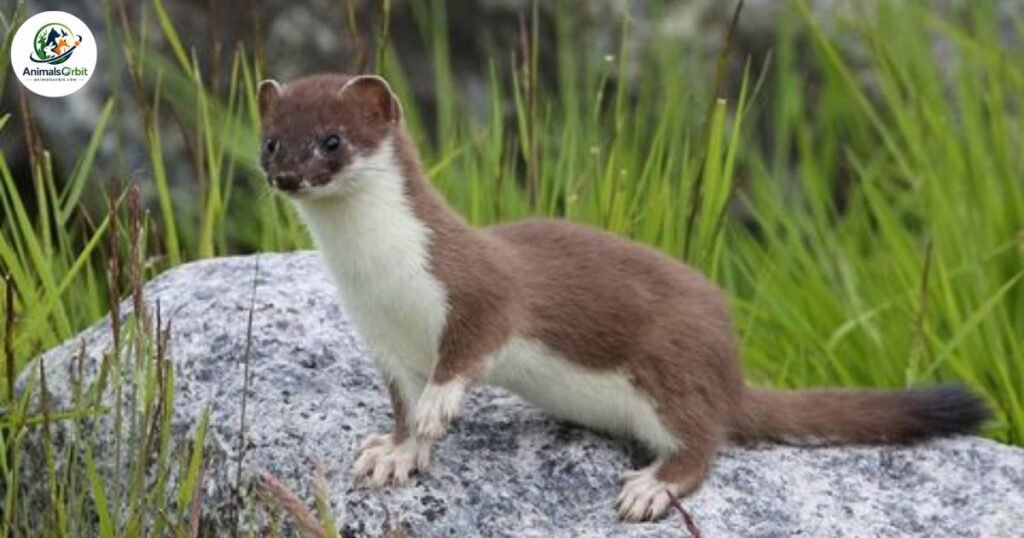
A stoat’s flexible body and agility help it chase prey through vegetation and into narrow burrows. Its diet can include rodents, rabbits, birds, and eggs, and it makes its home in habitats such as woodland, grassland, and farmland. Like mongooses, stoats survive through speed and skilled hunting; unlike many familiar mongoose species, they also rely on seasonal coat changes to blend with snow or summer cover. These adaptations help the stoat thrive across a range of environments.
Read May Also: Explore Top 22 Quiet Animals in the World (With Images)
Civets
Scientific name: Paradoxurus hermaphroditus
Class: Mammalia
Diet: Omnivore
Civets may bring mongooses to mind: both have long, agile bodies and are alert, ground-moving mammals. Civets are not mongooses, though; they belong to a different family and often have distinctive cat-like faces, pointed muzzles, and patterned coats. Depending on the species, they live in habitats such as tropical forests, woodlands, and grasslands across parts of Africa and Asia.
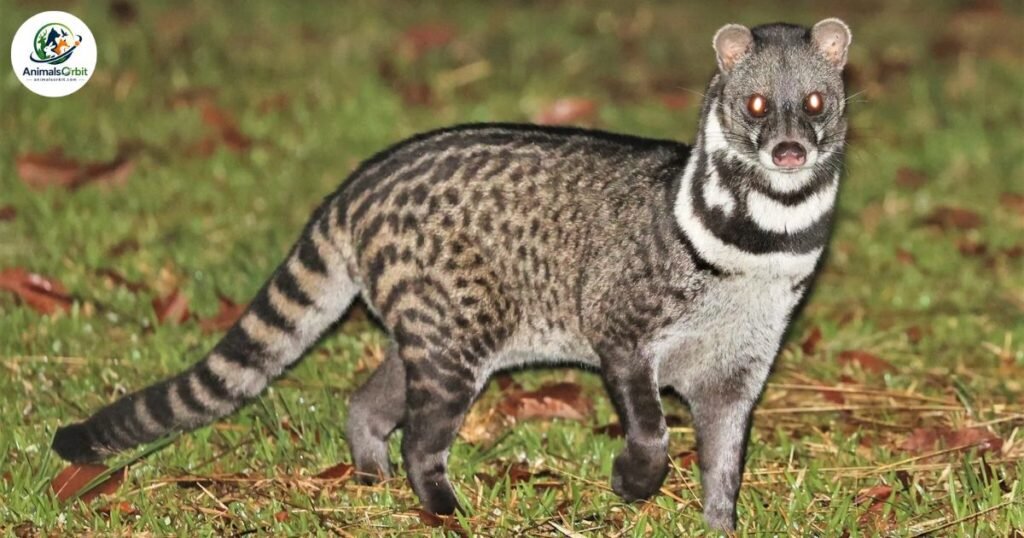
Civets eat a varied diet that can include fruit, insects, and small animals. By eating fruit and passing seeds through their digestive systems, they can help disperse plants. They also use scent from glands to mark territory or communicate, and are mostly solitary. These habits make civets resemble mongooses in their nimble, adaptable lifestyle while setting them apart in family, appearance, and scent-marking behavior.
Read May Also: Explore Top 25 Most Energetic Animals (With Pictures)
Mink
Scientific name: Neovison vison
Class: Mammalia
Diet: Carnivore
Minks are sleek, elongated mammals built for hunting along the water’s edge. Like mongooses, they have flexible bodies, short legs, and sharp teeth suited to catching prey, but they belong to a different family: minks are mustelids, while mongooses are herpestids. Their dense fur helps insulate them, and their partly webbed feet make them capable swimmers and divers.
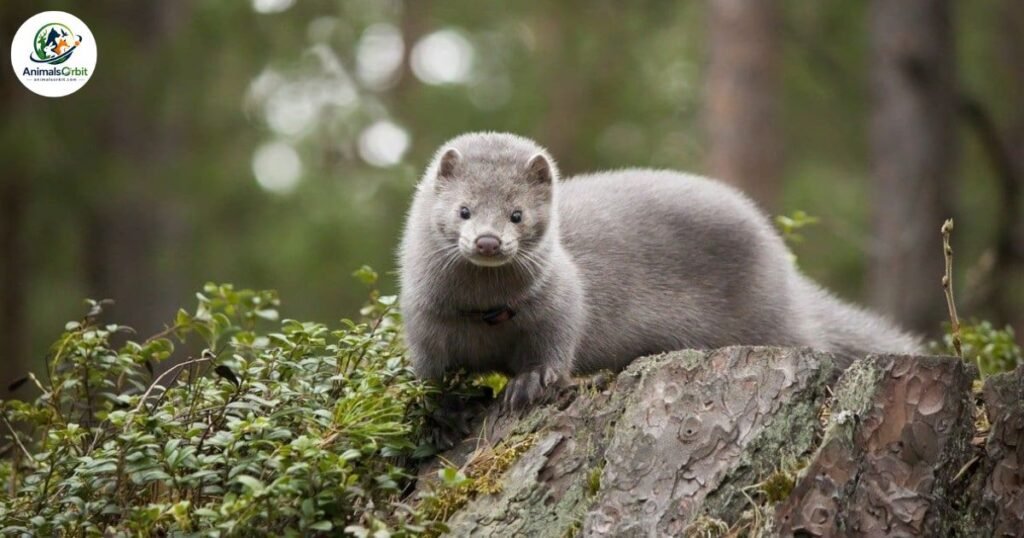
Minks commonly live near rivers, streams, wetlands, and shorelines, where they hunt fish, frogs, crustaceans, birds, and small mammals. They are agile, opportunistic hunters, but unlike many mongooses which often forage on land, minks are especially adapted to pursuing prey in and around water. Minks generally live alone and defend individual territories, coming together mainly to mate.
Read May Also: Explore Top 16 Stubborn Animals (With Images)
Tayra
Scientific name: Eira barbara
Class: Mammalia
Diet: Omnivore
Tayras are sleek members of the weasel family, not mongooses, though their long bodies and alert, mongoose-like appearance invite comparison. They have short legs, rounded ears, and long, bushy tails that help with balance as they climb. Agile in trees and on the ground, tayras can forage across forest layers and move through varied habitats. They are generally solitary, though adults may travel or forage in pairs, and mothers care for their young.

An adaptable diet helps tayras thrive: they eat fruit, insects, small mammals, birds, and other available foods. Their climbing skill, keen senses, and flexible feeding habits make them effective predators and seed dispersers, linking animal and plant communities.
Read May Also: Top 22 Chubby Animals in The World(With Pictures)
Conclusion
Animals like mongooses show how sharp senses, quick reflexes, and flexible hunting strategies help small predators thrive. From working alone to cooperating in groups, these species have evolved behaviors and adaptations suited to their environments and each plays a role in keeping ecosystems balanced. To help protect them, learn which species live in your region and support conservation efforts that preserve their habitats.
FAQs
Which Animal is similar to Mangoose?
The meerkat is a useful comparison because it shares a family with mongooses and has similar physical and social traits.
What other Animals look like a Mongoose?
Meerkats, civets, and genets are named in this comparison. The brief notes have similar body shapes and long tails. It also mentions social behavior and spotted fur. It does not specify which traits apply to each animal.
What does a Mangoose look like?
A mongoose has a slender body, short legs, a pointed snout, and a bushy tail. Fur color and size vary, but specific colors and size ranges are not provided here.