Explore Top 25 Most Energetic Animals (With Pictures)
Energy in the animal kingdom takes many forms: a burst of speed, a long-distance journey, or nimble movement through trees, water, or open air. Explore 25 of the world’s most energetic animals with pictures, and discover what makes each one so active from its physical abilities to the demands of its environment.
List of Most Energetic Animals
Here is the list of energetic animals in the world:
- Pronghorn
- Ants
- Arctic Tern
- Dolphins
- Kangaroos
- Mustang Horse
- Squirrel
- Cheetahs
- Adélie Pengui
- Capuchin Monkey
- Wolf
- Hummingbirds
- Tasmanian Devil
- African Wild Dogs
- Swallow
- Siberian Husky
- Dragonfly
- Shrews
- Sea Otters
- Chimpanzee
- Baby Goats
- Border Collies
- Honeybees
- Jack Russell Terrier
- Squirrel Monkeys
Pronghorn
Scientific name: Antilocapra americana
Class: Mammalia
Diet: Herbivore
The pronghorn is among the world’s most energetic animals, combining speed with exceptional endurance. It can reach speeds of up to 55 mph, while its large nasal passages help it take in oxygen during strenuous movement. Rather than relying on a brief burst of speed alone, the pronghorn can sustain its effort as it moves across open terrain.
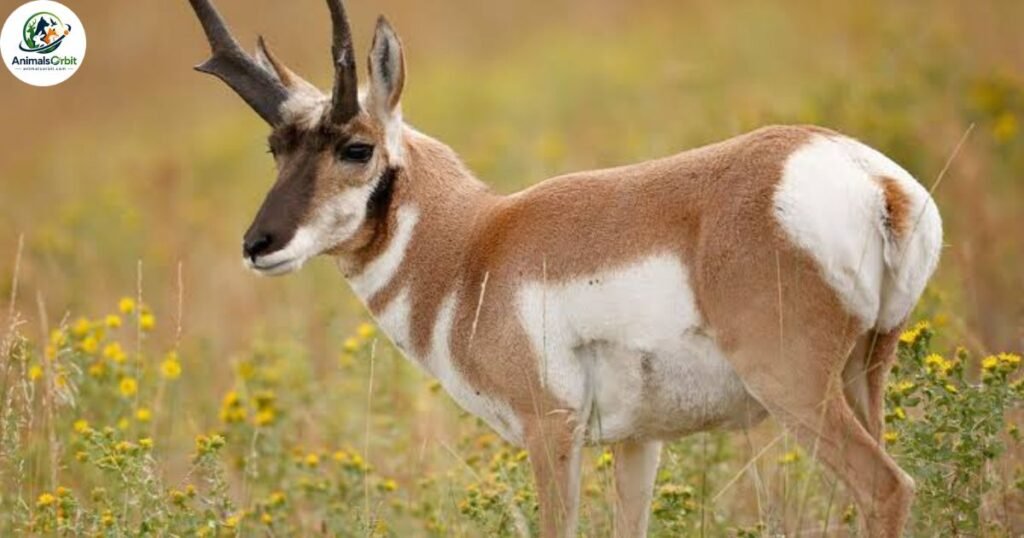
Sharp eyesight helps the pronghorn spot potential predators, giving it a chance to avoid danger by taking flight. Pronghorns also live in herds, where social behavior is part of how they navigate their surroundings. Their blend of keen vision, speed, and stamina makes them remarkably well equipped to stay alert and keep moving.
Ants
Scientific name: Formicidae
Class: Insecta
Diet: Omnivore
Ants are energetic animals whose strength is impressive for their size: they can carry objects many times their own body weight. They also keep going through long, demanding tasks, whether gathering food or maintaining the nest. Their endurance and ability to work together help them make the most of limited resources.

Ants coordinate with pheromones, chemical signals that can mark routes and alert other ants to food or danger. Following these cues, colony members divide tasks and respond collectively to changing conditions. This cooperation, along with their ability to live in a variety of environments, helps colonies survive and thrive.
Arctic Tern
Scientific name: Sterna paradisaea
Class: Aves
Diet: Carnivore
The Arctic tern makes one of the animal kingdom’s longest annual migrations, traveling up to 44,000 miles between its Arctic breeding grounds and the Antarctic. Its streamlined body and strong wings help it fly efficiently over vast stretches of ocean, while navigation skills guide it along a demanding route.
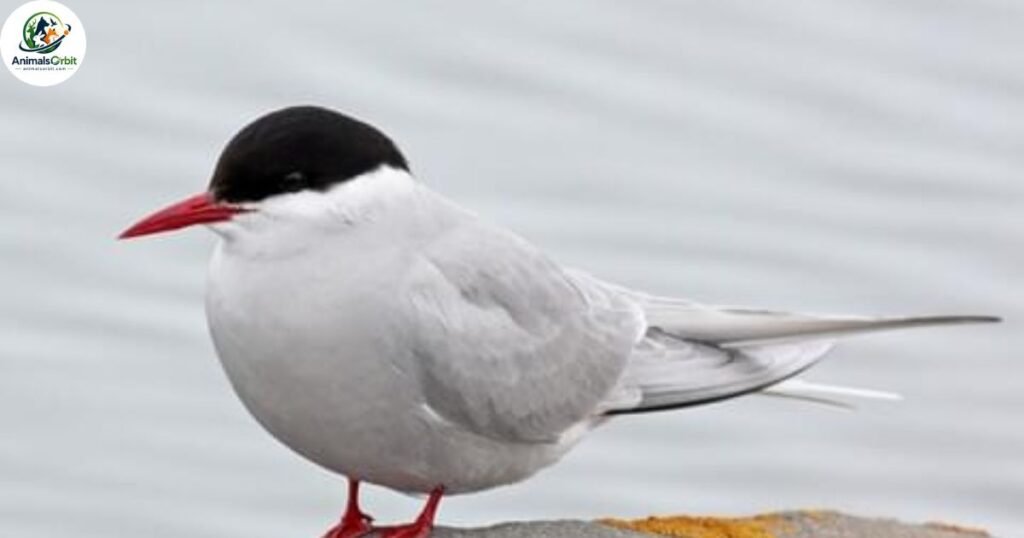
Extended daylight in the polar regions gives the tern more time to travel and find food. Feeding opportunities along the way help sustain the journey, though shifting climate conditions may affect the environments and food sources it depends on.
Dolphins
Scientific name: Delphinidae
Class: Mammalia
Diet: Carnivore
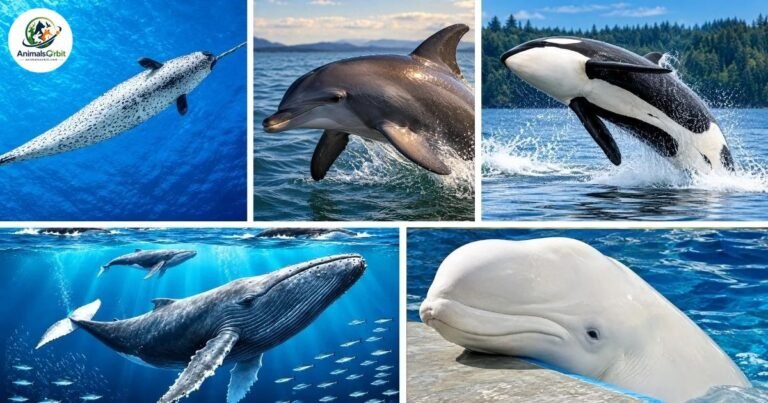
Dolphins are energetic marine animals, darting through the water with remarkable agility and sometimes bursting into playful leaps and spins. Their intelligence is matched by social behavior: they live in groups called pods and use clicks, whistles, and body language to communicate with one another.
These signals help dolphins maintain relationships within the pod and coordinate how they interact, while close social ties can help companions stay connected and support one another. Protecting the waters where dolphins live is essential to preserving the places they depend on.
Kangaroos
Scientific name: Macropus
Class: Mammalia
Diet: Herbivore
Kangaroos are energetic animals built for movement. Their powerful hind legs propel them into impressive leaps of more than 30 feet, while their agility helps them move across varied terrain. These abilities allow them to travel across vast landscapes in search of suitable places to feed and rest.
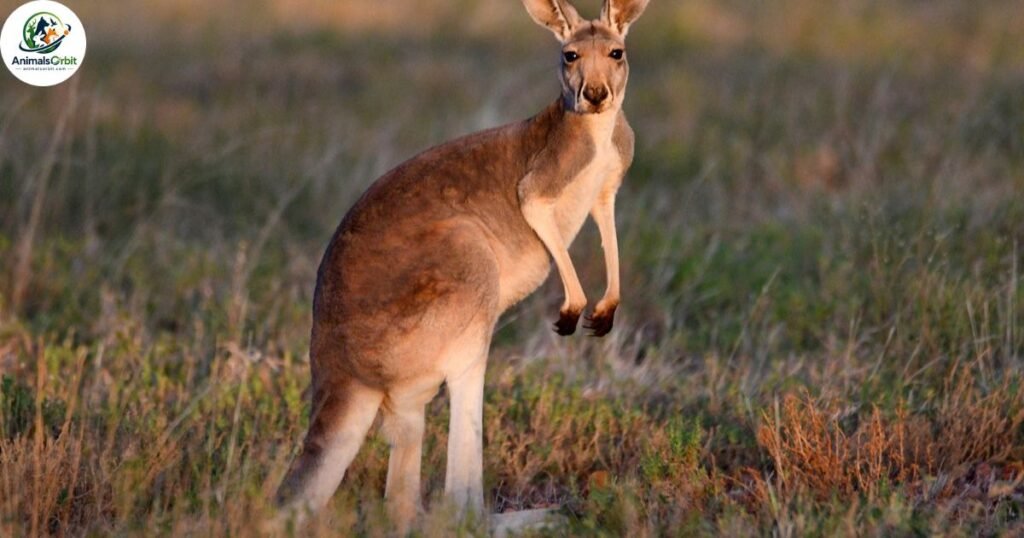
Kangaroos also live in groups called mobs. They use vocalizations and coordinated movements to communicate with one another and help the group stay safe as they move through their surroundings.
Mustang Horse
Scientific name: Equus ferus caballus
Class: Mammalia
Diet: Herbivore
Mustang horses are energetic, athletic animals, known for quick bursts of speed, nimble movement, and the stamina to keep traveling across open terrain. Their powerful gallop helps them cover ground efficiently, while their agility allows them to change direction and navigate uneven landscapes.
That athleticism is part of how Mustangs meet the demands of life in harsh environments. They adapt to changing conditions and make use of the resources available to them, while strong social bonds and herd behavior help horses stay connected and support one another.
Squirrel
Scientific name: Sciuridae
Class: Mammalia
Diet: Omnivore
A squirrel’s lively movements are more than a display of energy: it can scramble through trees and make acrobatic jumps between branches. Squirrels are also intelligent problem-solvers, able to adapt their behavior to different environments.
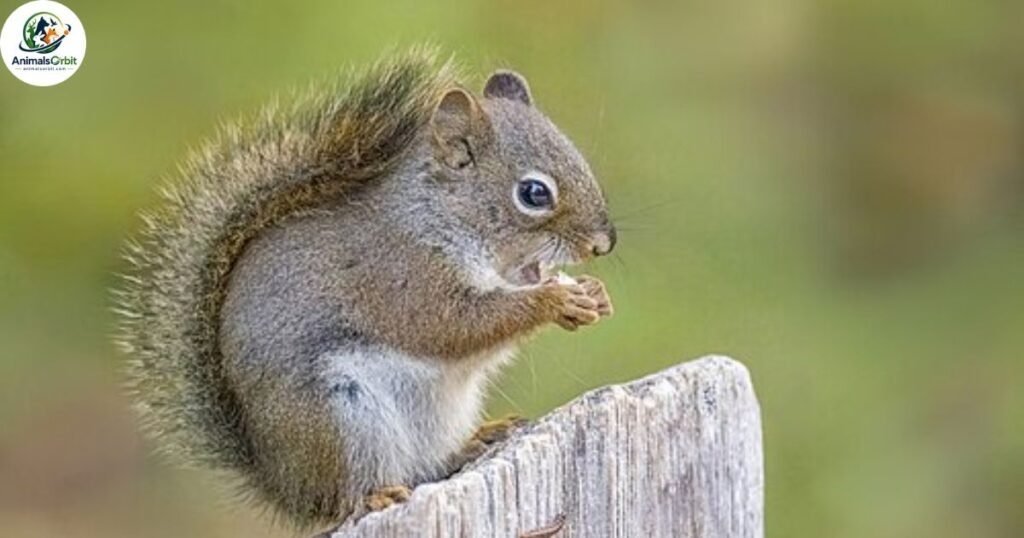
They communicate with chirps and chatter, and their food-gathering habits can benefit the forest around them. By burying nuts and seeds and spreading them to new places, squirrels help give plants a chance to grow.
Cheetahs
Scientific name: Acinonyx jubatus
Class: Mammalia
Diet: Carnivore
Cheetahs are energetic predators built for brief, explosive runs. They can accelerate to 60 mph in just three seconds, powered by a highly capable respiratory system that helps supply their bodies during a sprint. But that speed is suited to short distances: cheetahs have limited endurance and cannot maintain a rapid pace for long.

Their lives also depend on social bonds and care. Mothers raise and protect their cubs, while male siblings may stay together in coalitions. These different forms of cooperation help shape how cheetahs live beyond the sprint.
Adélie Penguin
Scientific name: Pygoscelis adeliae
Class: Aves
Diet: Carnivore
Adélie penguins are energetic swimmers, using their streamlined bodies and powerful flippers to dart through Antarctic waters. They can dive to depths exceeding 500 feet, where they hunt krill and fish with quick, agile movements. Their underwater speed and maneuverability help them search for prey in a demanding environment.
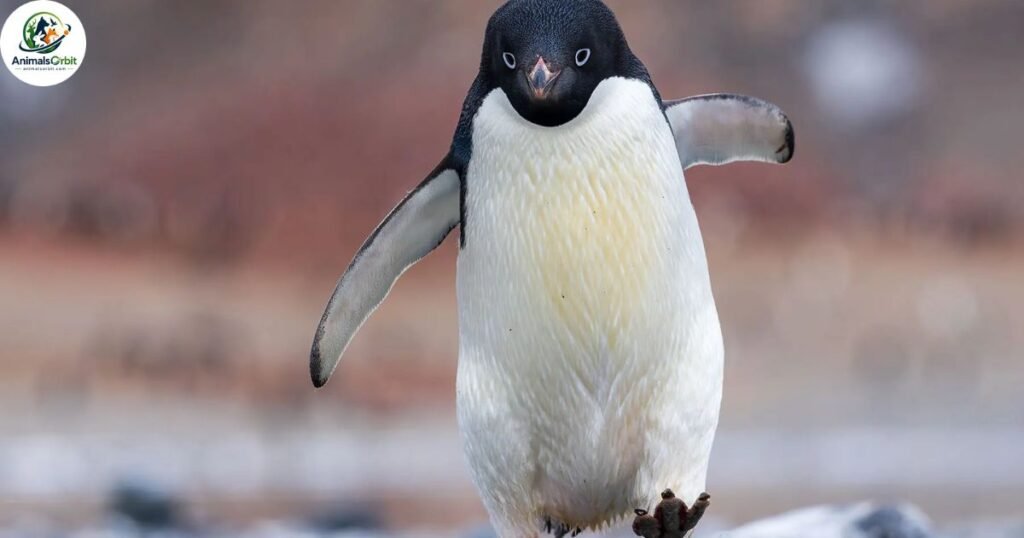
On shore, their activity is just as striking. During courtship, pairs use displays and coordinated movements as they form bonds, then join the busy work of communal nesting colonies. Together, these behaviors make Adélie penguin life a blend of skilled hunting and close social cooperation.
Capuchin Monkey
Class: Mammalia
Diet: Omnivore
Capuchin monkeys bring energy and curiosity to the search for food. They may use stones or other objects to crack open hard foods, and they test different approaches when a task or obstacle stands between them and a meal. Their foraging can involve careful searching, handling and selecting food, and adapting their methods to what is availablepractical skills that reveal both tool use and problem-solving.
That activity unfolds within a social group. Capuchins live in hierarchies, but group life also includes cooperative grooming, which helps maintain bonds. Play, shared attention, and attentive responses to distressed groupmates can further strengthen social ties, showing that their lives involve more than competition over rank or food.
Wolf
Scientific name: Canis lupus
Class: Mammalia
Diet: Carnivore
A wolf’s strength is not only physical: it also comes from its relationships within the pack. Wolves are active animals that cooperate as they move through their territory and face the demands of life in the wild.

Their howls carry messages across distance, helping wolves signal territory, maintain social bonds, and keep in contact with packmates. Along with other vocalizations and signals, howling can help coordinate the group, an important part of working together to survive.
Hummingbirds
Scientific name: Trochilidae
Class: Aves
Diet: Omnivore
Hummingbirds are among the most energetic birds, with rapid wingbeats that let them hover in place and dart with remarkable aerial agility. Their high metabolism demands frequent feeding, so they visit flowers throughout the day and consume nectar as a major source of energy.
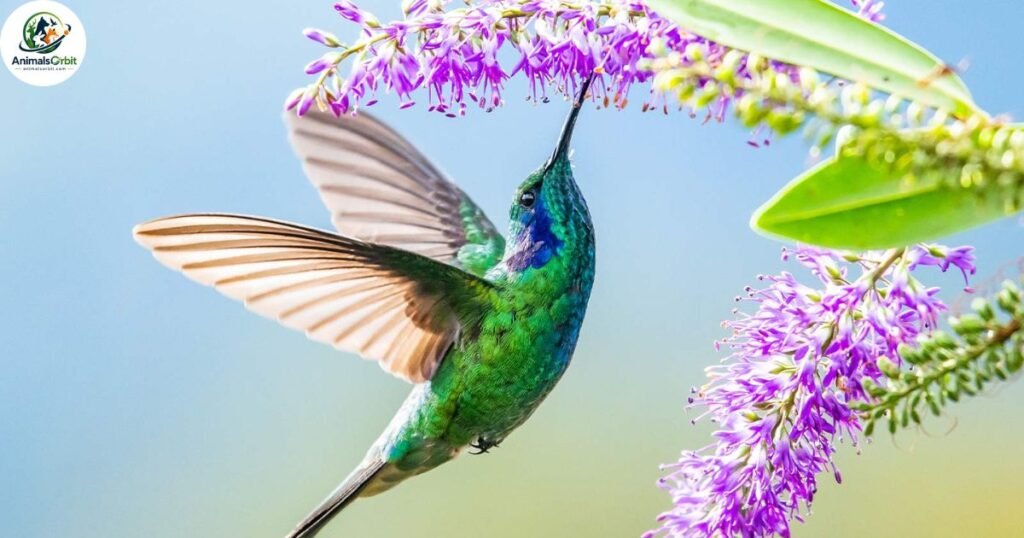
As hummingbirds feed, pollen can cling to their bills and feathers and travel with them to other flowers. This pollination helps plants reproduce and supports biodiversity, connecting the birds’ constant search for nectar with the health of the ecosystems they visit.
Tasmanian Devil
Scientific name: Sarcophilus harrisii
Class: Mammalia
Diet: Carnivore
Tasmanian devils bring remarkable energy to a meal. With strong jaws and teeth, they can consume much of a carcass, including bones, and they often feed vigorously alongside other devils. Despite their stocky build, they can move quickly and nimbly, while their sharp cries, growls, and screeches make feeding gatherings hard to miss.
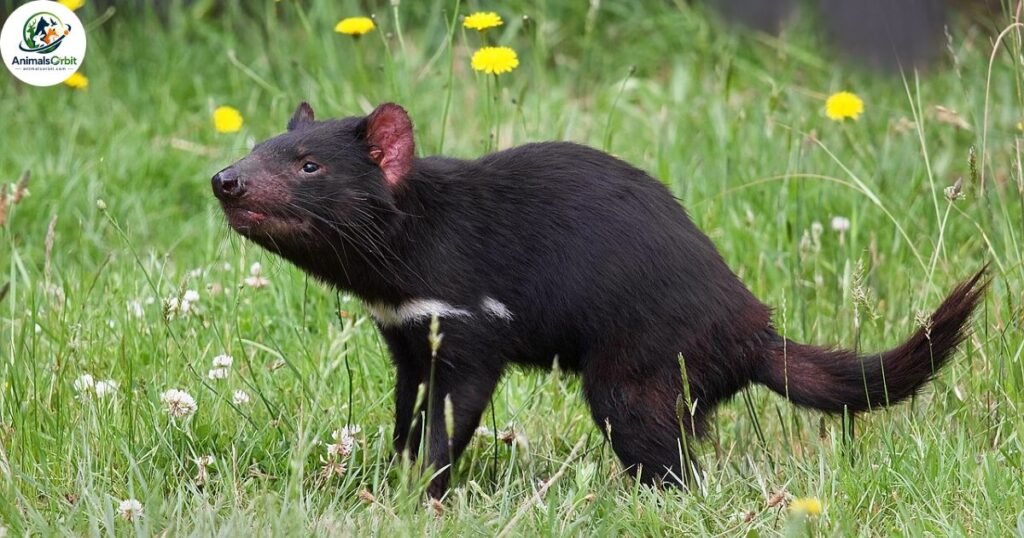
By scavenging carcasses, devils help clear remains from the landscape and return nutrients to the ecosystem. Their survival is threatened by Devil Facial Tumor Disease, a contagious cancer; conservation work includes monitoring wild populations and supporting disease research and management. These efforts are important to the future of one of Tasmania’s most distinctive native animals.
African Wild Dogs
Scientific name: Lycaon pictus
Class: Mammalia
Diet: Carnivore
African wild dogs are energetic, long-distance hunters whose stamina helps them pursue prey across wide stretches of land. Rather than relying on strength alone, they hunt as a coordinated pack, using teamwork to keep up the chase and improve their chances of making a catch.
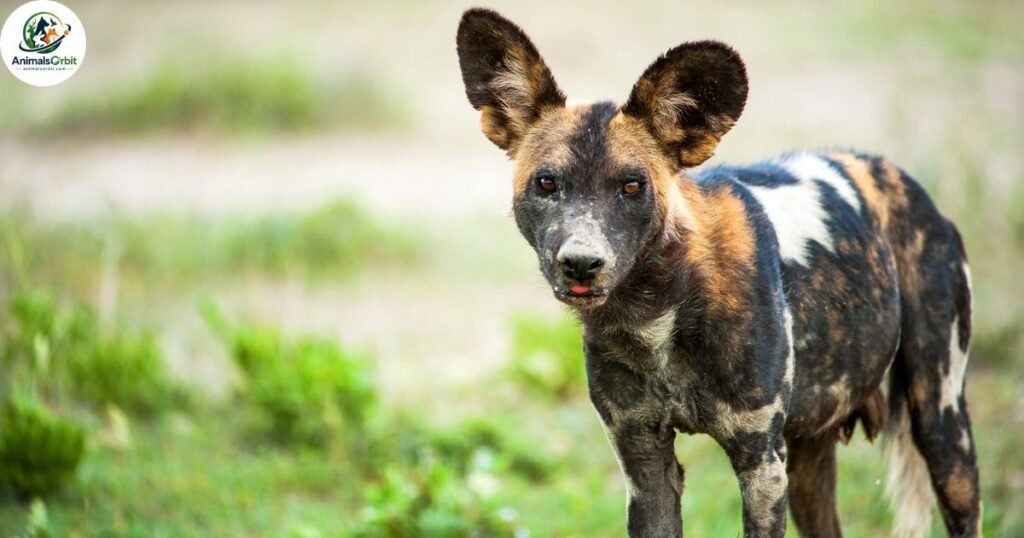
Communication and close social bonds help the pack work together. Members signal to one another, and their playful interactions reinforce relationships beyond the hunt. Habitat loss and conflict with people threaten wild dogs, while conservation efforts focus on protecting habitat and reducing risks where people and wildlife share space.
Swallow
Scientific name: Hirundinidae
Class: Aves
Diet: Insectivore
Swallows are energetic birds built for life on the wing. Their long, pointed wings help them fly swiftly and make sharp turns, swooping and weaving through the air as they pursue flying insects. This agility lets them change direction quickly and catch prey while in flight.
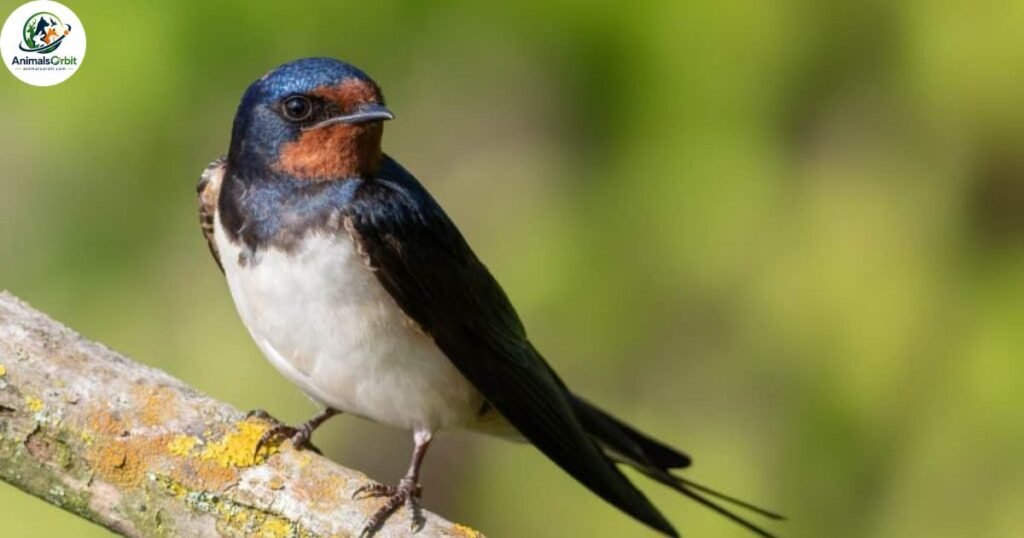
Many swallows also undertake long-distance migrations, traveling between breeding and wintering areas. They use environmental cues to navigate, and their ability to find food in open skies, fields, wetlands, and other habitats helps them adapt to a range of environments. Their aerial skill serves them well across both daily flights and longer journeys.
Siberian Husky
Scientific name: Canis lupus familiaris
Class: Mammalia
Diet: Omnivore
Siberian Huskies are energetic dogs with remarkable stamina and a strong instinct to run. Bred for sled work, they can pull and travel over long distances, so a quick walk may not satisfy their need for regular physical activity.
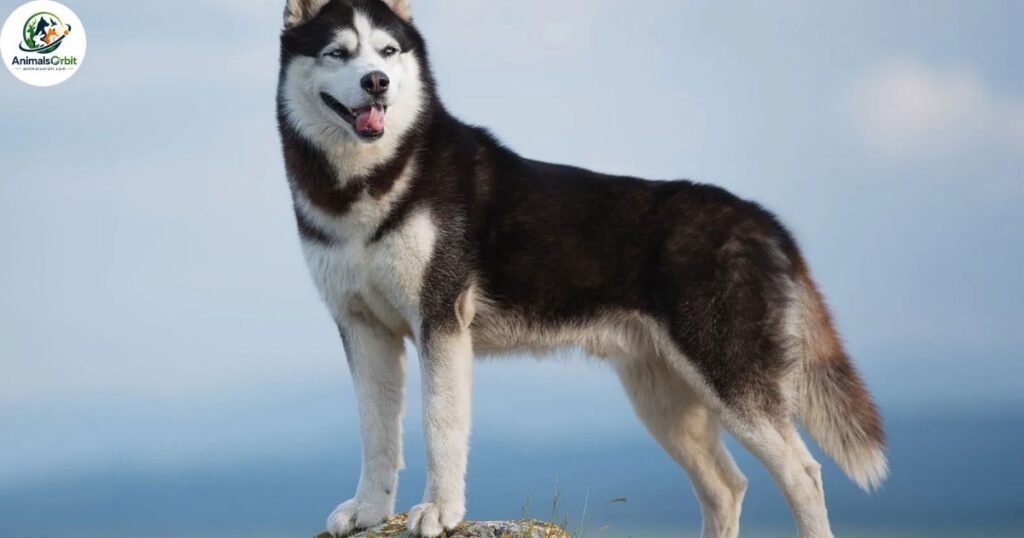
Their intelligence also calls for mental engagement, such as training, games, and opportunities to explore. Huskies are often talkative, using howls and other vocalizations to communicate, and they form strong social bonds with people and other dogs. Meeting their exercise and companionship needs is key to keeping them engaged.
Dragonfly
Scientific name: Anisoptera
Class: Insecta
Diet: Carnivore
Dragonflies are energetic fliers, able to dart at impressive speeds, change direction in midair, and even fly backward. They can also hover in place, giving them time to track movement before making a quick pursuit. This combination of speed and control makes them highly agile aerial hunters.

By catching insects while in flight, dragonflies help keep insect populations in check. Their role as predators contributes to the balance of food webs and supports healthy ecosystems.
Shrews
Scientific name: Soricidae
Class: Mammalia
Diet: Insectivore
Shrews are energetic mammals whose extremely high metabolism keeps them on the move. They need to feed frequently, and their speed and agility help them search for insects and worms while actively hunting among their surroundings.

Some shrews have unusual adaptations that set them apart: certain species use echolocation, while others produce venom. These traits add to the variety of ways shrews are equipped for an active life.
Sea Otters
Scientific name: Enhydra lutris
Class: Mammalia
Diet: Carnivore
A sea otter’s day can shift quickly from lively swimming to careful tool use. Floating on its back, it can balance a rock on its chest and use it to crack open shellfish. Otters are also playful and agile in the water, moving with ease as they dive and surface.

Those feeding habits matter to the coastal ecosystem: sea otters eat sea urchins, helping limit grazing pressure on kelp forests. Their lives are social, too. Otters may gather to rest in close company, with grooming and contact helping maintain bonds. Together, their foraging and social behavior make them distinctive residents of the nearshore environment.
Chimpanzee
Scientific name: Pan troglodytes
Class: Mammalia
Diet: Omnivore
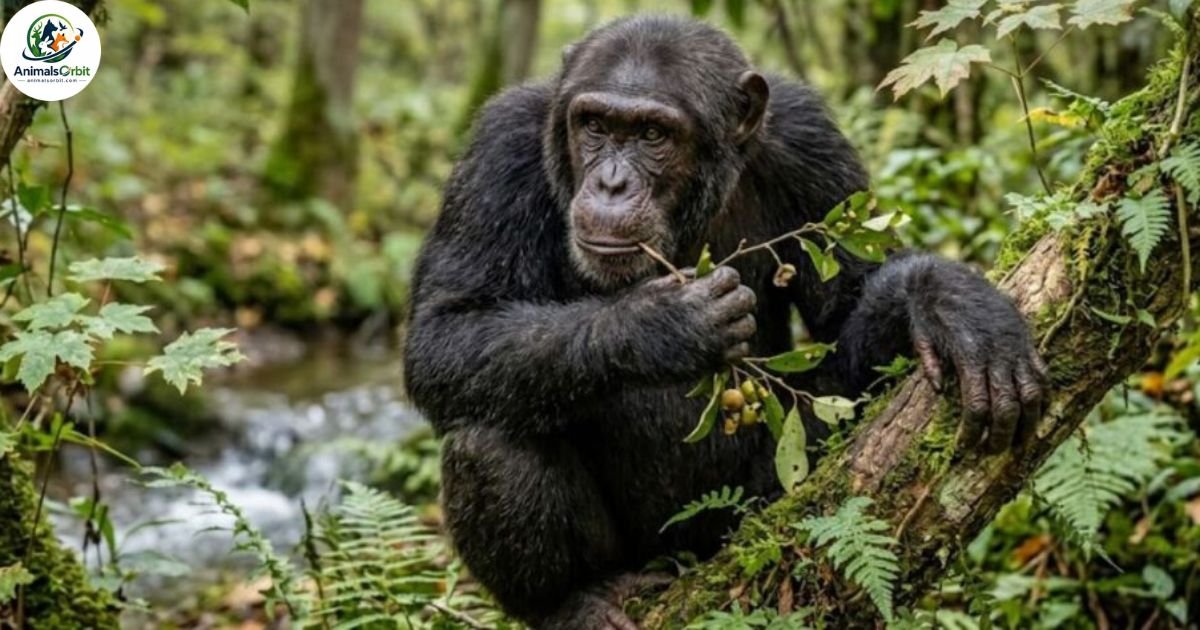
Chimpanzees bring lively energy to their surroundings. They climb with ease, swing from branches, and turn play into a regular part of life chasing, wrestling, and exploring with one another. Their curiosity and intelligence show in how they investigate their environment and adapt their actions to the moment.
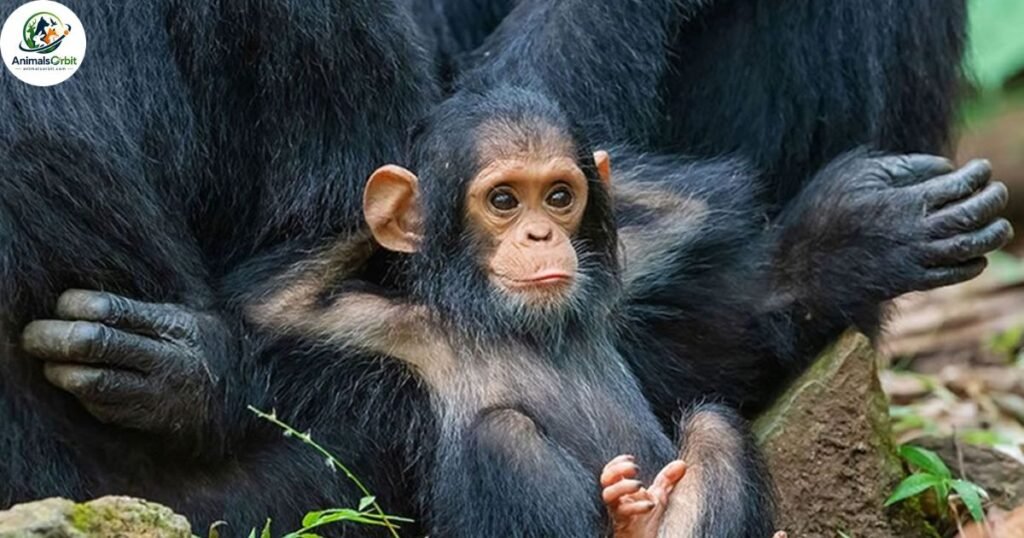
That activity unfolds within a social world. Chimpanzees use calls, gestures, facial expressions, and posture to communicate, while cooperation helps them coordinate shared tasks. These daily exchanges reinforce strong community bonds, making social life as central to a chimpanzee’s routine as climbing and play.
Baby Goats
Scientific name: Capra aegagrus hircus
Class: Mammalia
Diet: Herbivore
Baby goats are energetic explorers, often bouncing into playful jumps, scrambling onto rocks or low platforms, and investigating whatever catches their attention. Their nimble movements help them navigate uneven ground, while climbing and leaping give them plenty of ways to practice coordination as they explore.
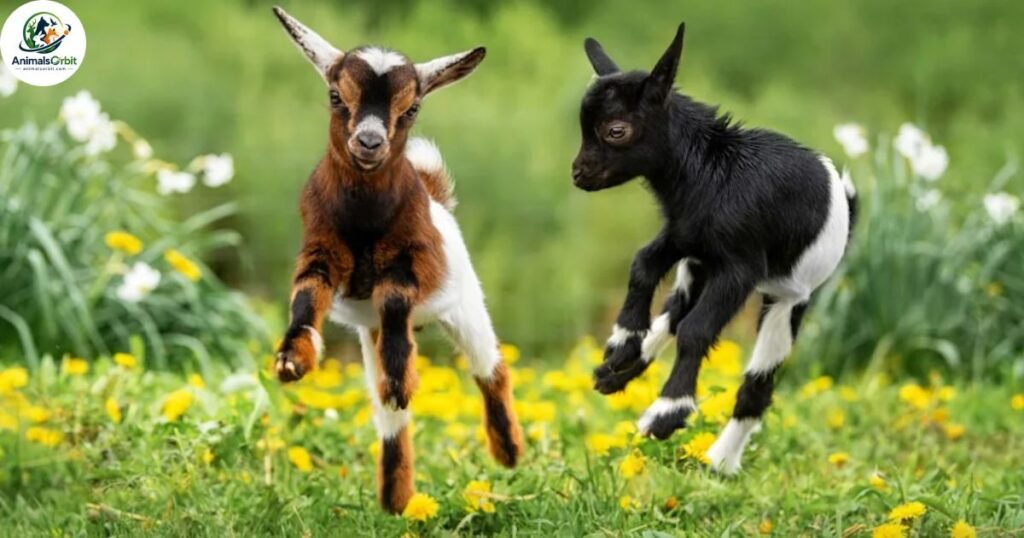
Play is often shared: young goats chase, nudge, and hop alongside one another, building familiarity through repeated interactions. Bleats and other playful exchanges help them communicate as they spend time together, strengthening the bonds that make group life rewarding.
Border Collies
Class: Mammalia
Diet: Omnivore
A Border Collie needs more than a quick run to stay engaged: this energetic breed benefits from both physical activity and mental challenges. Bred for herding, Border Collies are quick and agile, with instincts that encourage them to notice movement and respond promptly.

They often learn new tasks quickly and use problem-solving skills to work out what is expected. Dog sports offer one way to engage their intelligence and athleticism, while training and other purposeful activities can help keep their busy minds occupied.
Read May Also: 25 Weird Creatures in the World: Strange Creatures With Amazing Features
Honeybees
Scientific name: Apis mellifera
Class: Insecta
Diet: Herbivore
Honeybees keep busy, making frequent trips from their hive to flowers and back. Their rapid wingbeats carry them from bloom to bloom, where pollen can cling to their bodies and be transferred to other flowers. In this way, their everyday foraging supports plant reproduction and helps sustain ecosystems.
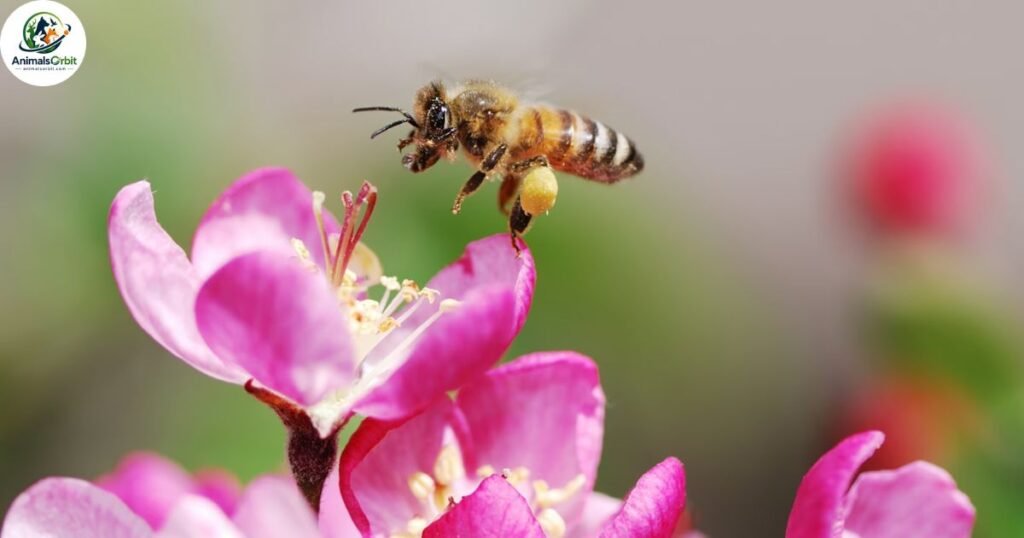
Their teamwork extends beyond collecting food. Through the waggle dance, a honeybee communicates information about the direction and distance of a food source, guiding other bees toward it. Together, these coordinated efforts make honeybees valuable pollinators and contributors to biodiversity.
Read May Also: Top 15 Animals That Sleep the Most: Hours of Sleep Revealed
Jack Russell Terrier
Class: Mammalia
Diet: Omnivore
Jack Russell Terriers are energetic, athletic dogs built for an active routine. Their agility and curiosity often show in the way they explore, play, and stay ready for their next challenge. Regular opportunities for movement and interactive play can help channel that lively nature.

Their intelligence and problem-solving skills also mean physical exercise is only part of the picture. Training games, new cues, and other forms of mental stimulation give them a constructive outlet for their attention. Consistent training and early, positive socialization help them navigate everyday situations and make the most of an active life with their people.
Read May Also: Top 15 Animals Like Groundhogs With Pictures and Facts
Squirrel Monkeys
Scientific name: Saimiri
Class: Mammalia
Diet: Omnivore
Squirrel monkeys are energetic primates, darting through the trees with quick, agile movements. They climb with ease and make impressive leaps between branches, while playful chases and lively interactions keep their days in motion.

Their activity is part of a social life that supports survival. Living in troops gives squirrel monkeys company and opportunities to cooperate; vocal communication helps them stay connected, while teamwork and social bonds strengthen the group.
Read May Also: Explore Top 22 Quiet Animals in the World (With Images)
Conclusion
From sprinting across open ground to navigating trees and oceans with remarkable agility, the world’s most energetic animals show how movement can be essential to survival. Their speed, stamina, and daily activity help them find food, avoid danger, and shape the ecosystems around them. Protecting these animals starts with protecting the places they depend on. Learn about a local habitat initiative or support a conservation group working to keep wildlife spaces healthy.
FAQs
What is the most energetic animal on Earth?
Its extremely high metabolism, frequent need to feed, rapid heartbeat, and active behavior all contribute to its reputation as one of Earth’s most energetic animals.
Which energetic animal has the best stamina?
It combines impressive running speed with the endurance to cover long distances.
Can an energetic animal make a good pet?
Yes if you can provide daily activity, mental stimulation, proper care, and companionship. Border Collies, ferrets, budgies, and chinchillas are examples of animals whose needs should be considered before choosing a pet.
What are the Most Energetic Animals in the World?
Some of the most energetic animals include cheetahs, hummingbirds, pronghorns, sled dogs, dolphins, kangaroos, and ostriches. Each shows energy differently, through explosive speed, long-distance endurance, or a very high metabolism.
What are the Top 10 Most Energetic Animals in the World?
The top 10 most energetic animals are the hummingbird, cheetah, pronghorn antelope, sled dog (Husky), dolphin, kangaroo, ostrich, Arctic tern, shrew, and Border Collie. They are known for speed, endurance, or an extremely fast metabolism.