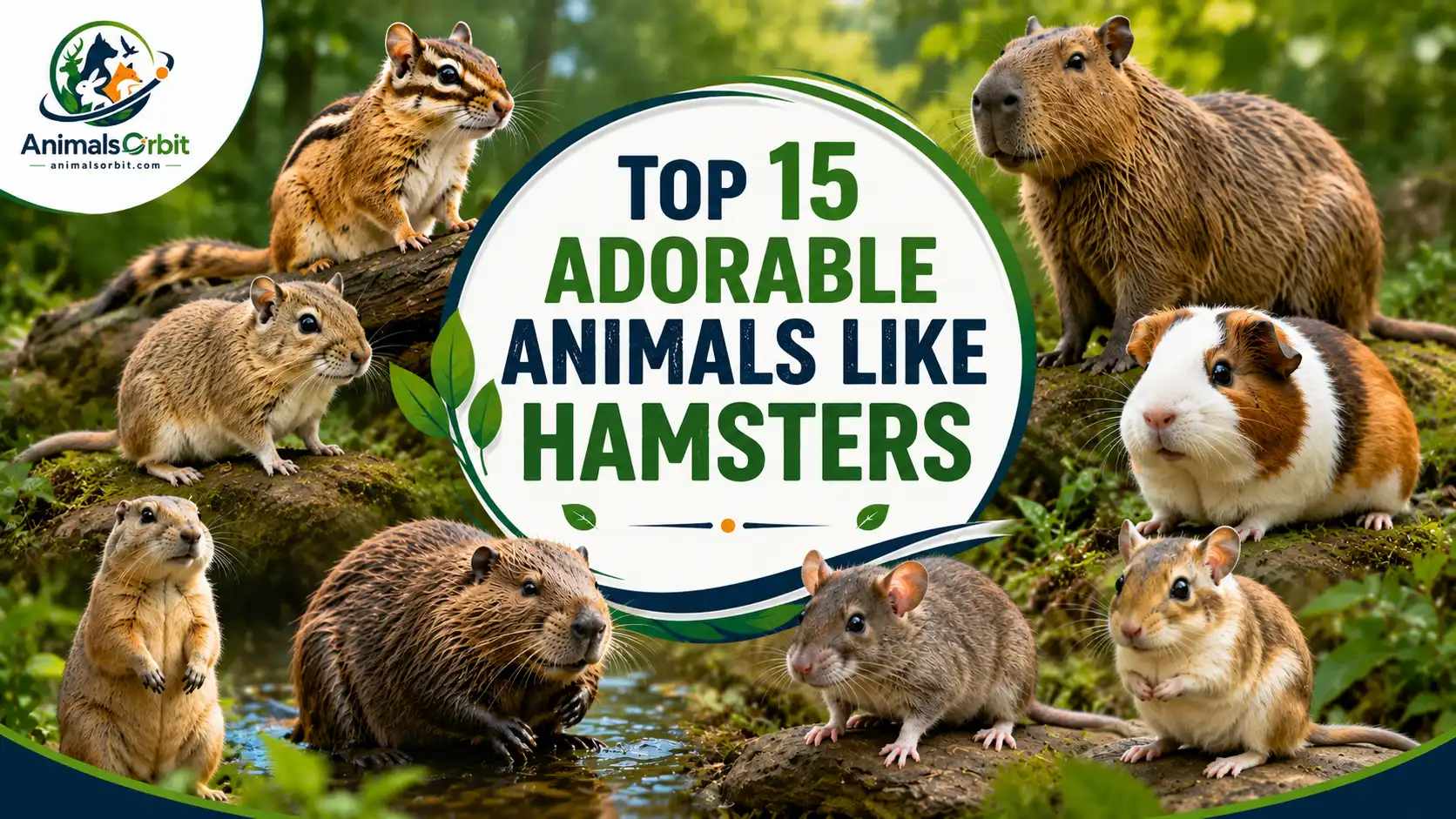
Top 15 Adorable Animals Like Hamsters From Around the World
If you think hamsters are the cutest small pets out there, prepare to have your mind changed! There’s a whole world of animals like hamsters that can make fantastic pets, each with its own set of quirks and charm.
We’ll showcase the top 15 alternatives, complete with pictures that capture their adorable essence. Whether you’re a long-time pet owner or considering your first furry friend, you’re bound to find inspiration here!
List of Top 15 Animals Like Hamsters
Hamsters are adorable little rodents known for their tiny bodies, soft fur, and playful personalities. They are not the only small animals with these characteristics. Many creatures, including chipmunks, gerbils, guinea pigs, chinchillas, and voles, share similar traits, such as compact bodies, burrowing habits, and active lifestyles.
Let’s explore the top 15 animals that resemble hamsters and discover the unique features that make each one special.
- Degu
- Chipmunk
- Vole
- Capybara
- Guinea Pig
- Prairie Dog
- Beaver
- Rat
- Gerbil
- Dormouse
- Mouse
- Chinchilla
- Squirrel
- Lemming
- Pika
Degus
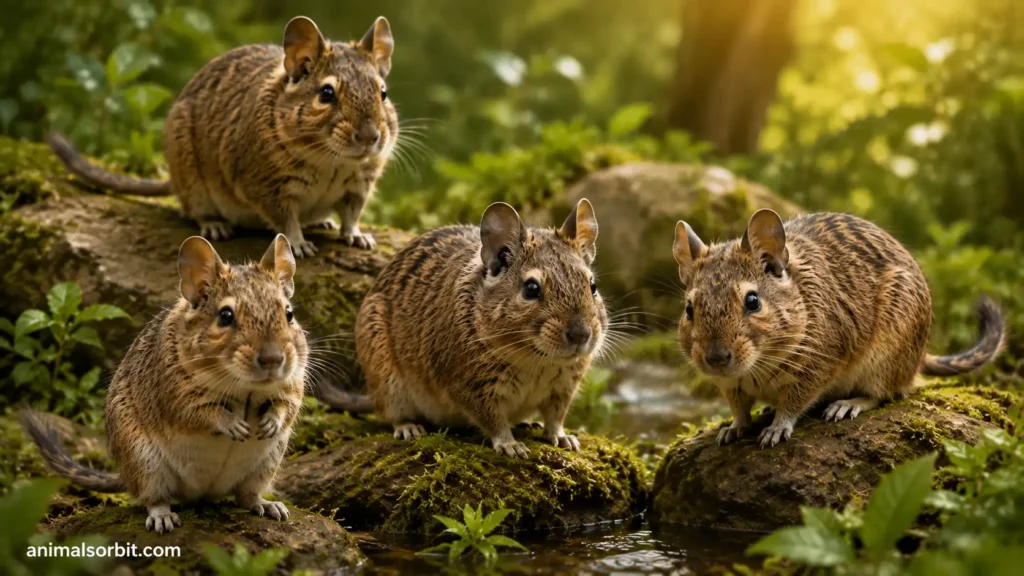
- Scientific Name: Octodon degus
- Class: Mammalia
- Diet: Herbivore
Degus, charming little rodents native to Chile, boast a distinct golden-brown fur with a lighter underbelly. These social animals thrive in rocky terrains and shrublands, displaying lively behaviors that include burrowing and climbing.
Their highly interactive nature makes them reminiscent of animals like hamsters, but they possess unique traits that set them apart.
To adapt to their arid environment, degus have developed strong, flexible wrists allowing them to navigate rocky surfaces and forage efficiently. Their fiber-rich diet predominantly consists of grasses, seeds, and herbs, with a particular fondness for certain types of dry grass that keeps their digestive systems happy.
Fun Facts:
- Degus are social creatures and often live in colonies of up to 10 individuals in the wild, fostering strong community ties.
- They have an impressive lifespan of about 6 to 8 years when properly cared for in captivity.
- Unlike many rodents, degus are diurnal, meaning they are most active during the day.
- Their incisors continue to grow throughout their lives, requiring them to gnaw on various materials to keep their teeth in check.
- Degus are known for their playful antics, often engaging in chase games and climbing adventures, making them a joy to observe.
- These enthusiastic diggers create extensive burrow systems, reflecting their natural instincts and need for exploration.
Chipmunks
- Scientific Name: Tamias
- Class: Mammalia
- Diet: Omnivore
Chipmunks are small, lively rodents characterized by their striped backs and bright, curious eyes. Typically found in North America, they thrive in varied habitats from forests to gardens where they expertly navigate through tall grasses and shady underbrush.
Known for their playful antics, chipmunks exhibit a blend of solitary and social behaviors, often busily gathering and hoarding food. Adaptations have made chipmunks uniquely suited for survival. Their impressive climbing abilities allow them to escape predators by darting up trees and balancing effortlessly along branches.
Equipped with flexible wrists, they can navigate their arboreal homes while their omnivorous diet, primarily seeds, nuts, and fruits ensures they remain well-fed year-round.
Fun Facts:
- Chipmunks have cheek pouches that can expand to hold up to two tablespoons of food, allowing them to transport snacks back to their burrows.
- They are primarily diurnal, meaning they are most active during the day, engaging in foraging and sunbathing.
- Unlike many rodents, chipmunks can hibernate, although they usually stay awake during winter, periodically venturing out to gather food.
- These creatures can make over 20 different vocalizations, including chirps and clicks, which helps them communicate with one another.
- Chipmunks play a crucial role in their ecosystems by dispersing seeds, contributing to forest regeneration.
- Despite their small size, they can eat twice their body weight daily when conditions are right perfect for animals like hamsters!
Vole
- Scientific Name: Microtus
- Class: Mammalia
- Diet: Omnivore
Voles are small, stocky rodents often mistaken for mice, characterized by their short tails and rounded faces. Commonly found in fields, meadows, and wetlands, these creatures are social, living in colonies that can number in the hundreds.
They are primarily nocturnal and are known for their quick movement and burrowing behavior, creating extensive tunnel systems beneath the surface.
Adapted to thrive in various environments, voles have strong front legs and powerful claws that aid in digging and foraging for food. While they are primarily herbivores, their diet can also include small insects or seeds, showcasing their opportunistic feeding habits.
Fun Facts:
- Voles breed rapidly, with females capable of having up to five litters a year.
- Their social nature means they often engage in cooperative behaviors, sharing burrows and foraging territories.
- A favorite snack for many predators, voles play a crucial role in the food chain, supporting species from hawks to foxes.
- Voles communicate through a combination of vocalizations and scent marking, ensuring their colonies remain cohesive.
- Some species can jump surprisingly high when threatened, an adaptive response to evade predators.
- Unlike hamsters, which are solitary, voles thrive in familial groups, displaying nurturing behaviors towards their young.
Capybara
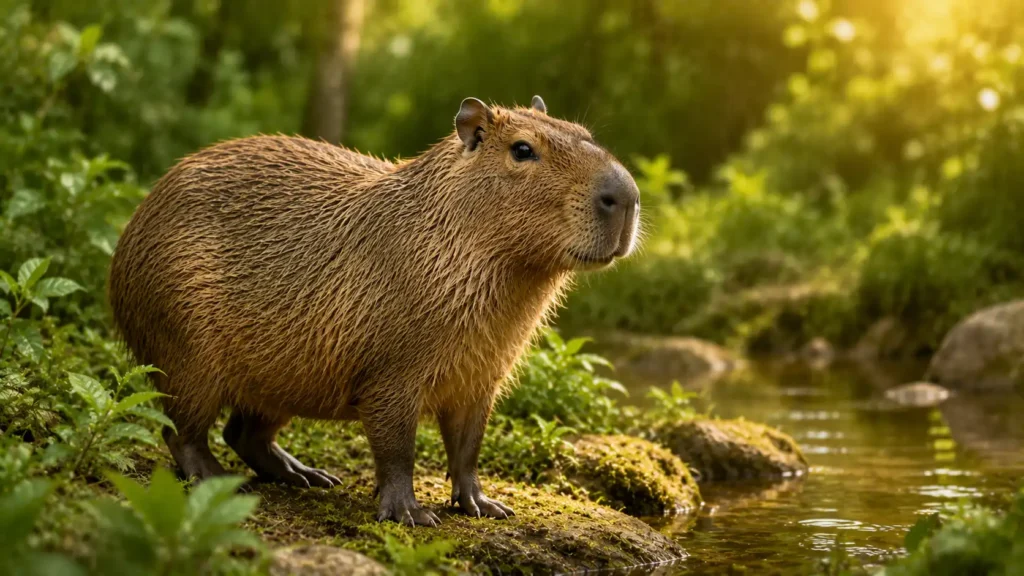
- Scientific Name: Hydrochoerus hydrochaeris
- Class: Mammalia
- Diet: Herbivore
Capybaras, the largest rodents in the world, boast a robust, barrel-shaped body covered in coarse brown fur and a large, blunt head. These gentle creatures primarily inhabit tropical savannas and dense forests in South America, thriving near water sources like lakes and rivers, which are crucial for their semi-aquatic lifestyle.
In terms of adaptation, capybaras are quite remarkable. Their webbed feet make them excellent swimmers, allowing them to evade predators while foraging for grasses and aquatic plants. Their remarkable ability to submerge themselves almost entirely underwater only leaving their nostrils exposed helps them remain hidden from danger.
Fun Facts:
- Capybaras can weigh between 77 to 146 pounds, making them quite hefty for rodents.
- They possess large, incisive teeth that continuously grow, requiring them to chew on fibrous plants to wear them down naturally.
- These creatures are often seen basking in the sun or lounging in the water, highlighting their relaxed approach to life.
- Capybaras are incredibly social and can be found living in groups of 10 to 20, sometimes even more.
- Their diet is primarily grass, but they also eat fruits and vegetables, making them herbivorous creatures in more ways than one.
- Capybaras are known to befriend animals of various species, including birds and monkeys, showcasing their gentle and amiable nature.
Guinea Pigs
- Scientific Name: Cavia porcellus
- Class: Mammalia
- Diet: Herbivore
Guinea pigs, known for their adorable round bodies and gentle demeanor, are social creatures that thrive in grassy habitats, such as fields and meadows. With an abundance of fur in a variety of colors and patterns, these small mammals exhibit endearing traits, including soft chirps and playful interactions that endear them to pet owners and scientists alike.
What makes guinea pigs truly fascinating is their adaptability. Unlike many small rodents, they possess a unique digestive system that allows them to efficiently process fibrous grasses, making them bamboo-like in their herbivorous diet.
Their robust teeth are designed for constant chewing, ensuring they can maintain healthy wear while consuming a diet rich in greens and hay a critical component of their survival strategies.
Fun Facts:
- Guinea pigs can live for 4 to 6 years, with some reaching up to 8 years with proper care and diet.
- They are highly social animals and thrive best when kept in pairs or small groups, similar to small animals like hamsters.
- Guinea pigs have a unique vocal range, producing sounds like wheeks, purrs, and even chirps to communicate with each other and their human companions.
- Unlike other rodents, guinea pigs don’t gnaw on things constantly, as their teeth grow at a consistent rate and need constant wear from their diet.
- They are naturally curious and require mental stimulation, making toys and interaction important for their well-being.
- Female guinea pigs can often be more dominant than males, leading to interesting social hierarchies within their groups.
Prairie Dog
- Scientific Name: Cynomys
- Class: Mammalia
- Diet: Herbivore
Prairie dogs are small, social rodents, notable for their stout bodies and short tails. They inhabit expansive grasslands and prairies across North America, living in intricate underground burrow systems that can stretch for miles.
Their charismatic behavior includes vocal communication and a social structure that resembles a bustling community, making them a fascinating species to observe in their natural habitat.
Adapted to life on the open plains, prairie dogs have strong front limbs for digging and a keen sense of community that helps them evade predators. Their herbivorous diet primarily consists of grasses and seeds, allowing them to thrive in their semi-arid surroundings.
Fun Facts:
- Prairie dogs are known for their distinctive “barking” calls, which serve as alarms to alert others of danger.
- They can live up to eight years in the wild, but their strong social bonds often see them sticking close to family members throughout their lives.
- The largest prairie dog colony, known as a “town,” can consist of thousands of individuals, creating a vibrant ecosystem.
- Much like hewan mirip hamster, prairie dogs are proficient burrowers, constructing elaborate tunnels that can span multiple meters underground.
- Their eyesight is excellent, enabling them to spot predators from afar, crucial for their survival on the open plains.
- Prairie dogs play a significant role in their ecosystem by aerating the soil and providing habitat for other wildlife, showcasing the interconnectedness of nature.
Hamsters may not be as slender as some wild species, but their lightweight bodies make them just as fascinating as many of the skinny animals in the world.
Beaver
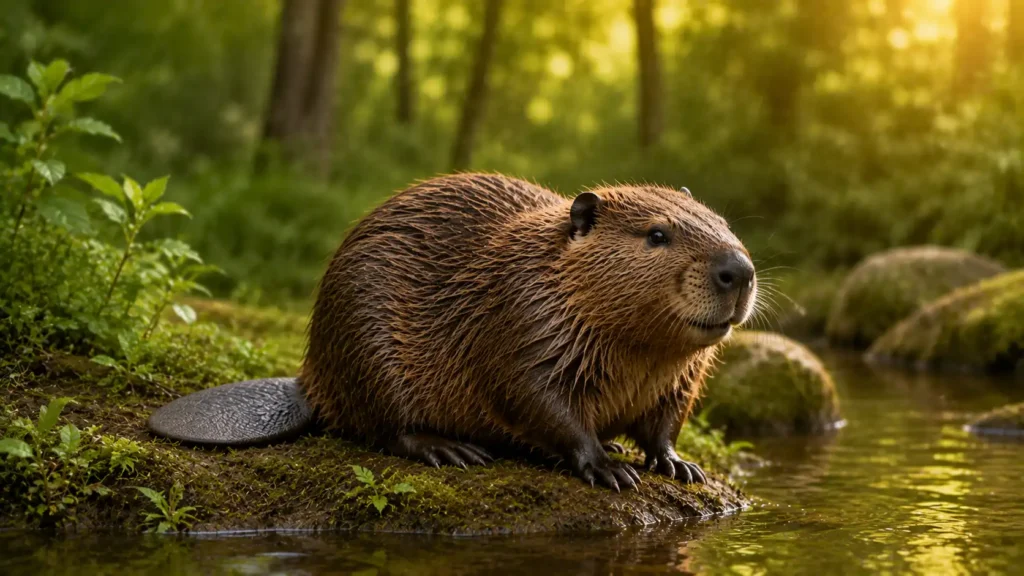
- Scientific Name: Castor
- Class: Mammalia
- Diet: Herbivore
Beavers are remarkable rodents known for their sturdy, flat tails and webbed feet, ideal for aquatic life. These industrious animals construct elaborate dams and lodges primarily in freshwater habitats, showcasing their impressive engineering skills and social behavior.
Beavers possess strong teeth that continually grow, allowing them to gnaw through wood and maintain their territories. Expert swimmers, they can hold their breath underwater for up to 15 minutes, making them adept at avoiding predators and searching for food.
Fun Facts:
- Beavers can cut down trees up to 20 times their own weight!
- Their dams can create entire wetlands, which help support various aquatic life.
- Beavers are often referred to as “nature’s engineers” for their ability to modify landscapes.
- Unlike other rodents, beavers have an outer membrane that protects their eyes while submerged.
- A beaver’s teeth can weaken if they don’t gnaw on enough wood, which is a vital part of their diet.
- In some regions, beavers are known to mate with a single partner for life, showcasing their strong social bonds.
Rat
- Scientific Name: Rattus rattus
- Class: Mammalia
- Diet: Omnivore
The rat, particularly known as *Rattus rattus*, is a small yet fascinating creature often found in urban and rural environments. With its long, hairless tail, pointed snout, and large ears, this agile rodent is perfectly suited to its habitats, thriving in places where food is plentiful often in close proximity to humans.
Highly social, rats exhibit complex behaviors and establish intricate social structures, which is a testament to their intelligent nature.
One of the most remarkable adaptations of the rat is its climbing ability. Equipped with flexible wrists and sharp claws, these creatures can scale walls and trees with ease, allowing them access to food sources high above ground.
Their omnivorous diet enables them to forage on a diverse array of foods, while their remarkable survival strategies like breeding quickly in response to threats help ensure their resilience in various environments.
Fun Facts:
- Rats can squeeze through openings as small as a quarter, showcasing their incredible flexibility.
- They possess an excellent sense of smell, which helps them locate food.
- Contrary to popular belief, rats are clean animals that designate specific areas for waste.
- These intelligent creatures can be trained to perform tricks, similar to pets like dogs.
- Rats communicate through a range of vocalizations and body language, making them socially adept.
- Like animals such as hamsters, rats are prolific breeders and can rapidly increase their populations when conditions allow.
Gerbils
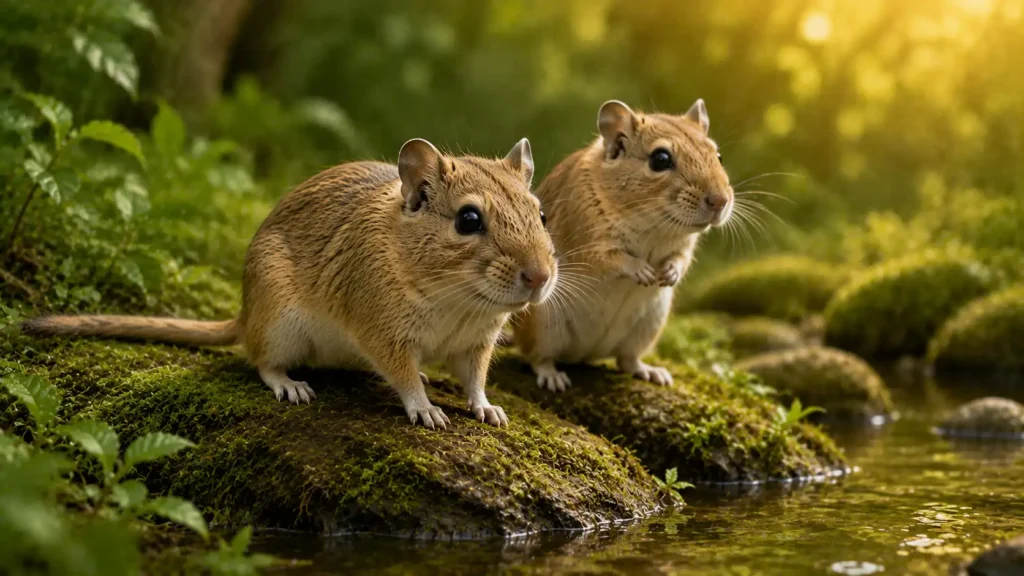
- Scientific Name: Meriones unguiculatus
- Class: Mammalia
- Diet: Omnivore
Gerbils, small and energetically curious, are often mistaken for their more popular cousins, hamsters. With long, slender bodies, tan or gray fur, and large, expressive eyes, they thrive in arid habitats like deserts and grasslands.
These sociable creatures prefer to live in colonies, showcasing their playful behavior as they dig intricate burrow systems, which serve both as homes and foraging grounds.
Adapted to their harsh environments, gerbils have remarkable water conservation abilities that allow them to thrive on a diet primarily consisting of seeds and grains. Their powerful hind legs enable them to dig and leap with agility, while their sturdy tails help maintain balance as they navigate their territories.
Fun Facts:
- Gerbils can jump up to three feet in the air, a skill that keeps them agile and alert to potential dangers.
- Unlike hamsters, gerbils do not store food in their cheeks; instead, they bury it in their burrows, making them natural hoarders of treasures.
- Their social behavior often leads them to engage in grooming each other, strengthening their bonds within the colony.
- Gerbils have a lifespan of around 2-4 years, but under the right care, they can live even longer.
- They communicate through different sounds; their chirps and squeaks are often indicators of excitement or distress.
- Perfect for families, gerbils are low-maintenance pets that require little space, making them ideal for kids seeking other animals like hamsters.
You May Also Like: Top 25 Animals Like Foxes With Pictures & Interesting Facts
Dormouse
- Scientific Name: Glis glis
- Class: Mammalia
- Diet: Omnivore
The dormouse is a charming little creature often compared to pet animals like hamsters, thanks to its small, pudgy body and big, expressive eyes. Found primarily in woodlands and hedgerows across.
Europe and parts of Asia, these nocturnal animals are known for their adorable fur and the unique ability to enter a state of hibernation during the winter months, allowing them to survive in colder climates.
Dormice have adapted superbly to their environments, benefiting from a diet rich in fruits, nuts, and even the occasional insect. Their excellent climbing skills help them navigate the treetops, while their flexible wrists allow them to grasp branches effortlessly.
Fun Facts:
- Dormice can hibernate for up to six months, making them one of the few mammals with such extended periods of dormancy.
- They can weigh anywhere between 40 to 160 grams, showcasing a diverse range of sizes.
- These small mammals have a delightful habit of storing food in their nests, ensuring they have ample nutrition for the winter.
- With their large, furry tails, dormice can expertly balance while scampering along branches.
- Females are known to give birth to litters of up to six young after a gestation period of about three weeks.
- Interestingly, dormice communicate using a series of squeaks and whistles, making them quite vocal for such tiny animals.
Mouse
- Scientific Name: Mus musculus
- Class: Mammalia
- Diet: Omnivore
These small, agile creatures are commonly found scuttling in gardens, fields, and even urban areas. Mice have a distinct body structure: a long, hairless tail, large ears, and bright eyes that help them navigate their surroundings, making them masters of adaptability in diverse habitats.
Mice have remarkable adaptations that allow them to thrive in various environments. Their keen sense of smell helps them locate food, often leading them to a diet rich in grains, fruits, and even other small insects.
Their flexible wrists and impressive climbing abilities enable them to escape predators and access hard-to-reach food sources. Mice are incredibly resourceful, often burrowing in the ground or using dense vegetation to create safe refuges.
Fun Facts:
- Mice are known for their rapid reproduction, capable of producing up to 10 litters each year!
- These little rodents can jump up to a foot high, an impressive feat given their size.
- Mice communicate through high-frequency sounds that are inaudible to human ears, showcasing their social nature.
- They have been domesticated into various breeds, making them popular pets and alternatives to animals like hamster.
- A mouse’s front teeth never stop growing, which keeps them busy chewing on everything from wood to cardboard.
- Mice can learn complex tasks and even navigate mazes, demonstrating surprising intelligence for such small creatures.
Chinchilla
- Scientific Name: Chinchilla lanigera
- Class: Mammalia
- Diet: Omnivore
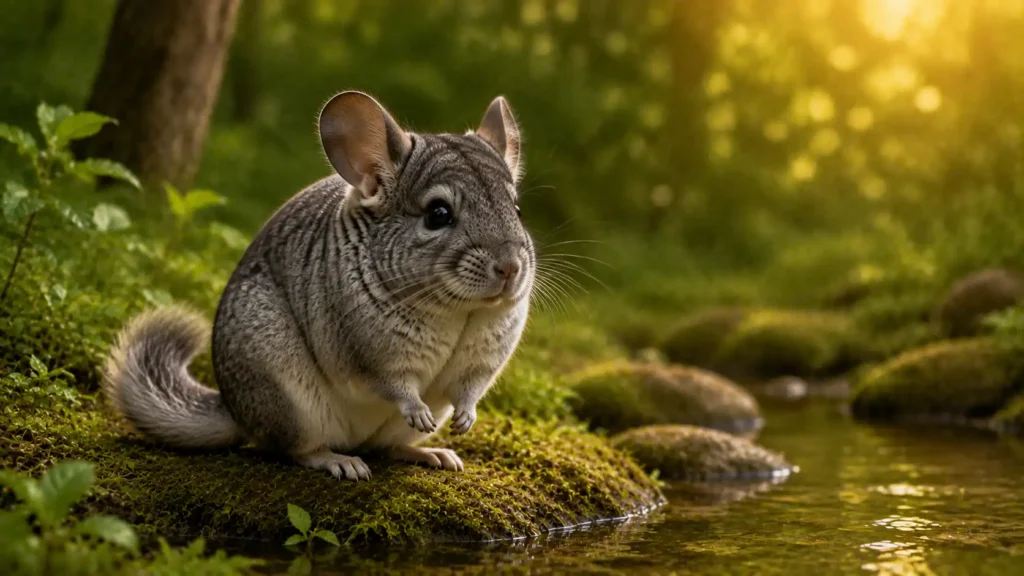
Chinchillas are small, furry rodents that are native to the rocky regions of the Andes Mountains in South America. Their thick, soft fur comes in various shades of gray and offers them protection from their cool mountainous habitat.
Known for their playful behavior and inquisitive nature, these charming creatures thrive in social groups, showcasing intriguing interactions that highlight their intelligence.
To adapt to their harsh surroundings, chinchillas have unique features that benefit their survival. Their powerful hind legs enable them to leap between rocky crevices, while their flexible wrists allow for impressive climbing abilities.
They have a special relationship with their bamboo-based diet, primarily consuming seeds and grains, which helps them sustain energy in their challenging environment.
Fun Facts:
- Chinchillas have the densest fur of any land mammal; up to 60 hairs grow from a single follicle!
- These adorable animals can jump up to six feet high, a remarkable feat considering their size.
- Unlike many rodents, chinchillas do not gnaw on wood; instead, they prefer to chew on fortified pellets and hay.
- If threatened, chinchillas can release a clump of fur to escape predators, a fascinating defense mechanism.
- They require regular dust baths to keep their fur clean and healthy, making their grooming routine quite distinct from other pets.
- Animal like hamsters, like chinchillas, require careful handling and social interaction to thrive alongside their human companions.
Squirrel
- Scientific Name: Sciurus
- Class: Mammalia
- Diet: Omnivore
Squirrels are small, agile creatures that can be spotted darting through parks and forests. With their bushy tails and soft, furry bodies, these mammals are not only adorable but play a vital role in their ecosystems, helping with seed dispersal and forest regeneration.
Adapted for life in the trees, squirrels possess sharp claws enabling them to climb effortlessly and navigate various environments. Their diet is diverse, primarily consisting of nuts, seeds, fruits, and occasionally small insects, showcasing their omnivorous nature.
With flexible wrists that allow for remarkable gripping power, they can leap between branches while maintaining balance, a crucial survival strategy in the wild.
Fun Facts:
- Squirrels can leap up to 10 times their body length, making them master acrobats of the tree canopies.
- Their front teeth never stop growing, ensuring they can gnaw on hard foods like nuts and bark.
- In an impressive display of memory, squirrels can remember the locations of thousands of buried nuts.
- They communicate using a variety of vocalizations, including chirps and warning calls to signal danger.
- Some species can even experience changes in fur color across seasons, enhancing their camouflage.
- Unlike rodents such as hamsters, which are more solitary, squirrels often engage in playful interactions with each other.
Lemming
- Scientific Name: Lemmus
- Class: Mammalia
- Diet: Herbivore
Lemmings, often mistaken for their larger rodent cousins, are small, stout rodents found predominantly in the Arctic tundra. With their short tails, rounded bodies, and fur that ranges from gray to brown, they blend seamlessly into their frosty habitats.
Known for their remarkable adaptability, lemmings exhibit fascinating behaviors, from their communal nesting habits to their impressive population fluctuations.
These little creatures have evolved specific adaptations that enable their survival in harsh climates. Equipped with thick fur and a layer of fat under their skin, they effectively insulate against frigid temperatures.
Their heightened reproductive rate ensures that populations rebound rapidly, especially after periods of scarcity, allowing them to maintain a stable presence in the tundra ecosyste,
Fun Facts:
- Lemmings are known for their dramatic population booms every few years, which can lead to massive migrations in search of food.
- These small rodents are sometimes thought to engage in mass migration, though the idea that they leap off cliffs is a myth!
- Lemmings have a unique social structure; they form small groups during breeding seasons, creating communal nests.
- Their keen sense of smell helps them locate food even under deep snow, aiding in their survival.
- Lemmings’ cute and cuddly appearance has earned them a spot in popular culture, making them a frequent choice in cartoons and media.
Pikas
- Scientific Name: Ochotona
- Class: Mammalia
- Diet: Herbivore
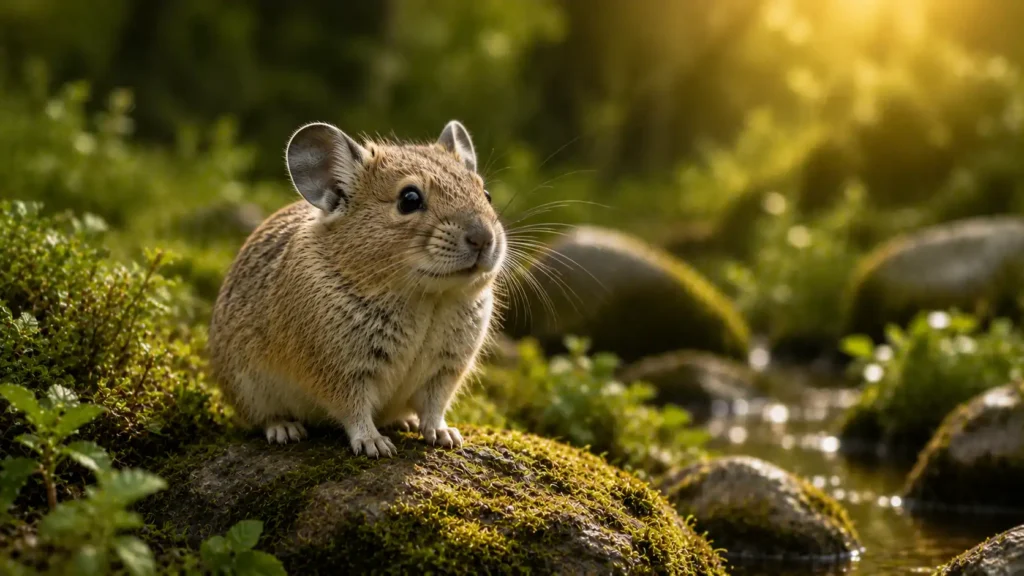
Pikas, small relatives of rabbits, have round bodies and short limbs, often found in rocky mountain areas of North America and Asia. These charming creatures are adept at surviving in their high-altitude habitats, characterized by their short, dense fur which keeps them warm, and their distinctive, high-pitched calls that echo through the chilly air.
Pikas have evolved remarkable adaptations to thrive in cold environments. Their impressive climbing abilities allow them to navigate rugged terrains effortlessly, while their unique diet primarily consists of various mountain plants, particularly grasses and herbs.
Their flexible wrists enable them to maneuver easily amongst rocky crevices, aiding in their foraging activities and helping them gather food efficiently for their large, seasonal haypiles a critical survival strategy as they prepare for harsh winters.
Fun Facts:
- Pikas are known for their energetic behavior, often foraging and collecting food during the coolest parts of the day.
- Unlike other small mammals, pikas do not hibernate; instead, they store food in large piles to survive winter.
- These adorable creatures communicate through a variety of distinctive sounds, including whistles and grunts.
- Although often mistaken for animals similar to hamsters, pikas are more closely related to rabbits.
- Their habitats are sensitive to climate change, making them important indicators of environmental health.
- In some cultures, pikas are affectionately known as “rock rabbits” due to their rocky habitats and rabbit-like appearance.
Final Thoughts
The diverse selection of animals similar to hamsters reveals just how rich and rewarding the experience of pet ownership can be. Each pet on this list introduces its own joyful quirks and care requirements, ensuring there’s a small companion for every potential owner.
Understanding the specific needs and personalities of these animals can help you make a well-informed choice that will bring joy to your life. Don’t hesitate to dive deeper into this enchanting world of furry friends, and find the perfect addition to your family today!
FAQs
What Are Some Popular Small Pets Similar to Hamsters?
Popular small pets include Gerbils, Mice, and Guinea Pigs, all of which share similar care requirements and sizes.
How Do the Care Requirements of Gerbils Compare to Hamsters?
Both Gerbils and Hamsters are relatively low-maintenance, but gerbils require more space to dig and roam, while hamsters need a secure enclosure because of their tendency to escape.
Can Rabbits Be Kept with Hamsters?
It is not recommended. Rabbits require more space and different care than Hamsters, and their larger size can create safety concerns.
What Should I Consider Before Getting a Pet Like a Hamster?
Consider factors such as the animal’s Size, Lifespan, Social Needs, and Habitat Requirements to determine whether it is a good fit for your lifestyle.
Are There Any Animals Like Hamsters That Are More Social?
Yes, Guinea Pigs and Ferrets are highly social animals that often thrive when kept in pairs or groups and receive regular interaction.
What Animals are like Hamsters but Live Longer?
Several small pets are similar to hamsters but have longer lifespans. These include guinea pigs, gerbils, chinchillas, degus, rabbits, hedgehogs, and sugar gliders.
What Animals are Like Hamsters and Guinea Pigs?
Small pets similar to hamsters and guinea pigs include gerbils, rats, mice, chinchillas, degus, rabbits, hedgehogs, and sugar gliders. They are small, can be kept at home, and most are herbivores or omnivores.