
Top 25 Skinny Animals in the World: Complete Guide
Imagine a world where being skinny is not just desirable but essential for survival welcome to the realm of the Top 25 Most Skinny Animals! This article highlights the incredible diversity and adaptability of species that thrive despite their delicate frames.
Understanding these really skinny animals illuminates key aspects of biology and ecology, revealing how size can impact survival strategies. Prepare to be amazed by the astonishing adaptations that keep these creatures alive and thriving!
List of Top 25 Skinny Animals in the World,
In exploring the list of top 25 Most skinny animals in the world, it’s fascinating to observe how evolution shapes forms in the animal kingdom, tailored uniquely for survival.
Each creature, from the elegant Gazelle to the slender Marabou Stork, showcases adaptations that maximize efficiency and mobility in their respective habitats.
Top 25 Skinny Animals list is given below:
- Meerkat
- 2-Gazelle
- 3-Giraffe
- 4-Needlefish
- 5-Stoat
- 6-Whippet
- 7-Alpaca
- 8-Greyhound
- 9-Spotted Garden Eel
- 10-Red Slender Loris
- 11-Mako Shark
- 12-Kangaroo
- 13-Etruscan Shrew
- 14-Dragonfly
- 15-Ferrets
- 16-Great Egret
- 17-Common house gecko
- 18-Stick bug
- 19-Brookesia Micra Chameleon
- 20-Ribbon Eel
- 21-Carolina mantis
- 22-Asian Grass Lizard
- 23-Flying Dragon
- 24-Threadsnake
- 25-Slender Salamander
Meerkat – A Small and Social Skinny Animal
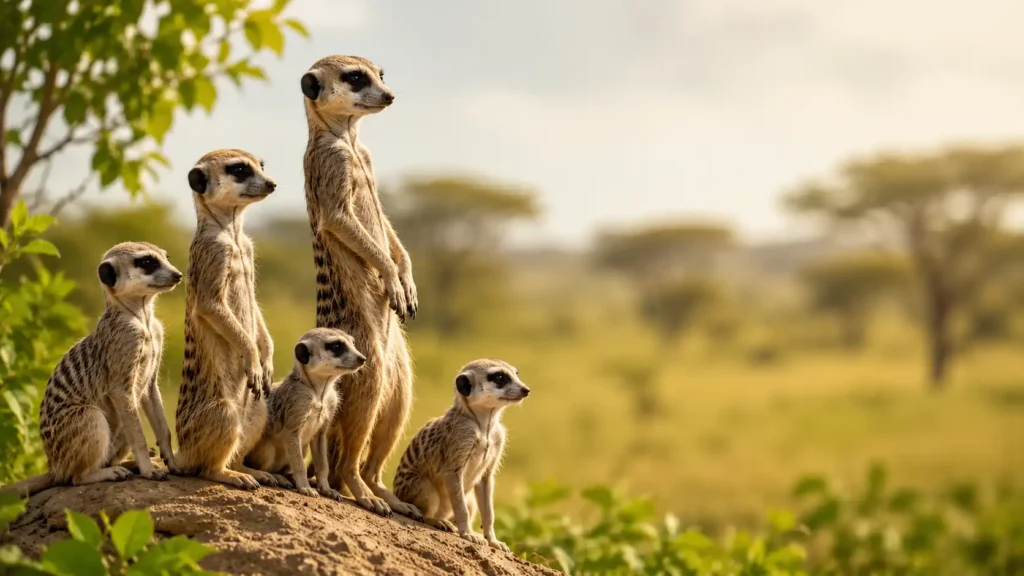
- Scientific Name: Suricata suricatta
- Class: Mammalia
Meerkats, scientifically known as Suricata suricatta, exemplify the essence of social living in the ugly skinny animals kingdom. Living in tightly knit clans, these small and social animals display remarkable cooperation, engaging in activities such as shared babysitting and synchronized foraging.
This communal lifestyle not only enhances their survival rates but also strengthens their social bonds, making them a fascinating subject for behavioral studies.
Scientific Reason
Adapted to the harsh conditions of the Kalahari Desert, meerkats have evolved unique physical attributes. Their slender bodies facilitate swift movements, enabling them to escape threats and navigate through intricate burrow systems. Their cooperative behavior and strong social structure help them survive in challenging environments.
Fun Facts
- Meerkats practice a unique behavior known as sentinel duty, where one member of the group stands guard while others search for food.
- Their slender bodies allow them to move quickly and travel easily through underground tunnels and burrows.
- Meerkats use a complex system of sounds and body language to communicate with one another.
- They remain constantly alert to protect their group from predators, including birds of prey and snakes.
- Shared babysitting and cooperative hunting strengthen the bonds between members of the colony.
Gazelle – Swift and Agile Slender Creatures
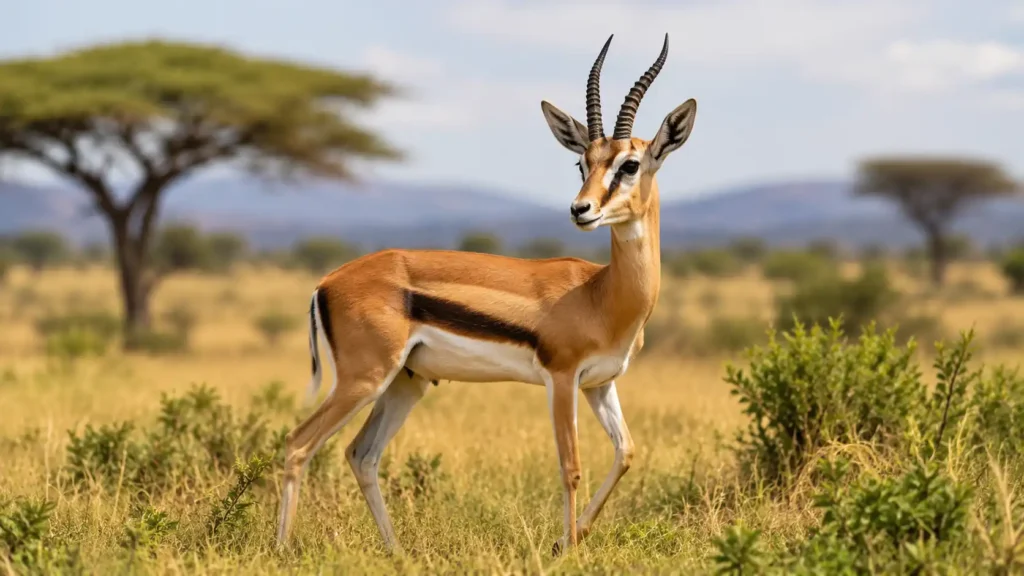
- Scientific Name: Gazella
- Class: Mammalia
Gazelles are swift and agile animals that are admired for their elegance and remarkable speed. Their long, slender limbs allow them to cover vast distances quickly while adapting perfectly to life in dry and open habitats. These graceful creatures rely on their incredible agility to avoid predators and survive in harsh environments.
Scientific Reason
The unique body structure of gazelles plays an essential role in their survival. Their slender bodies and powerful legs enable them to sprint at high speeds and change direction with extraordinary precision.
In addition to their physical abilities, gazelles live in herds, which provide protection and improve their chances of detecting danger in the surrounding environment.
Fun Facts
- Gazelles often form large herds to increase their protection against predators.
- Each member of the herd helps watch for danger, acting as a sentinel for the group.
- These animals communicate through soft bleats and specific body movements.
- Their exceptional speed allows them to escape predators such as cheetahs and lions.
- Gazelles are considered one of the most graceful and agile animals in the world.
Giraffe – The Tallest Among Skinny Animals(tall skinny animals)
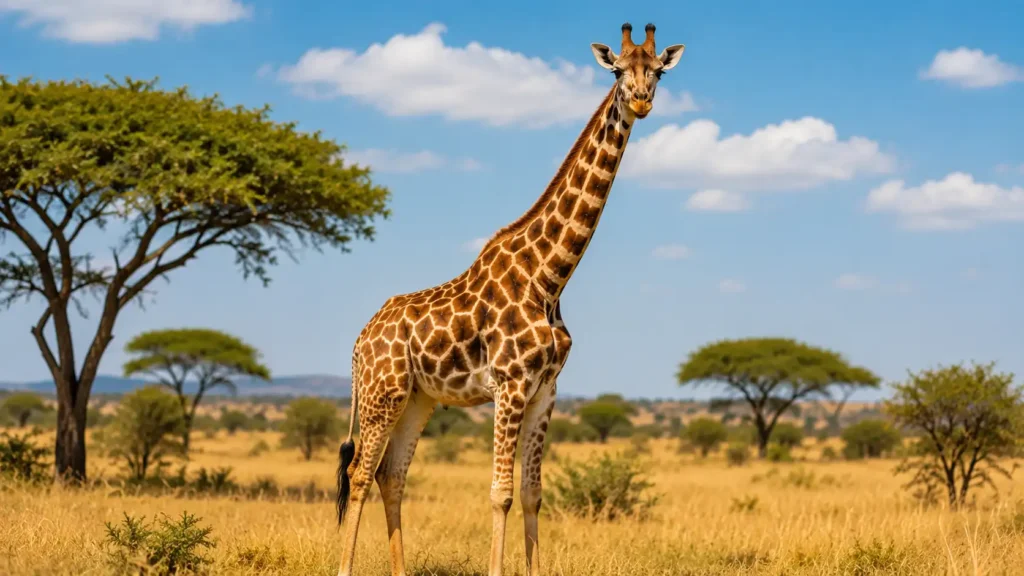
- Scientific Name: Giraffa camelopardalis
- Class: Mammalia
Giraffes are the tallest land animals in the world and are easily recognized by their exceptionally long necks and legs. Their remarkable height allows them to reach leaves high above the ground, giving them access to food sources that many other herbivores cannot reach.
These unique adaptations have enabled giraffes to thrive in a variety of environments across Africa.
Scientific Reason
The giraffe’s extraordinary height is the result of millions of years of evolution and adaptation. Their long necks help them feed on the leaves of acacia trees while also allowing them to spot predators from great distances.
Giraffes possess specialized blood vessels that regulate blood pressure, enabling them to lower their heads to drink water without experiencing dizziness or fainting.
Fun Facts
- Giraffes can grow up to 18 feet tall, making them the tallest animals on Earth.
- Their long necks allow them to feed on leaves that are out of reach for most other herbivores.
- Giraffes can detect predators from a considerable distance because of their impressive height.
- Specialized blood vessels help maintain proper blood flow when they bend down to drink water.
- Their unique combination of height, strength, and adaptability makes them one of the most fascinating animals in the wild.
Needlefish – The Long, Thin Fish of Shallow Waters
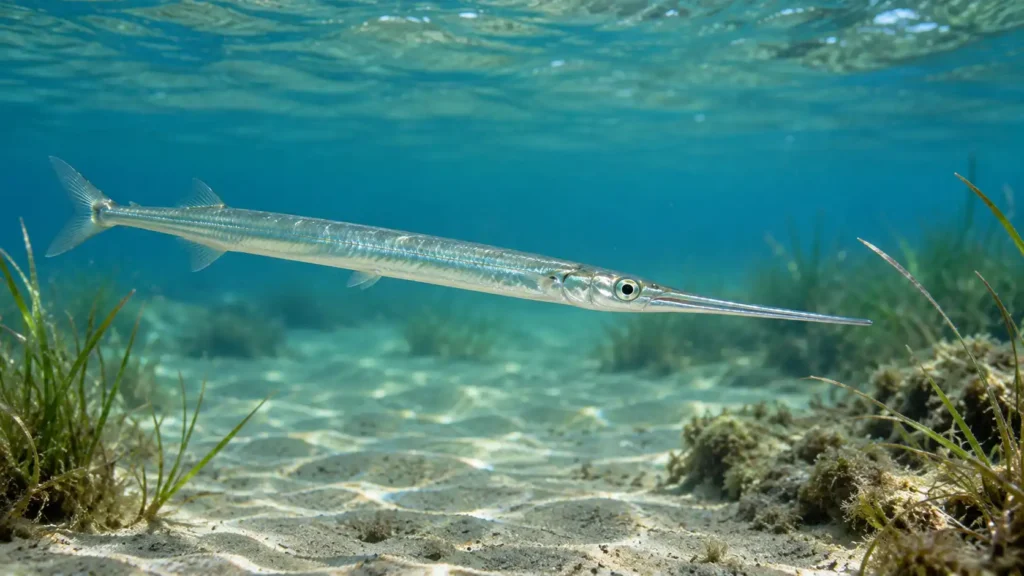
- Scientific Name: Belonidae
- Class: Actinopterygii
Needlefish are slender marine creatures that are widely recognized for their long skinny animals, narrow bodies and remarkable speed. These fascinating fish are commonly found in shallow coastal waters, where their streamlined shape allows them to move effortlessly through the water.
Their natural camouflage helps them blend perfectly with aquatic plants and the reflections of sunlight on the water’s surface.
Scientific Reason
The elongated body of the needlefish is an important adaptation that helps it survive in challenging environments. Their slim bodies allow them to make rapid turns and sudden bursts of speed while escaping predators or hunting smaller fish. This unique body structure also enables them to thrive in brackish waters, where quick movement is essential for survival.
Fun Facts
- Needlefish are famous for their unique hunting technique of skimming the water’s surface.
- They often leap into the air to catch flying insects and smaller fish.
- Their long, thin bodies provide excellent camouflage in shallow waters.
- Needlefish play an important role in maintaining the balance of coastal ecosystems.
- Watching a school of needlefish move across the water’s surface is considered one of the most fascinating sights in marine life.
Stoat – A Slim and Agile Predator of Cold Regions
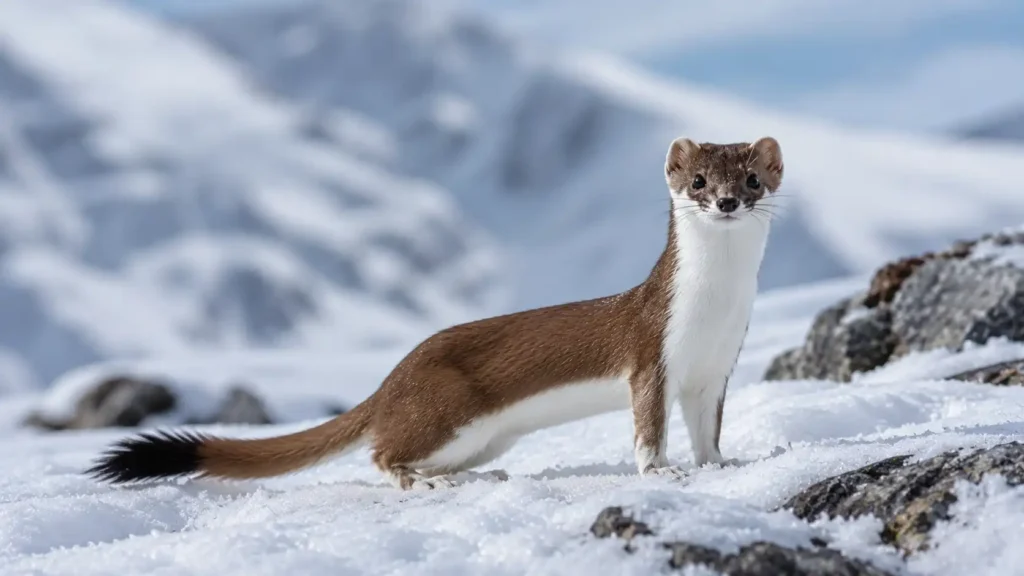
- Scientific Name: Mustela erminea
- Class: Mammalia
Stoats are small and slender mammals known for their agility, intelligence, and impressive hunting skills. Their streamlined bodies allow them to move swiftly through dense vegetation, making them highly efficient predators.
Found in cold regions, these fascinating naturally skinny animals rely on their speed, sharp senses, and stealth to survive in challenging environments.
Scientific Reason
The slender body of the stoat is a remarkable evolutionary adaptation that enables it to hunt effectively and move effortlessly through narrow spaces.
Their keen eyesight and strategic hunting techniques help them capture rodents and small birds while remaining hidden from predators. As winter approaches, stoats undergo a seasonal transformation, replacing their brown fur with a white coat that provides excellent camouflage in snowy landscapes.
Fun Facts
- Stoats change the color of their fur during winter to blend in with snowy surroundings.
- Their long, slender bodies allow them to move quickly through dense vegetation and narrow burrows.
- Stoats rely on stealth, speed, and intelligence to capture their prey.
- They commonly hunt rodents and small birds in cold regions.
- Their remarkable ability to adapt to changing environments makes them one of nature’s most fascinating predators.
Whippet – One of the Most Slender Dog Breeds in the World
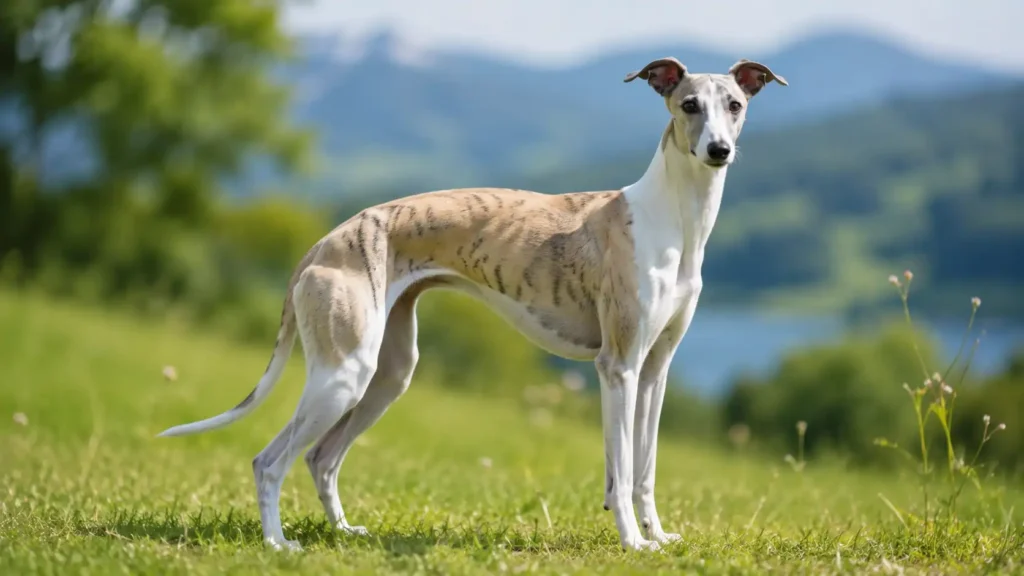
- Scientific Name: Canis lupus familiaris
- Class: Mammalia
The Whippet is one of the very skinny Animal and elegant dog breeds in the world, admired for its incredible speed and graceful appearance. Its streamlined body and long, powerful legs make it an exceptional runner, while its calm and affectionate nature makes it a wonderful companion.
Despite their athletic abilities, Whippets enjoy spending time with their owners and are known for their gentle personalities.
Scientific Reason
The Whippet’s slim body structure is the result of selective breeding that emphasized speed, agility, and endurance. Their lean muscles and flexible bodies enable them to accelerate rapidly while maintaining excellent balance and coordination.
Originally bred during the nineteenth century for racing and hunting, these remarkable dogs continue to demonstrate the perfect combination of strength, speed, and adaptability.
Fun Facts
- Whippets were originally bred to chase small skinny animals and participate in racing events.
- Their long, powerful legs allow them to reach impressive speeds in just a few seconds.
- Unlike many other racing breeds, Whippets are known for their calm and affectionate personalities.
- They can easily adapt to different living environments, including both large houses and small apartments.
- After an energetic run, Whippets often enjoy relaxing close to their owners, showcasing their affectionate nature.
Alpaca – The Soft-Haired Herbivore of the Andes
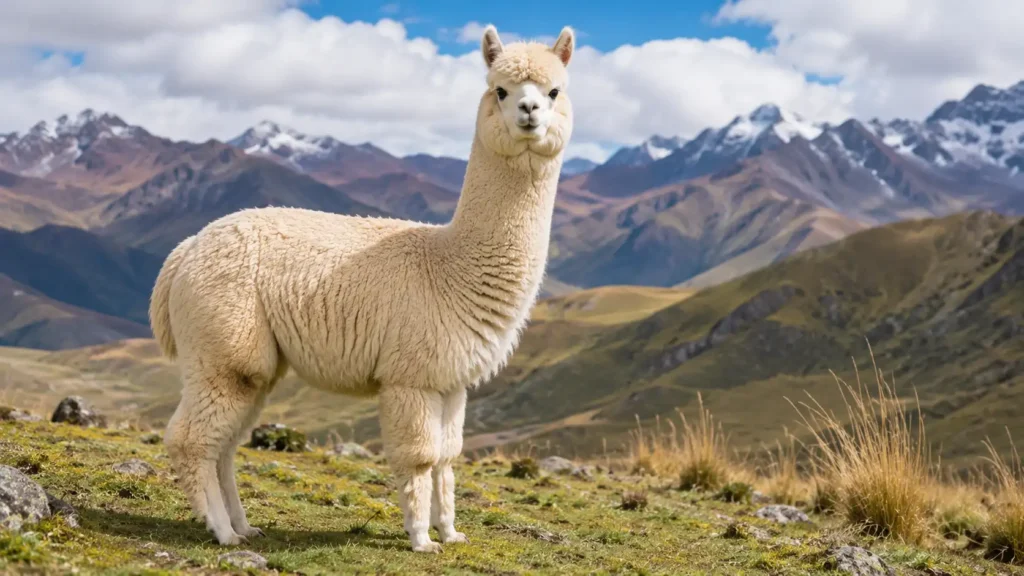
- Scientific Name: Vicugna pacos
- Class: Mammalia
Alpacas are gentle and highly adaptable and cleanest animal that thrive in the high-altitude regions of the Andes Mountains. These soft-haired herbivores are well known for their luxurious fleece, which comes in a wide variety of colors, including white, brown, and black. Their friendly nature and striking appearance have made them popular around the world.
Scientific Reason
Alpacas have evolved to survive in harsh mountainous environments where food and oxygen are limited. Their thick fleece provides excellent insulation against cold temperatures, while their efficient grazing habits help maintain the balance of their ecosystem. Their strong social behavior also enables them to form close bonds with both humans and other animals.
Fun Facts
- Alpacas communicate with one another through soft humming sounds.
- Their fleece is considered one of the finest and softest natural fibers in the world.
- Alpacas can survive in the challenging conditions of the Andes Mountains.
- They mainly feed on grasses, helping preserve the natural balance of their habitat.
- More than twenty natural fleece colors can be found among alpacas, making them highly valued in the textile industry.
Greyhound – The Fastest and Leanest Racing Dog

- Scientific Name: Canis lupus familiaris
- Class: Mammalia
The Greyhound is one of the fastest dog breeds in the world and is admired for its graceful appearance and exceptional athletic ability. With their long legs, streamlined bodies, and deep chests, Greyhounds are perfectly built for speed.
Although they are famous for their remarkable performance on the racetrack, they are equally well known for their calm and affectionate personalities.
Scientific Reason
The Greyhound’s Lanky animals slender body is the result of thousands of years of selective breeding. Originally bred to chase game, these dogs developed long legs, powerful muscles, and an aerodynamic body shape that allows them to use energy efficiently.
Their unique physical structure enables them to reach speeds of up to 45 miles per hour while maintaining excellent balance and agility.
Fun Facts
- Greyhounds are capable of reaching speeds of up to 45 miles per hour.
- Their long legs and deep chests help them accelerate quickly and move with remarkable efficiency.
- Despite their incredible speed, Greyhounds are known for their calm and gentle nature.
- Many Greyhounds enjoy relaxing at home and are often referred to as “couch potatoes.”
- Their history stretches back thousands of years, making them one of the oldest dog breeds in the world.
Spotted Garden Eel
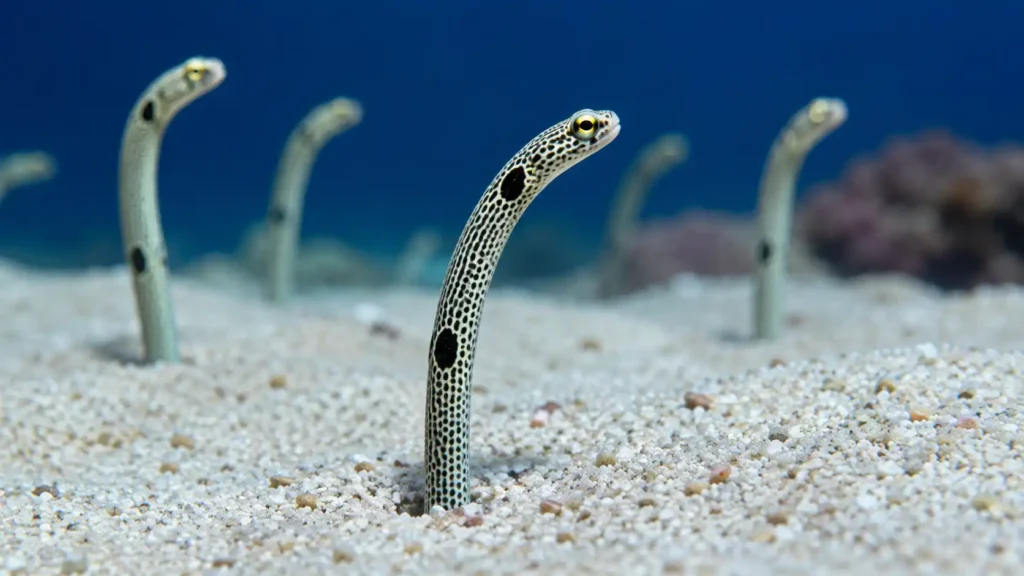
- Scientific Name: Heteroconger hassi
- Class: Actinopterygii
The Spotted Garden Eel is a fascinating species known for its slender body and striking appearance. Its dark body, covered with distinctive white spots, creates a beautiful contrast against the sandy ocean floor.
These small eels spend most of their lives inside burrows, gently swaying with the movement of ocean currents as they search for food.
Scientific Reason
The Spotted Garden Eel has developed several remarkable adaptations that help it survive in its underwater habitat. Its long, thin body allows it to move easily within narrow burrows, providing protection from predators.
As a filter feeder, it consumes plankton and organic matter, contributing to nutrient cycling and helping maintain the balance of marine ecosystems. Scientists also consider these eels to be valuable indicators of the overall health of coral reef environments.
Fun Facts
- Spotted Garden Eels rarely grow longer than one foot.
- They spend most of their time partially hidden inside sandy burrows.
- Their bodies sway with ocean currents, making them look like underwater plants.
- These fascinating creatures feed on plankton and other tiny particles floating in the water.
- Their presence helps researchers understand the health and biodiversity of coral reef ecosystems.
Red Slender Loris – The Tiny Nocturnal Primate
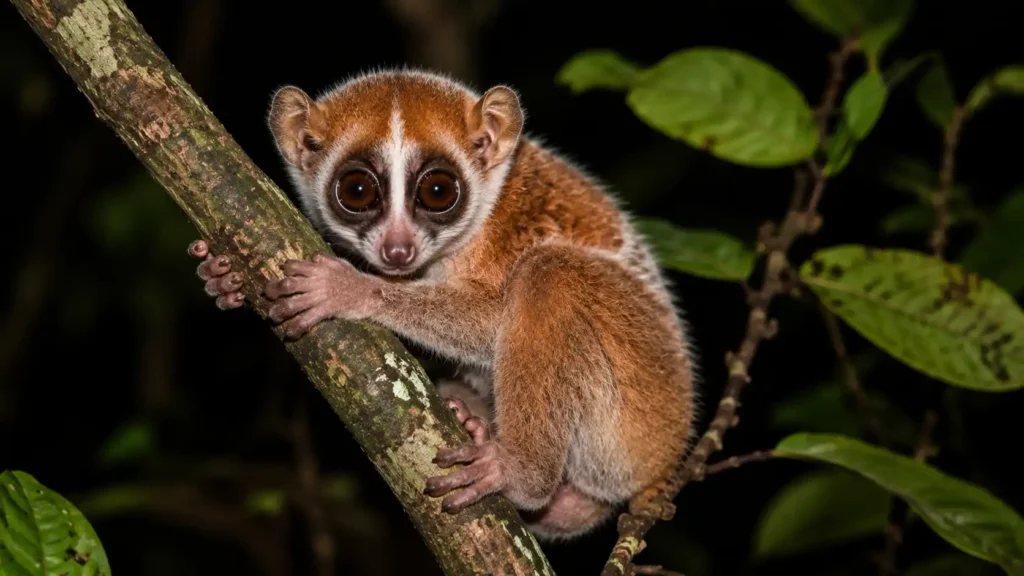
- Scientific Name: Loris tardigradus
- Class: Mammalia
The Red Slender Loris is a small nocturnal primate recognized for its large eyes, slender body, and remarkable agility. These fascinating creatures spend most of their lives in forests, where they skillfully move among branches while searching for insects and fruits.
Their unique appearance and quiet nature make them one of the most intriguing animals in the world.
Scientific Reason
The Red Slender loris Slender animals has evolved several adaptations that allow it to survive in its natural habitat. Its large eyes provide excellent night vision, helping it hunt and avoid predators in the darkness.
Its long and delicate limbs enable it to move carefully through dense vegetation, while its slow and deliberate movements help conserve energy and maintain camouflage within the forest environment.
Fun Facts
- The Red Slender Loris is primarily active during the night.
- Its large eyes are specially adapted to provide excellent vision in low-light conditions.
- These animals use a unique form of movement known as slow locomotion.
- Unlike many primates, Red Slender Lorises often live alone or travel in pairs.
- Habitat destruction and urban expansion continue to threaten the survival of this remarkable species.
Mako Shark – The Ocean’s Swift and Sleek Hunter
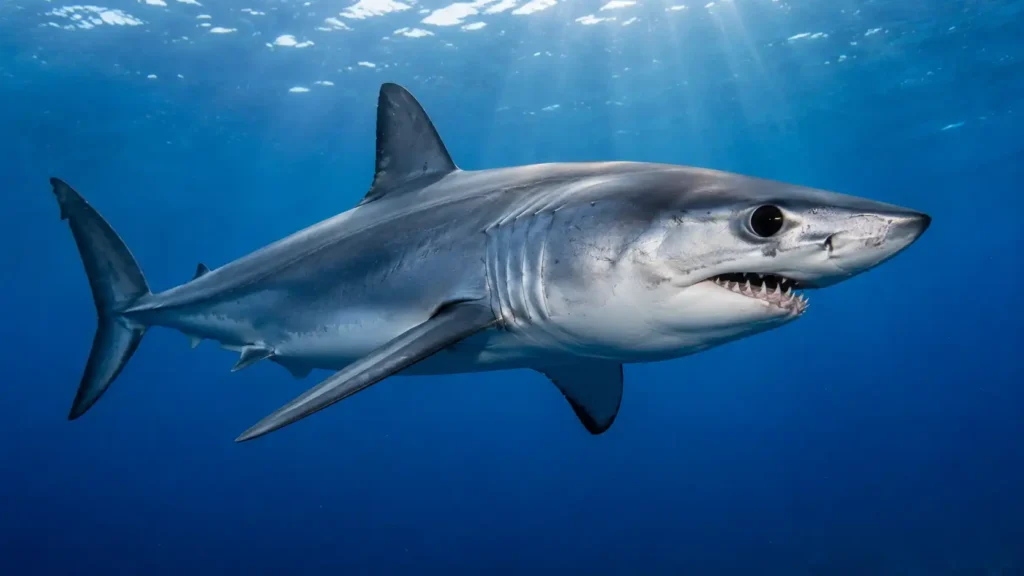
- Scientific Name: Isurus oxyrinchus
- Class: Chondrichthyes
The Mako Shark is one of the fastest and most powerful predators in the ocean. Known for its sleek body and extraordinary speed, this remarkable species is perfectly adapted for life in open waters.
Its streamlined shape and incredible agility allow it to move swiftly through the ocean while pursuing prey with remarkable precision.
Scientific Reason
The Mako Shark has evolved a highly efficient body structure that minimizes resistance and maximizes speed. Its hydrodynamic shape enables it to reach speeds of up to 45 miles per hour, making it one of the fastest fish in the world.
In addition, its sharp eyesight and highly developed electroreception abilities help it detect prey even in dark or murky waters, increasing its chances of survival.
Fun Facts
- The Mako Shark can swim at speeds of up to 45 miles per hour.
- Its streamlined body helps reduce drag and improve efficiency in the water.
- Mako Sharks possess an extraordinary sense known as electroreception, which helps them locate prey.
- They are considered one of the ocean’s most skilled ambush predators.
- The Mako Shark’s speed, strength, and intelligence make it one of the most fascinating creatures in the marine world.
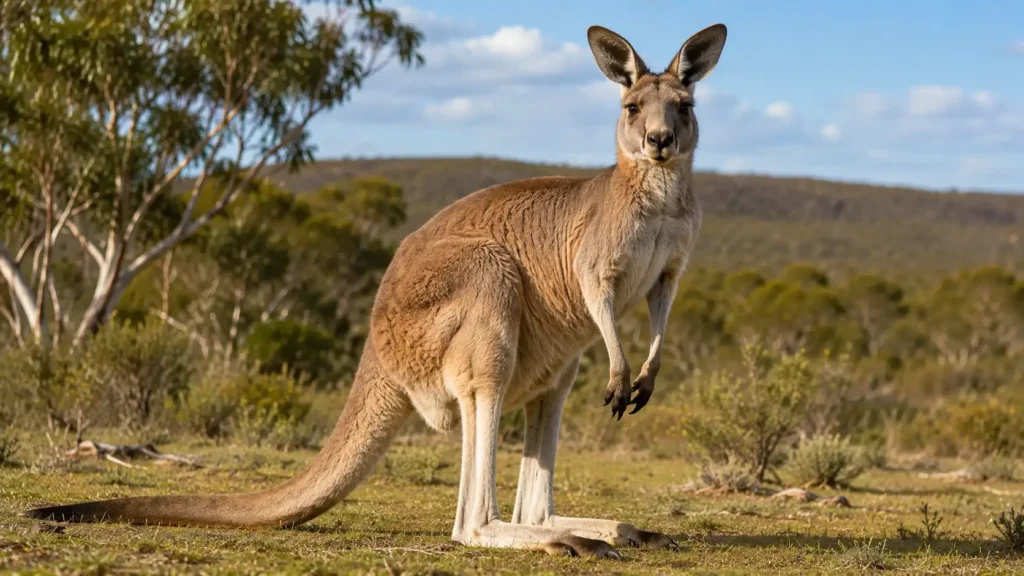
Kangaroo – Australia’s Lean and Powerful Hopper
- Scientific Name: Macropus
- Class: Mammalia
Kangaroos are among Australia’s most recognizable animals, admired for their powerful legs and remarkable agility. These fascinating marsupials are perfectly adapted to the country’s diverse landscapes, from open grasslands to rugged forests.
Their impressive speed and incredible jumping ability allow them to travel long distances while conserving energy.
Scientific Reason
Kangaroos possess highly developed hind legs and strong tails that provide balance, support, and exceptional mobility. These adaptations enable them to reach speeds of up to 60 kilometers per hour and leap distances of nearly 9 meters in a single jump.
Their unique body structure allows them to move efficiently across vast areas while adapting to changing environmental conditions.
Fun Facts
- Kangaroos can reach speeds of up to 60 kilometers per hour.
- They are capable of jumping as far as 9 meters in a single leap.
- Their strong tails help them maintain balance while moving at high speeds.
- Kangaroos play an important role in maintaining the health of their ecosystems by grazing on grasses and shrubs.
- Their large feet help aerate the soil, promoting nutrient circulation and supporting plant growth.
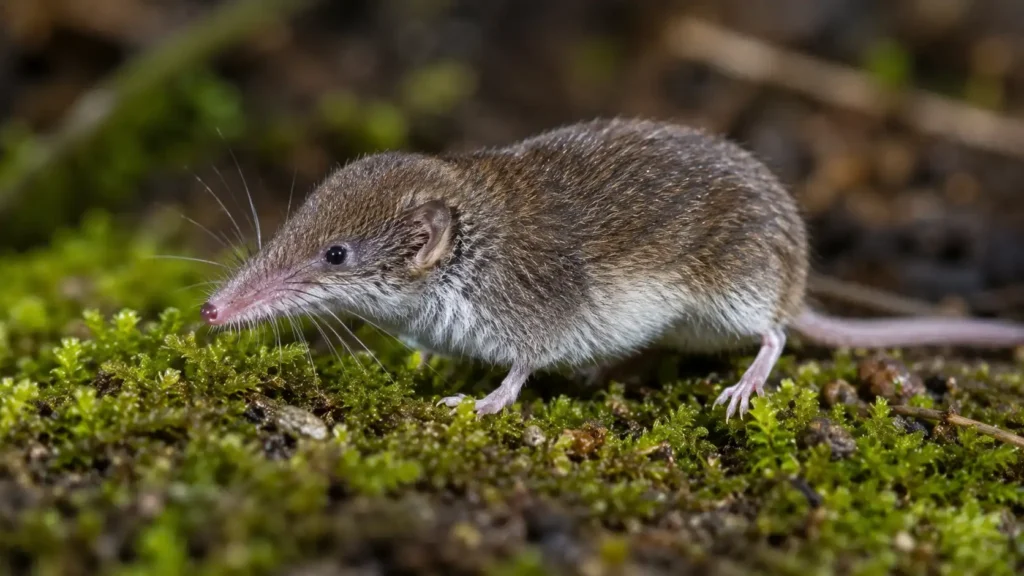
Etruscan Shrew –Tiny Mammal with a Lightning Heartbeat
- Scientific Name: Suncus etruscus
- Class: Mammalia
The Etruscan shrew is one of the smallest mammals in the world, yet it possesses extraordinary speed and energy. Weighing only about 1.8 grams, this tiny creature survives through a remarkably active lifestyle.
Despite its small size, the Etruscan shrew is a skilled hunter that relies on its agility, quick reflexes, and incredible metabolism to thrive in its environment.
Scientific Reason
The Etruscan shrew has evolved an exceptionally fast metabolism that enables it to maintain its high energy levels. Its heart can beat up to 1,500 times per minute, allowing oxygen and nutrients to be delivered rapidly throughout its body.
Because of this intense metabolic activity, the shrew must consume nearly twice its body weight in food every day to survive.
Fun Facts
- The Etruscan shrew is considered one of the smallest mammals on Earth.
- An adult Etruscan shrew weighs approximately 1.8 grams.
- Its heart can beat at an astonishing rate of up to 1,500 beats per minute.
- The shrew must eat nearly twice its body weight in food every day to support its active lifestyle.
- Despite its tiny size, the Etruscan shrew is an extremely efficient and highly skilled predator.
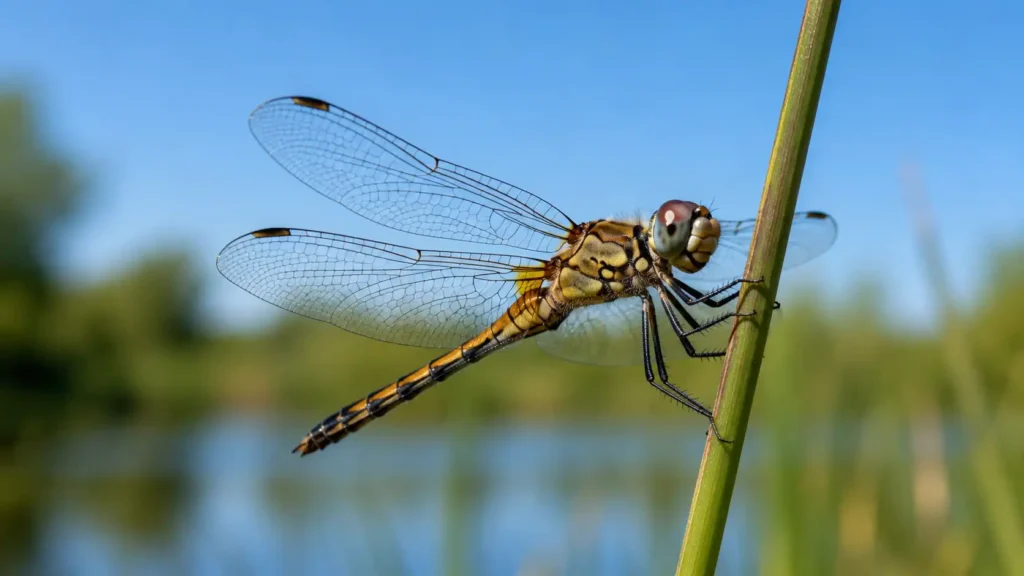
Dragonfly – The Sky’s Tiny Acrobat
- Scientific Name: Anisoptera
- Class: Insecta
Dragonflies are among the most fascinating insects in the world, admired for their dazzling wings and extraordinary flying abilities. Often referred to as the “Sky’s Tiny Acrobats,” these ancient creatures are capable of hovering, gliding, and changing direction with incredible precision. Their remarkable agility and excellent eyesight make them highly effective hunters.
Scientific Reason
Dragonflies possess a unique wing structure that allows each wing to move independently, giving them exceptional control while flying. Their large compound eyes provide a nearly complete field of vision, helping them detect both prey and predators with remarkable accuracy.
Having existed for more than 300 million years, dragonflies have successfully adapted to a wide range of environmental conditions, making them one of the oldest surviving groups of insects.
Fun Facts
- Dragonflies can fly forward, backward, upward, and even hover in one place.
- Their wings work independently, allowing them to perform complex aerial movements.
- Dragonflies begin their lives as aquatic nymphs before transforming into flying adults.
- Their large compound eyes provide an exceptionally wide field of vision.
- Scientists consider dragonflies important indicators of environmental health because they thrive in clean and balanced ecosystems.
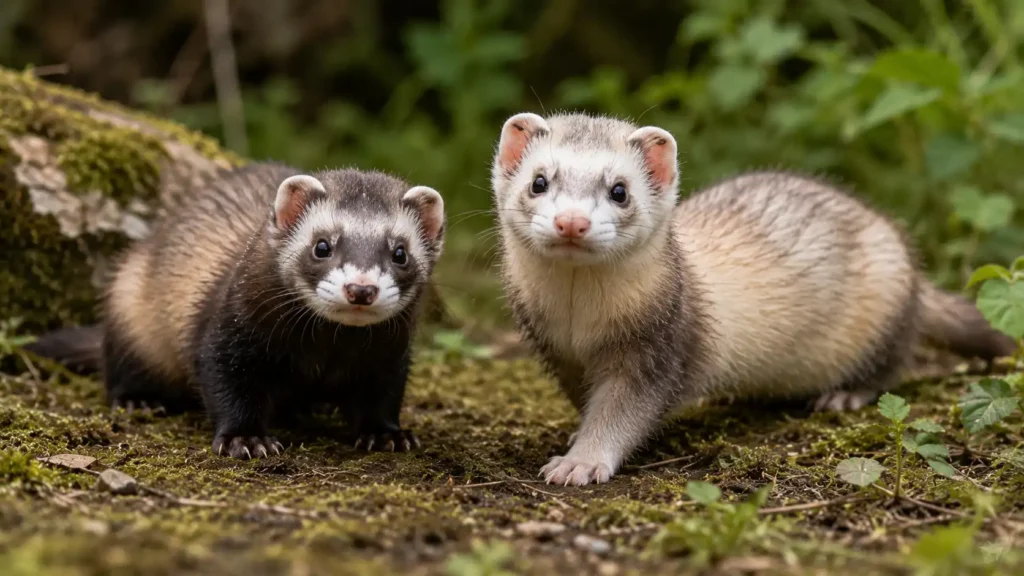
Ferrets – Nature’s Agile Mischief-Makers
- Scientific Name: Mustela furo
- Class: Mammalia
Ferrets are intelligent and energetic skinny animal known for their playful personalities and endless curiosity. Their long, slender bodies and powerful limbs allow them to move quickly through narrow spaces and explore their surroundings with ease.
These fascinating creatures have adapted remarkably well to different environments, making them both skilled hunters in the wild and beloved companions in homes around the world.
Scientific Reason
The ferret’s streamlined body is a remarkable evolutionary adaptation that enables it to move efficiently through tunnels, burrows, and confined spaces. Their playful behavior is more than simple entertainment; it serves an important purpose in strengthening social bonds and developing essential hunting skills.
Fun Facts
- Ferrets are naturally curious animals and enjoy exploring every corner of their surroundings.
- In the wild, young ferrets use play to establish social hierarchies and improve their hunting abilities.
- Their slender bodies allow them to squeeze through spaces that many other animals cannot enter.
- Some ferrets love running around and playing with toys, while others prefer curling up for a nap beside their owners.
- Ferrets are known for their unique combination of intelligence, playfulness, and affectionate behavior.
Great Egret – White Sentinel of Wetlands
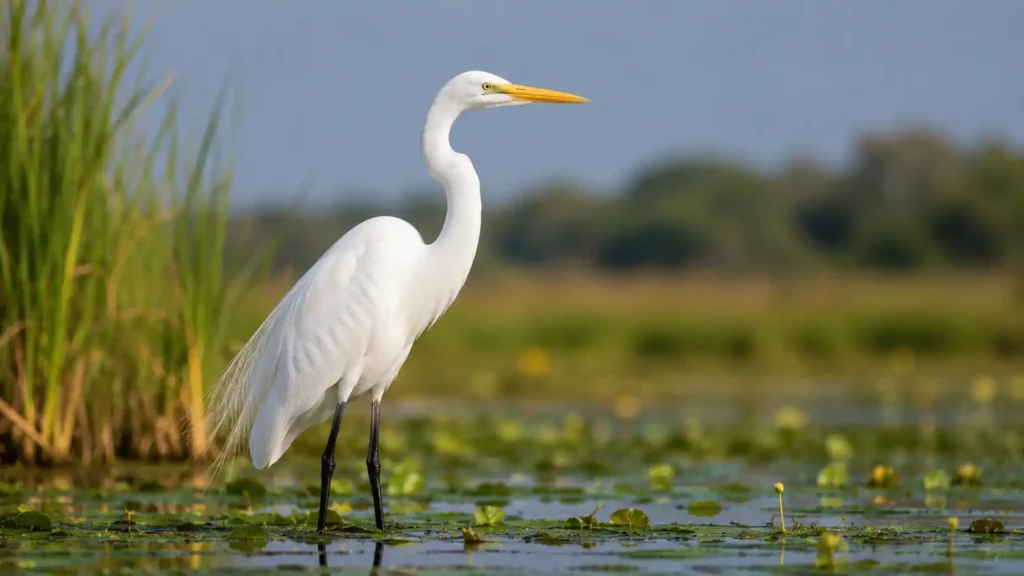
- Scientific Name: Ardea alba
- Class: Aves
The Great Egret, often called the “White Sentinel of Wetlands,” is one of the most elegant birds in the world. Its brilliant white feathers and graceful appearance make it a remarkable sight in marshes, lakes, and other wetland habitats. These majestic skinny birds are known for standing perfectly still while patiently waiting for the ideal moment to catch their prey.
Scientific Reason
The Great Egret possesses several unique adaptations that make it a highly effective hunter. Its long legs allow it to move easily through shallow water, while its sharp beak helps it capture fish and other small aquatic animals with incredible precision.
Beyond their hunting abilities, Great Egrets play an important role in maintaining ecological balance by helping regulate fish populations and supporting biodiversity within wetland ecosystems.
Fun Facts
- Great Egrets were once threatened by extensive feather hunting during the late nineteenth century.
- Their striking white plumage has become a symbol of beauty and successful wildlife conservation efforts.
- These birds can remain perfectly motionless for long periods while waiting to catch prey.
- Great Egrets contribute to the health of wetlands by helping maintain balanced fish populations.
- Scientists consider them important indicators of the overall condition of wetland ecosystems.
Common House Gecko
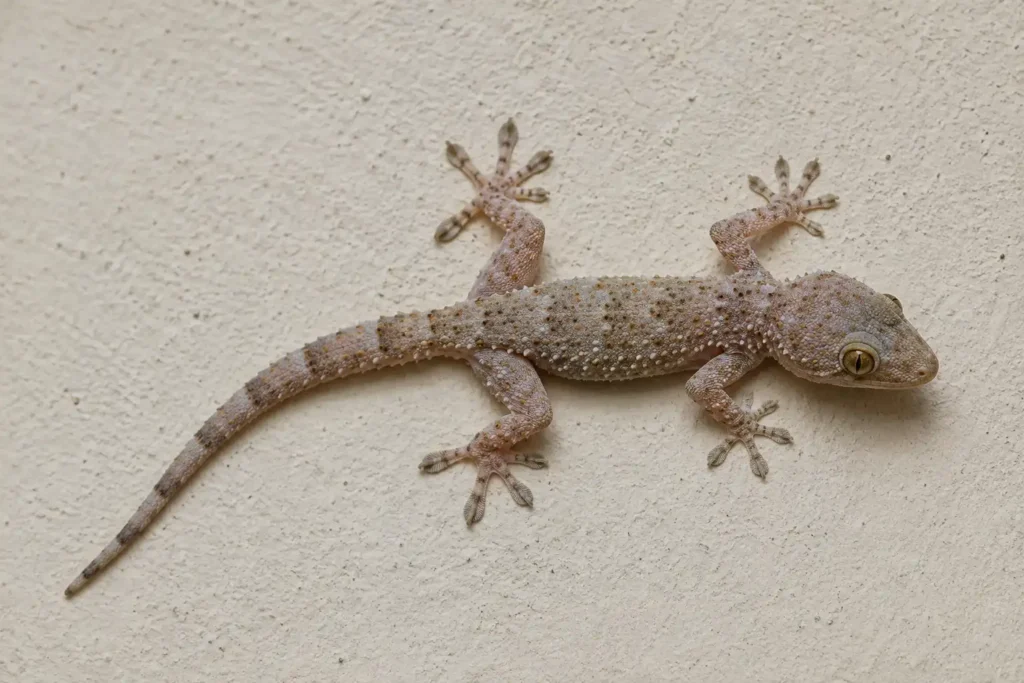
- Scientific Name: Hemidactylus frenatus
- Class: Reptilia
The common house gecko is one of the thin animals adaptable reptiles in the world and is commonly found in homes and gardens. These fascinating creatures are known for their agility, quick movements, and ability to thrive in a variety of environments.
Their presence is often considered beneficial because they help control the populations of insects such as mosquitoes and cockroaches.
Scientific Reason
The common house gecko possesses several remarkable adaptations that contribute to its survival. Its specialized toe pads allow it to climb walls, windows, and other smooth surfaces with ease.
These unique structures have even inspired scientists to develop advanced adhesive technologies. In addition, geckos play an important role in maintaining ecological balance by controlling insect populations and serving as indicators of environmental health.
Fun Facts
- Common house geckos are highly effective predators that feed on insects such as mosquitoes, flies, and cockroaches.
- Their specialized toe pads enable them to move effortlessly across smooth surfaces and even upside down.
- Scientists have studied their remarkable climbing abilities to develop innovative adhesive materials.
- Their presence often indicates a healthy and balanced ecosystem.
- The common house gecko is considered an excellent example of nature’s adaptability and resilience.
Stick Bug – The Master of Camouflage in the Insect World
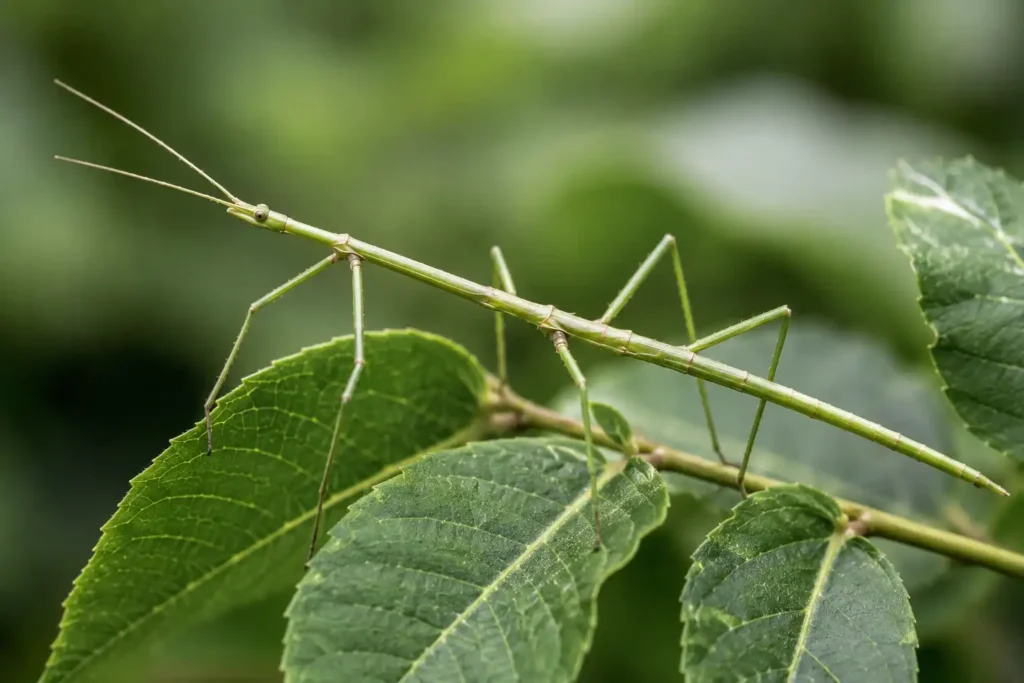
- Scientific Name: Phasmatodea
- Class: Insecta
Stick bugs are among the most fascinating insects in the world, famous for their incredible camouflage abilities. Their long, slender bodies closely resemble twigs, branches, and leaves, allowing them to blend perfectly into their surroundings. These remarkable adaptations help them survive in a variety of environments while protecting them from predators.
Scientific Reason
Stick bugs have evolved extraordinary defense mechanisms that enable them to remain hidden in their natural habitats. Their ability to stay motionless and sway gently with the wind helps them imitate the appearance of plants and branches.
Some species can even change their color in response to environmental conditions, further improving their chances of survival. These unique adaptations make stick bugs one of nature’s greatest masters of disguise.
Fun Facts
- Stick bugs use camouflage to protect themselves from predators.
- Many species gently sway their bodies to imitate the movement of leaves and branches in the wind.
- Some stick bugs can change their color to match their surroundings.
- Their unique appearance helps maintain the delicate balance of ecosystems by providing food for other animals.
- Stick bugs demonstrate how even the smallest creatures can develop extraordinary survival strategies.
Brookesia Micra Chameleon
- Scientific Name: Brookesia micra
- Class: Reptilia
The Brookesia micra chameleon is one of the smallest reptiles in the world and is found exclusively in Madagascar. Measuring less than one inch in length, this extraordinary creature has adapted perfectly to life on the forest floor.
Its tiny size and remarkable camouflage abilities allow it to blend effortlessly into its surroundings and avoid predators.
Scientific Reason
The Brookesia micra chameleon has evolved unique adaptations that enable it to survive in the dense forests of Madagascar. Its ability to change color and blend in with leaves and branches provides excellent protection from predators while also helping it hunt insects.
This exceptional camouflage demonstrates the remarkable relationship between the animal and its environment, highlighting the power of evolution and adaptation.
Fun Facts
- Brookesia micra is one of the smallest chameleon species ever discovered.
- An adult chameleon measures less than one inch in length.
- These tiny reptiles spend most of their lives among fallen leaves on the forest floor.
- Their extraordinary camouflage helps them avoid predators and capture prey.
- Scientists consider this species an important symbol of Madagascar’s unique biodiversity and the need for conservation efforts.
The Ribbon Eel – A Slender Wonder of the Coral World
- Scientific Name: Rhinomuraena quaesita
- Class: Actinopterygii
The Ribbon Eel is one of the most fascinating creatures found in coral reef ecosystems. Recognized for its long, slender body and brilliant blue and yellow coloration, this remarkable species moves gracefully through narrow coral crevices.
Its striking appearance and secretive nature have made it one of the most captivating inhabitants of the underwater world.
Scientific Reason
The Ribbon Eel has developed several unique adaptations that allow it to survive in the complex environment of coral reefs. Its elongated body enables it to move easily through small openings, while its excellent sense of smell helps it locate prey hidden within the reef.
As an active predator, the Ribbon Eel plays an important role in maintaining the balance of marine ecosystems by regulating populations of smaller fish and invertebrates.
Fun Facts
- Ribbon Eels are famous for their vibrant blue and yellow coloration.
- Their slender bodies allow them to move effortlessly through narrow spaces within coral reefs.
- They spend much of their time hiding among coral formations and carefully observing their surroundings.
- Ribbon Eels can change sex during different stages of their lives, with males transforming into females.
- Scientists consider these fascinating creatures important contributors to the health and stability of coral reef ecosystems.
Carolina Mantis – Nature’s Tiny Assassin
- Scientific Name: Stagmomantis carolina
- Class: Insecta
The Carolina mantis, often referred to as “Nature’s Tiny Assassin,” is one of the most fascinating predators in the insect world. Its ability to blend perfectly with leaves and plants allows it to remain hidden from both predators and prey. Despite its small size, this remarkable insect is an incredibly skilled hunter that relies on patience, precision, and speed to survive.
Scientific Reason
The Carolina mantis has evolved exceptional camouflage abilities that help it adapt to a wide range of environments. Its body shape and coloration enable it to blend seamlessly into surrounding vegetation, allowing it to remain motionless for long periods while waiting for prey. This extraordinary hunting strategy minimizes energy consumption and maximizes the chances of a successful attack.
Fun Facts
- The Carolina mantis can remain completely still for hours while waiting for prey.
- Its camouflage abilities help it blend effortlessly into leaves, branches, and other vegetation.
- These insects capture prey with incredible speed and precision.
- Carolina mantises play an important role in controlling insect populations in gardens and agricultural areas.
- Their remarkable hunting skills make them one of the most efficient predators in the insect world.
Asian Grass Lizard
- Scientific Name: Takydromus spp.
- Class: Reptilia
The Asian grass lizard is a fascinating reptile known for its slender body, long tail, and exceptional agility. Its streamlined shape allows it to move effortlessly through grassy landscapes, while its green and brown coloration helps it blend perfectly into its surroundings.
These remarkable adaptations make the Asian grass lizard one of the most efficient and elusive reptiles in its habitat.
Scientific Reason
The Asian grass lizard has developed both physical and behavioral adaptations that enhance its chances of survival. Its long, whip-like tail and slender body allow it to move rapidly through dense vegetation, while its natural camouflage protects it from predators.
In addition, this lizard possesses a unique quick-start escape response, enabling it to flee from danger within seconds. Females usually lay their eggs in moist and sheltered locations, providing a safe environment for their offspring.
Fun Facts
- The Asian grass lizard uses its long tail to maintain balance while moving quickly through grassy areas.
- Its green and brown coloration provides excellent camouflage against predators.
- When threatened, the lizard can react instantly and escape with remarkable speed.
- These reptiles play an important role in controlling insect populations within their ecosystems.
- Scientists consider the Asian grass lizard an important indicator of environmental health and biodiversity.
Flying Dragon: Nature’s Miniature Glider
- Scientific Name: Draco spp.
- Class: Reptilia
The Flying Dragon, also known as the Draco lizard, is a remarkable reptile found in the tropical forests of Southeast Asia. Known as Nature’s Miniature Glider, this fascinating creature possesses a slender body and specialized wing-like membranes that allow it to move gracefully between trees.
Its extraordinary gliding abilities help it travel efficiently while searching for food, shelter, and potential mates.
Scientific Reason
The Flying Dragon has evolved a unique body structure that allows it to thrive in forest canopies. Its elongated ribs support thin membranes of skin that extend outward, creating a wing-like structure that enables it to glide distances of up to 10 meters.
This remarkable adaptation allows the lizard to avoid predators, conserve energy, and move quickly through its environment. In addition, its natural diet of ants and other small insects helps maintain the ecological balance of its habitat.
Fun Facts
- Flying Dragons can glide distances of up to 10 meters between trees.
- Their wing-like membranes are supported by elongated ribs that extend from their bodies.
- These fascinating reptiles spend most of their lives in the upper levels of tropical forests.
- Flying Dragons mainly feed on ants and other small insects.
- Their extraordinary gliding abilities have made them one of the most fascinating reptiles in the world.
Threadsnake – The World’s Thinnest Serpent
- Scientific Name: Leptotyphlops spp.
- Class: Reptilia
Threadsnakes, often referred to as the world’s thinnest serpents, are extraordinary reptiles known for their incredibly slender bodies and secretive lifestyles. These tiny snakes spend most of their lives beneath the ground, moving effortlessly through loose soil and layers of fallen leaves.
Their unique body structure allows them to access narrow spaces that are inaccessible to many other species.
Scientific Reason
Threadsnakes have evolved several remarkable adaptations that help them survive in underground environments. Their smooth and glossy scales reduce friction, allowing them to move efficiently through soil and small crevices.
Their extremely thin bodies provide excellent camouflage and protection from predators, while their specialized diet of ants and termite larvae helps maintain the balance of insect populations within their ecosystems.
Fun Facts
- Threadsnakes are considered some of the smallest and thinnest snakes in the world.
- Their bodies are only a few millimeters wide, allowing them to move through extremely narrow spaces.
- Unlike many other snake species, threadsnakes have smooth and shiny scales that help them travel underground.
- These reptiles mainly feed on ants, termites, and their larvae.
- Threadsnakes play an important role in maintaining ecological balance by helping control insect populations.
Slender Salamander – The Lungless Skinny Amphibian
- Scientific Name: Batrachoseps spp.
- Class: Amphibia
The Slender Salamander is a fascinating amphibian recognized for its elongated body and remarkable ability to adapt to life in moist environments. These small creatures are commonly found on damp forest floors, where they move effortlessly through leaf litter, soil, and narrow crevices.
Scientific Reason
The Slender Salamander possesses an extraordinary adaptation that distinguishes it from many other amphibians. Unlike most species, it does not have lungs and relies entirely on cutaneous respiration, absorbing oxygen directly through its moist skin.
Its slender body shape enables it to move efficiently through confined spaces while reducing water loss, an essential factor for survival in changing environmental conditions.
Fun Facts
- Slender Salamanders breathe entirely through their skin rather than using lungs.
- Their elongated bodies allow them to move easily through narrow spaces and dense vegetation.
- These amphibians are commonly found in cool, damp forests with high humidity levels.
- Slender Salamanders feed primarily on small insects and other tiny invertebrates.
- Scientists consider these remarkable creatures excellent examples of how animals adapt to specialized environments.
Conclusion
The top 25 skinny animals reveal not only the wonders of nature but also the importance of biodiversity. These animals, with their unique adaptations, spark curiosity and highlight the incredible lengths to which life can evolve.
As we celebrate these fascinating creatures, we must also consider the challenges they face in a changing world. Join the movement to educate others about wildlife conservation and help ensure a future where these remarkable animals continue to thrive.
FAQs
What Qualifies an Animal to Be on the “Skinny Animals” List?
Animals are selected based on their overall body composition, specifically their low body fat percentage and lean physique.
Are Skinny Animals Healthier Than Their Well-Fed Counterparts?
Not necessarily. While some skinny animals are healthy due to their natural adaptations, others may suffer from malnutrition or health issues.
Why Are Some Species Naturally Skinnier Than Others?
Evolution and adaptation play significant roles; many skinny animals have body shapes suited for their environments, enabling them to survive and thrive.
Are All Skinny Animals Small in Size?
No, while many skinny animals are small, some larger species also exhibit a lean physique, such as certain types of deer or Greyhounds.
Can Domesticated Animals Be Skinny Too?
Yes, domesticated animals like certain dog breeds can be skinny, especially if they follow a diet suitable for their activity levels.
What is the Skinniest Animal in the World?
There is no single official answer, because “skinniest” depends on how you measure it (thinness, length-to-width ratio, or body mass). Animals most often named include stick insects, pipefish, thread snakes, and ribbon eels.
What Animals have Skinny Legs?
Many animals have slender legs, including flamingos, herons, giraffes, gazelles, deer, ostriches, spiders, and stick insects. Their thin legs are usually adapted to their habitat and way of life.
Which Skinny Creatures are Good at Camouflage?
Stick insects, leaf insects, vine snakes, and pipefish are masters of disguise. They look like twigs, vines, or seagrass, which helps them avoid predators.