Top 20 Animals That Gallop (With Pictures)
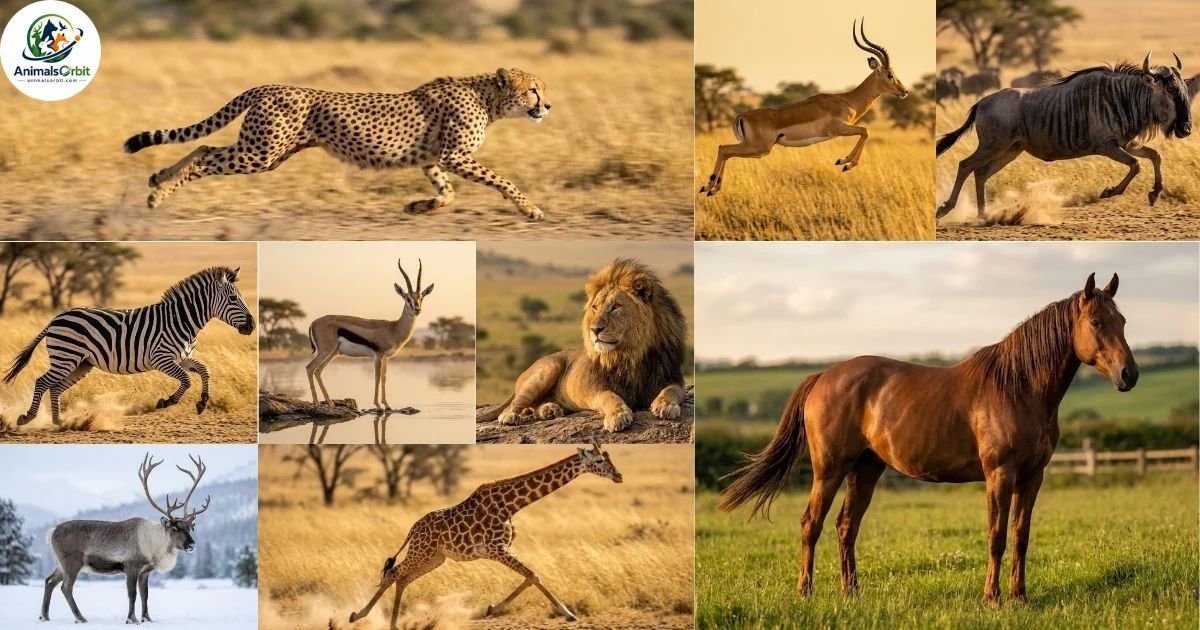
Animals that gallop have evolved varied ways to travel quickly, shaped by their bodies, habitats, and daily needs. Explore 20 animals that gallop examples with pictures, from familiar runners to less expected gallopers, and discover how their speed and movement connect to the roles they play in nature.
What is meant by galloping in animals?
A gallop combines speed with a distinctive four-legged rhythm. The animal’s legs move through a repeating sequence of contact and lift-off, with a moment when all four feet are airborne. That suspended phase, followed by another coordinated landing and push, helps animals such as horses, deer, and dogs cover ground rapidly while changing direction when needed.
Galloping animals serves different purposes depending on the animal and situation. Deer may use it to escape a threat; dogs may gallop while chasing or playing; and horses can use it for fast travel. The movement can also communicate energy or intent through a social display, making the gallop more than simply a way to get from one place to another.
List of Animals That Gallop
Below is the list of animals that can gallop:
- Horses
- Camels
- Bears
- Crocodiles
- Dogs
- Giraffes
- Antelopes
- Lion
- Wild Boars
- Hippos
- Wolves
- Llamas
- Gazelle
- Hyenas
- Tiger
- Deer
- Zebra
- Cheetahs
- Alpacas
- Bison
Horses
Scientific Name: Equus ferus caballus
Class: Mammalia
Diet: Herbivore
Horses combine muscular strength with remarkable agility, allowing them to accelerate into a powerful gallop and move quickly across varied terrain. Under the right conditions, they can reach speeds of up to 55 mph. That athletic ability has made them valued partners in human work and travel throughout history.

The connection continues in riding and equestrian sports, where movement depends on communication between horse and rider. A rider must respond to the horse’s pace and motion, while the horse follows cues and adjusts its stride. This close partnership has helped make horses enduring cultural symbols as well as formidable athletes.
Camels
Scientific Name: Camelus dromedarius
Class: Mammalia
Diet: Herbivore
A camel’s stride is suited to open, sandy terrain. Its long legs carry it forward with a rolling, side-to-side gait, and its wide, padded feet help keep it from sinking as deeply into soft sand. Though a camel can reach up to 40 mph in a short burst, it is better known for covering long distances at a sustainable pace.
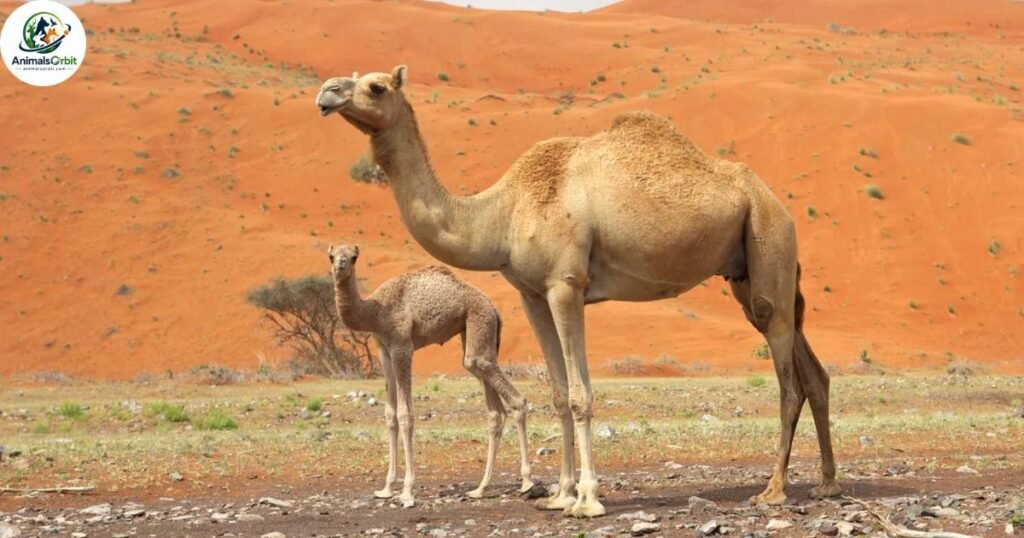
That stamina comes with desert-ready ways of handling heat and limited water. Camels conserve water and regulate their body temperature, reducing the demands of travel in hot conditions. Their combination of efficient movement and heat- and water-management adaptations makes them well suited to crossing broad stretches of sand.
Bears
Class: Mammalia
Diet: Omnivore
Bears can move far faster than their size suggests. Grizzly and black bears can reach 30 mph in short bursts, using powerful strides to cover ground quickly. Their speed is a reminder that a large body does not mean slow movement.
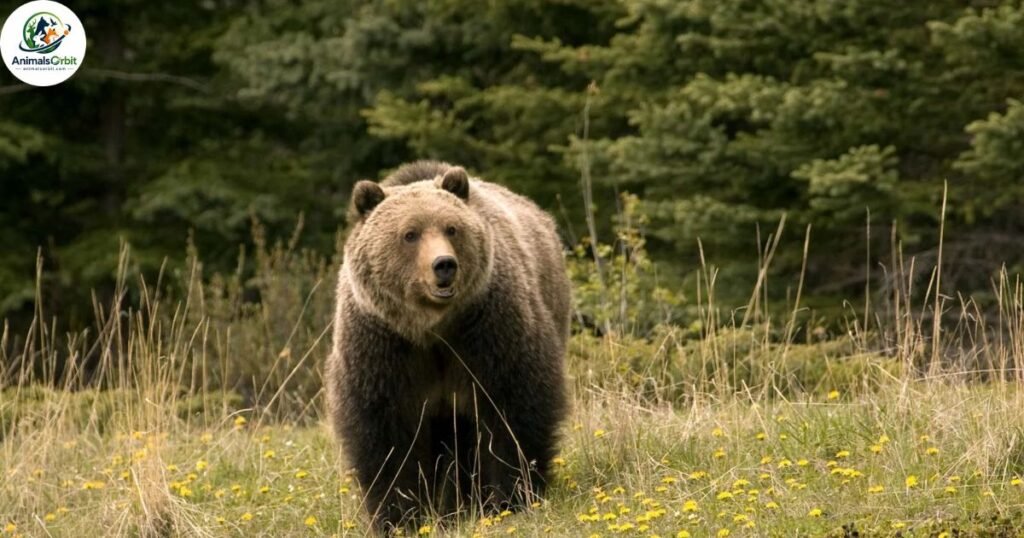
That burst of speed can help a bear respond to a threat or pursue food. A bear’s ability to accelerate and move with agility makes it important to give these animals plenty of space.
Crocodiles
Class: Reptilia
Diet: Carnivore
A crocodile’s powerful legs can do more than support its body at the water’s edge: some crocodiles can gallop on land for short bursts. This surprising speed helps them cover a stretch of ground quickly, while more measured walking and belly-low movement suit slower travel across banks and other terrain.
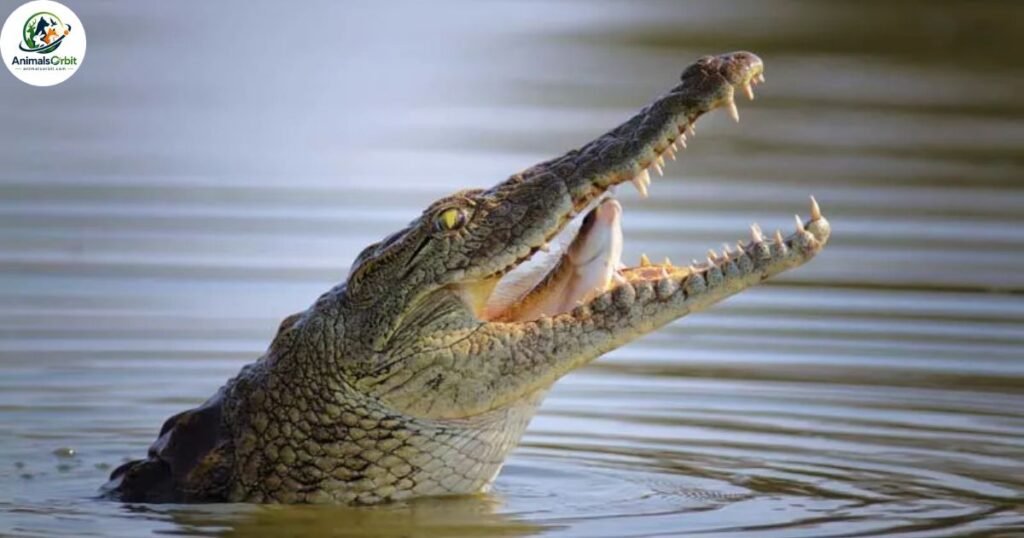
Their movement changes with the setting. In water, a strong tail supplies most of the forward thrust, and the legs can be held close to the body; on land, the legs help carry or propel the animal. This flexibility supports ambush hunting near shorelines and movement between aquatic and terrestrial habitats, where crocodiles must navigate both land and water.
Dogs
Scientific Name: Canis lupus familiaris
Class: Mammalia
Diet: Omnivore
A dog’s gallop is a striking expression of athletic ability: the body stretches and gathers in a flowing rhythm, helping the animal cover ground with speed and agility. Greyhounds are especially known for their swift, graceful running, while Vizslas combine an energetic stride with fluid movement.
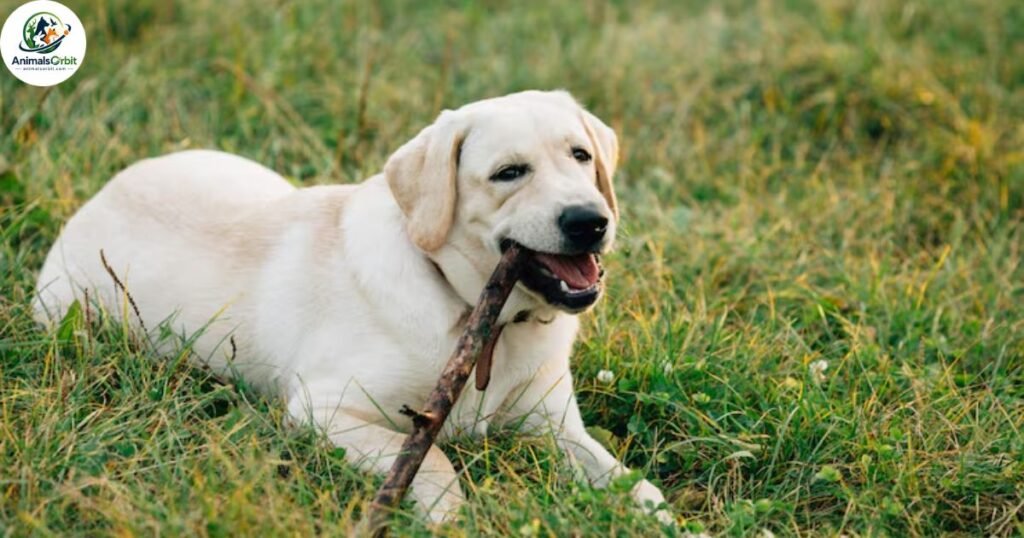
These abilities reflect dogs’ hunting ancestry. Powerful legs and long, coordinated strides help them pursue movement, while quick turns and bursts of speed support the chase. Even a playful sprint across a yard can echo those natural instincts, revealing how closely a dog’s athleticism is tied to its past.
Giraffes
Scientific Name: Giraffa camelopardalis
Class: Mammalia
Diet: Herbivore
When a giraffe runs, its long legs and flexible spine work together to produce an unusually long, rolling stride. This distinctive galloping gait can carry the animal at speeds of up to 37 mph.
Running may be crucial when a giraffe needs to escape predators. Among young giraffes, however, a burst of speed can be part of play. Their races help them interact and support social bonding within the herd.
Antelopes
Class: Mammalia
Diet: Herbivore
Antelopes are built to cover open ground at a remarkable pace. Their long legs drive powerful gallops, while graceful leaps help them move quickly across grasslands. Some can reach speeds of up to 55 mph, giving them a strong way to put distance between themselves and predators.
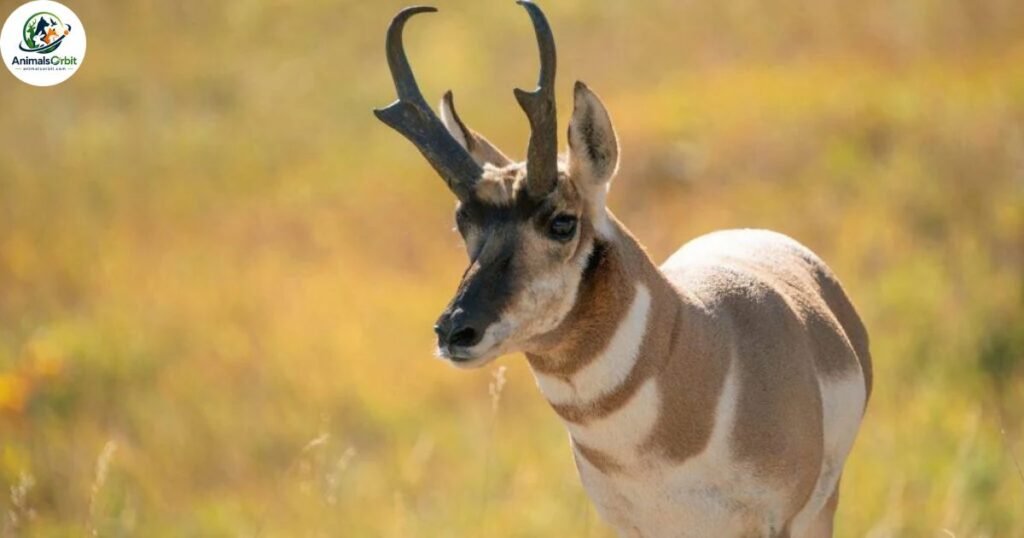
Speed is only part of their escape strategy. Antelopes can make quick turns, and their energy-efficient movement helps them keep going without wasting effort. In herds, they also benefit from being among many watchful animals, an advantage that can help them react to danger in open terrain.
Lion
Scientific Name: Panthera leo
Class: Mammalia
Diet: Carnivore
A lion’s muscular build gives it the strength to accelerate rapidly, making its gallop especially powerful over short distances. Lions can launch into explosive bursts of speed, but they are not built to maintain that pace for long. Their endurance is limited, so a hunt depends less on a prolonged chase than on getting close and moving quickly at the right moment.

During a hunt, lions use these sudden bursts to close the distance and seize an opportunity before their energy runs low. Pride members can also coordinate their movements, improving their chances of approaching prey from different directions and working together to bring it down. The combination of individual power and teamwork shapes the pride’s hunting strategy.
Wild Boars
Scientific Name: Sus scrofa
Class: Mammalia
Diet: Omnivore
Wild boars can gallop at speeds of up to 30 mph, an impressive pace for their muscular bodies. Their agility helps them move across different types of terrain, making quick changes in direction as they travel.

That speed and maneuverability can help wild boars escape threats. They also live and move in groups, where social interaction supports survival. Their combination of quick movement and group behavior helps them respond to the challenges around them.
Hippos
Scientific Name: Hippopotamus amphibius
Class: Mammalia
Diet: Herbivore
Hippos can gallop at speeds of up to 19 mph on land, a surprising pace for animals with such massive bodies. Their short legs may look unsuited to speed, but they support a powerful build that can drive a rapid charge.
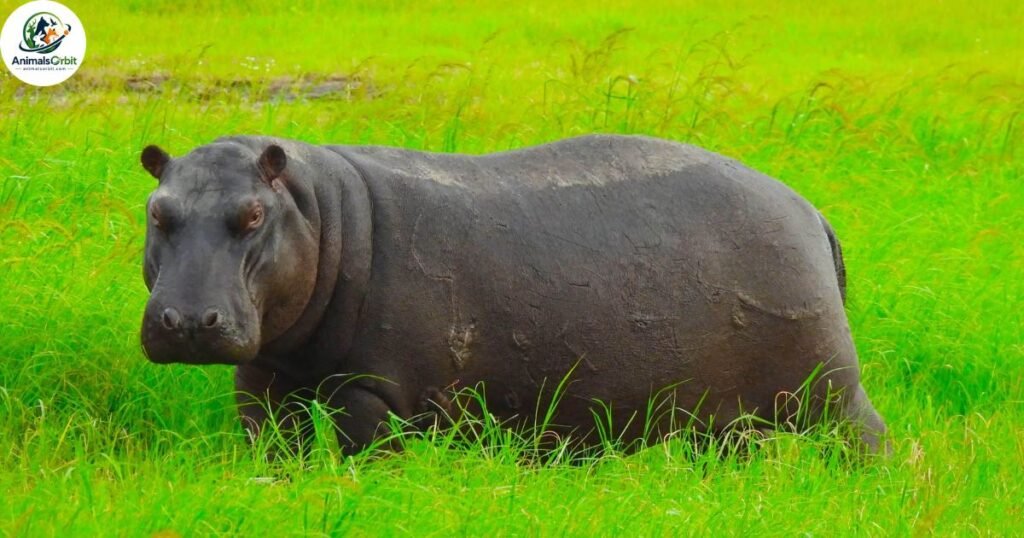
Momentum helps carry a hippo forward once it gets moving. Males may use charging displays to establish dominance, turning a burst of speed into a show of strength.
Wolves
Scientific Name: Canis lupus
Class: Mammalia
Diet: Carnivore
Wolves are powerful runners, able to gallop over long distances and keep a steady pace of around 5 mph for hours. This endurance helps them pursue prey over time rather than relying only on short bursts of speed.
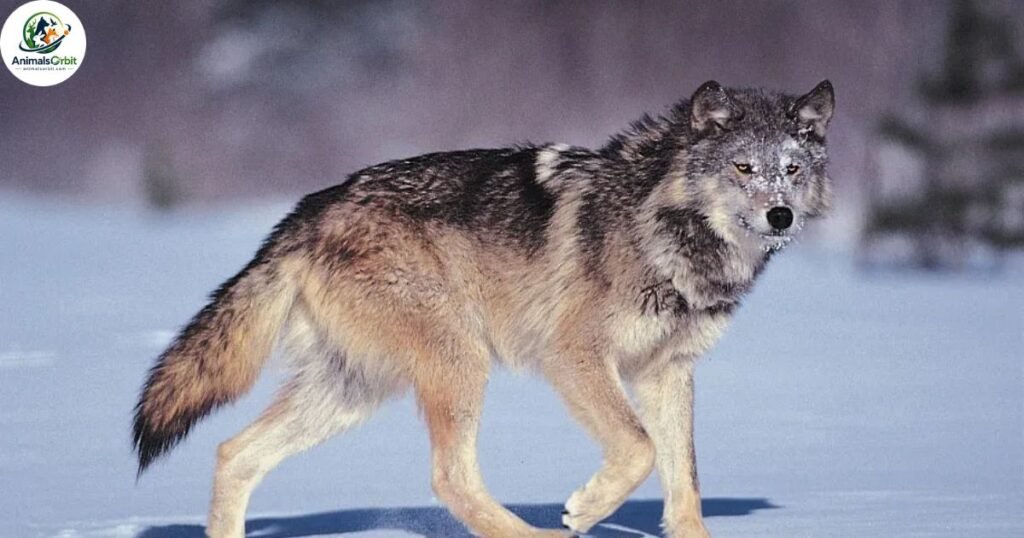
When a pack moves together, its members can coordinate their effort and communicate as the chase unfolds. That synchronized movement supports teamwork and can improve the pack’s chances of hunting successfully.
Llamas
Scientific Name: Lama glama
Class: Mammalia
Diet: Herbivore
A llama’s four-beat gait helps it move across uneven Andean terrain, and it can gallop at up to 30 mph. Llamas are also valued as pack animals, able to carry loads over the rugged landscapes they are associated with.
Llamas are social herd animals that communicate with one another, and their calm temperament can make them suitable for therapy work. Their combination of physical capability and gentle presence gives them roles that extend well beyond carrying a load.
Gazelle
Class: Mammalia
Diet: Herbivore
Gazelles can reach speeds of up to 60 mph, thanks to lightweight bodies, long legs, and powerful leaps. Their bounding gallop carries them swiftly across the savanna, helping them evade predators while using energy efficiently.
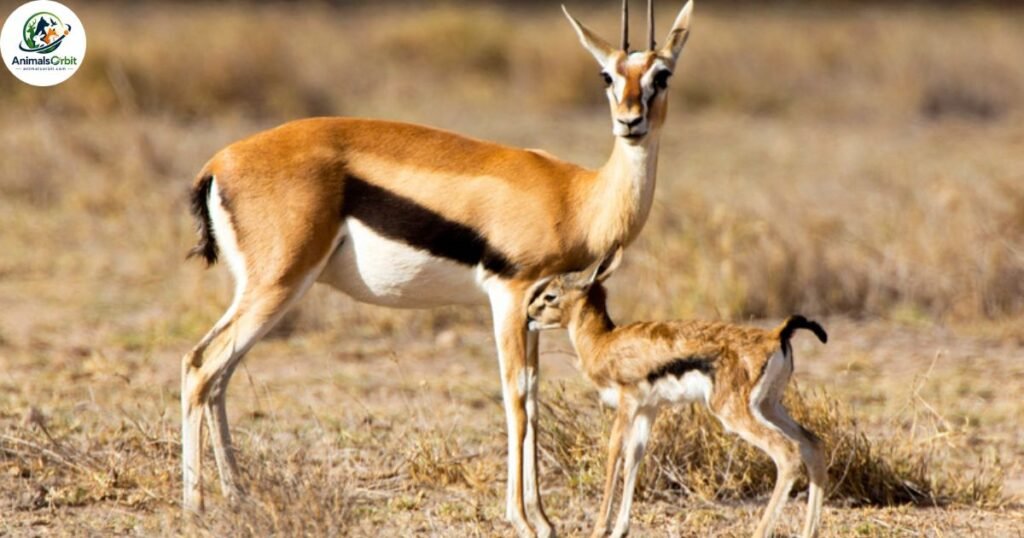
That speed also helps gazelles travel in search of food and water. With each bound, they cover ground across open landscapes where resources may be spread far apart.
Hyenas
Scientific Name: Hyaenidae
Class: Mammalia
Diet: Carnivore
A hyena’s gallop can reach up to 37 mph, powered by a strong, sturdy body and a distinctive leg structure. Longer, more robust front legs give the animal a sloping outline, and its endurance allows it to travel and pursue prey over long distances.
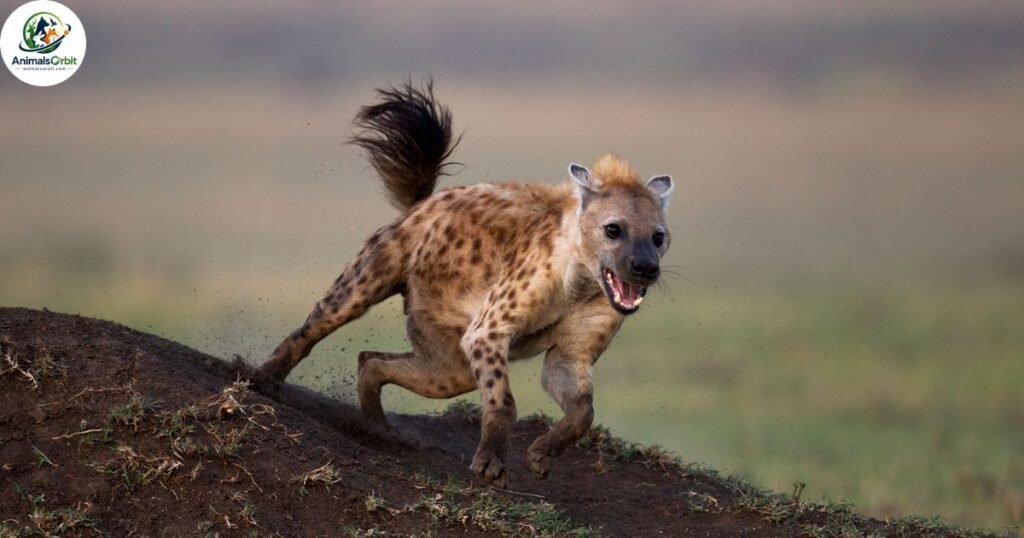
That stamina becomes especially useful when clan members hunt together. Coordinated pursuit can help hyenas keep pressure on prey across the savanna, while their speed helps them follow the chase. Together, these traits support the clan’s search for food and survival in its African habitat.
Tiger
Scientific Name: Panthera tigris
Class: Mammalia
Diet: Carnivore
Tigers can reach speeds of up to 30 mph in short bursts. Their muscular limbs and powerful build support an agile gallop, helping them accelerate when closing the distance to prey.
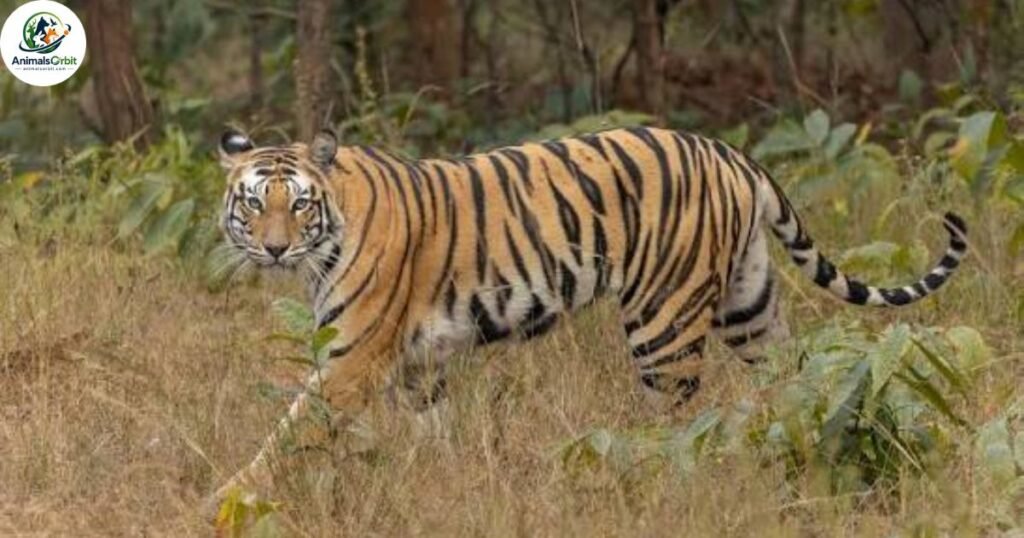
Speed is only part of their approach. Stealth, balance, and controlled movement help tigers navigate dense forests without making unnecessary noise or losing their footing. By moving carefully through cover, they can get closer before making a final burst.
Deer
Scientific Name: Cervidae
Class: Mammalia
Diet: Herbivore
Deer combine powerful movement with close attention to their surroundings. Their strong legs drive a fast, agile gallop in a two-beat rhythm, helping them move through forest cover and across rugged ground when escaping predators.
For younger deer, survival is also a group effort. Moving with a herd gives them opportunities to follow how others travel through challenging terrain and react to danger, helping them build skills they will rely on as they grow.
Zebra
Scientific Name: Equus quagga
Class: Mammalia
Diet: Herbivore
Zebras can gallop at speeds of up to 40 mph, combining powerful bursts of speed with the endurance to keep moving when danger is near. Their distinctive stripes make each animal easy to recognize within a herd, while quick, agile movements help them respond to threats across the African savanna.
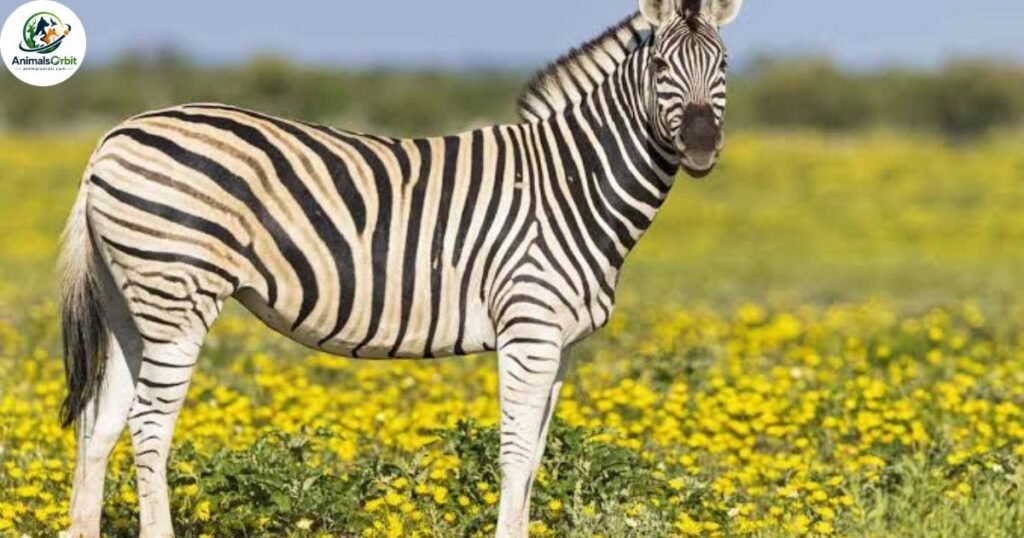
When predators approach, zebras move in coordination, shifting direction as a group. Body language and rapid turns help the herd react and make it harder for a predator to focus on one animal, giving zebras a chance to evade pursuit.
Cheetahs
Scientific Name: Acinonyx jubatus
Class: Mammalia
Diet: Carnivore
Cheetahs can reach speeds of up to 75 mph, thanks to bodies built for rapid acceleration. Their lightweight frames, long legs, and flexible spines help them cover ground quickly as they sprint after prey.
That speed has limits: a cheetah cannot maintain an all-out sprint for long. It relies on sharp eyesight to spot potential prey, then uses a careful approach to get within striking distance before launching a short, fast chase. The hunt depends on choosing the right moment as much as on sheer speed.
Alpacas
Scientific Name: Vicugna pacos
Class: Mammalia
Diet: Herbivore
Alpacas bring surprising agility to their playful gallops. Their padded feet help them move across the rocky, uneven ground of the Andes, while quick changes of direction let them dart and turn during play.
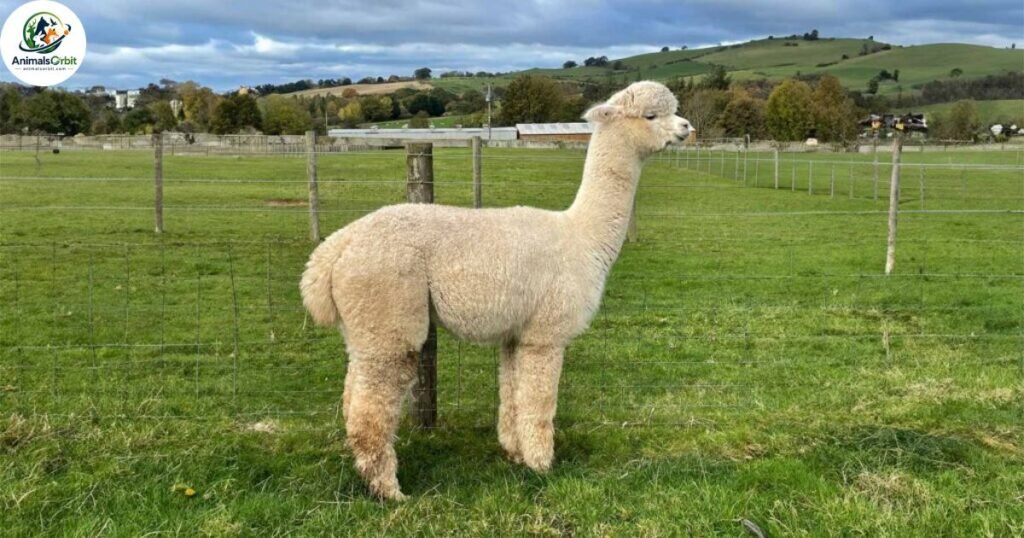
These bursts of speed are usually brief, but they give herd mates a lively way to interact. Chasing and running together let alpacas express energy and can help reinforce social bonds within the herd.
Read May Also: Explore Top 22 Quiet Animals in the World (With Images)
Bison
Scientific Name: Bison bison
Class: Mammalia
Diet: Herbivore
A bison’s massive size and muscular build might suggest a slow pace, but bison can gallop up to 35 mph. That speed comes in short bursts that help them navigate terrain, find food, and avoid threats.
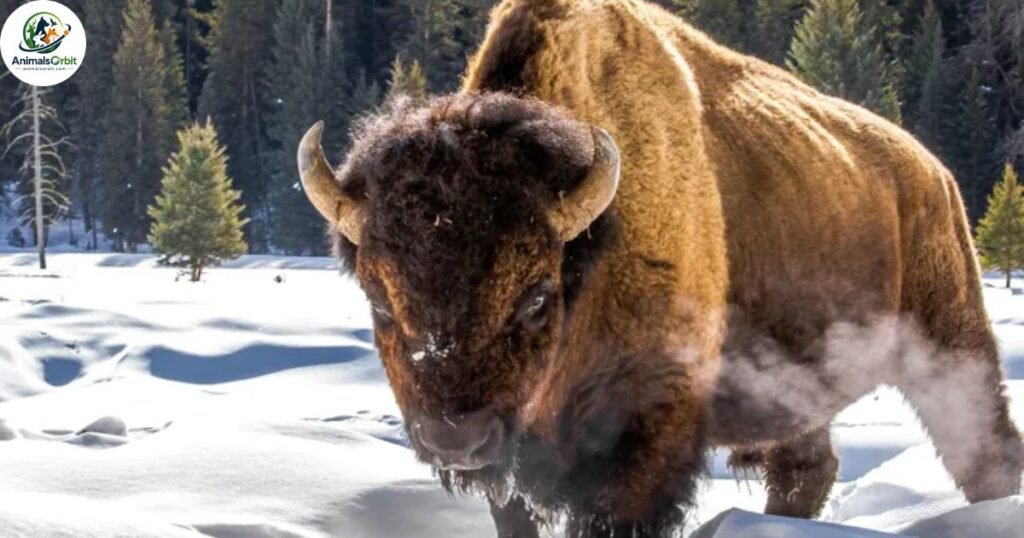
Movement is also part of how bison stay connected. As they travel together, herd movement supports social bonds and communication, helping the group remain in step.
Read May Also: Explore Top 25 Most Energetic Animal (With Pictures)
Conclusion
Animals that gallop is more than a burst of speed; it’s a survival strategy shaped by agility, endurance, and specialized adaptations. Horses and gazelles show how movement can help animals escape danger and thrive in their environments. Readers can support their future by learning about local conservation efforts and protecting the habitats wildlife depends on.
FAQs
What Animals can Gallop?
Horses, zebras, donkeys, deer, antelopes, camels, Greyhounds, rhinoceroses, cheetahs, cougars, and goats can gallop.
Do Giraffes Gallop?
Yes. Giraffes can gallop, even though they usually walk at a steady pace.
Does a Crocodile Gallop?
Some crocodiles can perform a fast, bounding run on land over short distances. The brief doesn’t specify which species.
Which Animal Gallops?
Many four-legged mammals gallop, including horses, zebras, donkeys, deer, antelopes, dogs, wolves, cheetahs, lions, giraffes, rhinos, and camels. Galloping is the fastest gait for most of these animals.
What Animals Gallop in the Wild?
Many wild animals gallop, including zebras, wild horses, deer, antelopes, gazelles, wildebeests, giraffes, cheetahs, lions, wolves, bison, rhinos, and kangaroos (which hop rather than gallop, but move at similar speeds).