Top 15 Animals That Sleep the Most: Hours of Sleep Revealed
Some animals seem to spend almost their entire day sleeping. While humans usually need around eight hours of sleep, certain animals can rest for 15, 18, or even more than 20 hours in a single day. But why do animals sleep so much? In most cases, long sleep is connected to energy conservation, diet, hunting habits, body metabolism, or the need to stay safe during the day.
Lets discover the top 15 animals that sleep the most, how many hours they may sleep each day, and the fascinating reasons behind their long periods of rest.
List of Animals That Sleep the Most
Here are 15 of the sleepiest animals, based on commonly reported daily sleep or resting durations:
- Koala — 18–22 hours
- Little Brown Bat — about 20 hours
- Giant Armadillo — about 18 hours
- Python — up to 18 hours
- North American Opossum — about 18 hours
- European Hedgehog — around 18 hours
- Lion — around 13.5–20 hours
- Owl Monkey — about 17 hours
- Red Panda — about 17 hours
- Tiger — around 15–16 hours
- Tree Shrew — about 15.8 hours
- Squirrel — around 15 hours
- Domestic Cat — about 12–16 hours
- Hamster — around 12–14 hours
- Sloth — highly variable, with wild sloths sleeping considerably less than older captive estimates
Koala
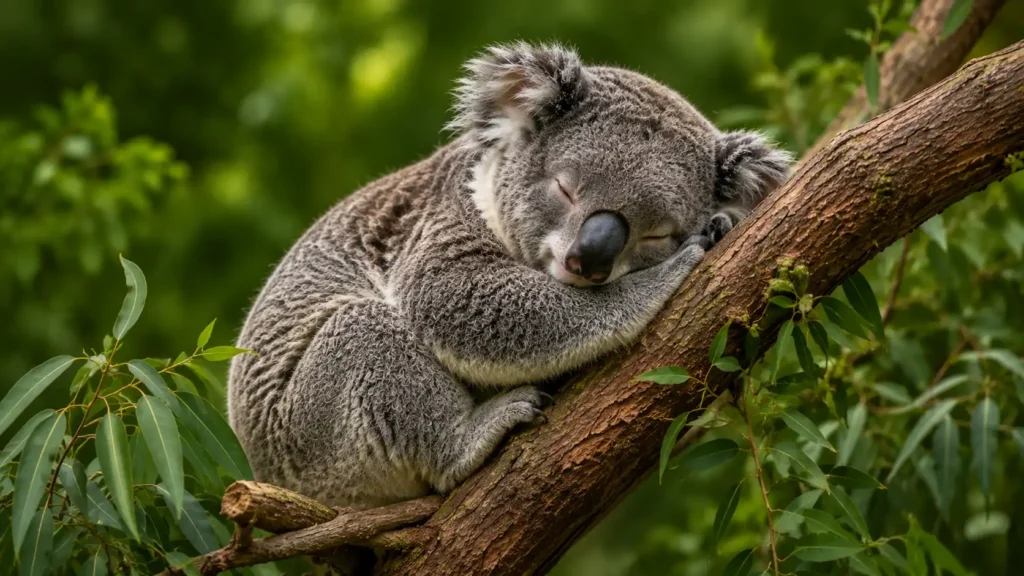
Scientific Name: Phascolarctos cinereus
Class: Mammalia
Diet: Herbivore
Sleep: About 18–22 hours a day
The koala is one of the most famous long sleepers in the animal kingdom. It can spend as much as 18–22 hours a day resting or sleeping, leaving only a small part of the day for feeding and other activities.
The main reason is its diet. Koalas mainly eat eucalyptus leaves, which are fibrous and relatively low in available energy. Digesting this food takes time, so conserving energy becomes extremely important.
Koalas usually rest in the branches of eucalyptus trees. Their sleepy lifestyle is not simply laziness; it is an adaptation that helps them survive on a demanding diet.
Little Brown Bat
Scientific Name: Myotis lucifugus
Class: Mammalia
Diet: Insectivore
Sleep: About 19–20 hours a day
The little brown bat is another remarkable sleeper and is often reported at around 20 hours of sleep per day. Bats use a lot of energy when flying and hunting insects. Their nighttime activity can therefore be intense even though it occupies only a small portion of the day.
During daylight, they retreat to protected roosting places and spend long periods resting. This schedule allows them to conserve energy between nightly feeding periods.
Giant Armadillo
Scientific Name: Priodontes maximus
Class: Mammalia
Diet: Insectivore
Sleep: Around 18 hours a day
The giant armadillo is a nocturnal animal that spends much of the daylight period resting. Reports commonly place its daily sleep around 18 hours.
Its nighttime lifestyle makes long daytime rest useful. Instead of moving around during the hotter and brighter part of the day, it remains hidden and becomes more active after dark.
Its burrowing behavior also provides a relatively protected environment for resting. When night arrives, the giant armadillo can leave its shelter and search for insects and other food.
Python
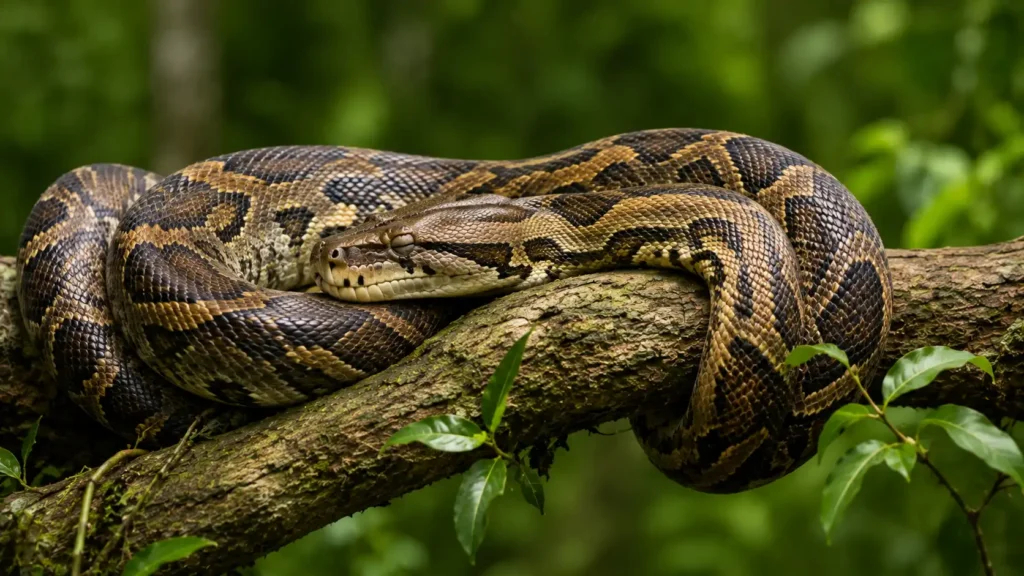
Scientific Name: Pythonidae
Class: Reptilia
Diet: Carnivore
Sleep: Up to about 18 hours
Pythons have a very different relationship with sleep from mammals. They may remain inactive for long periods, especially after eating a large meal.
A large prey item can take considerable time to digest. During this period, the snake’s body directs substantial energy toward digestion and other metabolic processes.
This means a python may appear extremely inactive after feeding. Its long resting periods are an efficient way of conserving energy while its body handles a demanding digestive process.
North American Opossum
Scientific Name: Didelphis virginiana
Class: Mammalia
Diet: Omnivore
Sleep: Around 18 hours a day
The North American opossum is another animal known for spending a large part of the day asleep or resting. Reports commonly put its daily sleep around 18 hours.
Opossums are mainly nocturnal, so much of their activity happens after sunset. During daylight, they can stay hidden in sheltered locations and avoid unnecessary exposure.
Their long resting schedule also helps conserve energy. When they become active at night, they can focus on searching for food and moving through their environment.
European Hedgehog
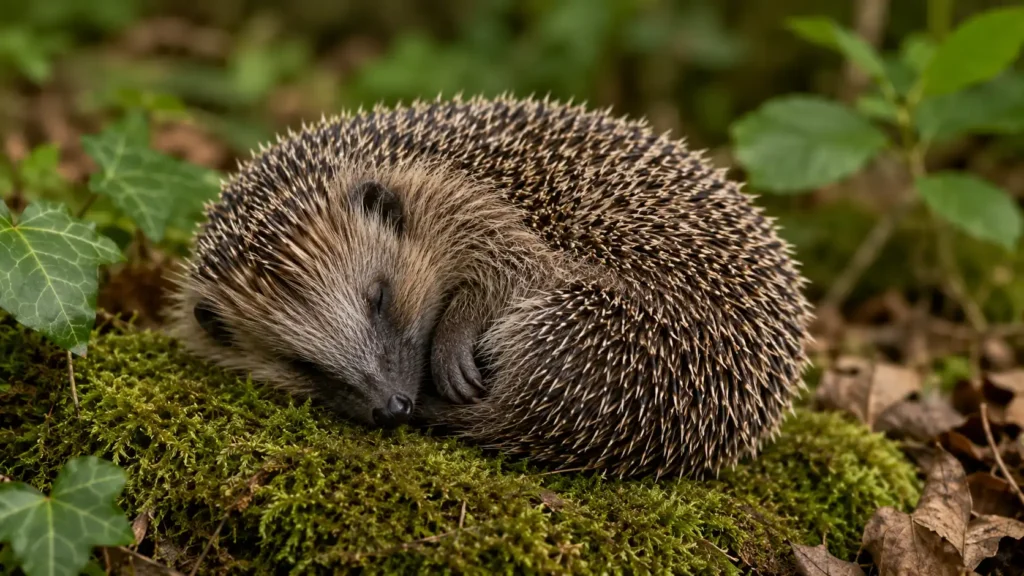
Scientific Name: Erinaceus europaeus
Class: Mammalia
Diet: Omnivore
Sleep: Around 18 hours a day
European hedgehogs are nocturnal animals, which means their busiest period is usually after dark. During the daytime, they spend long periods resting in nests or other sheltered locations.
Some sources report roughly 18–20 hours of sleep or rest for hedgehogs. Their sleeping habits make sense for an animal that searches for insects and other food at night. Resting during daylight keeps them hidden and allows them to save energy for nighttime activity.
Lion
Scientific Name: Panthera leo
Class: Mammalia
Diet: Carnivore
Sleep: Roughly 13.5–20 hours, depending on conditions and measurement
Lions are often pictured as constantly alert predators, but they actually spend a surprisingly large portion of their day resting. Some commonly cited estimates place lion sleep around 13.5 hours, while other sources give higher figures when resting and sleeping time are considered together.
Hunting requires a great deal of energy, particularly when lions are chasing or bringing down large prey. Resting between periods of activity helps them conserve that energy.
Lions are also more active during cooler periods, particularly around dawn, dusk, and nighttime. Their daytime lounging is therefore an important part of their energy-saving strategy.
Owl Monkey
Scientific Name: Aotus
Class: Mammalia
Diet: Omnivore
Sleep: About 17 hours a day
Owl monkeys are unusual primates because they are primarily nocturnal. They become active after dark when they search for food and move through their forest habitat. They can sleep for around 17 hours a day according to commonly reported estimates.
Long periods of daytime rest help these small primates conserve energy. Their sleeping behavior also fits their nighttime lifestyle, allowing them to remain inactive during much of the day and become active when darkness provides better cover.
Red Panda
Scientific Name: Ailurus fulgens
Class: Mammalia
Diet: Primarily herbivorous
Sleep: Around 17 hours a day
Red pandas are quiet, tree-dwelling animals that spend much of their time resting. They are commonly reported to sleep or rest for around 17 hours a day. Their diet is heavily based on bamboo, which does not provide a large amount of usable energy. Because of this, conserving energy is especially important.
Red pandas often rest in trees, where they can remain relatively safe while sleeping. Their long rest periods are therefore closely connected to both their diet and their lifestyle.
Tiger
Scientific Name: Panthera tigris
Class: Mammalia
Diet: Carnivore
Sleep: Around 15–16 hours a day
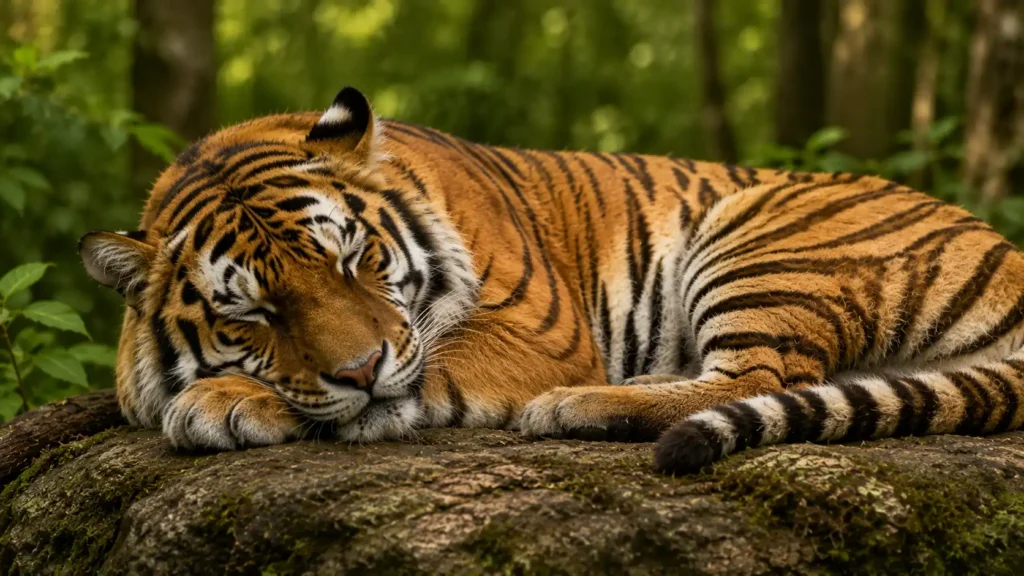
Tigers are powerful predators, but even these large cats need plenty of rest. They are commonly reported to sleep or rest for roughly 15–16 hours a day.
Hunting requires bursts of intense physical effort. A tiger may spend considerable time moving quietly through its territory before suddenly chasing prey.
Rest helps the tiger recover and conserve energy between hunting opportunities. Tigers also tend to be more active during cooler parts of the day, while warmer daylight hours may be spent resting.
Tree Shrew
Scientific Name: Scandentia
Class: Mammalia
Diet: Omnivore
Sleep: About 15.8 hours a day
Tree shrews are small mammals that may sleep for approximately 15.8 hours each day. Their small bodies and active lifestyles make energy management important. They feed on a combination of insects, fruits, and other foods while moving through their forest habitats.
Spending many hours resting allows them to recover from daily activity. Their sleeping behavior also shows that long sleep is not limited to large predators or famous animals such as koalas.
Squirrel
Scientific Name: Sciuridae
Class: Mammalia
Diet: Omnivore
Sleep: Around 15 hours a day
Squirrels may look energetic when they are jumping between branches or searching for food, but they also spend a considerable part of the day sleeping or resting.
A squirrel may sleep around 15 hours a day, although its routine can change depending on species, season, food availability, and environmental conditions.
Squirrels usually rest in nests or other protected spaces. This gives them a safe place to conserve energy before returning to their busy foraging routine.
Domestic Cat
Scientific Name: Felis catus
Class: Mammalia
Diet: Carnivore
Sleep: About 12–16 hours a day
If you have ever watched a cat sleep through most of the afternoon, you already know how much cats love resting. Domestic cats commonly sleep around 12–16 hours a day.
Cats are natural predators, and their bodies are designed for short bursts of activity. Hunting requires quick reactions and sudden energy expenditure, so resting between active periods is useful.
Cats also tend to sleep in several periods rather than following one long human-style sleep session. That is why your cat may nap repeatedly throughout the day and night.
Hamster
Scientific Name: Cricetinae
Class: Mammalia
Diet: Omnivore
Sleep: Around 12–14 hours a day
Hamsters are another example of animals whose sleeping patterns are strongly connected to their daily activity. They are generally most active during the evening and nighttime.
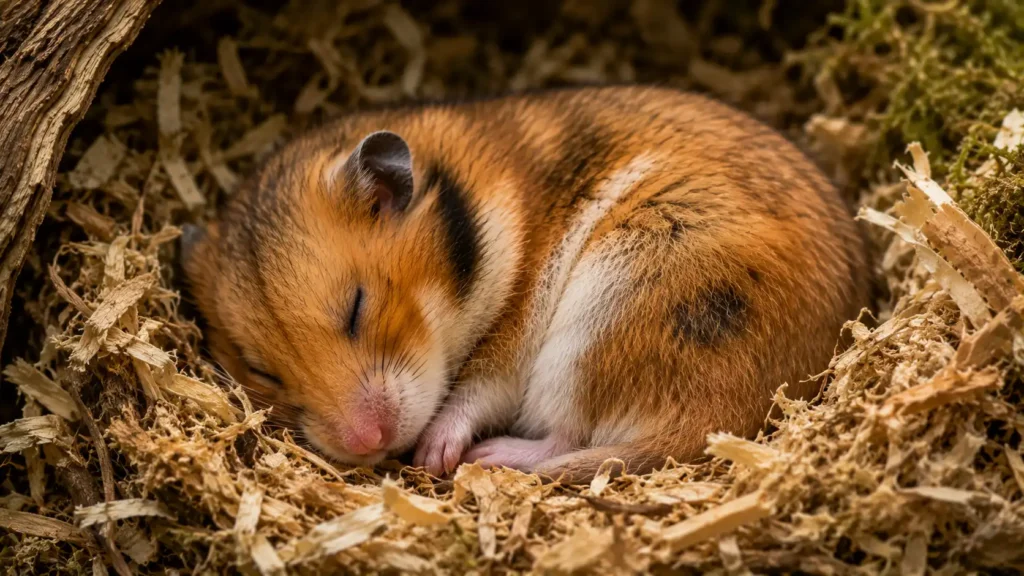
Common estimates place hamster sleep around 12–14 hours per day. When they are awake, hamsters can spend a lot of time running, exploring, digging, and searching for food. Long rest periods help them recover before another active cycle begins.
Sloth
Scientific Name: Folivora
Class: Mammalia
Diet: Herbivore
Sleep: Highly variable
The sloth is probably the first animal many people think of when they hear the phrase “animals that sleep the most.” Older sources have often reported 15–20 hours of sleep per day.
This is one animal where newer observations are especially important. Research on wild sloths has found much lower sleep durations than older captive-animal estimates, with one well-known study recording about 9.6 hours of sleep in wild sloths.
The reason for this difference is simple: an animal in captivity does not face exactly the same pressures as one living in the wild. Food availability, predators, temperature, movement, and environmental stimulation can all affect sleep.
The sloth remains one of the world’s most famous sleepy animals, it should not automatically be called the biggest sleeper without explaining the difference between captive and wild observations.
Why Do Some Animals Sleep So Much?
Long sleep is usually not a sign that an animal is lazy. It is often an adaptation that helps the animal survive.
Energy Conservation
Animals with demanding diets or high energy requirements may need long periods of rest. Koalas, for example, eat low-energy eucalyptus leaves, while bats use substantial energy during flight.
Digestion
Some animals spend long periods inactive while their bodies process food. Pythons are a particularly interesting example because a large meal can require extensive digestive work.
Nocturnal Lifestyle
Many animals sleep during the day and become active at night. This includes bats, hedgehogs, opossums, and owl monkeys.
Predator Protection
Sleeping in a secure burrow, tree, nest, or other sheltered location can reduce exposure to danger. For some species, resting during a less suitable part of the day is a useful survival strategy.
Recovery From Physical Activity
Predators such as tigers and lions may spend relatively short periods performing intense physical activity and much longer periods recovering and conserving energy.
Do Animals Really Sleep or Just Rest?
Not every period of inactivity should automatically be counted as sleep. Scientists can distinguish sleep from simple resting by examining behavior and, in some cases, brain activity. This is one reason different sources can give different sleep figures for the same animal.
This distinction is especially important when comparing animals such as sloths, where older captive observations produced much higher sleep estimates than later observations of wild individuals.
Read May Also: Top 15 Animals Like Ferrets You Should Know With Images
Conclusion
The world’s sleepiest animals show that sleep is far more than simply taking a break. For some species, long periods of sleep help conserve energy, digest difficult food, recover from intense activity, or stay protected from environmental dangers.
Koalas and bats are among the most extreme sleepers, while animals such as tigers, cats, squirrels, and lions also spend many hours resting. The sloth is an especially interesting example because its famous 15–20-hour sleep claim changes considerably when wild animals are studied instead of captive ones.
FAQs
Are Animals That Sleep a Lot Lazy?
No. Long sleep is usually an adaptation rather than laziness. It can help an animal conserve energy, process food, recover from activity, or survive in its environment.
Do All Animals Sleep at Night?
No. Many animals are nocturnal and sleep during the day. Bats, hedgehogs, opossums, and owl monkeys are examples of animals that are active primarily at night.
Can an Animal Sleep for an Entire Day?
Some animals can spend most of a 24-hour period sleeping or resting, but the exact amount varies by species and conditions. Koalas and little brown bats are among the most extreme examples.
What are the Top 10 Animals that Sleep the Most?
The animals that sleep the most include koalas, little brown bats, giant armadillos, opossums, pythons, tigers, lions, house cats, sloths, and hamsters. Most of them sleep between 14 and 22 hours a day.
Which Animal Sleeps the Most?
The koala is usually named the animal that sleeps the most, resting about 20 to 22 hours a day. Little brown bats and giant armadillos are close behind, at around 18 to 20 hours.